
Film
Film Socialisme
Godard's fragmented essay-film unfolds across a Mediterranean cruise and a dream tribunal, where passengers and family members conduct half-serious interrogations about Europe, politics, and the inherited ideals of the Enlightenment. It's radically digressive, layered with untranslated dialogue, philosophical monologue, and Patti Smith. For viewers who love difficulty as a mode of thinking.
Should you watch it?
Watch it if you enjoy films that think out loud through collage, where images, languages and quotations rub against each other and meaning comes from the friction rather than a plot.
Skip it if you need a story to hold onto, since this barely has continuity, and its jumpy, sometimes deliberately irritating surface can feel like a lecture you never signed up for.
What it asks of you: It wants full attention for 102 dense minutes, with fragmented scenes, shifting languages, and long stretches where image and sound seem to argue.
Not sure? Find tonight's pick in a minute.
If you liked this
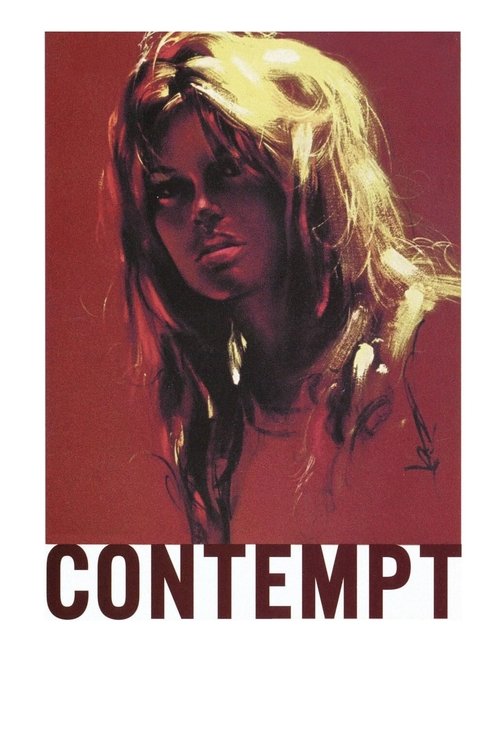
Contempt1963
Godard's clearest film about cinema and marriage, built on similar formal sophistication but more emotionally grounded. A masterclass in how to film conversation and betrayal with colour and style.
But At 103 minutes it still demands patience, and the famous dolly shot—however beautiful—can feel like admiring architecture rather than feeling emotion.
Mulholland Drive2001
Lynch's equally ambitious essay on cinema, identity and Los Angeles uses fragmentation and dream logic to explore how we construct meaning. Rewards active watching in exactly the way Godard demands it.
But The narrative collapse in the final act will frustrate anyone who needs plot coherence, and the three-hour runtime tests commitment.

Sans Soleil1983
Chris Marker's essay-film meditation on memory, travel and political collapse. Uses found footage, voice-over and montage to ask similar questions about history and representation—but with more emotional warmth.
But It's deliberately fragmented and moves at its own meditative pace. There's no narrative spine, which some viewers find pretentious rather than profound.

Not sure tonight? Get a pick in a minute, starting from Film Socialisme
The wildcard
Something you would not have found on your own.
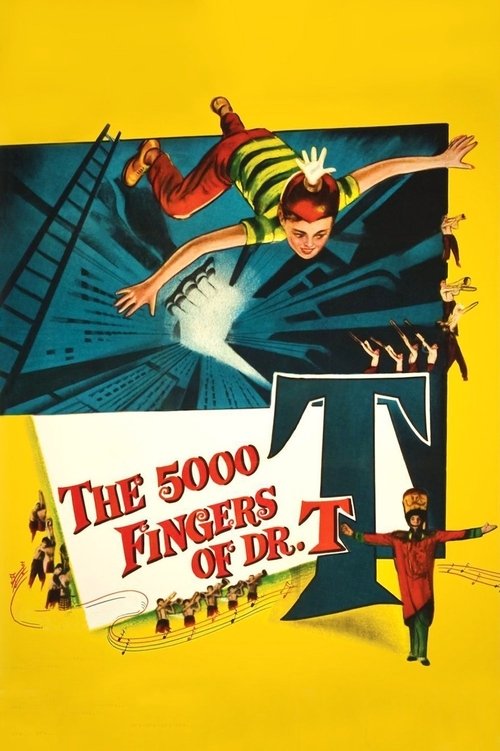
The 5,000 Fingers of Dr. T.1953
Both use formal disruption and theatrical artifice to interrogate power structures and ideology; both move through spaces (cruise ship, children's concert) as pretexts for philosophical argument rather than plot.
A Seuss-written, Kubrick-directed musical fever dream about fascism, creativity and childhood. Structurally as fractured as Godard, but through Technicolor surrealism and song rather than essay.
But It looks like a children's film but has genuinely unsettling totalitarian overtones. The musical numbers are bizarre and the plot is deliberately incoherent in service of mood.
More like this (8)
The Holy Mountain1973
Jodorowsky's surrealist odyssey shares Godard's desire to use cinema as philosophical enquiry, layering symbol, conversation and visual excess. It's baffling but hypnotic in its commitment to its own logic.
But It's genuinely grotesque in places—nudity, violence, bodily transgression—which isn't there for shock value but feels extreme nonetheless. Very long and very strange.

Stalker1979
Tarkovsky's sci-fi meditation on desire and faith moves with glacial intentionality, turning science fiction into philosophical enquiry. It trusts the viewer's attention in exactly the way Godard does.
But Nearly three hours of long takes, dialogue-heavy sequences and landscape. If you find beauty in slowness difficult, you'll find this maddening.

The Turin Horse2011
Béla Tarr's final film, made the same year as Film Socialisme, uses repetition and degradation to explore the end of something—philosophy, cinema, Europe itself. Apocalyptic where Godard is interrogative.
But It's bleak, desaturated, repetitive by design. The mood is funeral. Watching it demands you surrender to its pessimism.

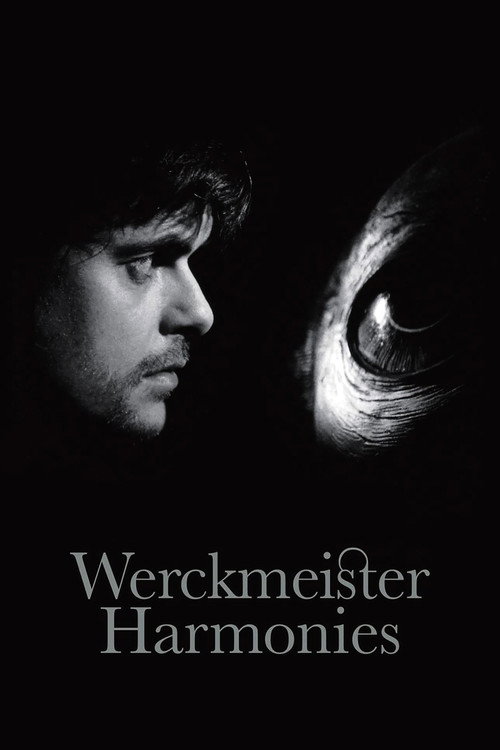
Werckmeister Harmonies2001
Another Tarr film that uses long takes and ensemble casts to explore community and crisis. The formal rigour and political weight feel kindred to Godard's intellectual ambition.
But It's shot in black and white with minimal dialogue and zero plot momentum. The opening is a single 40-minute take. Accessibility is not the goal.
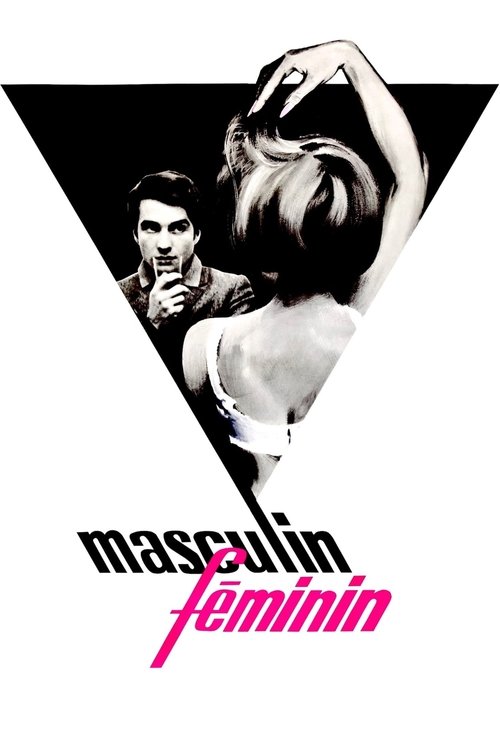
Masculin Féminin1966
Godard at a sweet spot between accessibility and difficulty. His essay on youth, politics and desire in Paris uses interviews, songs and casual scenes to think about ideology in everyday life.
But Dated political references and the treatment of women—even as critique—can feel distant or uncomfortable from a contemporary perspective.
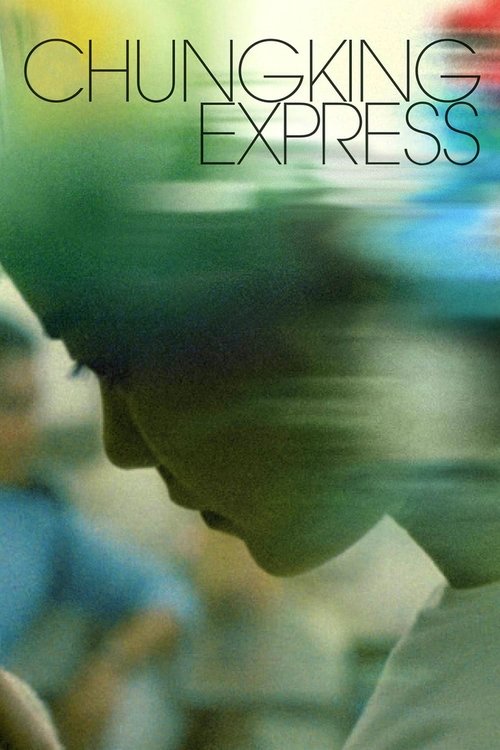
Chungking Express1994
Wong Kar-wai's love letter to fragmentation, music and chance encounters. Formally inventive and digressive, it shows how to make philosophical cinema feel warm and lived-in rather than austere.
But The plot barely exists. If you're watching for narrative propulsion rather than mood and visual texture, you'll feel adrift.
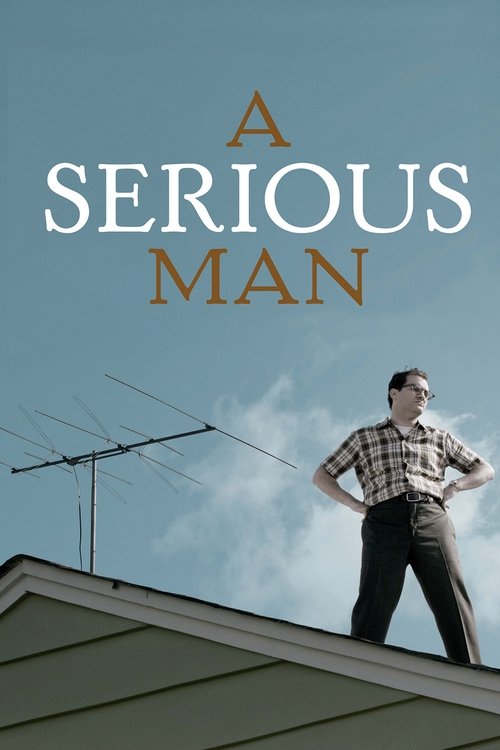
A Serious Man2009
Both structure themselves around serious philosophical questions embedded in everyday domestic and family crisis; both refuse easy answers and treat European/Jewish intellectual traditions as living, contested terrain.
The Coen Brothers' film about a man trying to understand his life through Jewish philosophy and cosmology. Uses rabbinical debate and prologue/epilogue framing to turn personal crisis into metaphysical enquiry.
But It's bleak and cyclical—nothing is resolved. The humour is dark and the spiritual answers are deliberately unsatisfying. Very Midwestern in its refusal of catharsis.
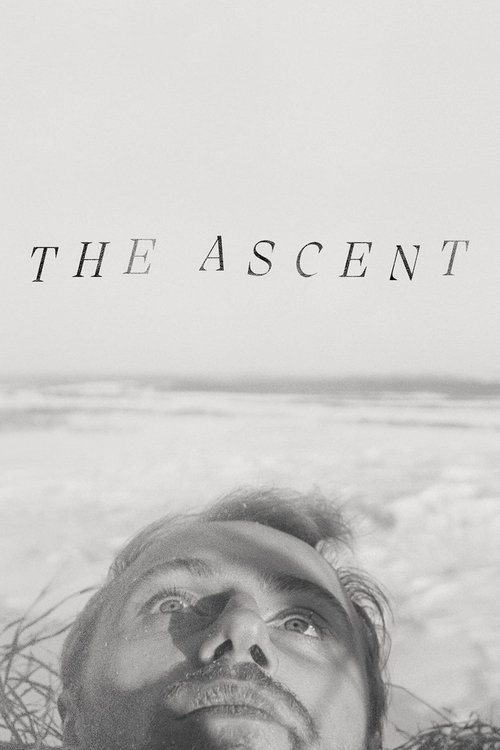
The Ascent1977
Both treat cinema as a tool for philosophical interrogation rather than entertainment; both use journeys through space as frameworks for questions about politics, humanity and historical reckoning; both trust silence and patience.
Sokurov's long, meditative film about two Soviet deserters climbing a mountain, shot in grainy black and white. Uses landscape and silence to explore faith, ideology and endurance as philosophy.
But It's slow, harsh, remote and offers no warmth. The final act is deliberately punishing. Shot on aged film stock that makes it feel like watching a relic.
People
Cast
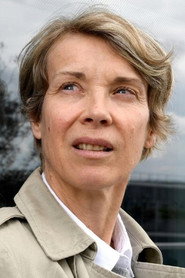 Catherine TanvierLa mère
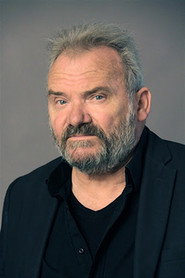 Christian SinnigerLe père
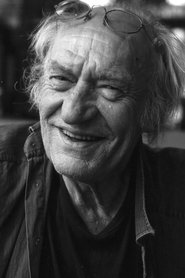 Jean-Marc StehléOtto Goldberg
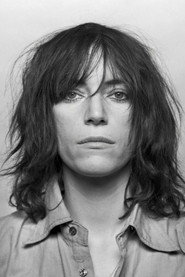 Patti SmithLa chanteuse
- Robert MaloubierPersonne de la vraie vie
- Alain BadiouLe philosophe
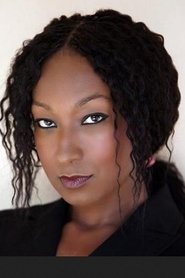 Nadège Beausson-DiagneConstance
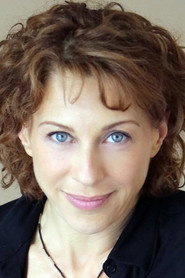 Élisabeth VitaliLa journaliste FR3 Regio
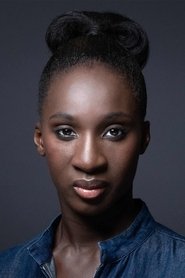 Eye HaïdaraLa cameraman FR3 Regio
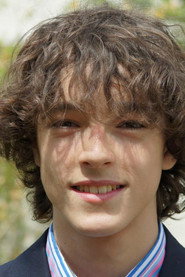 Quentin GrossetLucien
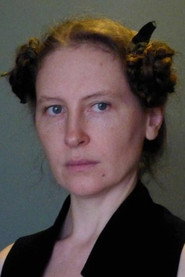 Olga RiazanovaAgent secret russe
 Elidan ArzoniL'ami
Directing
- Jean-Luc GodardDirector
Writing
- Jean-Luc GodardScreenplay
Production
- Alain SardeProducer
- Ruth WaldburgerProducer