
Film
Phantom Power
Other titles called Phantom Power: the 2019 film.
- Strange
- Slow-burning
Pierre Léon's 75-minute experimental film assembles fragments from across his career—found footage, home movies, theatrical micro-dramas, folk songs—into a poetic collage that feels less like narrative and more like an artist's notebook made visible. It's hypnotic and unrushed, rewarding attention but demanding patience. For people who treat cinema as something to feel rather than follow.
Should you watch it?
Watch it if you enjoy films that assemble scraps of home movies, stage scenes and found footage into a loose, personal mosaic, and you don't need a plot to be carried along by mood and music.
Skip it if you want a story with momentum, because this is a patchwork of fragments that rarely builds toward a single line of narrative.
What it asks of you: Seventy-five minutes that move in abrupt cuts and long stretches of pure texture, so you'll need to drift along rather than follow a thread closely.
Not sure? Find tonight's pick in a minute.
If you liked this
Sans Soleil1983
Marker's essay-film collage of memory, travel, and cinema itself shares Léon's fragmentary logic and sense of wonder. The same commitment to making meaning from disparate images and sounds, the same refusal to explain.
But It's meditative and associative rather than propulsive—if you need plot momentum or clear narrative direction, this will feel like three hours of beautiful nothing.

Letter from Siberia1957
Another Marker essay-film, this one using found footage and voiceover to build something profound from scraps. The ancestor of exactly what Léon is doing, but slightly more navigable if you're new to the form.
But The archival material is dated and sometimes tedious; Marker's voiceover is witty but can feel distant. Easier to admire than to love, on first viewing.

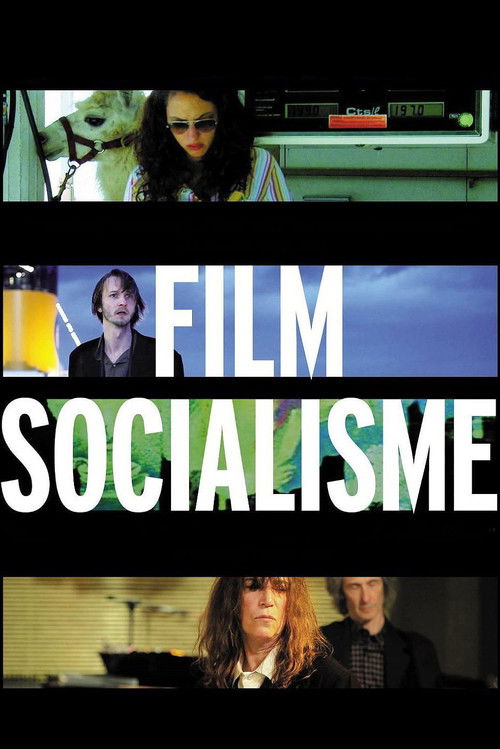
Film Socialisme2010
Godard in his most fractured late-period mode—another work that's essentially a notebook, mixing video, archive, text, and philosophy. If fragmentation and poetic collision appeal to you, this is essential.
But Godard actively makes it hard to watch. The image is degraded, the sound muddy, the narrative logic impenetrable. Beautiful but exhausting on purpose.
Not sure tonight? Get a pick in a minute, starting from Phantom Power
The wildcard
Something you would not have found on your own.
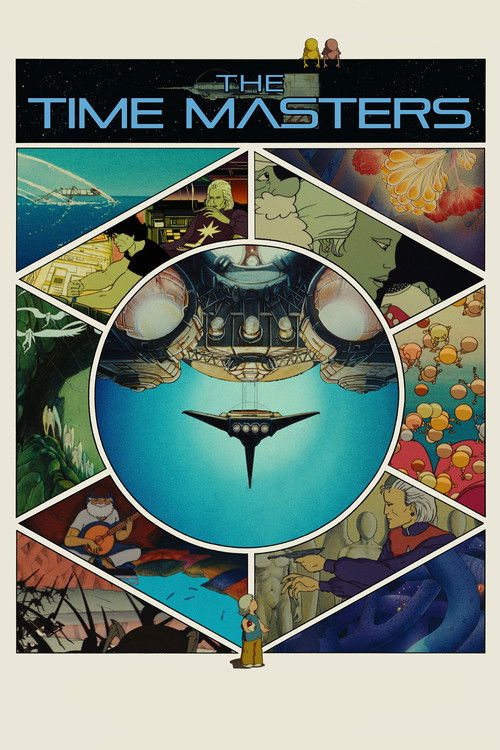
Time Masters1982
Both use fragmentation and collage not as difficulty for its own sake, but to build a poetic world where time and memory are fluid, visible, layered. Both filmmakers work against narrative momentum in service of something deeper.
Laloux's animated sci-fi epic is formally and thematically adventurous in ways most live-action cinema never dares. Using animation lets him build a world of pure visual poetry, and like Léon, he layers found images and philosophical depth into something that feels like dreaming.
But It's a French animated film from 1982 about space and memory. The pacing is glacial, the plot is secondary, and the animation style—rotoscoped and painterly—will feel slow and strange if you're used to conventional narrative or contemporary animation.
More like this (7)
The Act of Killing2012
A documentary that uses found footage, performance, and playacting to excavate memory and atrocity. Like Léon, it builds something profound from fragments and the collision of different media and registers.
But It's about genocide and mass murder. The subject matter is disturbing and the film doesn't lighten it. Necessary doesn't mean easy.

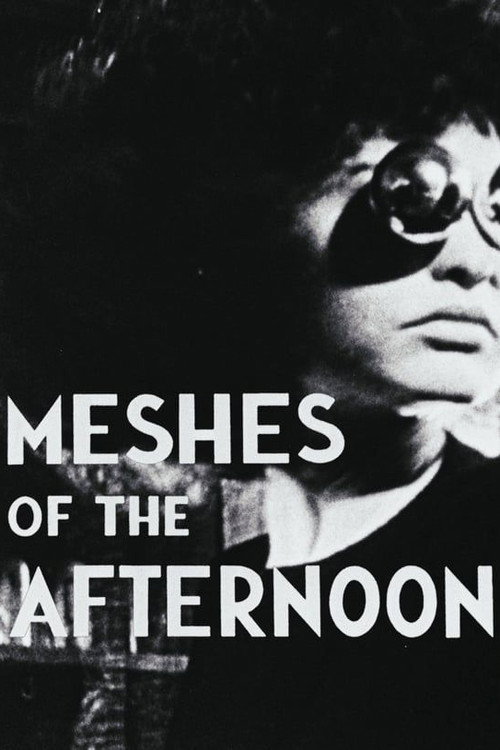
Meshes of the Afternoon1943
Deren's landmark experimental short uses repetition, mirrors, and fragmented action to build meaning from abstraction. If you want to understand where poetic cinema comes from, start here—it's only 14 minutes, and hypnotic.
But It's very short and very abstract. If you're expecting conventional narrative or character, you'll wonder what you're watching for the entire duration.
Memories of Murder2003
Bong Joon-ho's masterpiece is grounded in narrative and character, but uses found footage, fragments, and layered memory to build something deeper than plot. Accessible entry to how collage can work within genre.
But It's a serial killer thriller set during South Korea's dictatorship. Bleak, violent, and morally exhausting—nothing uplifting here, and the ending won't satisfy.

Hiroshima Mon Amour1959
Resnais uses fragmented editing, layered sound, and non-linear structure to explore memory and desire. Poetic and formally innovative but built on a real emotional and political foundation.
But The screenplay is dense with allusion and philosophy. If you need emotional clarity or forward momentum, you'll feel adrift. Requires active engagement.
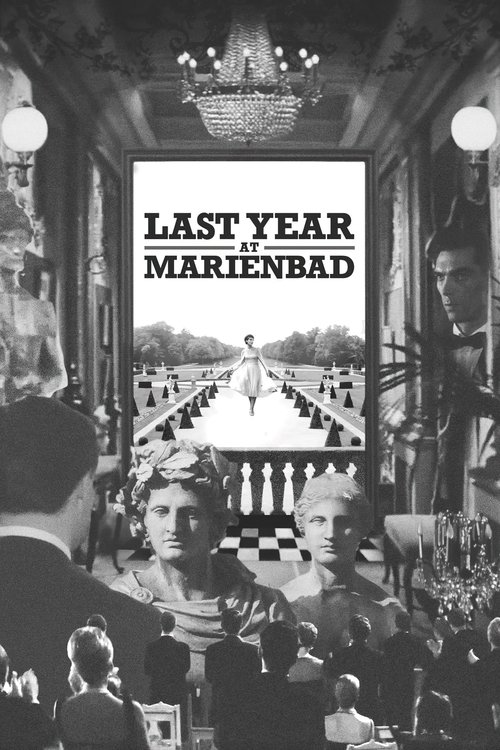
Last Year at Marienbad1961
Resnais and Robbe-Grillet create a labyrinth of narrative loops, found architecture, and ambiguous memory. Formally radical and endlessly rewatchable—each viewing reveals new patterns.
But Plot is deliberately impossible to parse. You may spend two hours watching something and never feel certain what happened. Some find it brilliant; others find it pretentious.
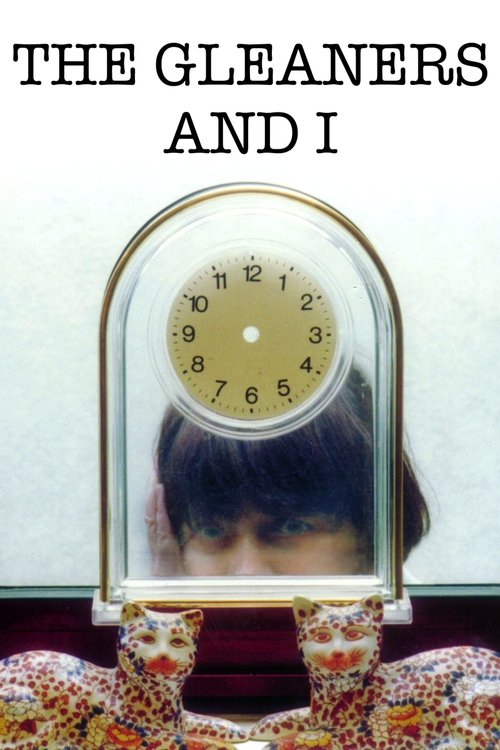
The Gleaners and I2000
Varda's essayistic documentary mixes found images, archival footage, and personal digression to think about waste, value, and art. Warm and curious where others are austere—a gentler entry to poetic collage cinema.
But It meanders by design. There's no argument being built, just thoughts accumulating. If you need clear structure or conclusions, this approach can feel aimless.
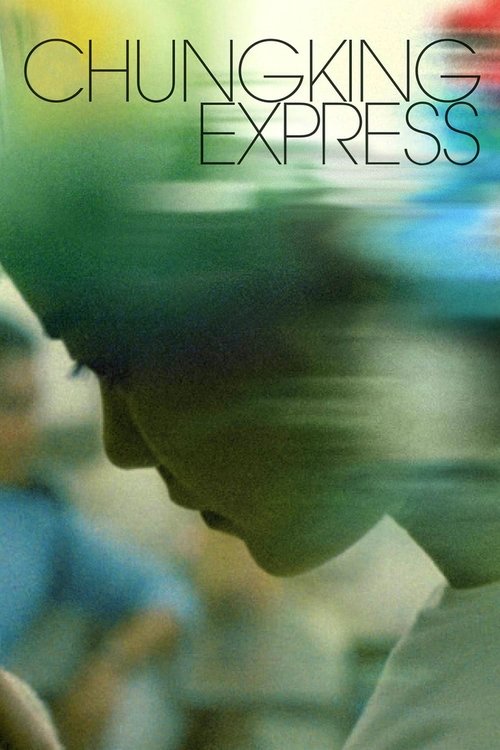
Chungking Express1994
Both filmmakers treat cinema as an assemblage of moments, sounds, and images that don't need to cohere into conventional narrative to create meaning. Both prize texture and poetry over explanation.
Wong Kar-wai's romantic film-poem uses fragmented editing, rapid cuts, overlaid images, and temporal loops to capture the feeling of urban loneliness and longing. It's a collision-piece like Léon's, but one that radiates emotion instead of distance.
But It's oblique about narrative and emotional payoff. If you're watching for plot resolution or character clarity, you'll be frustrated. The film cares more about mood and image than coherence.
People
Directing
- Pierre LéonDirector
Recommended by
The Alchemists of Sound, A Band Called Death, The Triumph of the Nerds: The Rise of Accidental Empires, Modulations