
Film
Letter from Siberia
- Slow-burning
A philosophical essay-film about Siberia that unfolds through voiceover, montage, and stark imagery. Chris Marker's masterpiece finds poetry in permafrost and contradiction—tradition wrestling modernity, human ambition against vast indifference. It's meditative, formally inventive, and deeply strange. For viewers hungry for cinema that thinks in pictures rather than words.
If you liked this
Sans Soleil1983
Marker's supreme achievement: a globe-trotting meditation on memory, politics, and the human face. Fragments of Japan, Guinea-Bissau, Iceland woven into something like a dream. Essential viewing for anyone moved by Letter from Siberia.
But The structure is deliberately oblique. It moves by association, not argument. Patience is non-negotiable; confusion is part of the deal.

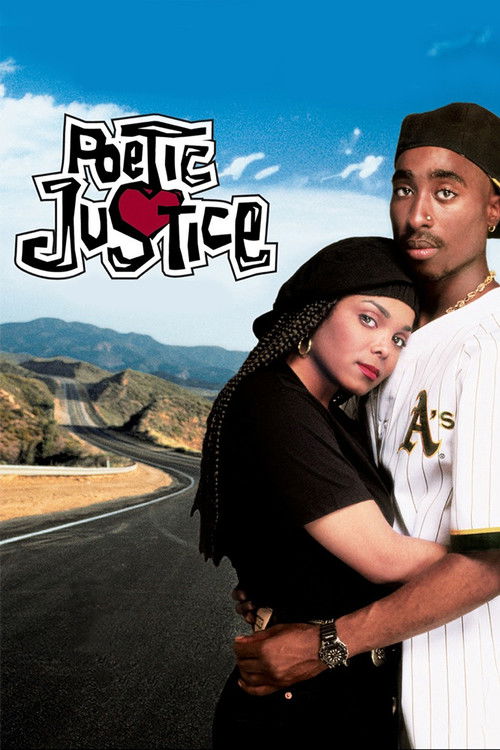
Poetic Justice1993
A documentary about the relationship between cinema and poetry, with rare footage of experimental filmmakers at work. It captures that same essayistic, image-first way of thinking that makes Marker singular.
But Very French, very theoretical. If you want straightforward information, this will frustrate you. It asks you to feel cinema, not explain it.
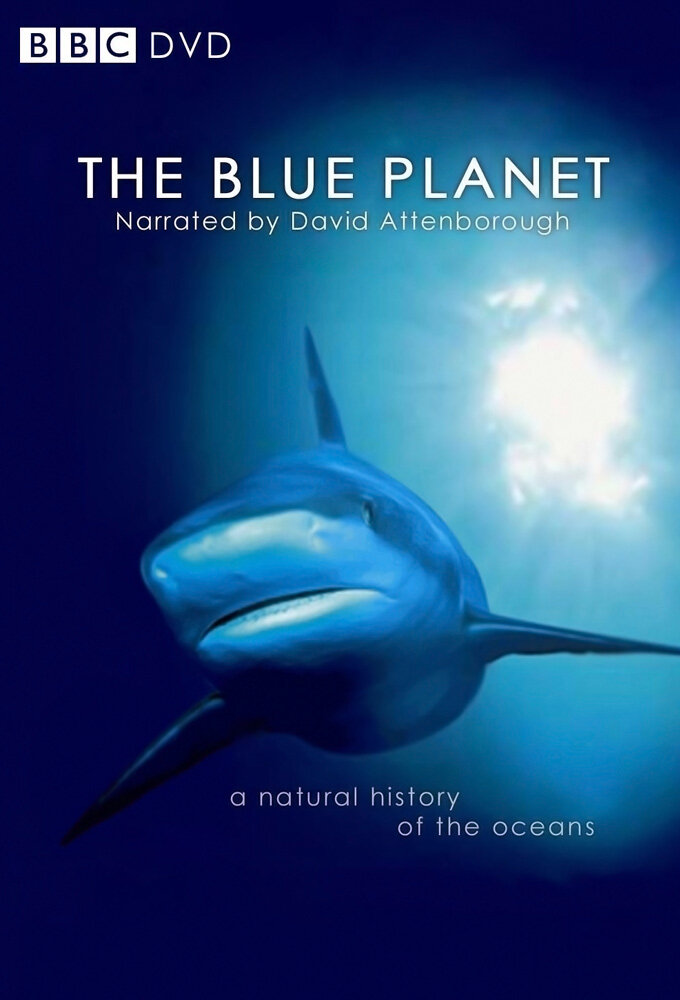
The Blue Planet2001
Attenborough's narration guides us through deep ocean footage that was genuinely unseen before. It has Marker's sense of wonder at the unfamiliar world, rendered in naturalistic form. Hypnotic and humbling.
But It's a nature documentary. If you're allergic to the genre's conventions—or to whales—skip it.
Not sure tonight? Get a pick in a minute, starting from Letter from Siberia
The wildcard
Something you would not have found on your own.
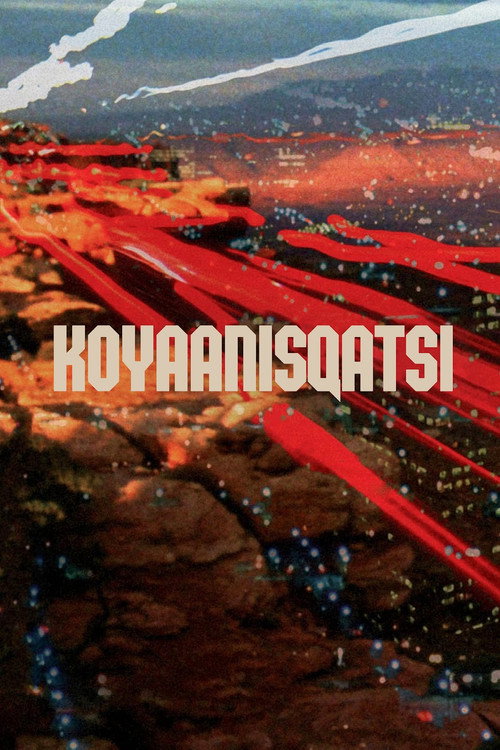
Koyaanisqatsi1983
Both films find profound meaning in pure observation. Neither needs to tell you what to think. Both suggest that looking deeply at the world—Siberia or America—reveals something transcendent about how we live.
No dialogue, no plot—just time-lapse photography of American landscapes and cities set to Philip Glass's trance-inducing score. It's visual meditation on modernity, humanity's scale, the rhythm of the world. Totally different form, identical philosophical DNA to Letter from Siberia.
But Wordlessness and repetitive music will send some viewers to sleep. Others find it pretentious rather than profound. You have to surrender to it completely.
More like this (6)
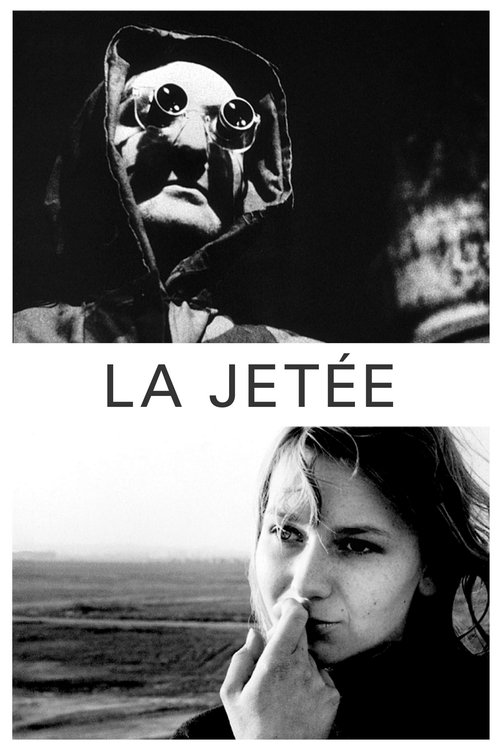
La Jetée1962
Marker's masterpiece of visual storytelling using still photographs and haunting voiceover. About time, memory, and human connection. Twenty-eight minutes that changed cinema. If you loved Letter from Siberia, this is mandatory.
But Almost entirely composed of static images. Some find it cold or inaccessible rather than meditative.
Tokyo Story1953
Ozu's quiet masterpiece about an elderly couple visiting their son in postwar Tokyo. Like Marker, it finds profound human meaning in observation. Compositionally perfect and deeply moving.
But The pacing is glacial. The emotional register is muted. If you need plot momentum, look elsewhere.

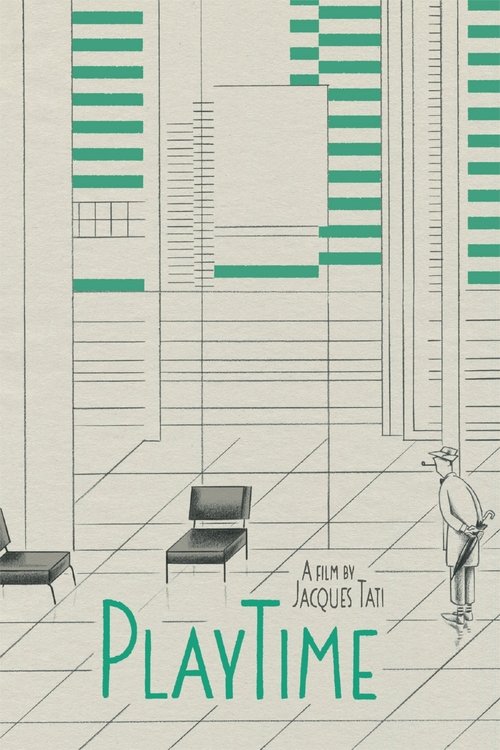
PlayTime1967
Tati's visual symphony of modern urban life. No voiceover—just the world observed with extraordinary precision and humour. A completely different approach to the essay-film, but with Marker's fascination with how we live now.
But Two hours of widescreen observation without a strong narrative hook. The humour is gentle and architectural rather than laugh-out-loud.
The Act of Killing2012
A documentary that uses re-enactment and theatrical performance to explore mass violence in Indonesia. Formally daring and philosophically complex. Marker would recognize its refusal of easy answers.
But Deals with real atrocity and genocide. The formal playfulness feels ethically perilous to some. Not easy viewing and shouldn't be.

Night and Fog1956
Alain Resnais's thirty-minute essay on the Holocaust. Like Marker, it uses voiceover, archival material, and montage to reach for the unreachable. A monument to what documentary can do.
But Confronts unspeakable horror. The restrained formal approach makes it harder, not easier, to watch.

Come and See1985
Both films ask: what happens when you truly look at the world? But where Marker finds philosophy and contradiction, Klimov finds horror. Both refuse to look away. Both believe cinema has a moral obligation to witness.
Elem Klimov's visceral film about a Belarusian boy's journey through the Nazi invasion. Formally operatic, morally devastating. It's documentary impulse—raw, unflinching observation of reality—filtered through narrative cinema. A mirror held to human cruelty.
But One of cinema's most brutal films. Not a meditation like Marker—it attacks. Violence, suffering, degradation on screen. Not for everyone, and shouldn't be treated lightly.

People
Cast
 Georges RouquierNarrator
 Chris MarkerStargazer (uncredited)