
Film
Moonwalk One
- Slow-burning
Theo Kamecke's hypnotic 1972 documentary captures the Apollo 11 mission through NASA footage, archival material, and global reactions. It's less interested in the mechanics of spaceflight than in what moonwalking meant—spiritually, politically, philosophically. A meditation dressed as reportage, scored with period music and hushed narration. For anyone who feels the weight of that moment.
If you liked this
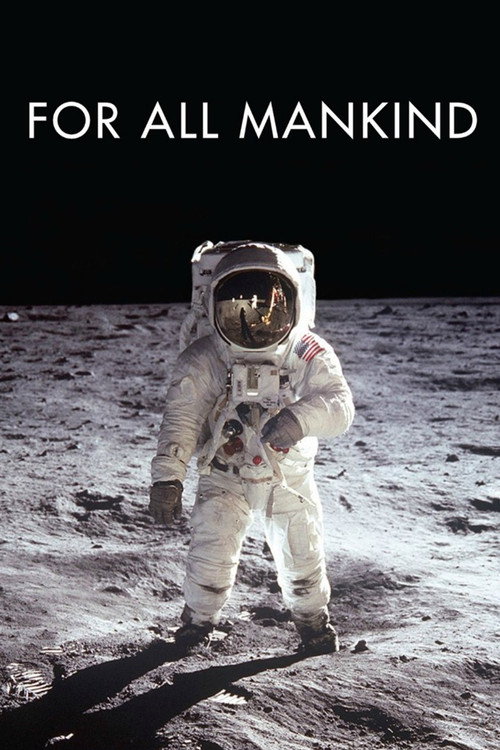
For All Mankind1989
Al Reinert's masterwork assembles NASA footage into a poetic, almost wordless account of the entire Apollo program. It captures the same sense of awe and cosmic vertigo as Moonwalk One, but with more scope and even greater visual splendor.
But Nearly two and a half hours, and the lack of conventional narrative might test your patience if you want context or personality.
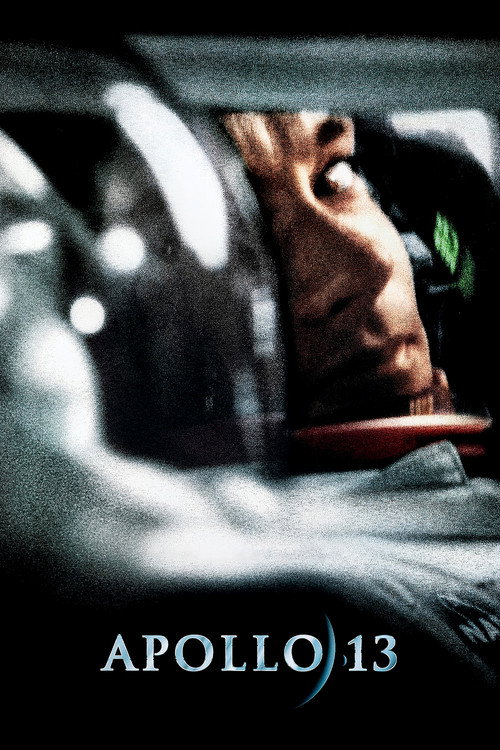
Apollo 131995
Spielberg and Howard nail the human drama underneath the technical achievement—the fear, the problem-solving, the families waiting. It's the emotional inverse of Moonwalk One: intimate where the documentary is cosmic.
But Hollywood drama, so it smooths and simplifies. If you want pure unmediated history, this polishes it.
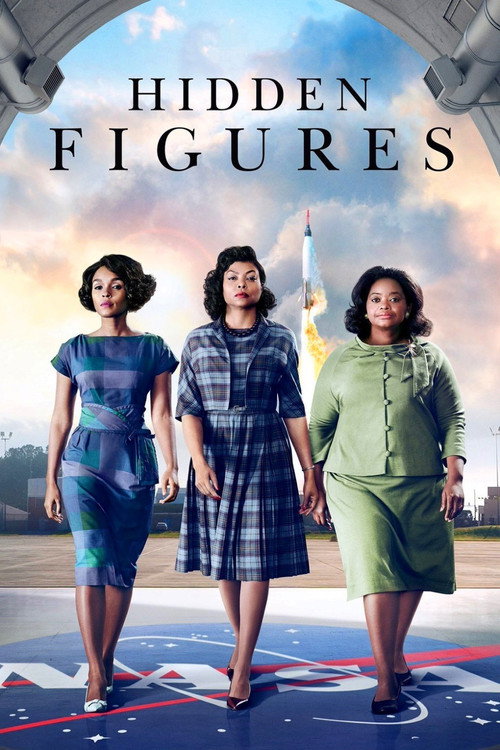
Hidden Figures2016
Tells the story of the Black women mathematicians whose invisible labor made Apollo possible. Same era, same mission infrastructure, but it centres the voices the original footage erased. Complementary and necessary.
But Ensemble cast movie with romance subplot. Less concerned with the philosophical weight Moonwalk One pursues.
Not sure tonight? Get a pick in a minute, starting from Moonwalk One
The wildcard
Something you would not have found on your own.
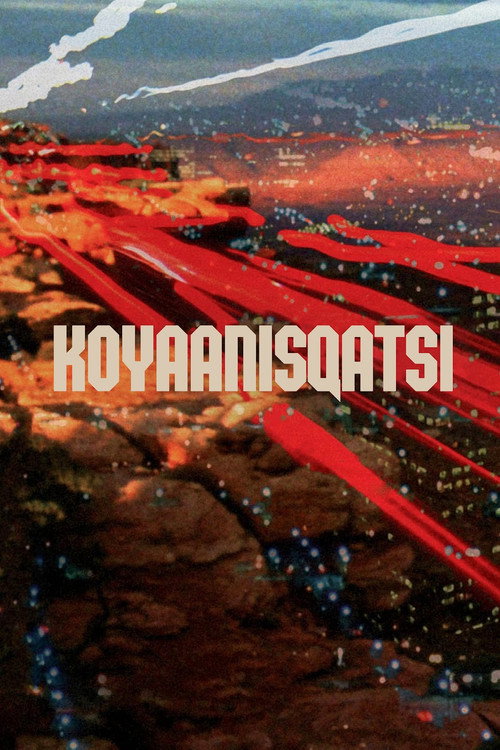
Koyaanisqatsi1983
Both are unmistakably 70s films that use footage as meditation rather than explanation. Both ask: what does it mean to see the Earth from outside it? Both trust the image to carry the thought.
Godfrey Reggio's experimental film pairs abstract time-lapse cinematography with Philip Glass's hypnotic score to examine technology and human systems. Like Moonwalk One, it's about witnessing something vast and asking what it means. No narration, pure visual philosophy.
But Deliberately slow and abstract. No narrative, no people, no plot. If you need a conventional story, this will feel like punishment.
More like this (7)
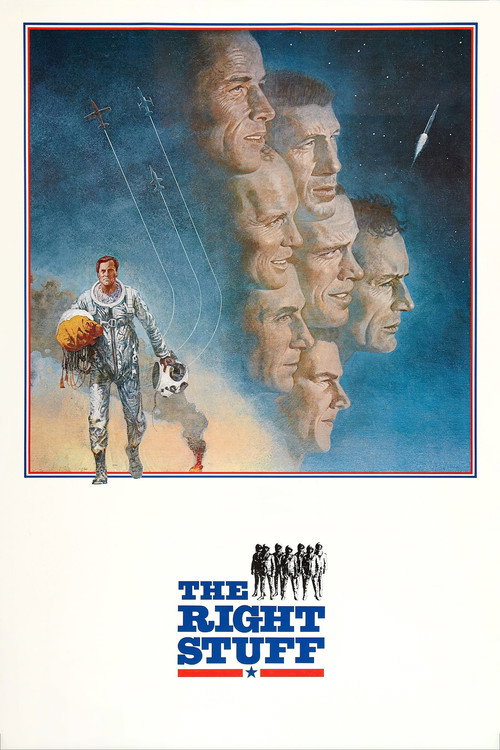
The Right Stuff1983
Kaufman's epic traces the space program from test pilots through Mercury and Gemini to Apollo. It understands that the moon shot didn't happen in a vacuum—it's the culmination of a whole culture and its obsessions.
But Nearly three hours, and bounces between multiple stories. Episodic rather than meditative.
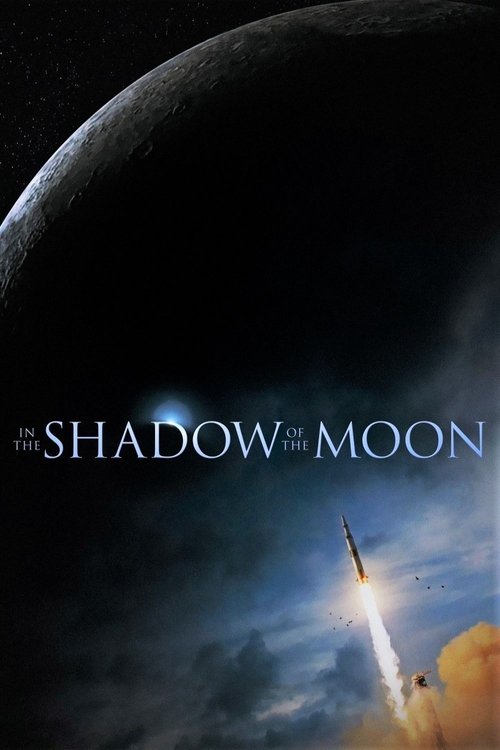
In the Shadow of the Moon2007
The astronauts themselves—Aldrin, Collins, and others—reflect on what the mission meant to them in hindsight. A later conversation with the men Moonwalk One documented as they were living it.
But Shorter and more conventional than Moonwalk One. Some interviews feel well-trod ground.
Paris Has Fallen2024
National Geographic's eight-part series mixes archival material with modern re-enactment and expert analysis. Gives you the technical story Moonwalk One skips over, without losing the sense of occasion.
But Re-enactments pull the focus away from the real footage. Episodic structure fragments rather than builds.
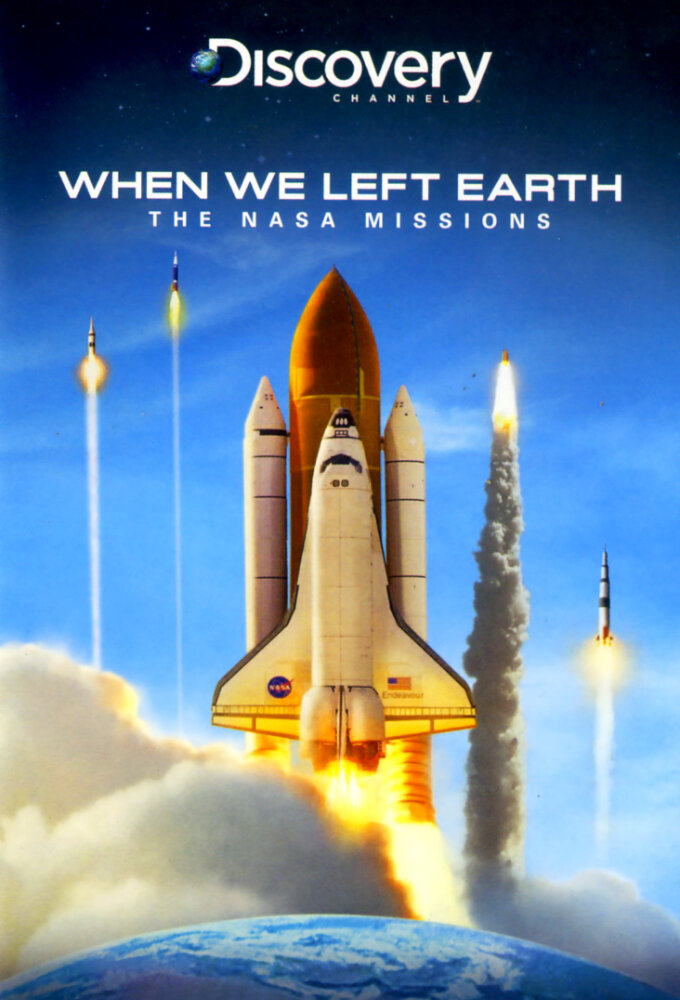
When We Left Earth: The NASA Missions2008
Discovery Channel's well-crafted three-part documentary uses NASA footage and interviews to chronicle the entire space program. It's accessible and moves briskly, hitting all the landmarks.
But More of a primer than a meditation. It explains things rather than lets you sit with them.
Failure Is Not an Option2003
Gene Kranz's autobiography adapted into this three-part HBO documentary gives you the control room perspective—the people sweating in real time while the world watched. A different angle on the same event.
But Focused on mission operations rather than the cultural moment. Narrower in scope than Moonwalk One's global view.
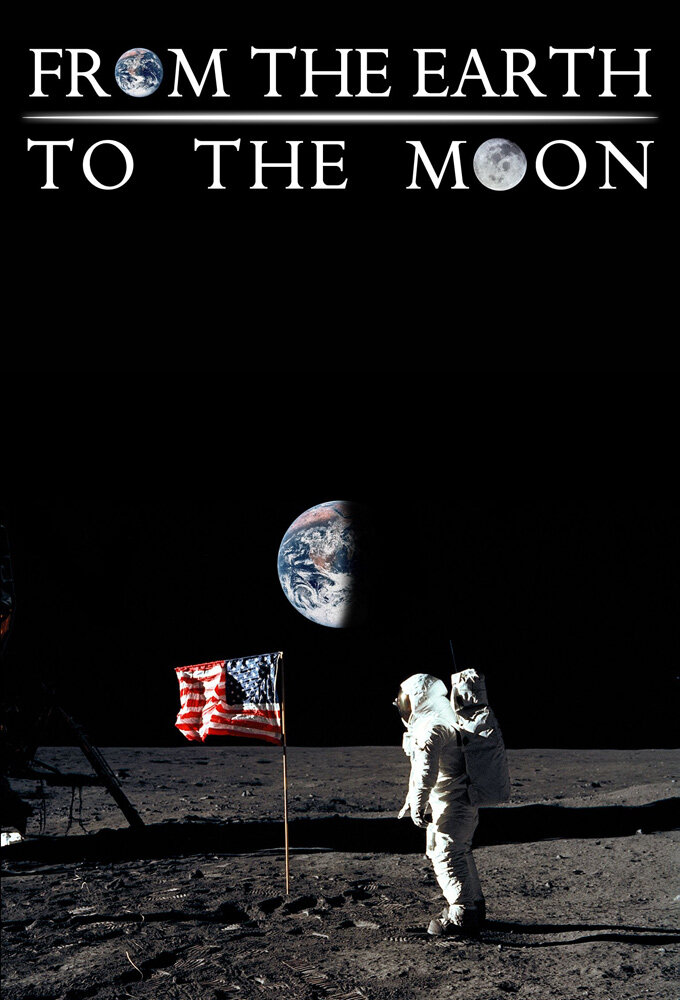
From the Earth to the Moon1998
Spielberg and Hanks' twelve-part HBO series dramatizes the entire Apollo program with genuine affection for the people involved. Each episode is its own story, giving you entry points wherever you land.
But Dramatization means invented dialogue and emotional beats. It's less about what actually happened than what it felt like.
Letter from Siberia1957
Both are avant-garde documentaries that use narration and montage as argument. Both understand that footage isn't neutral—how you frame it asks the question; the image provides the answer.
Chris Marker's short essay film narrates the same footage three times with different tones—official, critical, poetic—to ask what truth really is in documentary. Watch it, then rewatch Moonwalk One with its narrative choices in mind. Brilliant game.
But Very short (twelve minutes) and experimental. Feels more like a thought experiment than entertainment. May feel slight if you go in expecting a story.

People
Cast
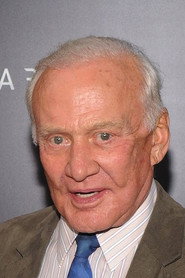 Buzz AldrinSelf
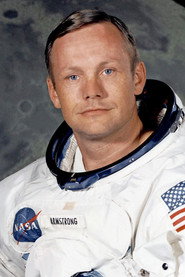 Neil ArmstrongSelf
- Michael CollinsSelf
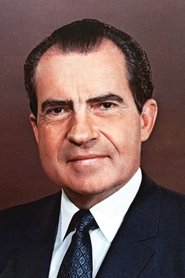 Richard NixonSelf
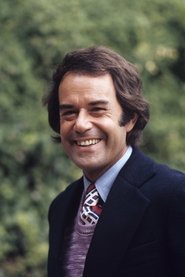 Laurence LuckinbillNarrator
Directing
- Theo KameckeDirector
Writing
- E.G. ValensWriter