
Film
For All Mankind
Al Reinert stitches decades of NASA footage into one composite voyage, narrated by the astronauts themselves years later. There's no host, no talking heads, no politics — just liftoff, weightlessness, and the moon rising through a hatch, scored by Brian Eno's ambient hum. It's less a history lesson than a meditation: the closest most of us will ever get to floating there ourselves.
If you liked this
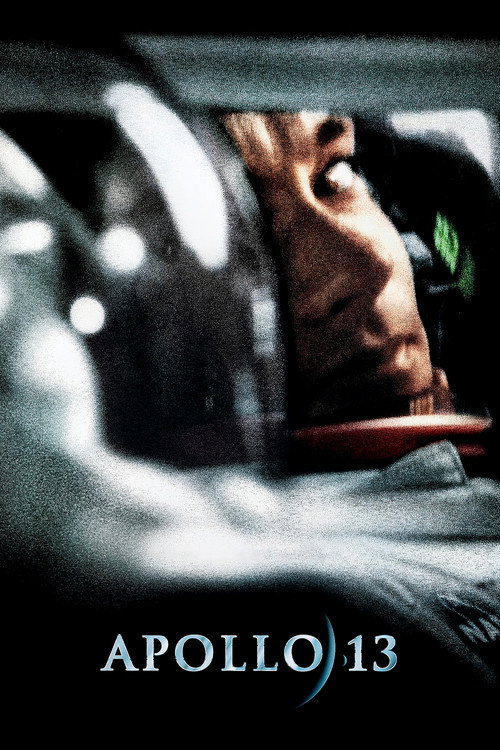
Apollo 131995
Ron Howard turns the drama the documentary skips over — a mission that nearly ends in disaster, and the frantic engineering that saves it — into a taut, propulsive thriller. It's the tension For All Mankind leaves out.
But It's Hollywood polish and a swelling score where Reinert offers silence and wonder — some purists find it too tidy.
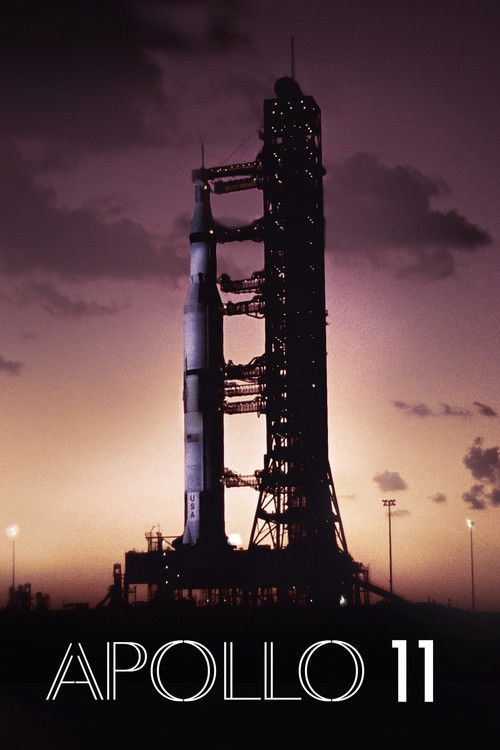
Apollo 112019
Todd Douglas Miller's film uses only restored 65mm footage and mission audio, no added narration, no interviews — the closest sibling to For All Mankind, but locked to one mission's real-time countdown.
But If you've just watched one hypnotic archival space documentary, a second so soon can feel like more of the same.
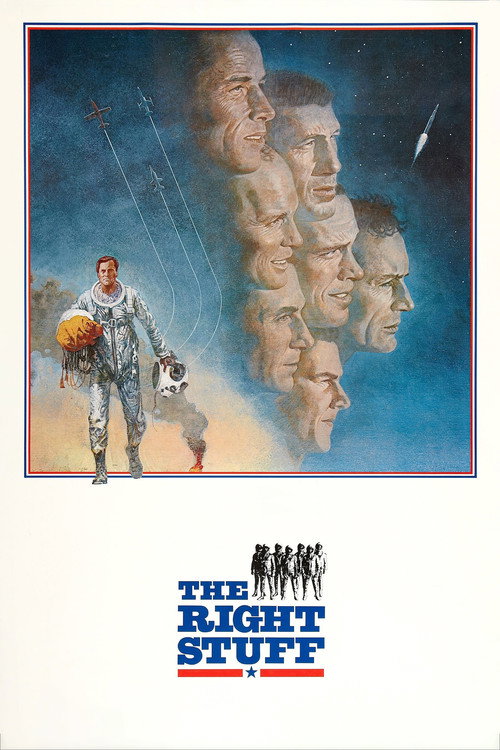
The Right Stuff1983
Before Apollo there was Mercury, and this swaggering, funny epic gives you the test pilots, the rivalries, and the media circus that built the culture Reinert's astronauts came out of.
But It's long, broad, and more interested in myth-making and swagger than the quiet, personal awe the documentary trades in.
The wildcard
Something you would not have found on your own.
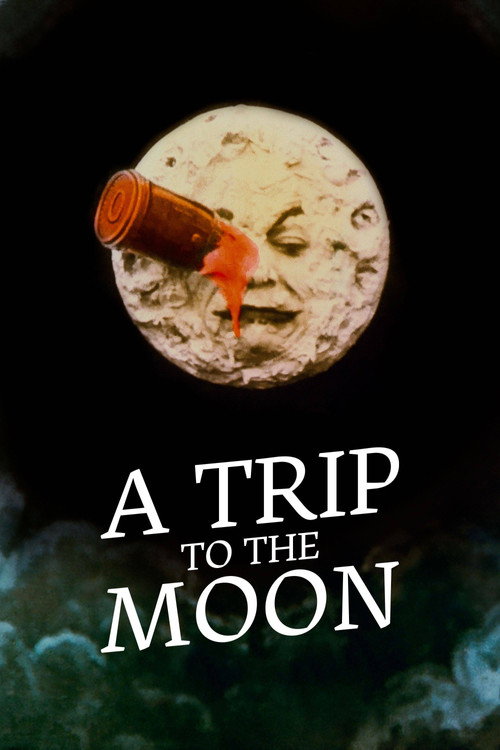
A Trip to the Moon1902
For All Mankind shows the real voyage; this is the fantasy that imagined it decades earlier, with the same wonder and none of the reverence.
Fourteen minutes, hand-tinted, gloriously silly — a rocket lands in the Man in the Moon's eye sixty-seven years before it happened for real. The first film to imagine this journey, made by a stage magician having the time of his life.
But It's a novelty short with title cards and theatrical effects, not a documentary — charming rather than moving.
More like this (6)
First Man2018
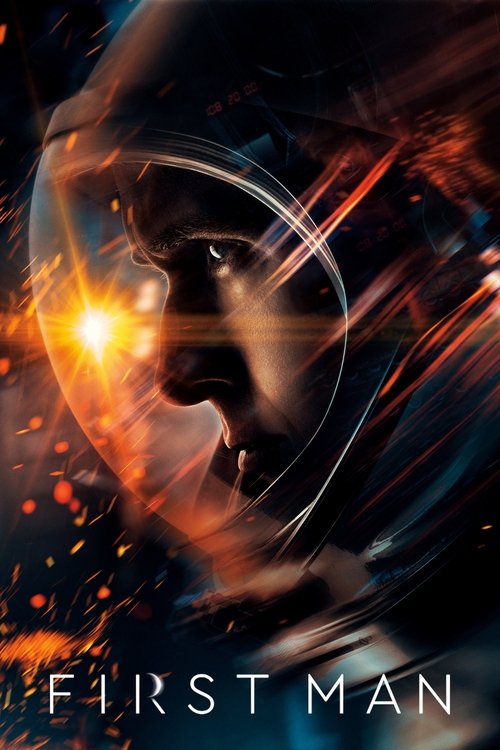
Chazelle's Armstrong biopic goes inward where the documentary stays cosmic — grief, marriage, the cost of the mission on the man who led it, shot with rattling, tactile immediacy inside the capsule.
But It's deliberately withholding and melancholic; if you want triumph, this film is more interested in what the triumph cost.
In the Shadow of the Moon2007
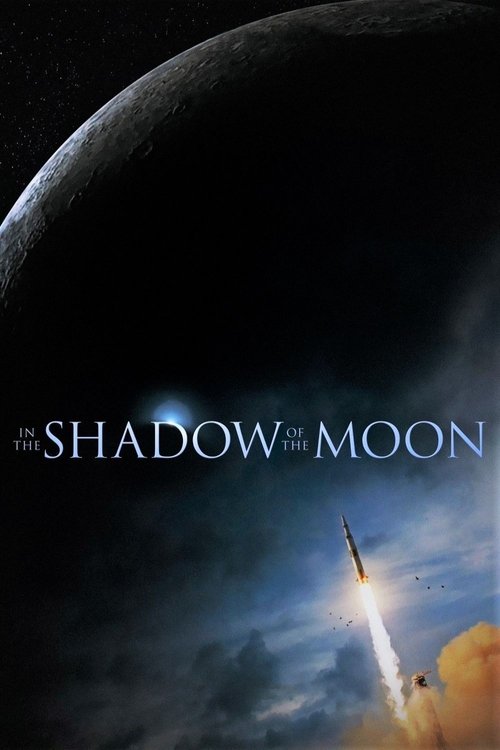
Surviving astronauts talk straight to camera decades on, funnier and more reflective than any mission-era voiceover, filling in the humanity Reinert's film only implies through silence.
But The talking-head structure is far more conventional — you lose the trance-like, uncommented feel that makes the original distinctive.
Hidden Figures2016
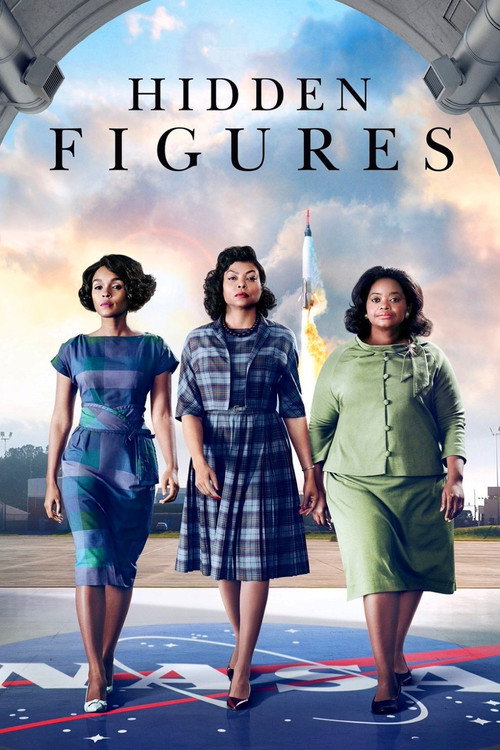
Shifts the vantage point entirely, to the Black women mathematicians whose calculations made the missions possible — a story the astronaut-narrated version of this history never had room for.
But It's a warm, crowd-pleasing biopic rather than a meditation; the tone and pace are miles from Reinert's hush.
When We Left Earth: The NASA Missions2008no page yet
A six-hour deep dive through Mercury, Gemini and Apollo with restored footage and blunt interviews, built for anyone who finished the 80 minutes wanting ten times more detail.
But It's a completist's miniseries, not a poem — closer to a history channel special than an art film, and a real time commitment.
Koyaanisqatsi1983
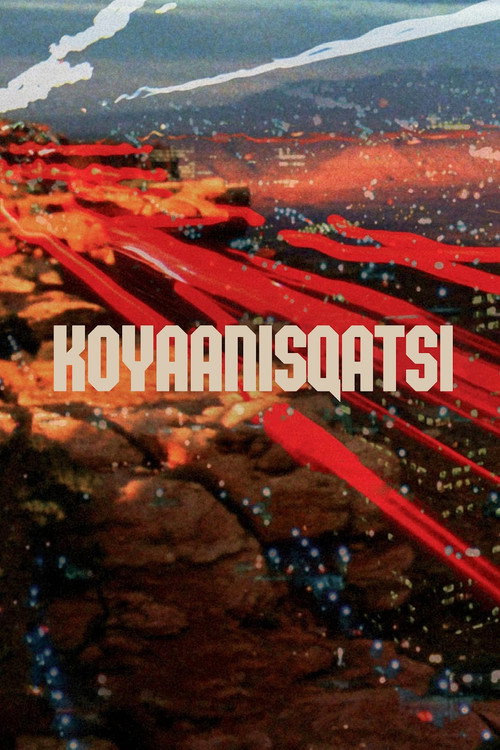
Both strip out commentary entirely and let composite footage and music carry all the meaning — one about leaving the planet, one about what we've done to it.
No dialogue, no narration, just relentless imagery set to Philip Glass's score — the same trust in pictures and music over explanation that makes Reinert's film hypnotic, aimed here at Earth instead of the moon.
But It's slower, stranger, and deliberately unsettling where the space footage is uplifting — a very different emotional temperature.
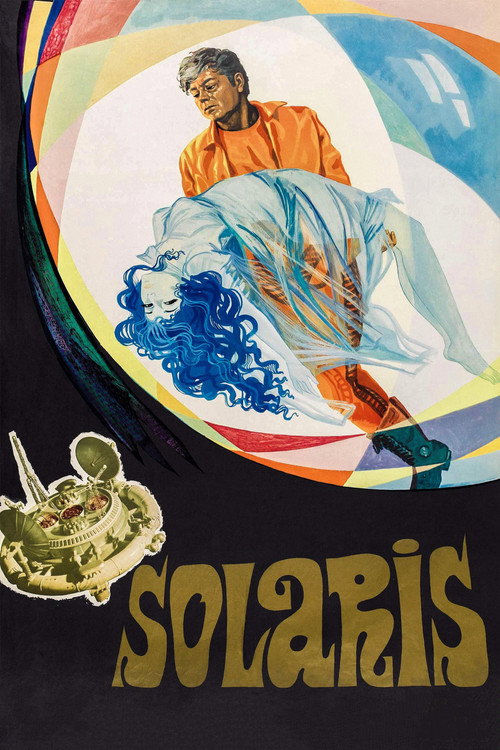
Solaris1972
Both treat space travel as a psychological, almost spiritual state; Solaris imagines the loneliness the real astronauts' calm voiceovers mostly leave unsaid.
A Soviet cosmonaut drifts in a station orbiting an alien ocean, and Tarkovsky lingers on weightlessness and isolation with the same patient awe Reinert brings to real footage — just turned toward dread instead of triumph.
But It's nearly three hours long, glacially paced, and deliberately opaque — a serious commitment for a payoff that's philosophical, not thrilling.
People
Cast
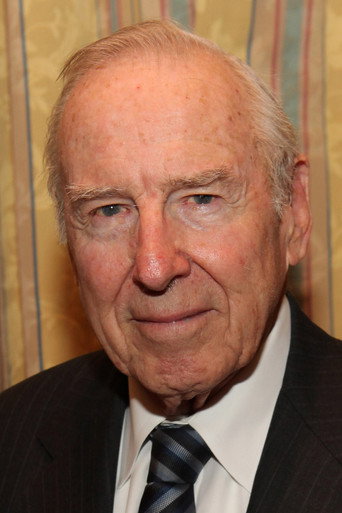 Jim LovellSelf - Narrator - Apollo 8, Apollo 13 (voice)
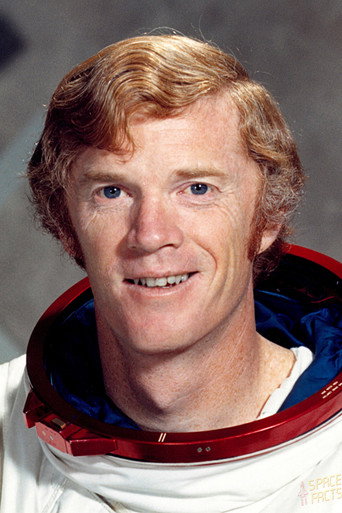 Russell SchweickartSelf - Narrator - Apollo 9 (voice)
- Eugene CernanSelf - Narrator - Apollo 10, Apollo 17 (voice)
- Michael CollinsSelf - Narrator - Apollo 11 (voice)
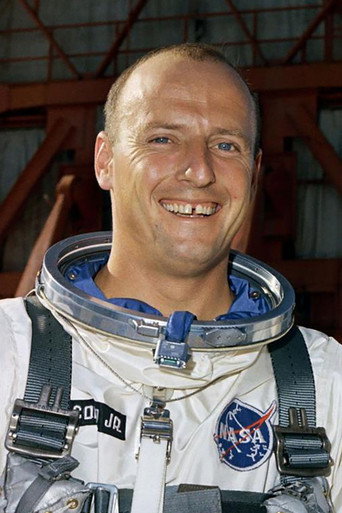 Charles ConradSelf - Narrator - Apollo 12 (voice)
- Richard GordonSelf - Narrator - Apollo 12 (voice)
- Alan BeanSelf - Narrator - Apollo 12 (voice)
- Jack SwigertSelf - Narrator - Apollo 13 (voice)
- Stuart RoosaSelf - Narrator - Apollo 14 (voice)
- James IrwinSelf - Narrator - Apollo 15 (voice)
- Ken MattinglySelf - Narrator - Apollo 16 (voice)
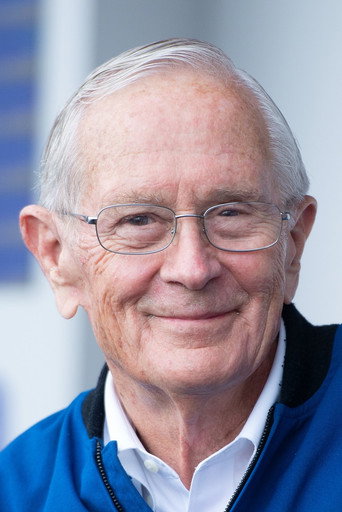 Charlie DukeSelf - Narrator - Apollo 16 (voice)
Directing
- Al ReinertDirector
Production
- Jonathan TurellAssociate Producer
- David W. LeitnerCo-Producer
- Ben Young MasonExecutive Producer
- Fred MillerExecutive Producer
- Al ReinertProducer
- Betsy Broyles BreierProducer
Recommended by
Star Trek: The Motion Picture, Apollo 11, First Man, In the Shadow of the Moon, Ad Astra, Dark Star, October Sky