
Film
A Trip to the Moon
"A Trip to the Moon" is the ur-text of science-fiction cinema: fifteen minutes of hand-painted trickery, papier-mâché moon-men, and one iconic rocket-in-the-eye shot that's outlived a century of imitators. It's theatrical, silent, and gleefully unconcerned with plausibility — more magic act than movie. Watch it as film history or as fifteen minutes of pure, uncynical wonder.
If you liked this
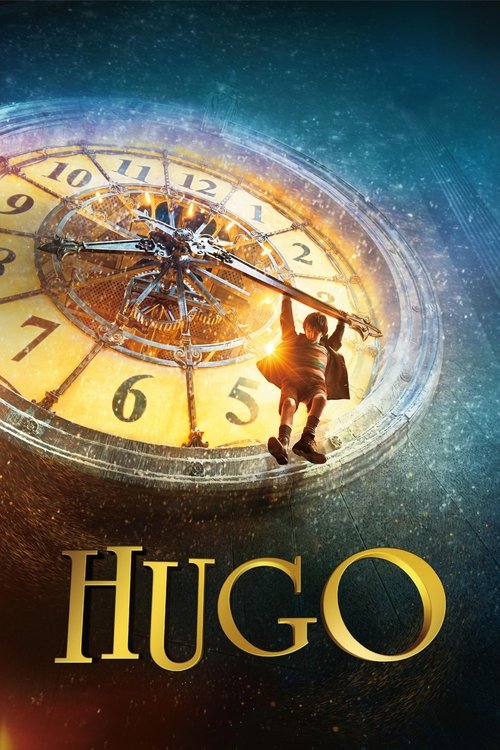
Hugo2011
Scorsese built an entire film around Méliès's life and this exact rocket-in-the-eye image, recreating his studio and his showmanship with genuine reverence — it's the best explanation you'll get for why a fifteen-minute trick film still matters.
But It's a gentle, sentimental family film about nostalgia for early cinema, not a thrill ride — younger viewers may find it slow.
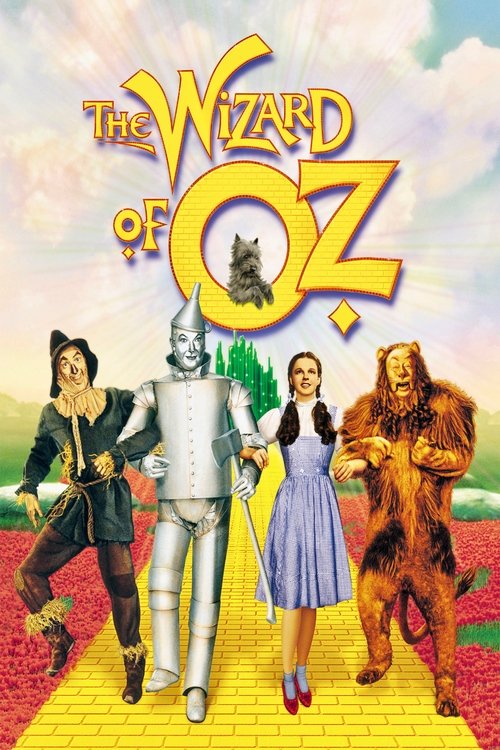
The Wizard of Oz1939
Same theatrical wonder and handmade artifice — painted skies, practical monsters, a journey into a frankly bonkers other world — showing exactly how Méliès's stagecraft became the founding grammar of studio fantasy.
But You've almost certainly seen it already, probably several times, so the surprises are all sentimental rather than new.
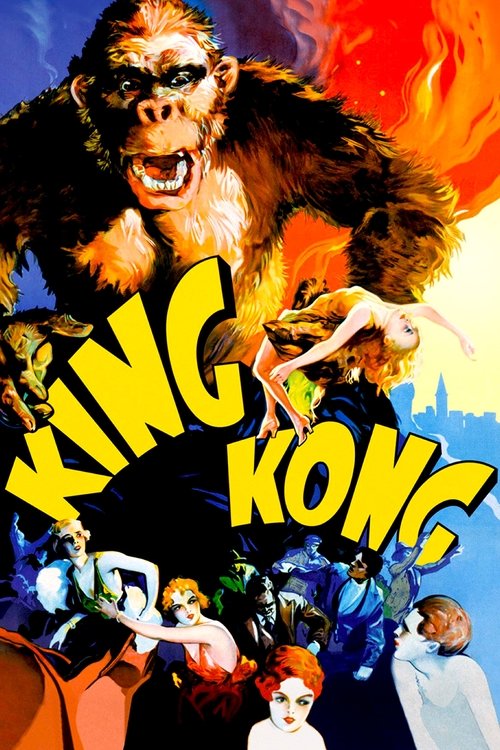
King Kong1933
Explorers venture into an unknown, monster-filled land using astonishing-for-their-time effects — the same reckless scientific curiosity meeting something it didn't expect, just with a bigger budget and a bigger ape.
But The pacing creaks, some attitudes are very much of 1933, and the effects, however groundbreaking, look their age now.
The wildcard
Something you would not have found on your own.
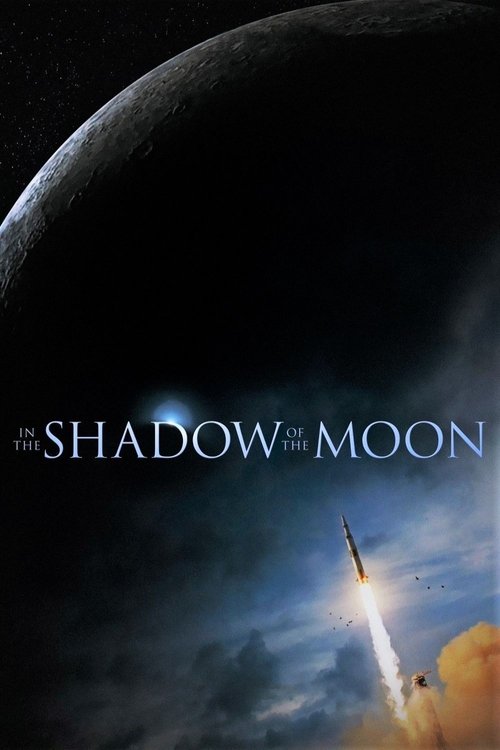
In the Shadow of the Moon2007
Méliès dreamed up the trip in a Paris studio; this is the moment sixty-seven years later when it actually happened, told by the people who lived it.
Real Apollo astronauts, in their own words, describe the actual voyage Méliès only imagined — the awe, the fear, the impossible view of Earth from space, no special effects required.
But Purely factual and reflective; there's no cannon, no moon-men, no slapstick, just measured, occasionally emotional interviews.
More like this (8)
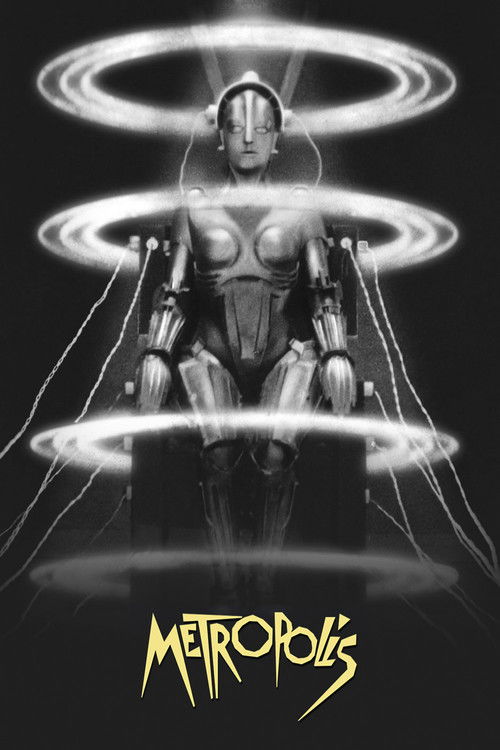
Metropolis1927
A vast, visionary silent spectacle that proves the trick-film imagination Méliès pioneered could scale up into full studio ambition — expressionist sets, astonishing miniatures, a director dreaming as big as the format allowed.
But Nearly two and a half hours of silent melodrama with a fairly simple message — it demands real patience.
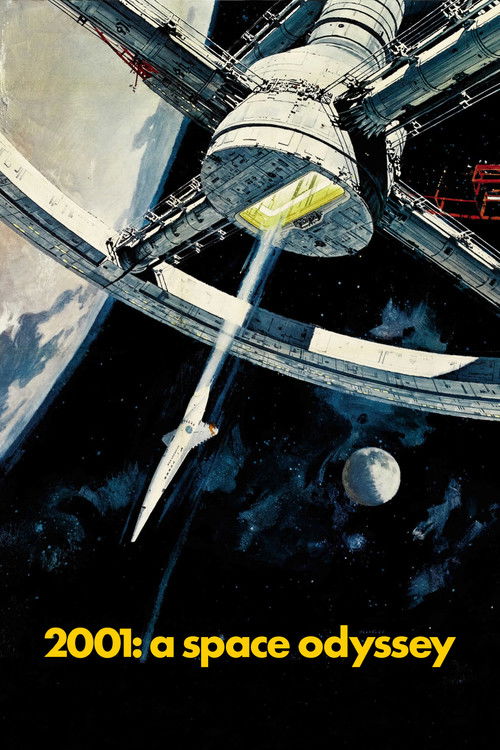
2001: A Space Odyssey1968
The opposite temperament entirely: another trip to the moon, but slow, serious, and awestruck rather than comic, showing just how far the imagery of "man reaches the moon" travelled in sixty-six years.
But Deliberately glacial, nearly wordless for long stretches, and more interested in transcendence than plot — it will test some viewers.
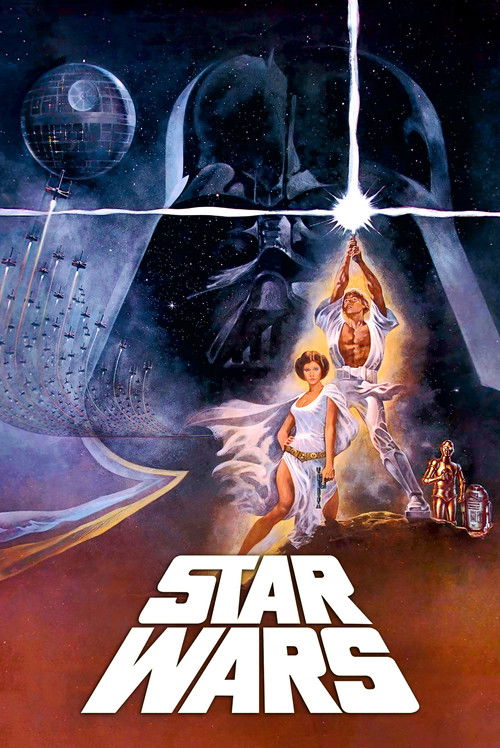
Star Wars1977
Pure, unembarrassed sense-of-wonder space adventure, built on practical effects and matte paintings in the same handmade tradition — proof the spirit of theatrical trickery never really left cinema, it just got bigger.
But You've seen it, everyone's seen it, and its influence is now so total it can feel less like a discovery than homework.
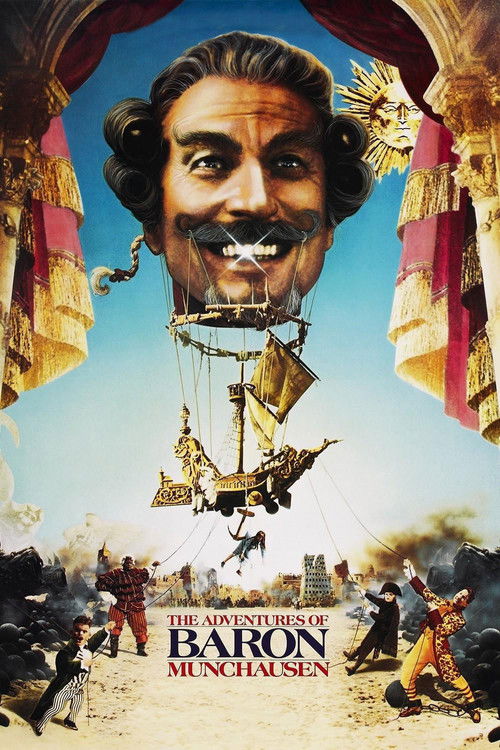
The Adventures of Baron Munchausen1988
Terry Gilliam's gloriously theatrical tall tale, full of handmade fantastical effects and a gleeful disregard for physics or plausibility — the closest modern cinema has to Méliès's own showman's delight in the impossible.
But Chaotic, overstuffed, and divisive — some find it a joyous mess, others just a mess.
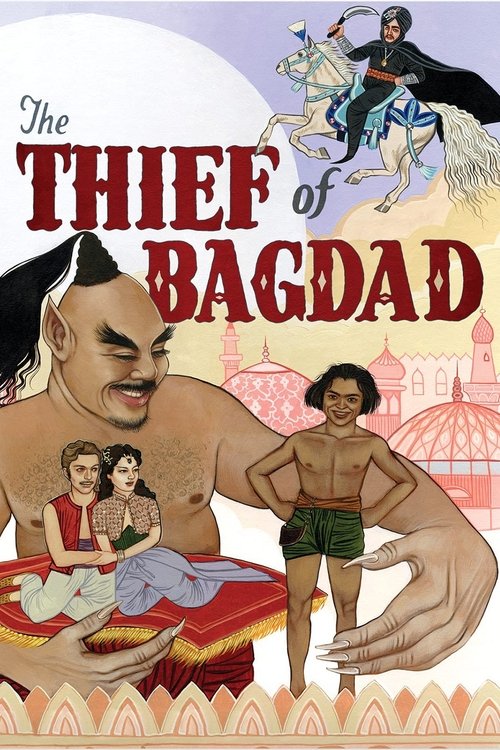
The Thief of Bagdad1940
Lush Technicolor fantasy adventure with genuinely magical matte-painting effects, flying carpets, and a giant genie — a direct descendant of the trick-film tradition Méliès helped invent, just with a bigger budget and a proper story.
But Its colonial-fantasy exoticism has aged badly, and its pacing is gentler and slower than modern adventure films.
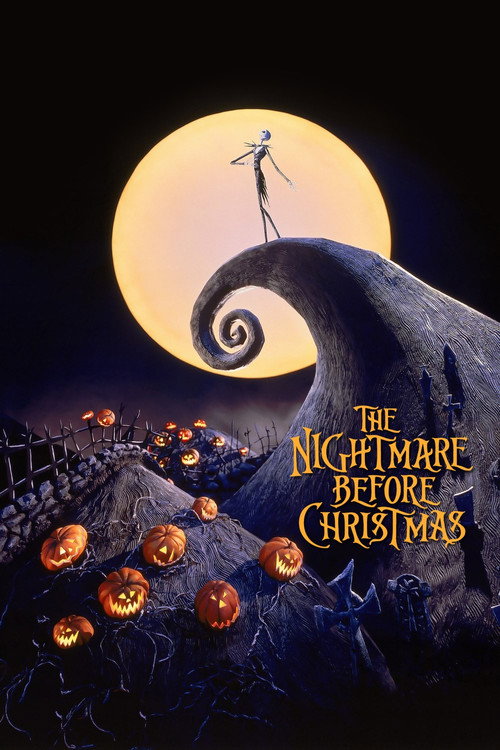
The Nightmare Before Christmas1993
Stop-motion, handcrafted, and dreamlike in a way that echoes Méliès's own DIY magic — proof the same impulse to build impossible worlds by hand survives, just in a different medium and a much stranger register.
But It's a gothic musical, not a comedy or an adventure — the tone and songs won't be for everyone.
Apollo 182011no page yet
Strip out the comedy and the cannon and you're left with the same bones — explorers, lunar caves, something waiting inside them — just filmed as nightmare instead of vaudeville.
Same premise almost beat for beat — astronauts land on the moon, poke around in the dark, discover something in the craters that shouldn't be there — but played dead straight as horror.
But It's a cheap, jittery found-footage horror movie with mixed reviews and jump scares rather than wit; don't expect craftsmanship.
Aelita: Queen of Mars1924no page yet
A direct descendant of Méliès's trick photography and stagecraft, showing how quickly his silent-film sorcery got borrowed for ideology instead of jokes.
A Soviet silent epic made barely two decades later, using the same trick-film DNA — miniatures, expressionist sets, a dreamer who builds a rocket — but turning the fantasy into political allegory rather than comic spectacle.
But Nearly two hours, heavier on Soviet melodrama and social commentary than on moon-monster whimsy; patience required.
People
Cast
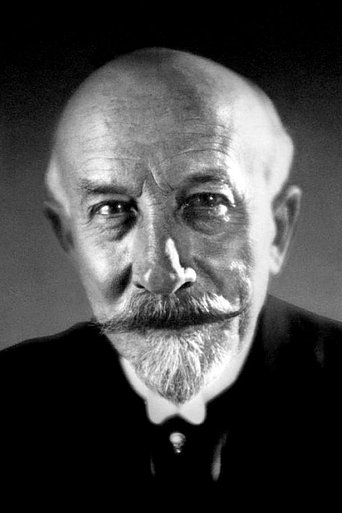 Georges MélièsProfesseur Barbenfouillis / La Lune
 Bleuette BernonPhoebe Déesse de la Lune
- François LallementL'officier de Marine / Commandant de la Base de Lancement
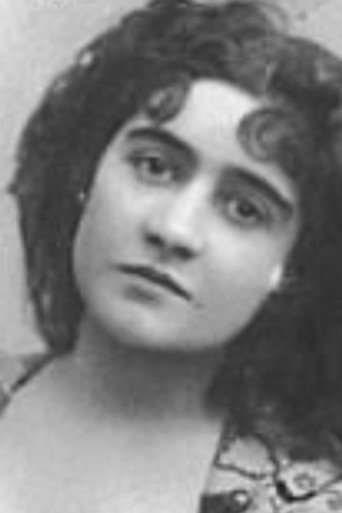 Jehanne d'AlcyLa Secrétaire / Une Étoile / Agent de Bord de la Fusée
- Henri DelannoyLe Pilote de la Fusée Lunaire
- Victor AndréUn Astronome et Spationaute
- BrunnetUn Astronome et Spationaute
- DepierreUn Astronome et Spationaute
- FarjautUn Astronome et Spationaute
- KelmUn Astronome et Spationaute
- Jules-Eugène LegrisLe Chef du Défilé
Directing
- Georges MélièsDirector
Writing
- Jules VerneNovel
- Georges MélièsScreenplay
Production
- Georges MélièsProducer
Recommended by
Apollo 11, In the Shadow of the Moon, The Wizard of Oz, Journey to the Center of the Earth, Hugo, For All Mankind, A Grand Day Out