
Film
Rocketship X-M
A 1950 space adventure where a moon-bound crew miscalculates and lands on Mars instead, discovering the ruins of a civilization destroyed by nuclear war. It's earnest, visually inventive sci-fi from the dawn of the atomic age—pulp-serious, with practical miniatures and genuine wonder. For anyone who loves early space exploration films or wants to see where these tropes began.
Should you watch it?
Watch it if you enjoy earnest 1950s space pulp where the science is confidently wrong and the mood runs closer to Cold War nerves than to spectacle.
Skip it if you want fast action or sleek effects, since the pace is leisurely and the trick work is visibly creaky by modern standards.
What it asks of you: Its 77 minutes move briskly but talky, with long stretches of crew debate and an earnest tone you have to meet halfway.
Not sure? Find tonight's pick in a minute.
If you liked this
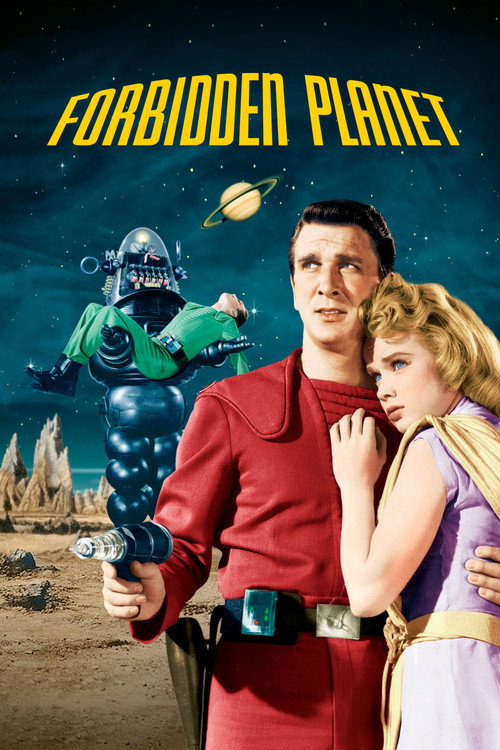
Forbidden Planet1956
The gold standard of 1950s sci-fi: a sleek starship, an alien planet, real production design that still impresses. It took the template Rocketship X-M helped establish and perfected it with Shakespeare and a robot.
But Much longer and more dramatically ambitious, which means it's also slower and more theatrical in ways that might feel dated.
The Thing from Another World1951
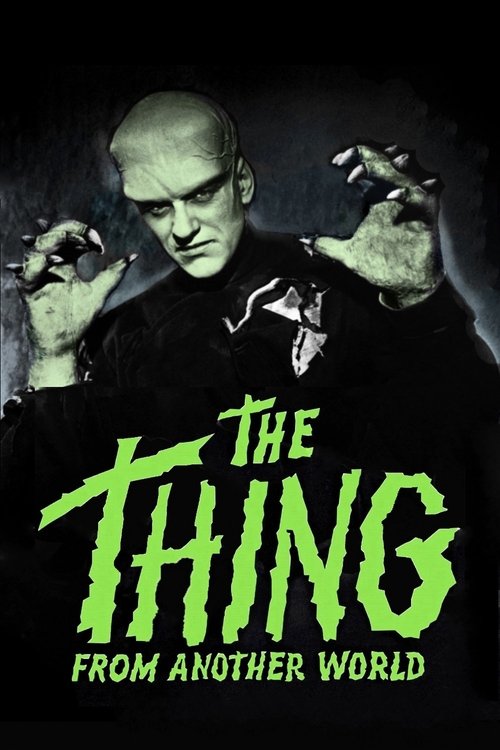
Same era, same atomic-age paranoia about what we might find out there. A tight, efficient thriller with genuine tension and practical creature effects that still unsettle.
But Darker in tone and more focused on horror than wonder. Less optimistic about first contact.
20 Million Miles to Earth1957
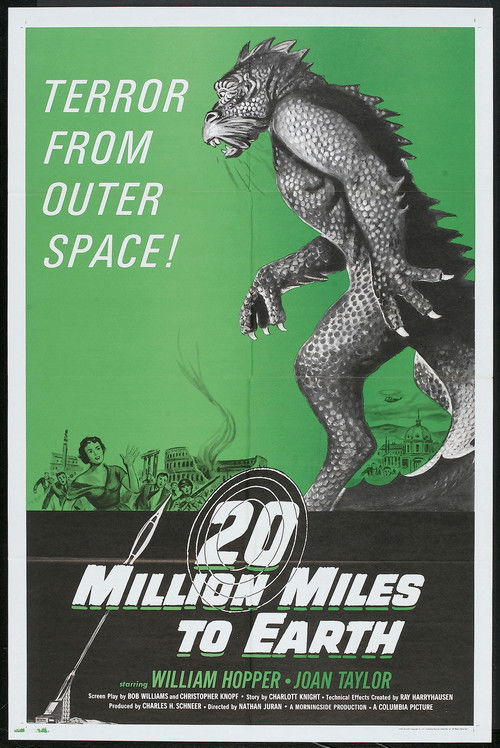
Another Venusian discovery gone wrong, with Ray Harryhausen stop-motion creatures and the same scrappy, can-do spirit. Colorful, fun, and visually inventive in a completely different way.
But Lighter and more monster-movie than philosophical. Less interested in the big questions.
Not sure tonight? Get a pick in a minute, starting from Rocketship X-M
The wildcard
Something you would not have found on your own.
A Trip to the Moon1902
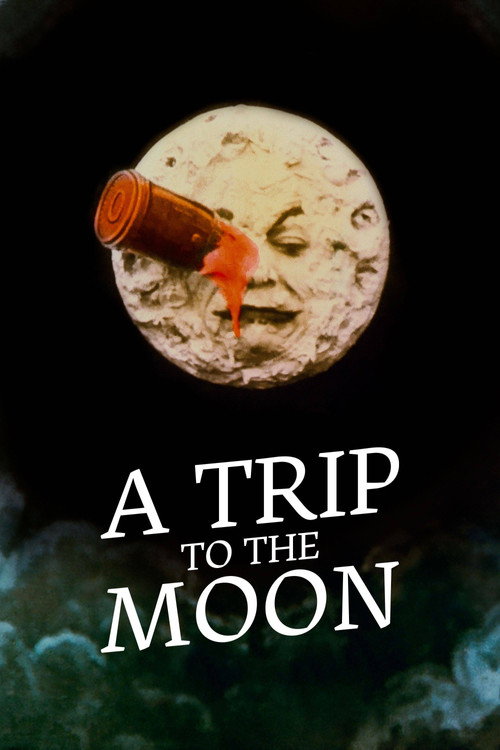
Both films treat space travel as a grand theatrical adventure built from available materials. Same spirit of 'let's see if we can do this,' same visual ingenuity within strict budgets, same childlike wonder at the cosmos.
Méliès' 14-minute silent masterpiece is the great-grandfather of all space fiction. Hand-painted color, theatrical sets, a man firing a cannon at the moon. It has everything Rocketship X-M has, but smaller and weirder.
But Silent film from 1902. If you've never watched early cinema, the pacing and acting style take adjustment. Very short—good news or bad depending on your patience.
More like this (8)
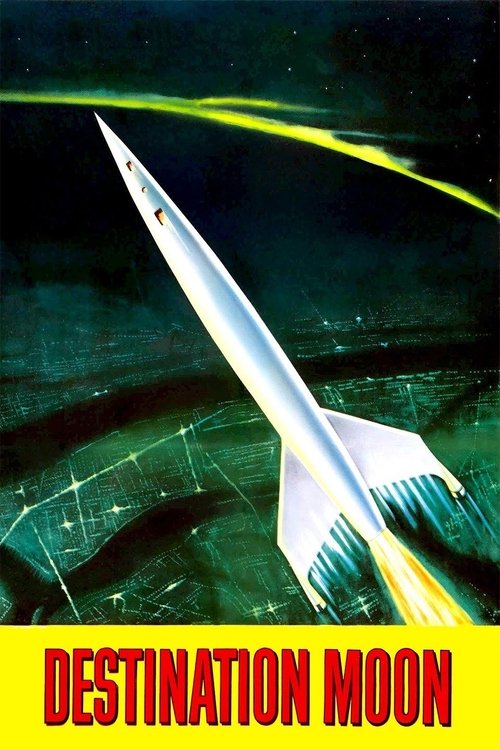
Destination Moon1950
Released the same year, this is the more scientifically rigorous take on space travel. Beautiful production design and a genuine sense of technical achievement. Worth comparing notes.
But Slower paced and more documentary-like. Long stretches of problem-solving with minimal dialogue can feel static.
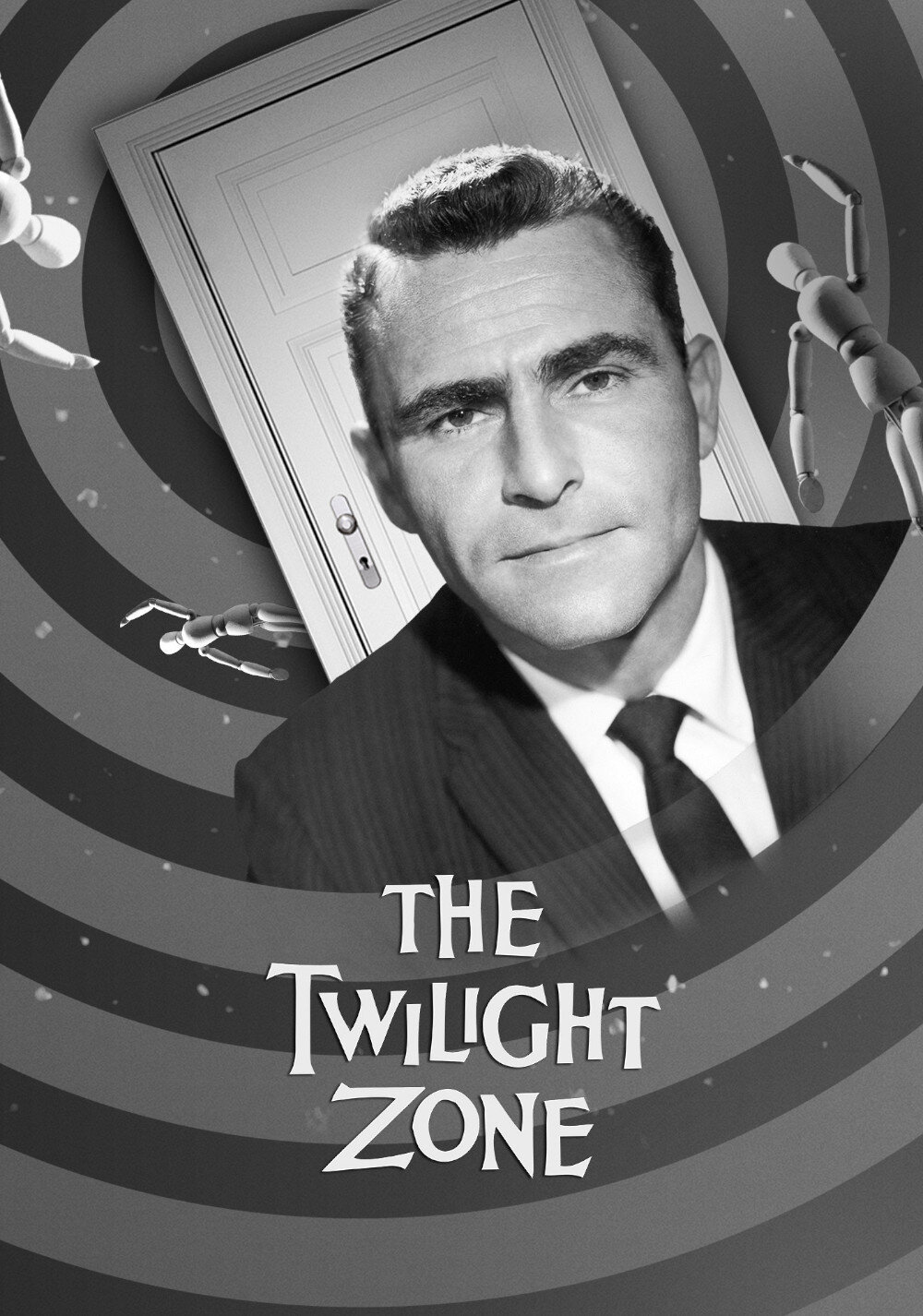
The Twilight Zone1959
Rod Serling's series captures that same 1950s sci-fi sensibility—atomic anxiety, philosophical twist endings, practical effects. Episodes like 'The Outer Limits' and 'A Stop at Willoughby' share the same DNA.
But Uneven. Some episodes are brilliant; others misfire. You'll need to pick and choose.
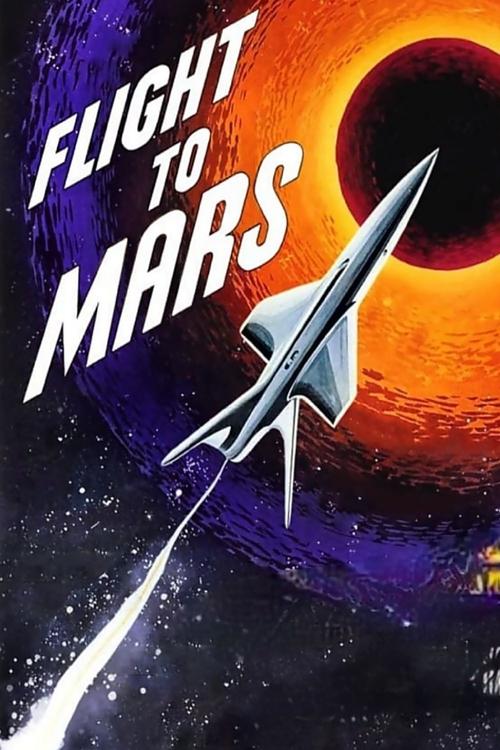
Flight to Mars1951
Another early Mars expedition with live Martians (friendlier than Rocketship X-M's). Colorful Cinecolor and optimistic 1950s engineering that's genuinely charming in its naiveté.
But Lighter and less thoughtful. More interested in adventure and romance than what Rocketship X-M's atomic metaphor really means.
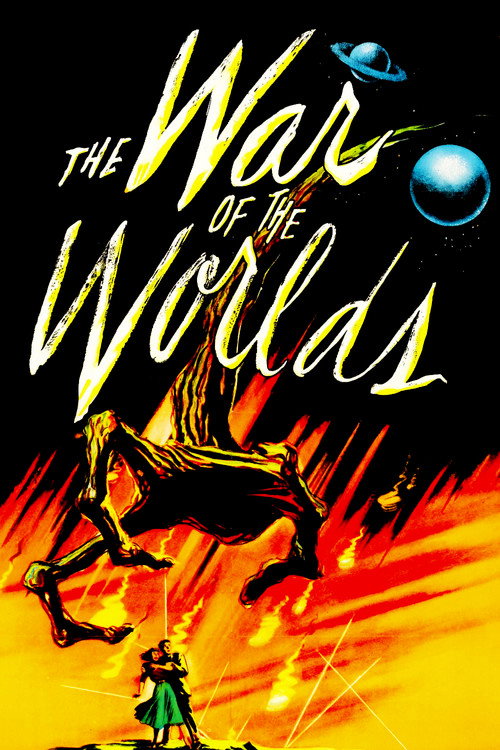
The War of the Worlds1953
Spielberg's War of the Worlds is slicker, but Haskin's 1953 version nails the atomic-age dread. Invading Martians instead of explorers, but the same existential fear about the unknown.
But Not really a space-exploration film. Shifts the focus entirely to invasion and earthside chaos.
Planet of the Apes1968
A later riff on the 'ancient civilization destroyed by war' concept, executed with much bigger budgets and a darker worldview. The twist still lands, and the makeup design is iconic.
But A different era entirely. Much more cynical and elaborate. Loses the scrappy ingenuity that gives Rocketship X-M its charm.

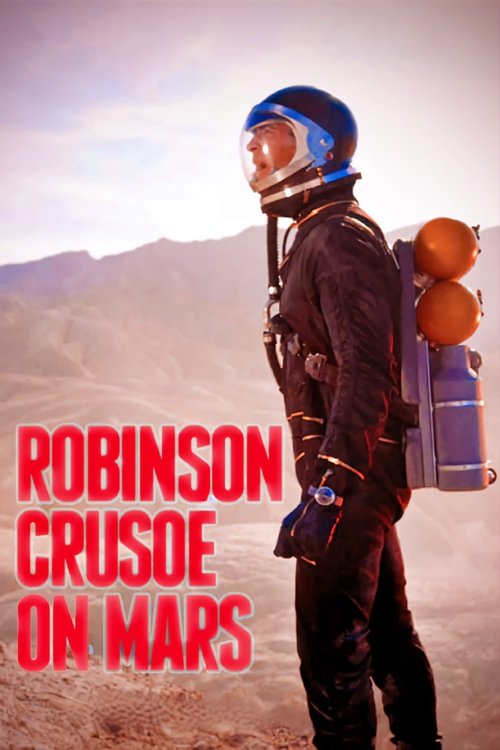
Robinson Crusoe on Mars1964
A lone astronaut stranded on Mars, improvising survival with 1960s ingenuity. Technicolor and practical effects with a genuine spirit of problem-solving and loneliness.
But Quieter and more meditative. Long stretches without other characters or dialogue. Some will find it slow.
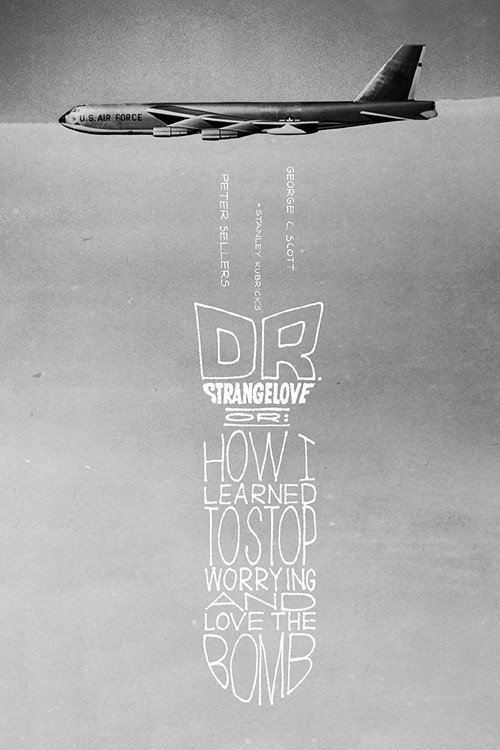
Dr. Strangelove or: How I Learned to Stop Worrying and Love the Bomb1964
Both are products of the atomic age working out their terror through SF. Where Rocketship X-M found ruins and asked 'could this be us?', Dr. Strangelove answers 'yes, absolutely, and we're idiots.' They're mirror images.
The flip side of Rocketship X-M's atomic anxiety—a pitch-black comedy about nuclear war as inevitable farce. Kubrick understood that era's terror better than anyone. Brilliant, harrowing, darkly hilarious.
But Deliberately harsh and deeply pessimistic. Not a film about wonder or exploration. Watching it is emotionally demanding rather than fun.
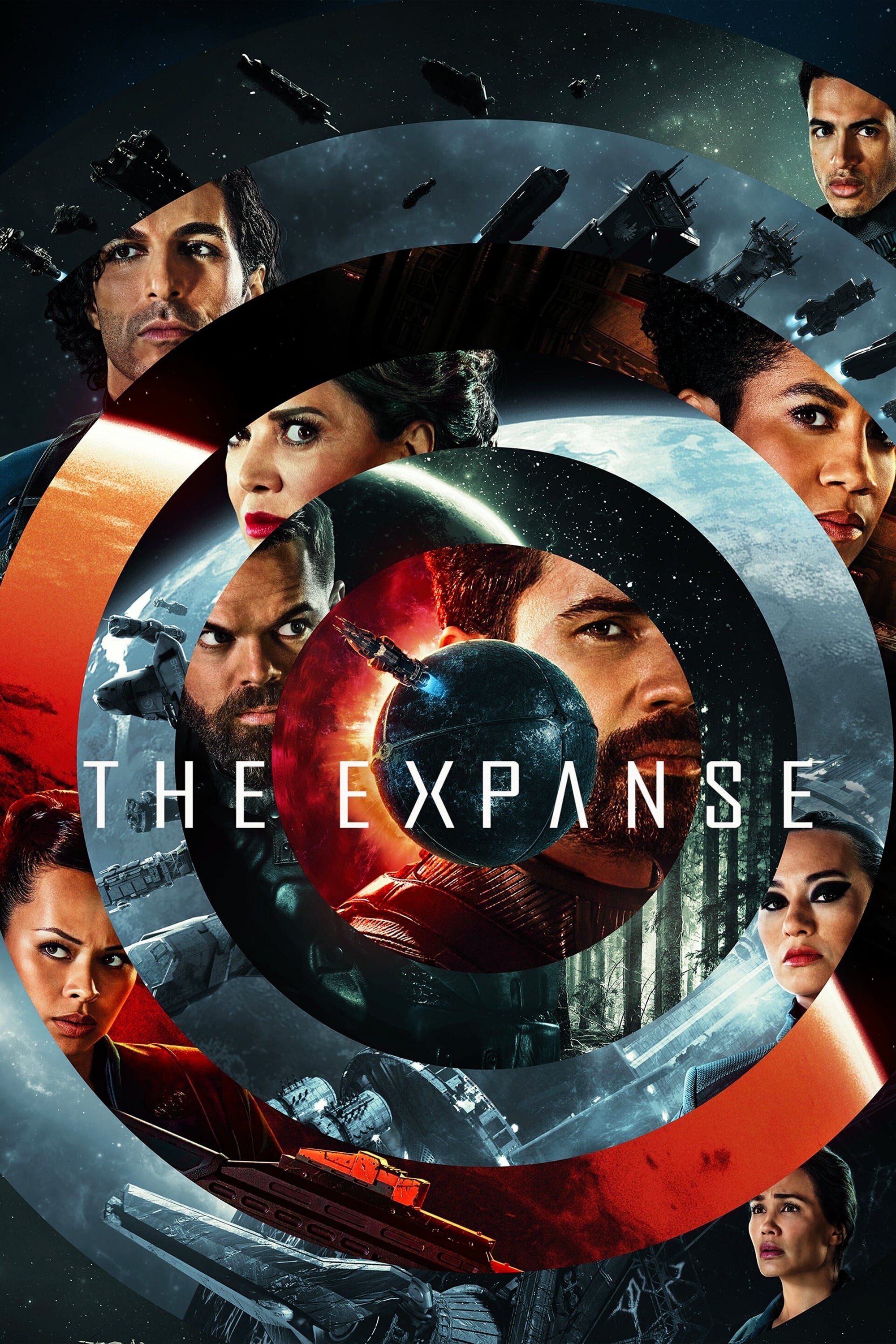
The Expanse2015
Same core belief: space exploration is fundamentally about ordinary people solving problems with limited resources, surrounded by unknown danger. The Expanse is what happens when that template gets HBO money and 60 episodes.
Modern space opera that treats physics seriously and builds character drama from isolation and survival. If you love the scrappy, can-do spirit of early space films but want modern production values and serialized storytelling.
But Three seasons on Amazon, then cancelled, then revived for three more—complicated viewing. Also dense, sprawling, and definitely requires paying attention to politics and tech.
People
Cast
 Lloyd BridgesColonel Floyd Graham
- Osa MassenDr. Lisa Van Horn
 John EmeryDr. Karl Eckstrom
 Noah Beery Jr.Major William Corrigan
 Hugh O'BrianHarry Chamberlain
 Morris AnkrumDr. Ralph Fleming
 Patrick AherneReporter #1
 Sherry MorelandMartian girl
- John DutraPhysician
 Kathy MarloweReporter
- Tom ColemanReporter (uncredited)
- James ConatyDoctor Taking Lisa's Blood Pressure (uncredited)
Directing
- Frank HeathAssistant Director
- Kurt NeumannDirector
Writing
- Orville H. HamptonDialogue
- Kurt NeumannWriter
Production
- Murray LernerExecutive Producer
- Kurt NeumannProducer
- Betty SinclairProduction Manager
- Mike MatneyProduction Manager
Recommended by
Robot Monster, Destination Moon, When Worlds Collide, Flight to Mars, The Flying Saucer, Jungle Jim, King Dinosaur