
Film
Destination Moon
Destination Moon is a 1950 space-race drama about American scientists and engineers launching the first crewed lunar mission. It's earnest, technically minded, and obsessed with plausible engineering—watching characters solve real problems with 1950s ingenuity. Made before satellites existed, it's a fascinating artifact of how seriously people imagined space travel, and it still carries genuine tension.
Should you watch it?
Watch it if you love the patient, procedural pleasure of watching engineers and officers argue over fuel figures and hardware until a dream starts to look buildable, with 1950s optimism in its craft.
Skip it if you want spacewalks, rocket spectacle or fast cutting; much of the runtime is talk, blueprints and bickering among men in suits, and the drama is quiet and dated.
What it asks of you: Ninety-one minutes of mostly sober, earnest talk: it builds its case step by step, so it rewards patience more than it rewards a racing pulse.
Not sure? Find tonight's pick in a minute.
If you liked this
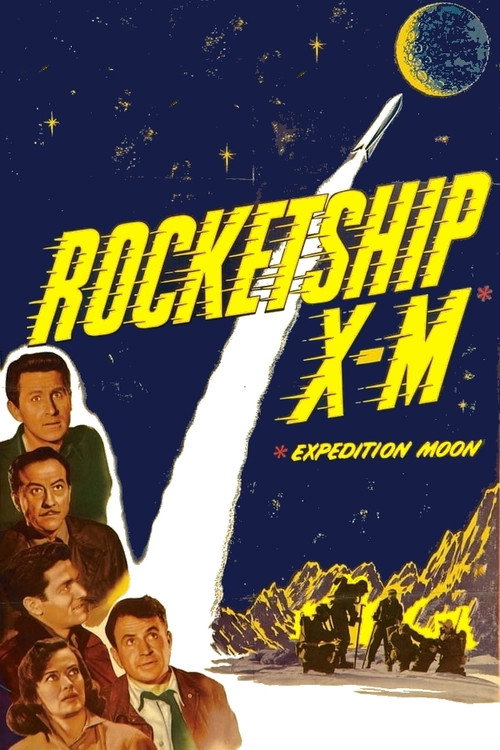
Rocketship X-M1950
Released the same year as Destination Moon, this rival lunar film is scrappier and weirder, with a plot that veers into martian discovery and mystery. It's fascinating to see two different visions of the space age compete.
But The budget shows. Effects are cheap, pacing is uneven, and the science is far looser than its competitor.
2001: A Space Odyssey1968
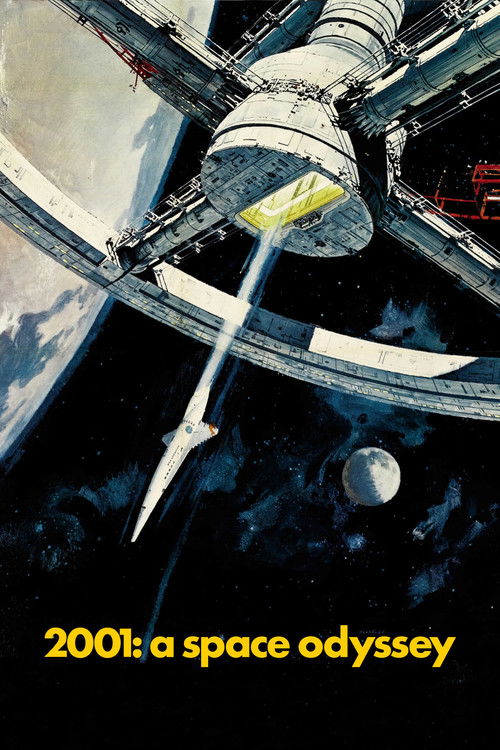
Kubrick's epic redefined how cinema could portray space travel—methodical, grand, and philosophically ambitious. If you loved Destination Moon's focus on the mechanics and grandeur of space, this is the logical endpoint.
But It's glacially paced, cryptic, and demands patience. Some find it cold and impenetrable.
The Right Stuff1983
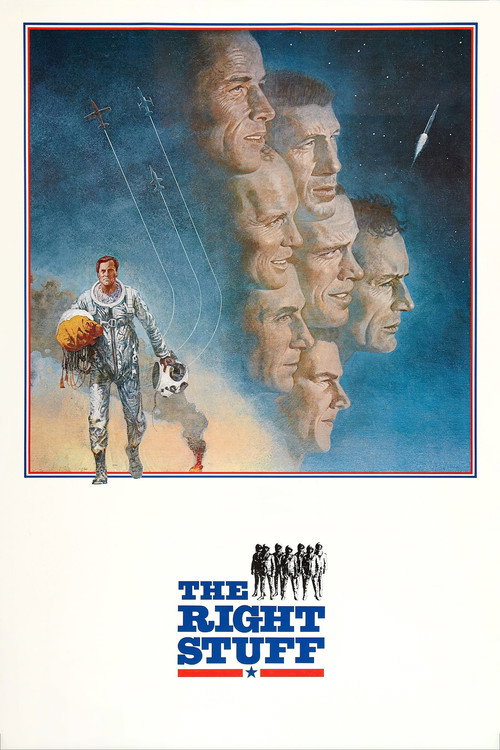
Kaufman's sprawling, energetic account of Mercury, Gemini, and Apollo programs captures both the engineering marvel and the very human egos driving the space race. It has warmth and humor alongside the spectacle.
But Nearly three hours long, and it's a crowded ensemble—easy to lose track of who's who if you're not paying close attention.
Not sure tonight? Get a pick in a minute, starting from Destination Moon
The wildcard
Something you would not have found on your own.
Woman in the Moon1929
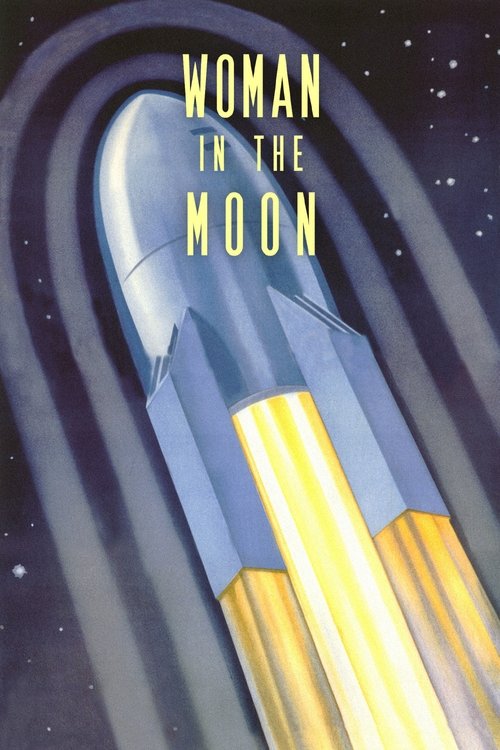
Destination Moon borrowed its earnest, engineering-focused approach directly from Lang's silent prototype—both treat space as an engineering problem, not a fantasy.
Fritz Lang made this 22 years before Destination Moon, and it's the DNA from which your film was born. Serious, technically curious, and visually stunning—watching it shows you that the urge to reach the moon predates rockets by decades.
But Silent film, nearly three hours, German Expressionist pacing. Requires patience and goodwill toward cinema history.
More like this (8)
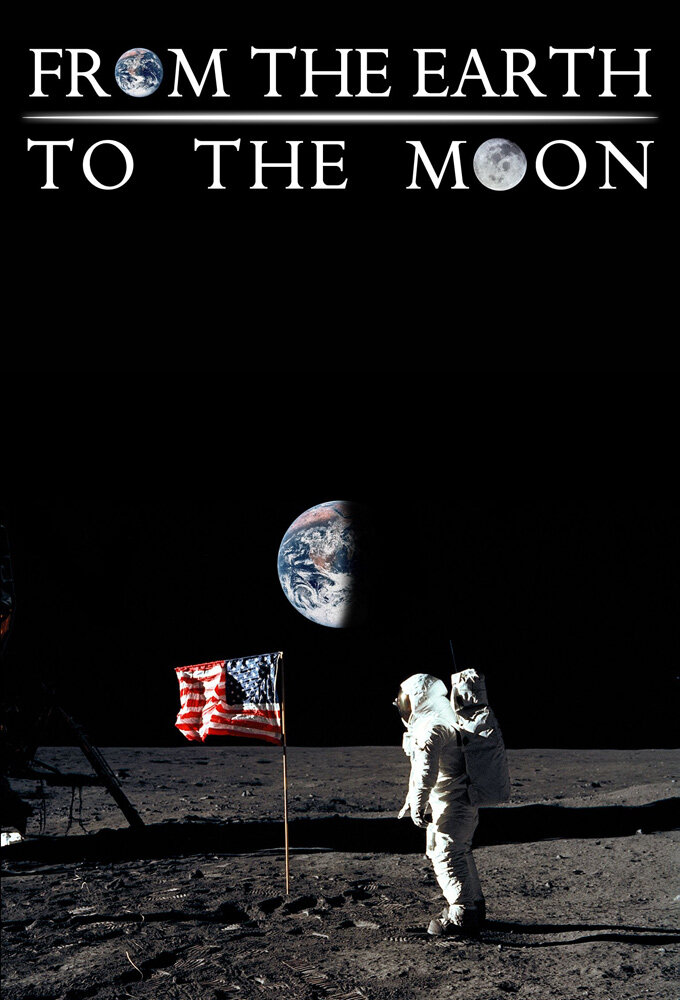
From the Earth to the Moon1998
HBO's prestige miniseries dramatizes the Apollo program with meticulous attention to procedure, hardware, and the problem-solving that got men to the moon. Each episode slots perfectly into the historical record.
But TV-of-its-era pacing feels leisurely now. Some episodes lean heavily into domestic drama rather than space drama.
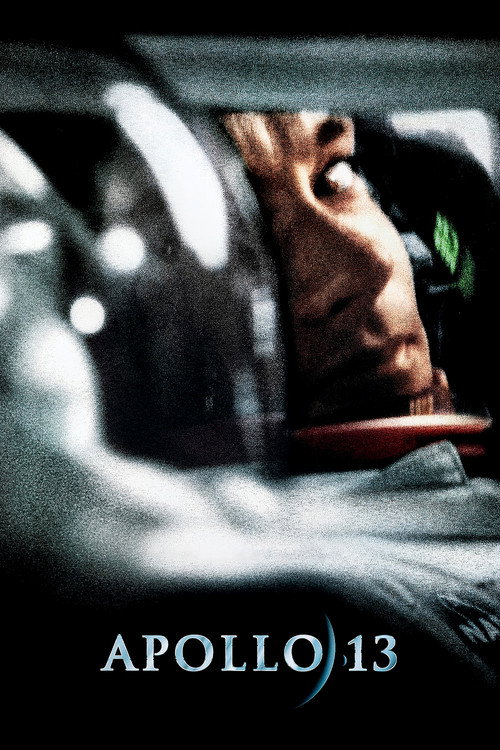
Apollo 131995
Hanks and Howard nail the tension of a mission gone wrong. It's gripping, human-scaled, and celebrates ingenuity under pressure. The engineering problems feel real because they were.
But You probably already know how it ends. The appeal is entirely in how we get there.
The Night Stalker1972
A strange pivot, but hear me out: it's also earnest, low-budget 1970s sci-fi that takes its own logic seriously. Kolchak solves impossible problems through improvisation and stubbornness, much like the characters in Destination Moon.
But It's a horror anthology, not space exploration. If you want science fiction, not spooky, this will disappoint.

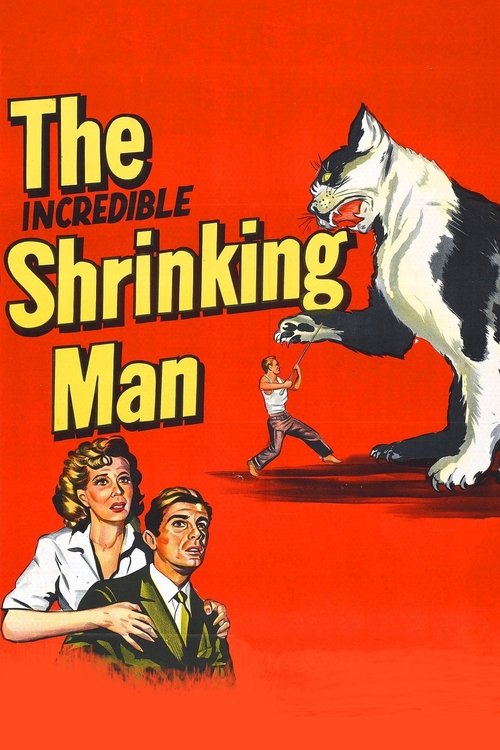
The Incredible Shrinking Man1957
Golden-age sci-fi that treats its absurd premise with complete seriousness. A man shrinks and must engineer solutions to survive. It's got the same problem-solving DNA as Destination Moon, just inverted.
But The shrinking premise is genuinely silly, and the philosophical ending may feel tacked-on depending on your patience for metaphor.
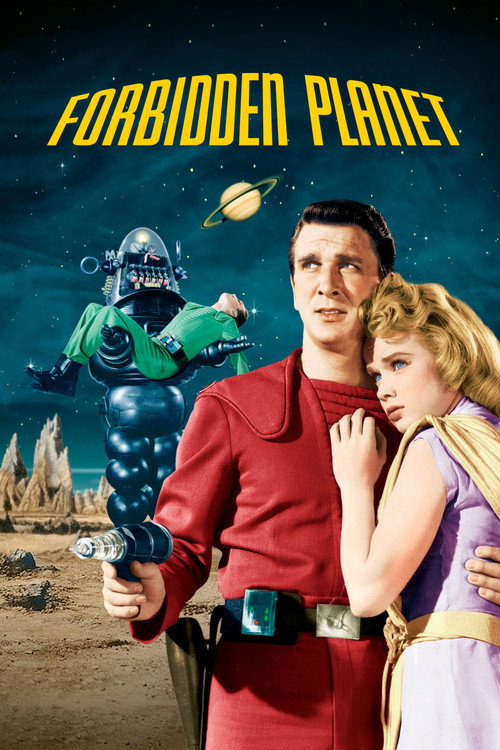
Forbidden Planet1956
A spacefaring adventure with genuine production value and a sharp script. It takes its futuristic setting seriously while keeping things entertaining. The influence on Star Trek is obvious, and earned.
But The gender politics are dated, and some of the acting feels stiff. The Shakespeare adaptation plot can feel overwrought.
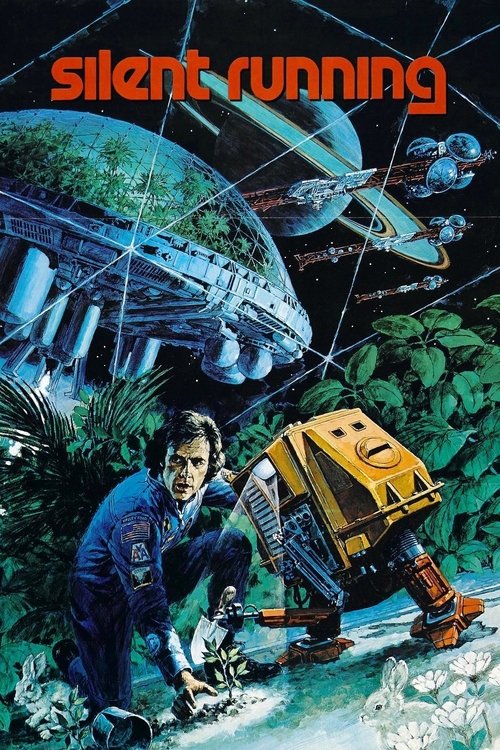
Silent Running1972
A quieter, more melancholic space film about a botanist and AI alone with Earth's last plants. It's introspective and visually inventive, with Bruce Dern delivering an understated, compelling performance about isolation and duty.
But Slow, introspective, and genuinely sad. There's no action, no triumphalism—just loneliness and loss in space.
For All Mankind1989
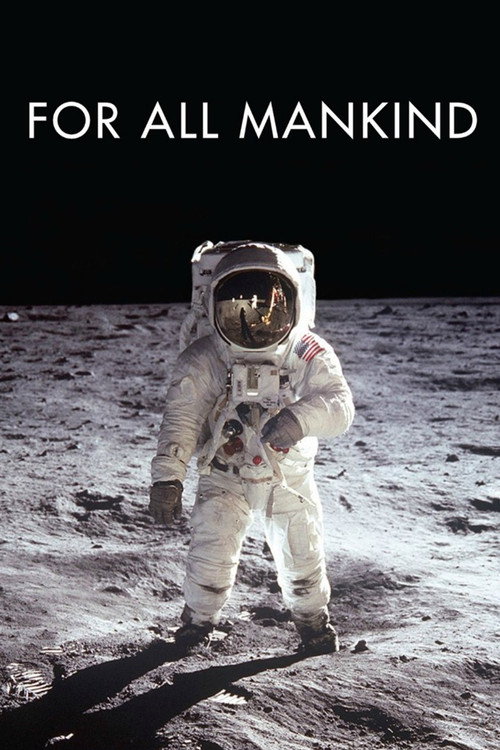
Destination Moon imagined the moon landing; For All Mankind shows you the real thing. Watching them back-to-back is stunning: how close the fiction got, and how much stranger reality was.
A documentary that presents raw footage from the Apollo missions without narration, just music and silent images. It's transcendent—you're watching the actual thing, unmediated. The experience of seeing the lunar surface through astronauts' eyes is unlike anything else.
But No story, no explanation, no drama—just images and sound design. If you need narrative structure, this will frustrate you.
Stalker1979
Both are about humanity reaching toward something unreachable. But where Destination Moon is optimistic engineering, Stalker is haunted doubt—the shadow side of the same impulse.
Tarkovsky's philosophical sci-fi poem about a guide leading people into a mysterious forbidden zone. It's gorgeous, strange, meditative, and makes space feel less like a destination and more like an idea—a mirror held up to desire and faith.
But Soviet cinema, glacially paced, almost no plot, entirely concerned with philosophy and image. If you watched Destination Moon for the mission, not the metaphysics, this will feel like the opposite.

People
Cast
 John ArcherJim Barnes
 Warner AndersonDr. Charles Cargraves
 Tom PowersGeneral Thayer
 Dick WessonJoe Sweeney
 Erin O'Brien-MooreEmily Cargraves
 Steve CarruthersBusinessman at Meeting (uncredited)
 Franklyn FarnumFactory Worker (uncredited)
 Jack GarganBusinessman at Meeting (uncredited)
 Everett GlassMr. La Porte (uncredited)
 Kenner G. KempBusinessman at Meeting (uncredited)
 Knox ManningHimself (uncredited)
- Mike MillerUndetermined Secondary Role (uncredited)
Directing
- Irving PichelDirector
Writing
- Alford Van RonkelScreenplay
- James O'HanlonScreenplay
- Robert A. HeinleinScreenplay
Production
- George PalProducer
Recommended by
October Sky, Santa Claus Conquers the Martians, Ikarie XB 1, When Worlds Collide, Rocketship X-M, Battle in Outer Space, Secret Service In Darkest Africa, Conquest of Space