
Film
When Worlds Collide
A 1951 space-race thriller where astronomers discover a rogue star system headed for Earth and must build a rocket to evacuate humanity's chosen few. It's earnest, visually imaginative, and utterly caught in the anxieties of its moment—nuclear terror refracted through cosmic catastrophe. For anyone who loves early sci-fi ambition or wants to see where disaster cinema came from.
Should you watch it?
Watch it if you love disaster stories built on hard science and a sense of civilisation facing its own extinction, and you don't mind the earnest, dated dialogue that comes with a 1951 studio picture.
Skip it if you want quick cuts and modern spectacle, since this moves at a deliberate, talky pace where the characters' arguments take up much of its 83 minutes.
What it asks of you: Expect a long stretch of calculations and rocket planning before anything dramatic happens, so patience counts for more than appetite for suspense.
Not sure? Find tonight's pick in a minute.
If you liked this
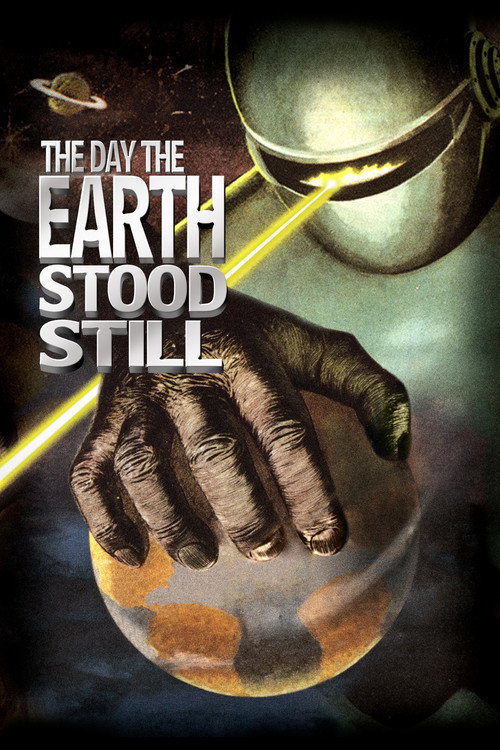
The Day the Earth Stood Still1951
Released the same year, it shares the atomic-age dread and uses sci-fi to ask serious questions about humanity's future. The alien messenger and the spacecraft are genuinely awe-inspiring, and Michael Rennie is magnetic.
But It's a message movie first and a thriller second. Long philosophical stretches will test your patience if you want constant action.
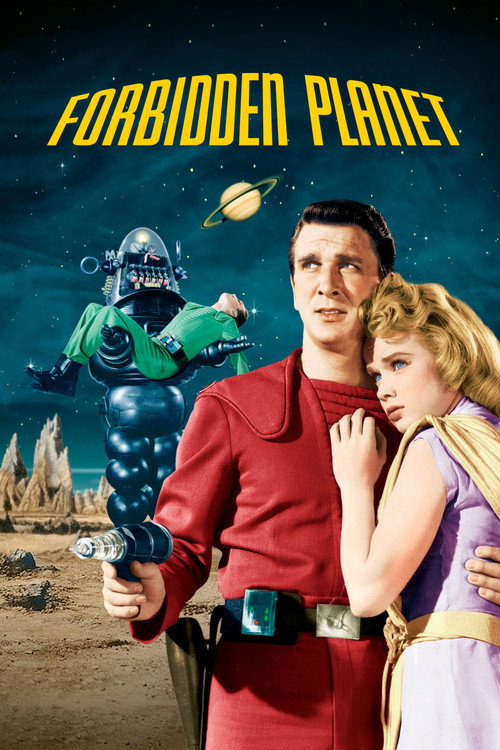
Forbidden Planet1956
A far more lavish space-opera descendant that learned from When Worlds Collide's blueprint: scientists, danger, a gleaming ship, and a world of wonder. Walter Pidgeon and the robot Robby are unforgettable.
But It runs 98 minutes and occasionally lags between set pieces. The gender politics are vintage 1950s, which may grate depending on your tolerance.
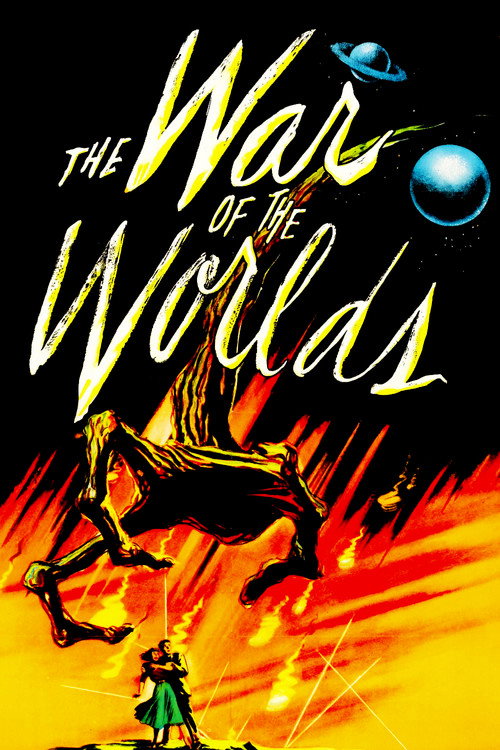
The War of the Worlds1953
Spielberg didn't invent disaster cinema—George Pal made this adaptation just two years after When Worlds Collide, and it has the same mixture of spectacle, dread, and '50s-flavored social anxiety. The alien machines still look extraordinary.
But The pacing is languid by modern standards, and the romantic subplot exists chiefly because it was 1953. Some effects shots haven't aged as gracefully as others.
Not sure tonight? Get a pick in a minute, starting from When Worlds Collide
The wildcard
Something you would not have found on your own.
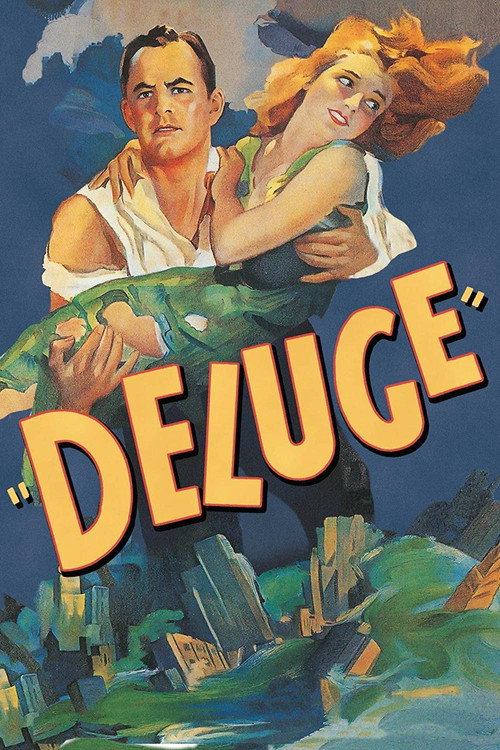
Deluge1933
Both pit humans against planetary catastrophe and ask what we'll sacrifice to survive. Deluge shows sci-fi disaster in its infancy; When Worlds Collide is what it became.
Two decades before When Worlds Collide, this pre-Code disaster film shows the template: civilization destroyed by cosmic force, survivors navigating a remade world, romance amid apocalypse. It's rawer, sleazier, and more visually daring than its successors.
But The print is damaged and the restoration uneven. It's 65 minutes of pre-1940 pacing and acting conventions, which requires patience and historical generosity.
More like this (8)
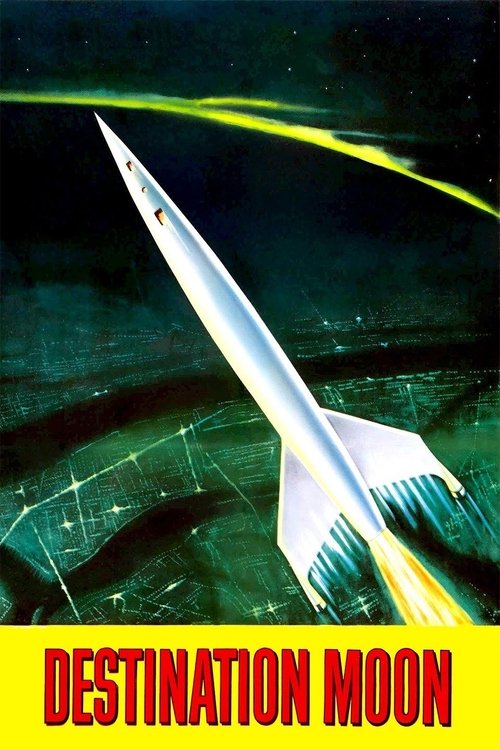
Destination Moon1950
Chesley Bonestell's paintings of lunar landscapes are astonishing, and the film takes its science seriously in ways that feel almost documentary. It's the spiritual predecessor to everything space-based that followed, including this film.
But There is almost no plot. It's a procedural about rocket construction and ballistics, which will bore you if you need character drama or narrative tension.
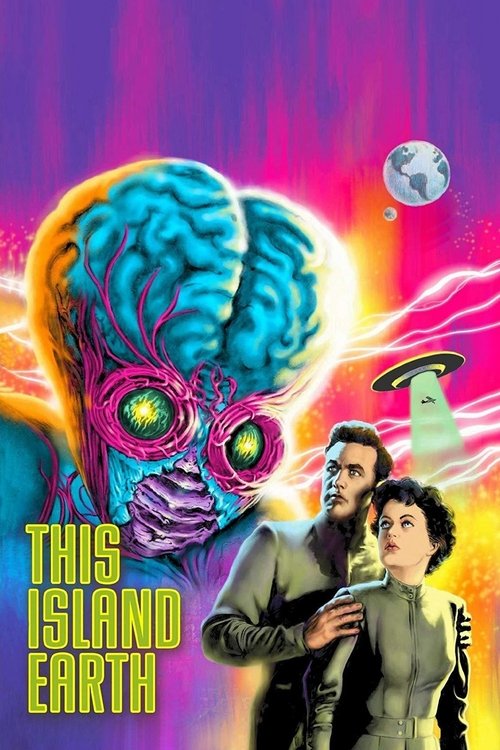
This Island Earth1955
Wildly ambitious mid-'50s sci-fi with atomic mutants, flying saucers, and a far planet under siege. It's genuinely strange and doesn't always land, but the earnestness and spectacle are intoxicating.
But The dialogue is clunky, the science is nonsense, and the tonal shifts between melodrama and space opera are jarring. It's beloved by enthusiasts, baffling to everyone else.
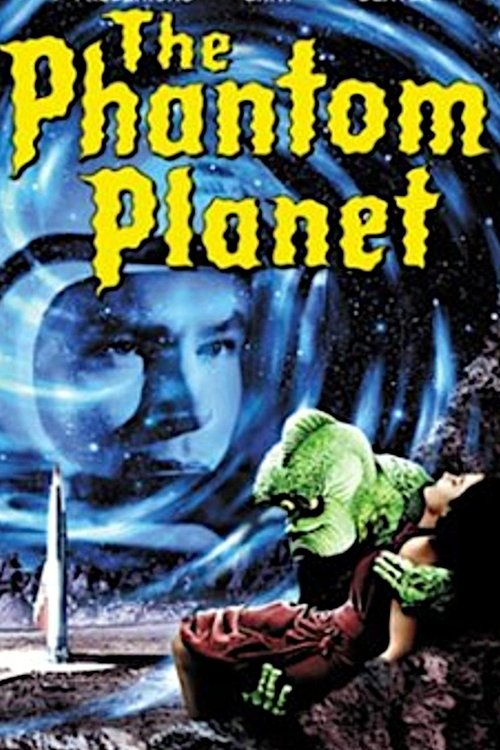
The Phantom Planet1961
A genuinely goofy space explorer discovers a tiny asteroid planet with a lost civilization. It has the same utopian-escape impulse as When Worlds Collide but with way less budget and infinitely more charm from that constraint.
But The production values are threadbare, the acting is stiff, and the monsters look like actors in rubber suits. It's a camp experience, not a dramatic one.
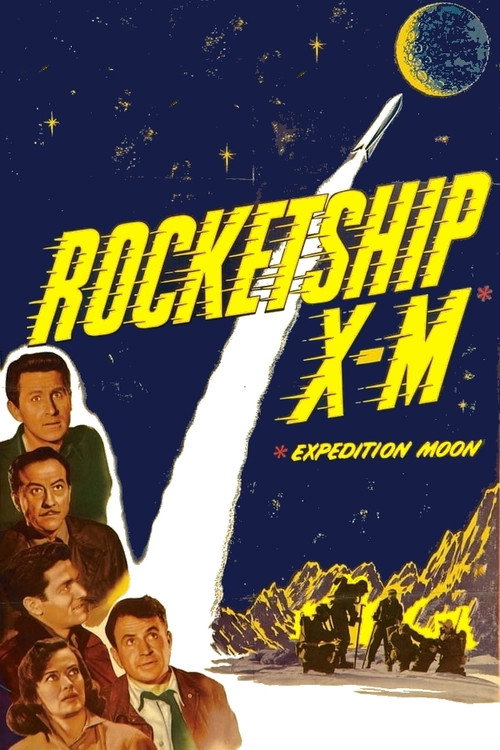
Rocketship X-M1950
A race-to-the-moon movie that came out months before Destination Moon and predates When Worlds Collide's vision of space as both salvation and danger. It's scrappy and earnest in the best way.
But It's low-budget, and every dollar shortage shows. The script is thin and the characterization even thinner, padding out an 78-minute runtime.
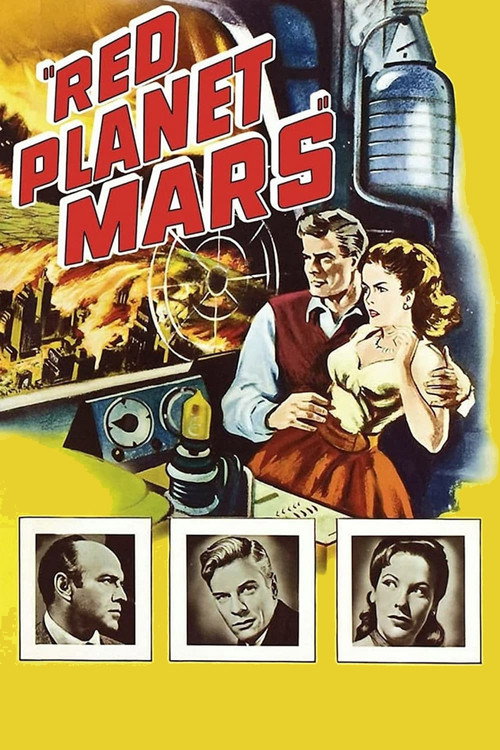
Red Planet Mars1952
A Cold War sci-fi thriller about radio contact with Mars that spirals into espionage, faith, and geopolitical chaos. It's a time capsule of 1950s fears wrapped in space-exploration wonder.
But The anti-communist rhetoric is strident and will feel preachy. The science is quaint, and some plot turns rely on contrivance rather than logic.
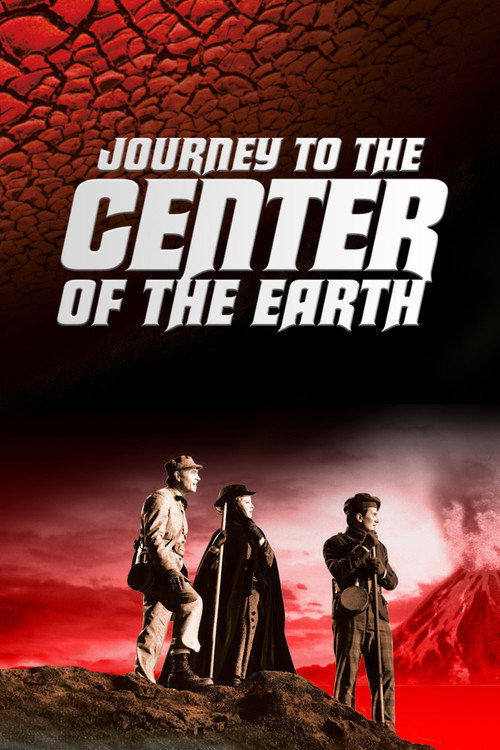
Journey to the Center of the Earth1959
James Mason leads an expedition into the planet's molten heart. It shares When Worlds Collide's sense of discovery and danger, with similarly earnest special effects and a good cast holding it together.
But It's slow and exploratory rather than suspenseful. Expect long stretches of hiking through painted caves and talking about geology.
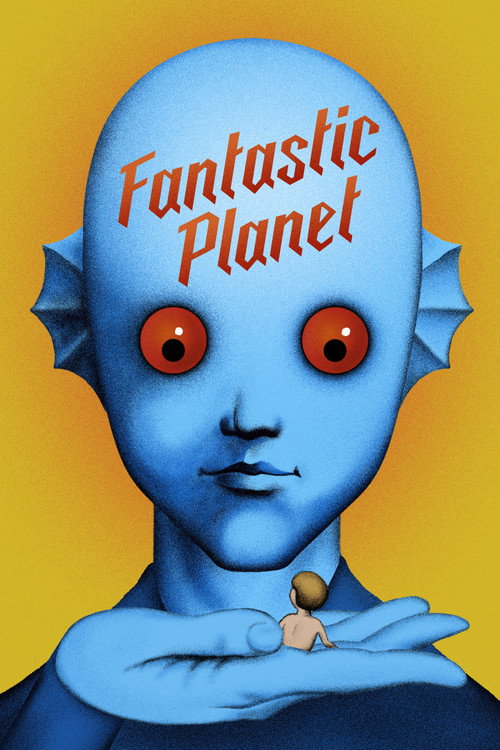
Fantastic Planet1973
Both center on reaching another world as humanity's only salvation. When Worlds Collide is earnest '50s optimism; La Planète Sauvage is '70s French surrealism asking whether escape solves anything.
Alain Resnais' animated epic about humans as captive beings on a strange alien world. Stop-motion surrealism, a Karlheinz Stockhausen score, existential dread, and a completely different visual grammar from live-action—but the same questions about escape and survival.
But It's deliberately strange and non-narrative. The animation is deliberately crude. If you want plot clarity and conventional cinema, you will be lost and frustrated.
Seconds1966
Both obsess over escape to a promised world. When Worlds Collide celebrates the rocket; Seconds anatomizes what happens when you actually arrive and the fantasy meets reality.
John Frankenheimer's paranoid masterpiece about a man offered a chance to escape his life via bizarre surgery and rebirth on a perfect island. It's sci-fi noir, visually hypnotic, and deeply unsettling—about the fantasy of starting over and the cost of it.
But It's bleak, deliberately alienating, and shot in stark black-and-white with distorted perspectives. There are no heroes, no catharsis, and the mood is dread masquerading as opportunity.

People
Cast
 Richard DerrDavid Randall
 Barbara RushJoyce Hendron
 Peter HansenDr. Tony Drake
 John HoytSydney Stanton
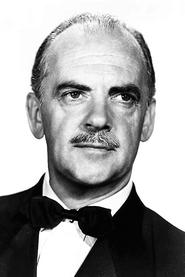 Larry KeatingDr. Cole Hendron
 Rachel AmesJulie Cummings
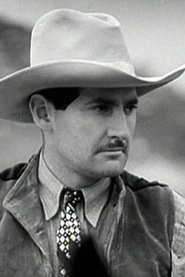 Stephen ChaseDr. George Frye
 Frank CadyHarold Ferris
 Hayden RorkeDr. Emery Bronson
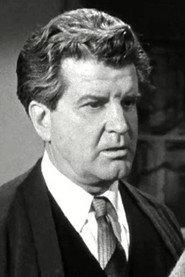 Sandro GiglioDr. Ottinger
 Kirk AlynRioter Bringing Guns (uncredited)
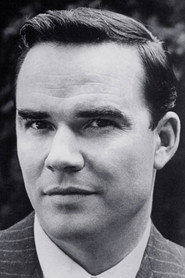 James CongdonEddie Garson (uncredited)
Directing
- Michael D. MooreAssistant Director
- Rudolph MatéDirector
Writing
- Edwin BalmerNovel
- Philip WylieNovel
- Sydney BoehmScreenplay
Production
- George PalProducer
Recommended by
Meteor, Gorath, No Blade of Grass, Asteroid, Red Planet Mars, Deluge, Nightfall, The New Frontier