
Film
Gorath
A 1962 Japanese sci-fi thriller where Earth's last hope is an insane plan: build colossal rockets at the South Pole to shove the entire planet out of a killer star's path. Toho's technical ambition meets genuine dread, with miniature work that still astounds and a tone that treats extinction as the serious business it is.
If you liked this
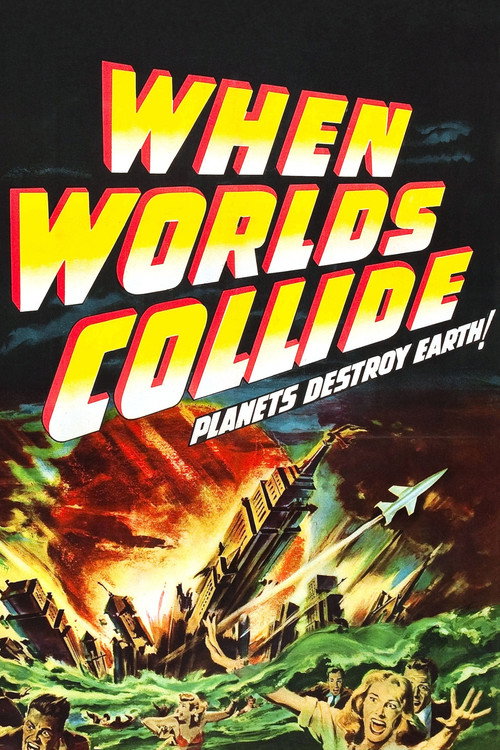
When Worlds Collide1951
The American template Toho remixed: another extinction-level celestial threat, another desperate gambit to save humanity. The engineering-porn DNA is identical, the Cold War anxiety unmistakable.
But Pacing drags in the middle stretch, and the gender politics are fossilized even for 1951.
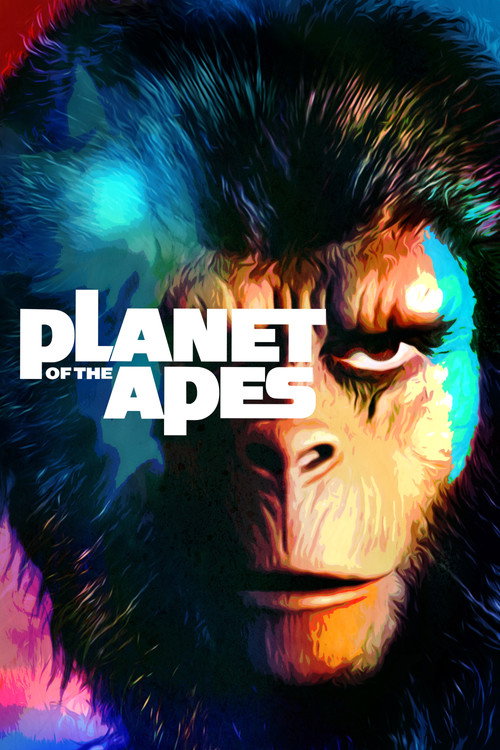
Planet of the Apes1968
Same era sci-fi seriousness, same willingness to end on genuine unease rather than reassurance. Both films trust the audience to sit with catastrophe.
But The twist has been spoiled into oblivion; it's harder to experience the shock that once made it legendary.
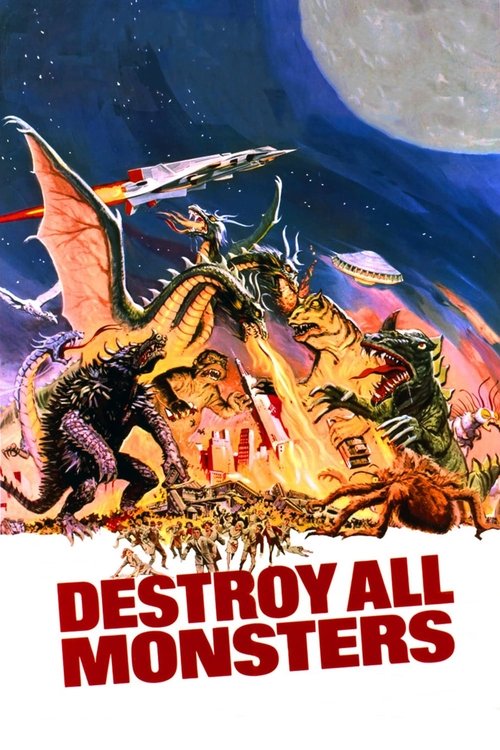
Destroy All Monsters1968
Toho's other apocalypse film, where the studio deployed the same miniature mastery and ensemble-cast chaos. Kaiju devastation with the same technical virtuosity.
But It's much sillier in tone—if you want that dread intact, this one pivots to spectacle over terror.
Not sure tonight? Get a pick in a minute, starting from Gorath
The wildcard
Something you would not have found on your own.
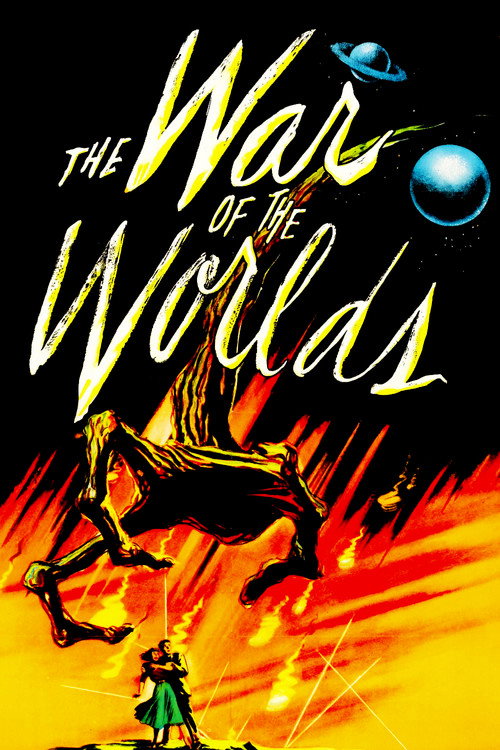
The War of the Worlds1953
Both films photograph extinction without irony or flinch. Both treat planetary-scale catastrophe as visceral, not abstract. Both refuse false comfort until the final moment.
Haswell's adaptation, not Wells—an American answer to existential threat that mirrors Gorath's mood exactly. Cities crumbling, scientists helpless, apocalypse in real-time, shot like documentary horror.
But Religious resolution feels tacked on to modern sensibilities; some find it bathetic after the cosmic dread that precedes it.
More like this (7)
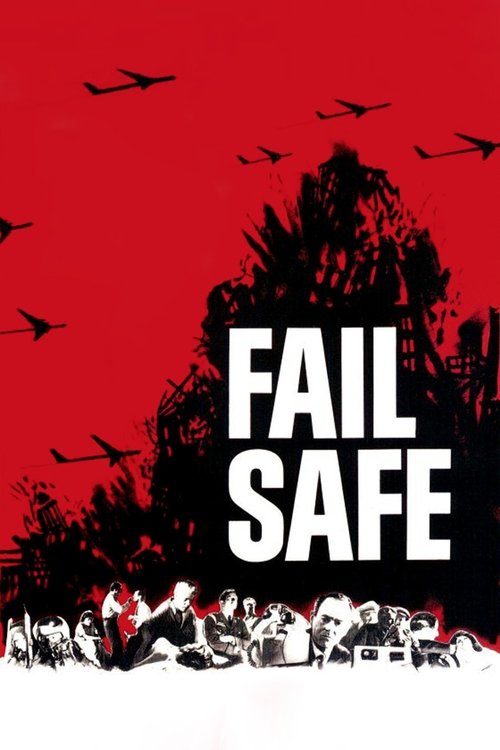
Fail Safe1964
Another B&W countdown to extinction, another room full of brilliant men who cannot stop the machine. The moral weight and tension are suffocating.
But No special effects, no spectacle—purely psychological. If you came for starship miniatures, this will feel like watching paint dry.
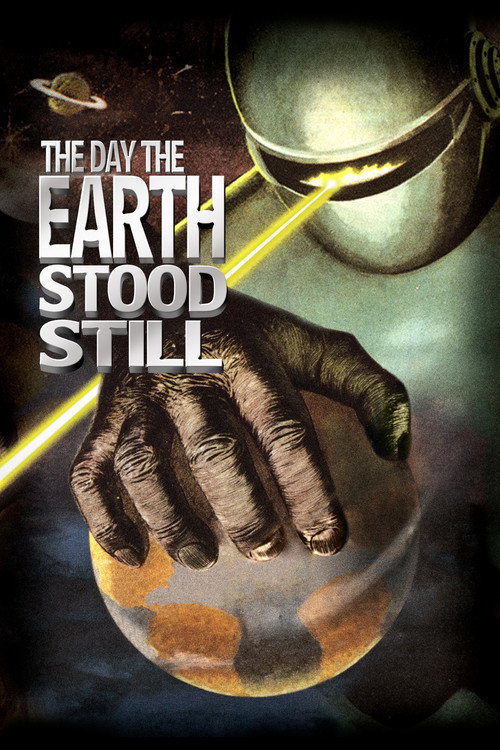
The Day the Earth Stood Still1951
Fifties sci-fi at its most thoughtful. An alien visitor forces humanity to reckon with itself before annihilation; same philosophical bite, different threat.
But Very slow by modern standards, and the female characters exist mainly to react and scream.
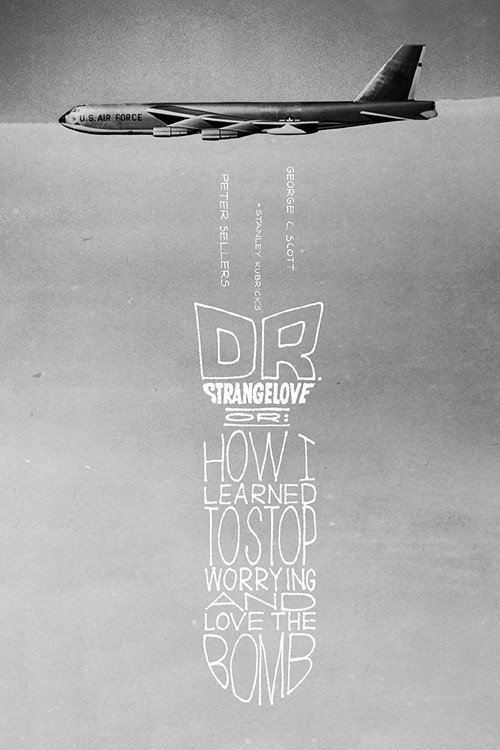
Dr. Strangelove or: How I Learned to Stop Worrying and Love the Bomb1964
Nuclear extinction as dark comedy—a different register entirely, but same era paranoia about unstoppable systems and human failure at the edge of oblivion.
But Pitch-black satire is not for everyone; if you want sincere stakes, this film undercuts them on purpose.
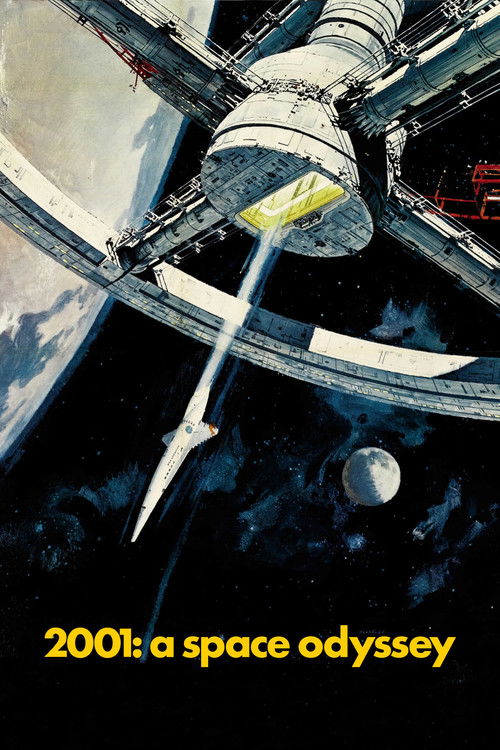
2001: A Space Odyssey1968
Kubrick's meditation on human survival and cosmic insignificance. Slower, stranger, but shares Gorath's sense that we are small and the universe is not built for us.
But Nearly three hours of deliberate pacing; some find it majestic, others find it glacial and impenetrable.
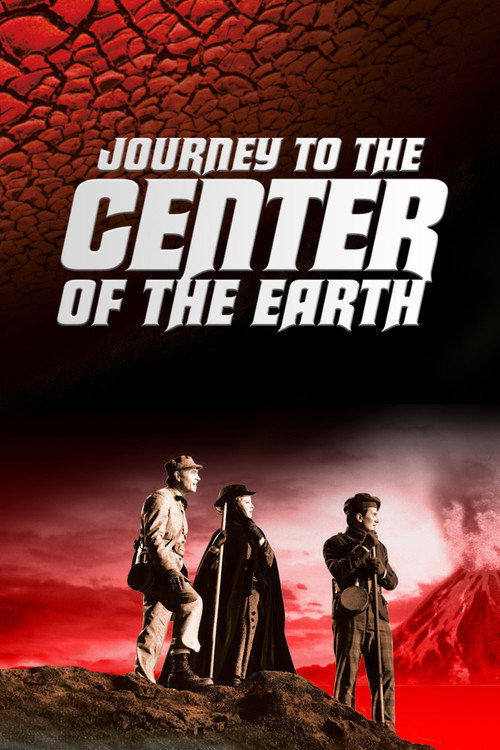
Journey to the Center of the Earth1959
Another Twentieth Century Fox adventure with Toho-adjacent sensibilities: practical effects, an ensemble in peril, science-fiction treated as genuine spectacle.
But Lighter in tone, more adventure-film than apocalypse-film; the stakes feel lower and sillier.
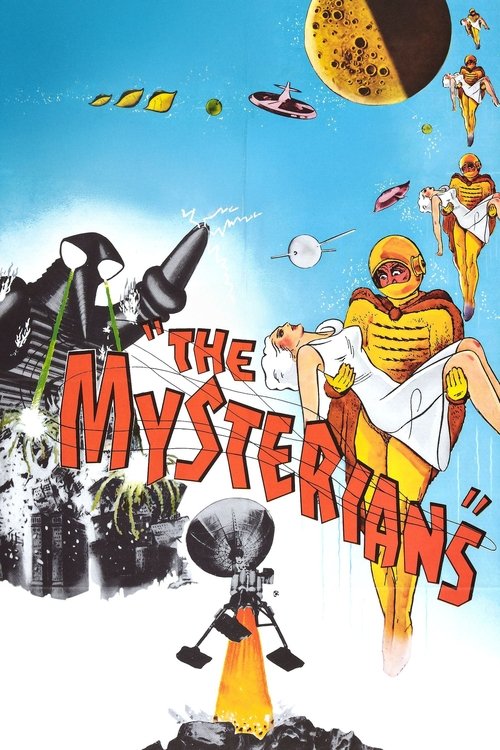
The Mysterians1957
Toho's earlier alien-invasion epic with identical technical ambition and Cold War paranoia. Giant robots, miniature cities, and Earth's scientists racing against extinction.
But The plotting is thinner and the tone wobbles between serious and cartoonish; it hasn't aged as coherently.
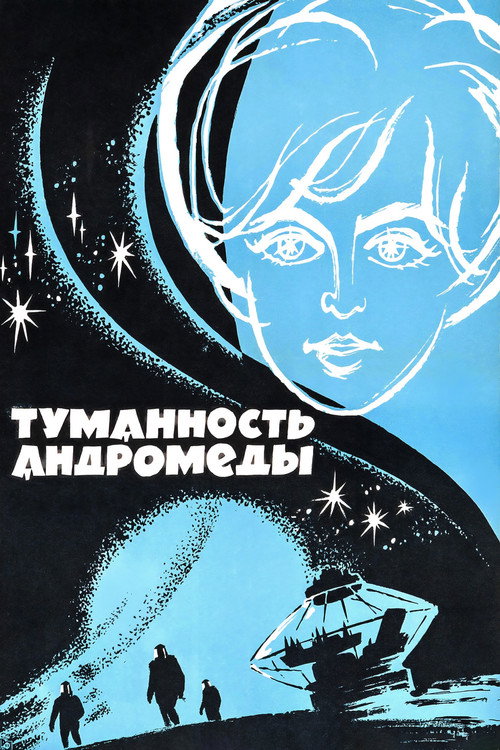
Andromeda Nebula1967
Both are pre-Apollo attempts to photograph space as real and terrible and worth dying for. Both trust miniatures and engineering over narrative momentum. Both are products of national pride in technological prowess, made for audiences who still feared the cosmos.
Soviet space opera from the same moment as Gorath, built on identical technical ingenuity and Cold War unease. A journey to a distant world to save Earth, with miniature work and set design that rivals anything Toho made—but entirely unknown outside the USSR.
But Translated prints are hard to find and often cropped. The pacing is Soviet-patient, and it requires patience with unfamiliar sci-fi convention.
People
Cast
 Ryō IkebeDr. Tazawa
 Yumi ShirakawaTomoko Sonoda
 Akira KuboTatsuma Kanai
 Kumi MizunoTakiko Nomura
 Hiroshi TachikawaWakabayashi
 Akihiko HirataEndô
 Kenji SaharaSaiki
 Jun TazakiRaizô Sonoda
 Ken UeharaDr. Kôno
 Takashi ShimuraKensuke Sonoda
 Seizaburō KawazuTada - Minister of Finance
 Kō MishimaSanada
Directing
- Katsumune IshidaAssistant Director
- Masashi MatsumotoAssistant Director
- Shôji KurodaAssistant Director
- Ishirō HondaDirector
- Koji KajitaFirst Assistant Director
Writing
- Takeshi KimuraScreenplay
- Jōjirō OkamiStory
Production
- Tomoyuki TanakaProducer
- Yasuaki SakamotoProduction Manager