
Film
Fail Safe
- Techno-thriller
- Very dark
Fail Safe is Sidney Lumet's stark Cold War thriller: a technical glitch sends American bombers toward Moscow carrying orders that can't be recalled. Shot in cold, unadorned black and white with no score, it plays out almost in real time as men in distant rooms try to talk a machine out of ending the world. Tense, austere, and unnervingly plausible.
Should you watch it?
Watch it if you like tense, claustrophobic procedural drama where every phone call and wall clock tightens the screws, and you'd rather be gripped by careful reasoning than by explosions.
Skip it if you want action, sweeping spectacle or a lighter touch; this is talky, grave and largely confined to rooms of men worrying in black and white, and it never lets up.
What it asks of you: Under two hours of patient, mostly static dialogue in stark black and white, with almost no release from its gravity, so it needs your full attention rather than a background glance.
Not sure? Find tonight's pick in a minute.
If you liked this
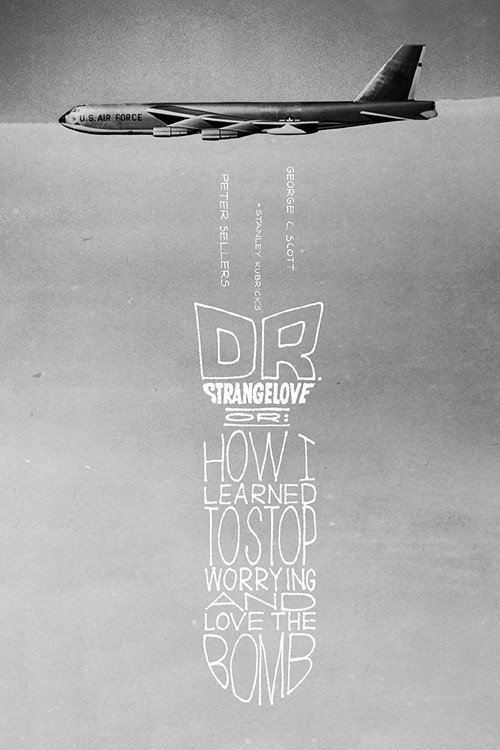
Dr. Strangelove or: How I Learned to Stop Worrying and Love the Bomb1964
Same premise, same year, opposite temperature—Kubrick treats nuclear annihilation as farce, and once you've felt Fail Safe's dread, the laughter here becomes almost unbearable. It's the essential companion piece.
But The satire is broad and theatrical; if you want more of Fail Safe's grim realism, the jokes might feel like a betrayal.
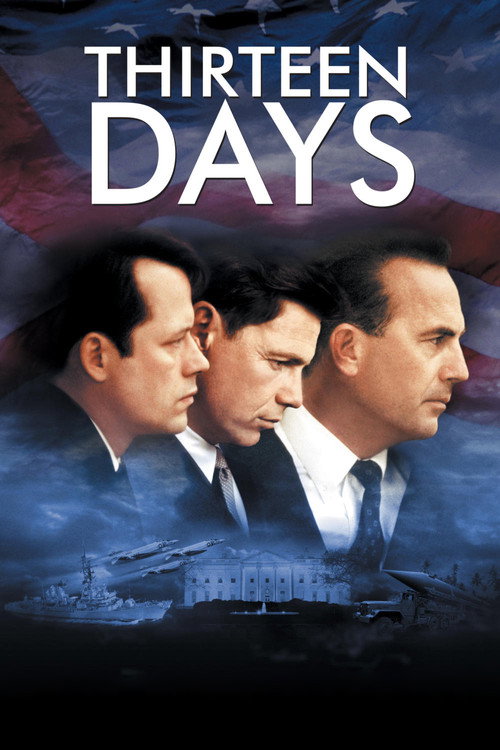
Thirteen Days2000
Kevin Costner and Bruce Greenwood dramatize the Cuban Missile Crisis with the same room-by-room tension—real history proving the fiction wasn't exaggerating how close the world came.
But It's talkier and longer, with more political maneuvering than the single-machine panic of Fail Safe's countdown.
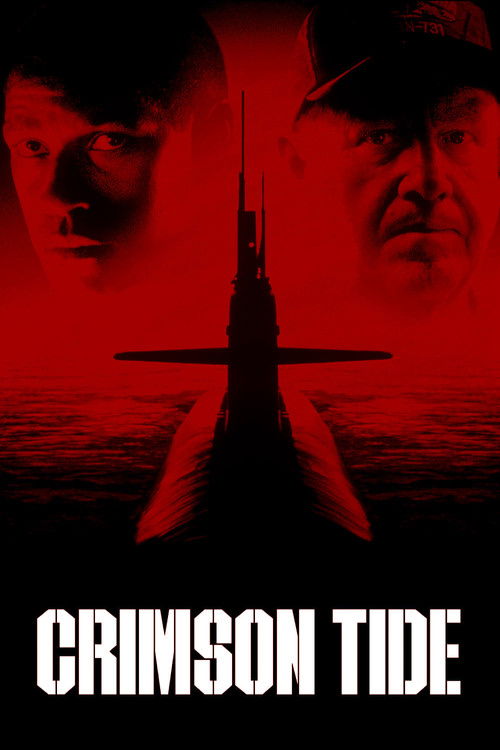
Crimson Tide1995
Denzel Washington and Gene Hackman turn a submarine's launch codes into a battle of wills—same question of who gets to end the world, dressed as a modern action thriller.
But It's slicker and more testosterone-driven than Fail Safe's chilly procedural, with a Hollywood shine the original never wanted.
Not sure tonight? Get a pick in a minute, starting from Fail Safe
The wildcard
Something you would not have found on your own.
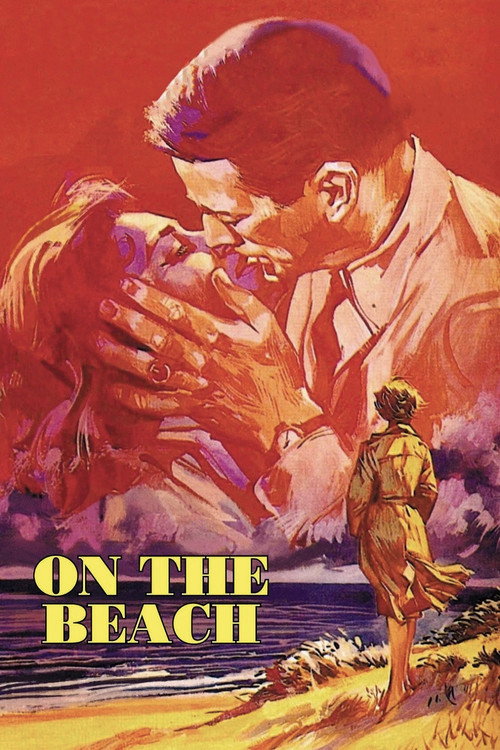
On the Beach1959
Both distill Cold War nuclear dread into human terms, but where Fail Safe races to prevent catastrophe, this one is set after it's already happened—the same fear, viewed from its other side.
Gregory Peck leads survivors in Australia counting down the days until radioactive clouds arrive—Stanley Kramer's aftermath drama, made five years before Fail Safe, asking what living with the inevitable actually feels like.
But It's mournful rather than tense, an extended goodbye instead of a race against time; patience is required.
More like this (8)
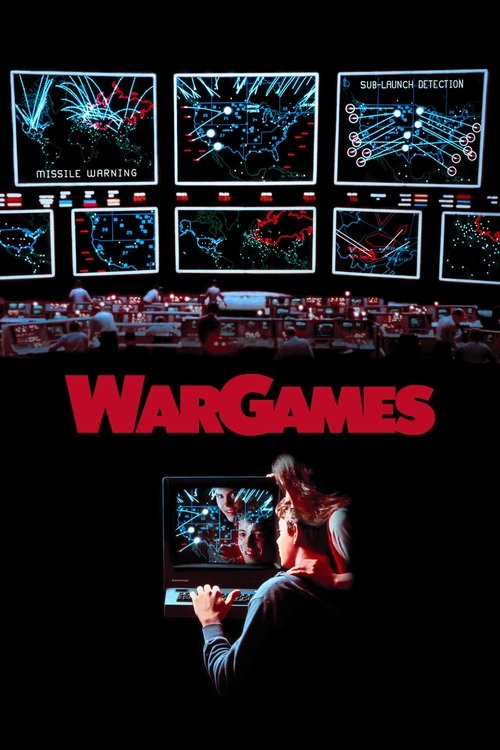
WarGames1983
A teenager accidentally starts a countdown to global war by hacking a military computer—same fear of systems outrunning human control, filtered through '80s charm.
But It's a much lighter, more youthful adventure; the stakes are real but the tone rarely matches Fail Safe's bleakness.
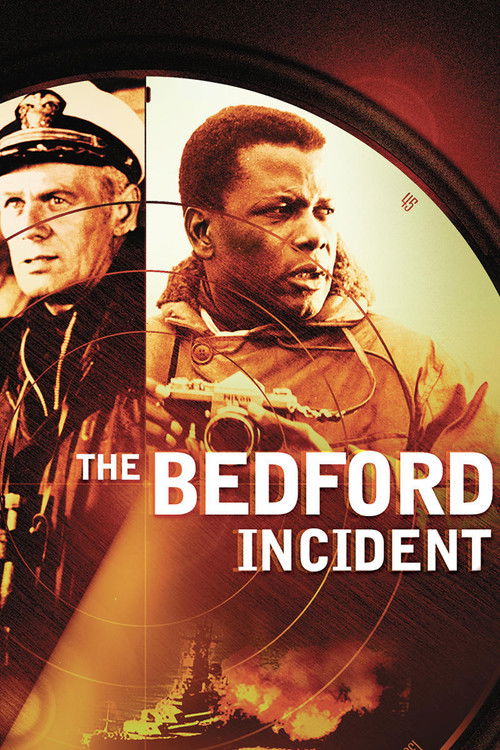
The Bedford Incident1965
Richard Widmark's destroyer captain hunts a Soviet submarine in a standoff that spirals just as inexorably—made the same year, sharing Fail Safe's stark black-and-white dread.
But The pacing is slower and more claustrophobic, built around one ship rather than the sprawling machinery of command.
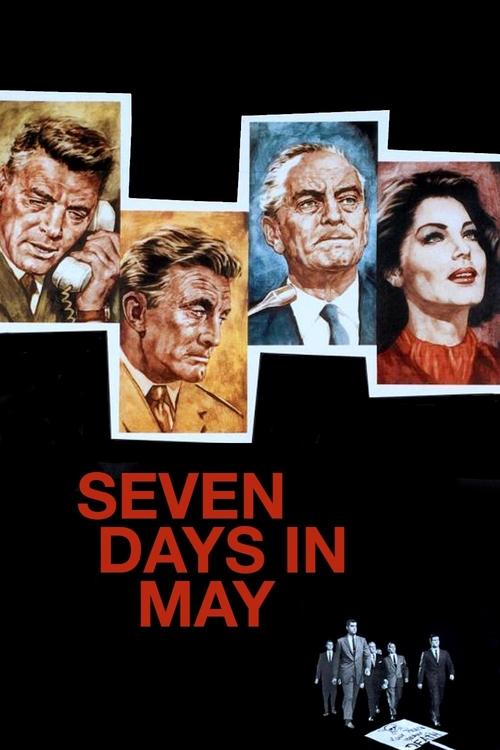
Seven Days in May1964
Released the same year, this one swaps accidental catastrophe for a military coup—same paranoid atmosphere of men in rooms deciding the nation's fate.
But It's a political thriller rather than a countdown, so if you came for pure ticking-clock tension, this trades it for intrigue.
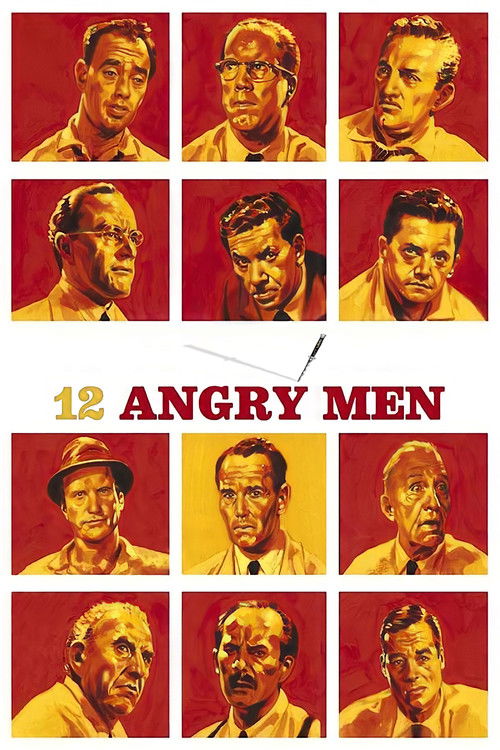
12 Angry Men1957
Sidney Lumet's earlier masterpiece proves he could build unbearable tension from nothing but talking men in one room—the same director's instincts, aimed at a jury instead of a war room.
But No apocalypse, no bombers—just a much smaller, quieter kind of moral pressure cooker.
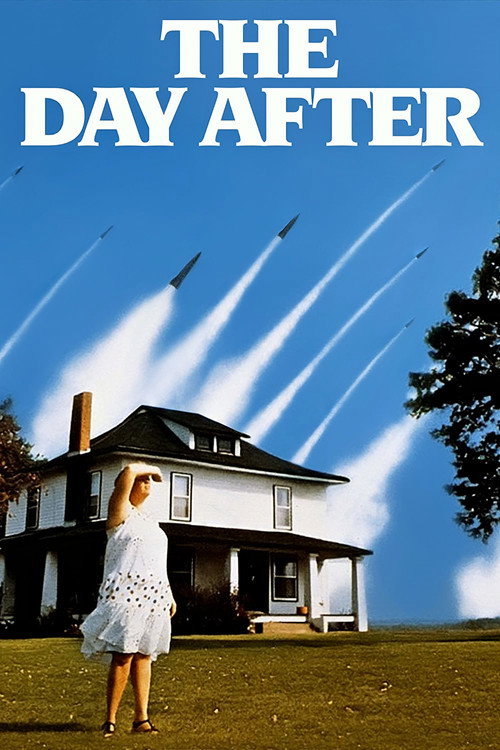
The Day After1983
This ABC television movie shows what Fail Safe only threatens—the actual aftermath of nuclear war on an ordinary American town, and it's just as devastating.
But It trades the taut procedural structure for slow-building horror and grief; expect a much heavier gut-punch.
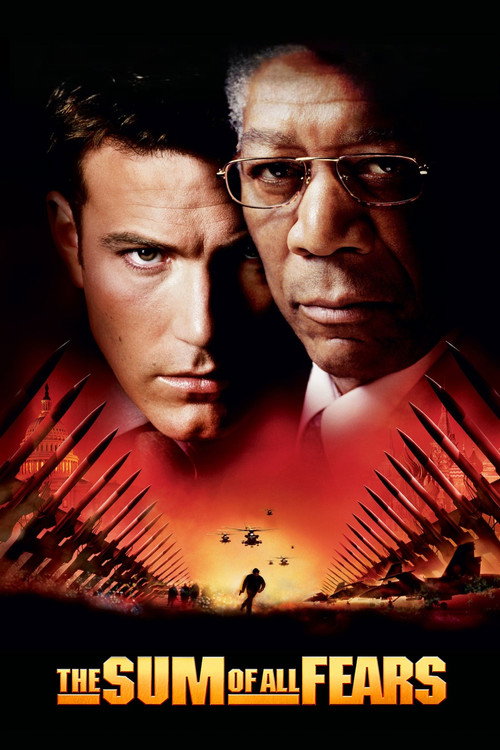
The Sum of All Fears2002
Ben Affleck's Jack Ryan races to stop a nuclear detonation from igniting global war—same theme of accident and misread signals nearly ending everything, updated for the post-Cold War world.
But It leans into blockbuster spectacle and franchise polish, missing the austere, almost documentary chill of the original.
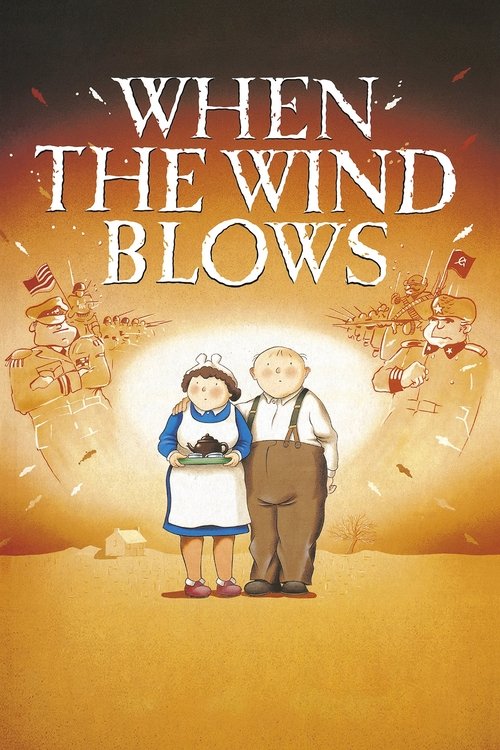
When the Wind Blows1986
Same nuclear anxiety, wildly different scale—instead of generals and presidents, an elderly couple prepare for the bomb the way they'd prepare for bad weather, oblivious to what's actually coming.
This British animated film follows a sweet, hopelessly unprepared couple through nuclear war using government leaflets and stiff-upper-lip denial—it's devastating precisely because it's drawn like a children's film.
But The animation and gentle humor make the horror sneak up on you; some find that tonal whiplash unbearable rather than powerful.
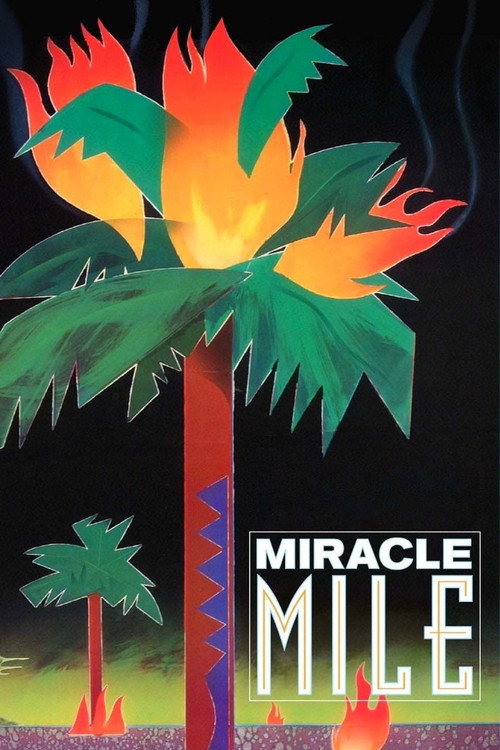
Miracle Mile1989
Take Fail Safe's ticking clock and drop it into a love story—a man believes he has seventy minutes before missiles hit, and the film asks the same question of what you'd do with the time you have left.
Anthony Edwards spends one increasingly frantic Los Angeles night trying to save the woman he just met before the bombs fall—equal parts romance, comedy, and full-blown panic.
But It's stranger and pulpier than Fail Safe, swinging from screwball charm to genuine dread; the tonal gear-changes aren't for everyone.
People
Cast
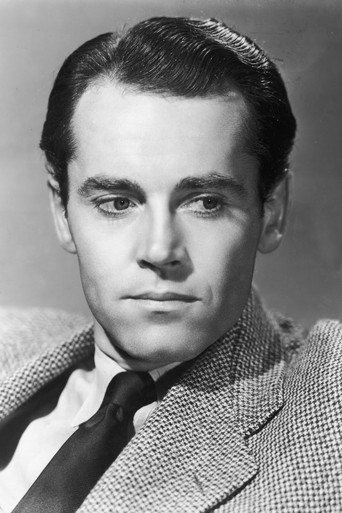 Henry FondaThe President
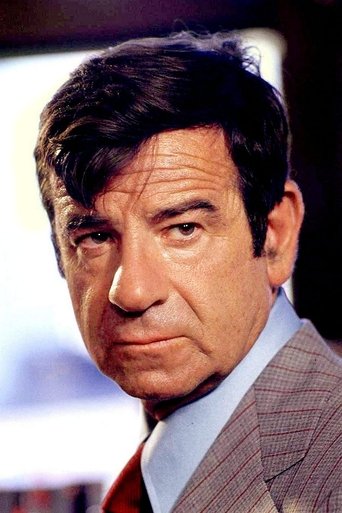 Walter MatthauProf. Groeteschele
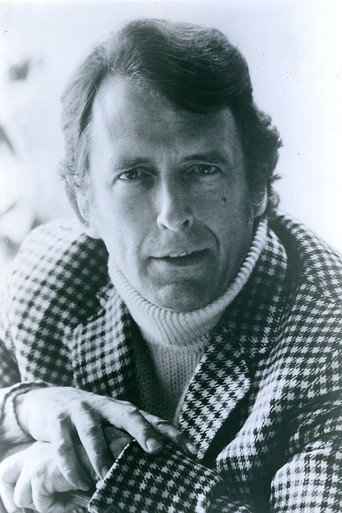 Fritz WeaverCol. Cascio
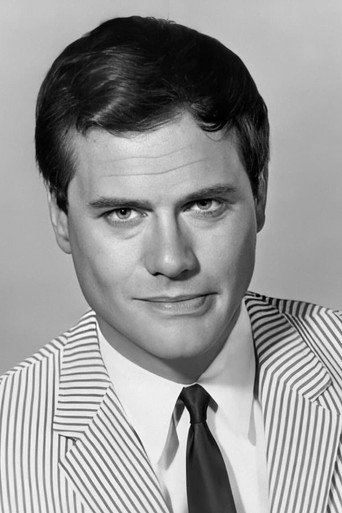 Larry HagmanBuck
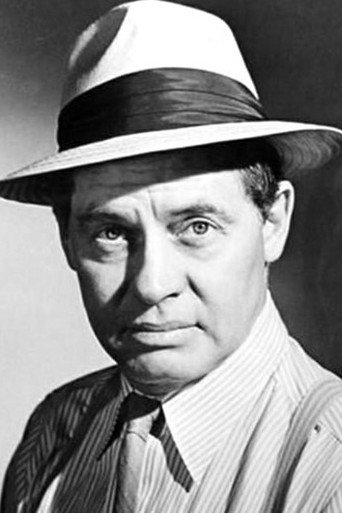 Frank OvertonGen. Bogan
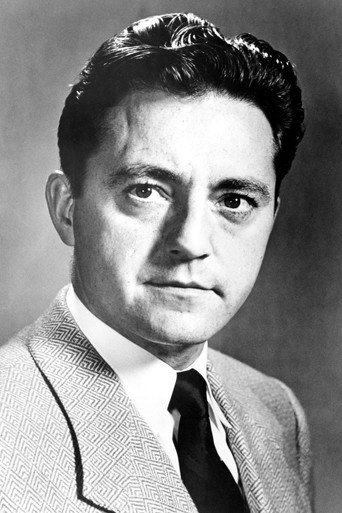 Edward BinnsCol. Jack Grady
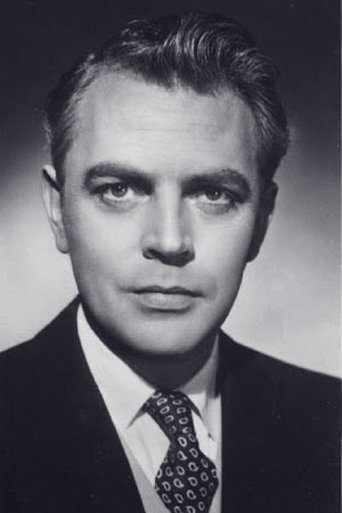 Dan O'HerlihyBrig. Gen. Warren A. Black
 William HansenDefense Secretary Swenson
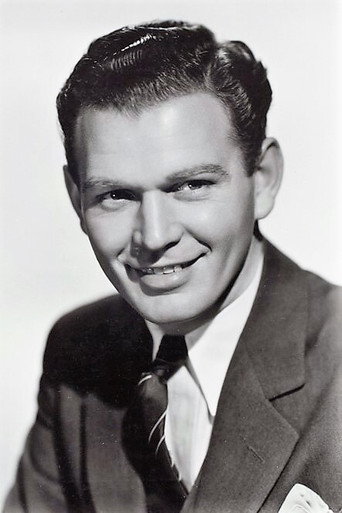 Russell HardieGen. Stark
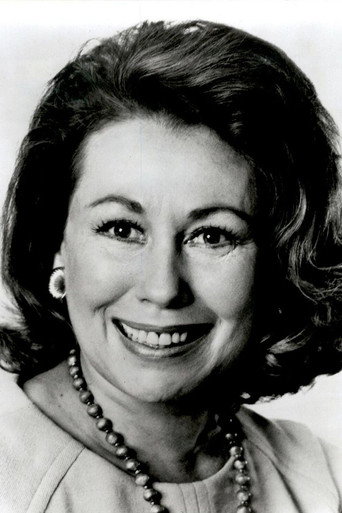 Janet WardHelen Grady
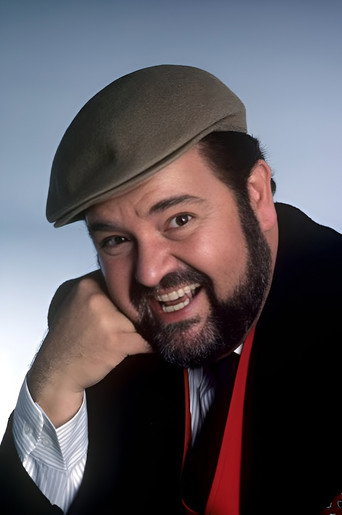 Dom DeLuiseTSgt. Collins
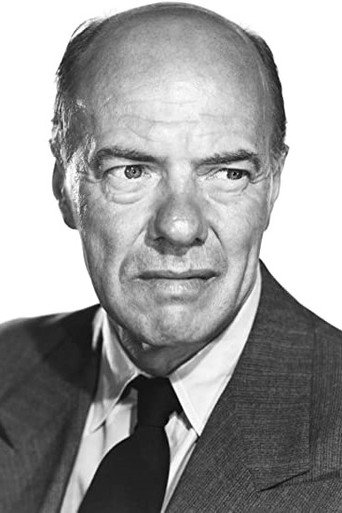 Russell CollinsKnapp
Directing
- Harry FalkAssistant Director
- Sidney LumetDirector
Writing
- Eugene BurdickNovel
- Harvey WheelerNovel
- Walter BernsteinScreenplay
Production
- Sidney LumetExecutive Producer
- Charles H. MaguireProducer
- Max E. YoungsteinProducer
Recommended by
The Hunt for Red October, Darkest Hour, 12 Angry Men, Crimson Tide, Waco, Threads, Command and Control, Dr. Strangelove or: How I Learned to Stop Worrying and Love the Bomb, The Day After, The Sound Barrier, WarGames, The Best Man, The Bedford Incident, When the Wind Blows, Thirteen Days, Zero Hour!, The War Game, The Rock, Twelve O'Clock High, The Andromeda Strain, Meteor, Seven Days in May, Path to War, War Machine, The Day the Earth Caught Fire, On the Beach, Colossus: The Forbin Project, Deterrence, The High and the Mighty, Sink the Bismarck!, Special Bulletin, Invasion, U.S.A., Seven Days to Noon, Protect and Survive, Five, Panic in Year Zero!, Live Free or Die Hard, Sunrise at Campobello, One Last Shot, Emergency!, The Missiles of October, The Man Who Saved the World, Ice Station Zebra, Battle of Britain, Gorath, Skyjacked, Strategic Air Command, The Thousand Plane Raid, Phantom, Command Decision, Twilight's Last Gleaming, The Crowded Sky, 633 Squadron, Above and Beyond, Duck and Cover, Taps, The Beginning or the End, Topaz, The Bomb, The Flight of the Phoenix, Submersion of Japan, Fat Man and Little Boy, The Satan Bug, Airport 1975, The Ugly American, Prophecies of Nostradamus, The Gladiators, The Dark Light, The Art of Dying, The Last War, The Day Britain Stopped, Depth Charge, Countdown to Looking Glass, 12 O'Clock High, The 27th Day