
Film
Submersion of Japan
- Hard science fiction
- Techno-thriller
- Very dark
A 1973 Japanese disaster epic about geophysicists racing to stop their entire nation from sinking beneath the ocean. Operatic in scale, grounded in scientific consultation, it's a Cold War-era thriller that treats existential catastrophe as both technical puzzle and human tragedy. For anyone who finds grandeur in apocalypse.
Should you watch it?
Watch it if you like disaster stories built on bureaucrats, scientists and government meetings, where the dread comes from procedure and slow realization rather than spectacle.
Skip it if you want the destruction to be the show; long stretches go to talk, politics and personal strain, with the catastrophe arriving sparingly.
What it asks of you: Nearly two and a half hours of slow, deliberate build and a sober tone from start to finish, so settle in and let the dread accumulate at its pace.
Not sure? Find tonight's pick in a minute.
If you liked this
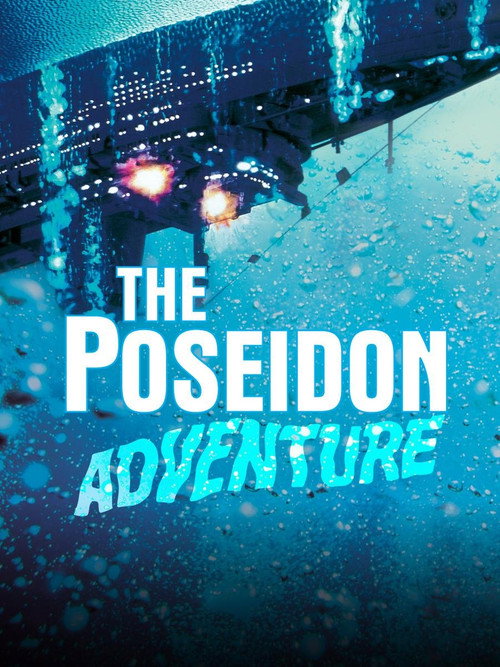
The Poseidon Adventure1972
The disaster blockbuster that defined the genre just before Submersion. Trapped survivors, impossible odds, and a commitment to showing you exactly how people die in calamity. Propulsive and genuinely suspenseful.
But Heavily dated in its dialogue and gender politics, and the spectacle can feel thin when you're not caught in the momentum.
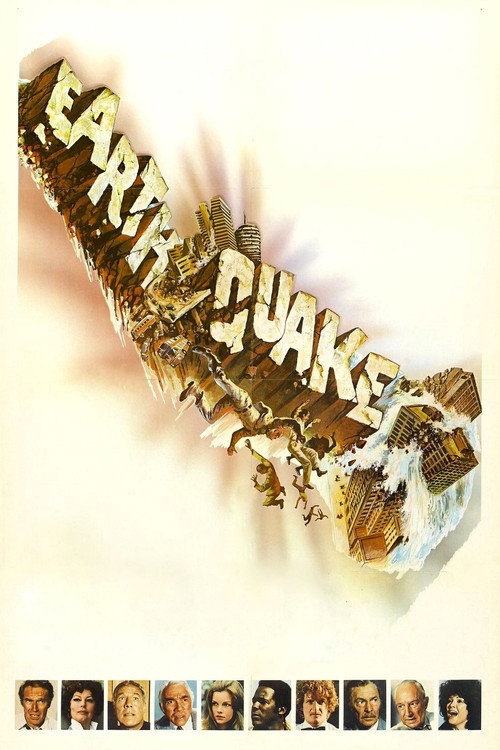
Earthquake1974
Another disaster epic from the same era, with similar technical ambition and that same conviction that catastrophe deserves three hours. Charlton Heston and George Kennedy in a Los Angeles cracking apart beneath them.
But The stock characters and romantic subplot feel like obligations the film trudges through between the destruction sequences.
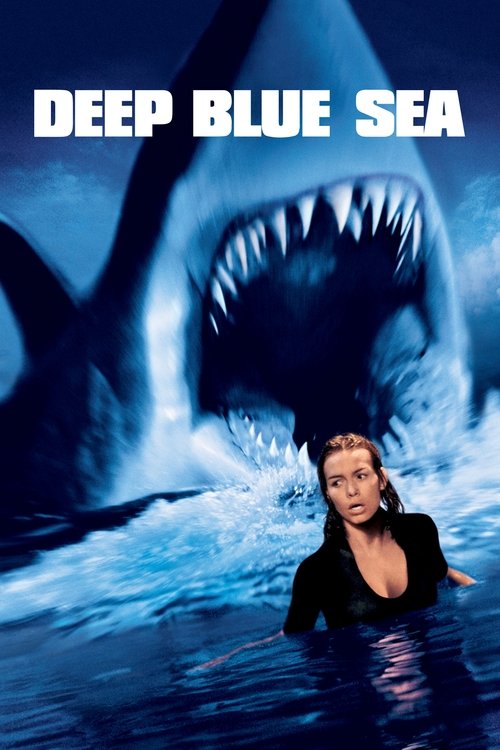
Deep Blue Sea1999
Genetically modified sharks in an underwater facility. Less about geopolitics than Submersion, but it has the same logic: scientists made a mistake, nature is indifferent, and people will die solving it. Taut and surprisingly nasty.
But It's basically a slasher film with sharks. If you're looking for real tension rather than bodies accumulating, this doesn't think as hard.
Not sure tonight? Get a pick in a minute, starting from Submersion of Japan
The wildcard
Something you would not have found on your own.
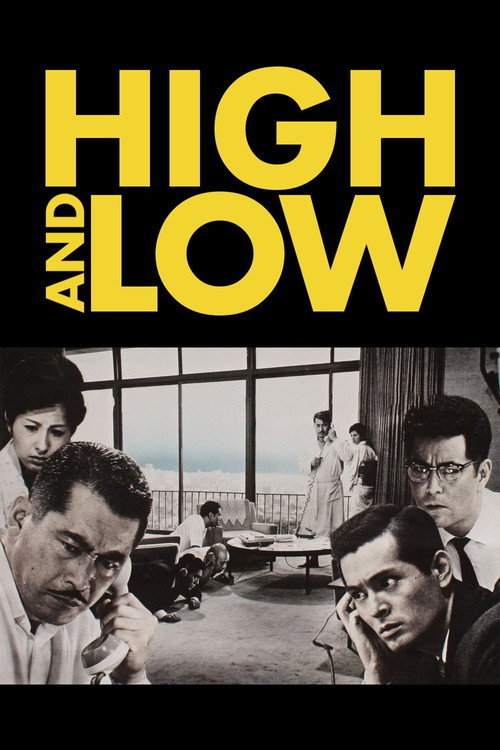
High and Low1963
Both examine how catastrophe (literal or social) strips away pretense and exposes what a society actually values. Both are Japanese films of their era wrestling with what it means when safety is revealed as fiction.
Kurosawa's masterpiece about a kidnapping that exposes the chasm between rich and poor in Tokyo. Structurally and morally, it's about systems breaking down and the illusion of security. The crisis isn't geological but social, and it's far more devastating.
But It's deliberately paced and primarily a character study in the second half, not an action film.
More like this (7)
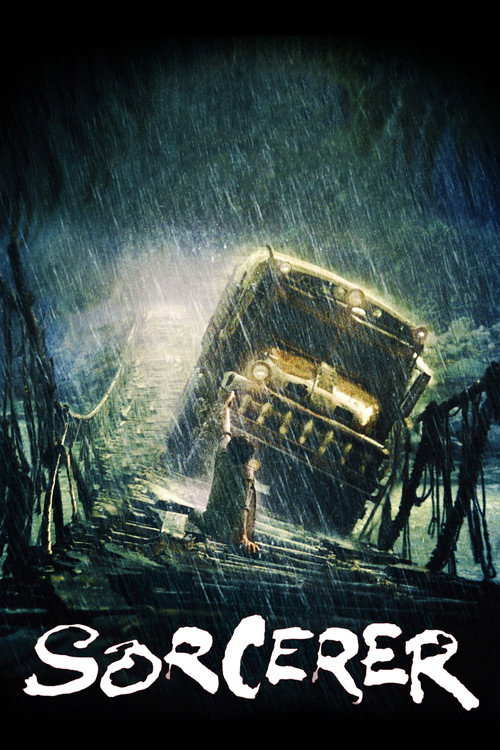
Sorcerer1977
Friedkin's slow-burn masterpiece about four men driving trucks full of nitroglycerine through a jungle. Same era, same control of dread, same refusal to give you easy answers. Hypnotic and brutal.
But Long stretches feel like nothing is happening, and it demands patience before the actual suspense kicks in.
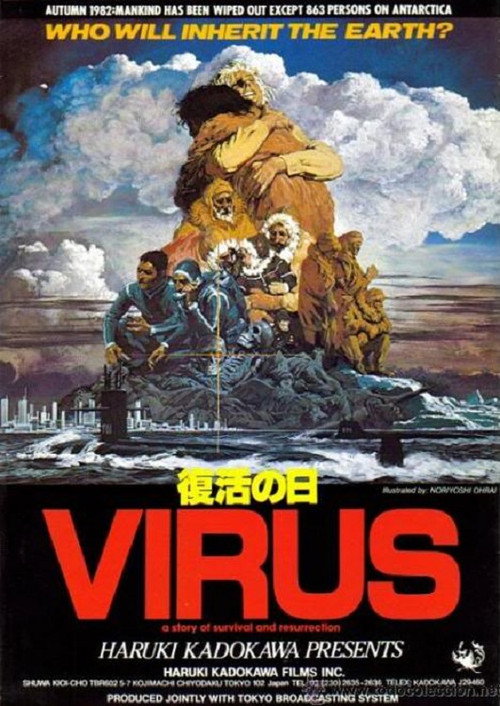
Virus1980
A Japanese disaster film (though made for American audiences) about a plague wiping out the planet. Even more apocalyptic in scope than Submersion, with a genuine ensemble cast and real stakes for every nation on Earth.
But The dialogue is clunky and the various national delegations feel like cardboard cutouts of international concern.
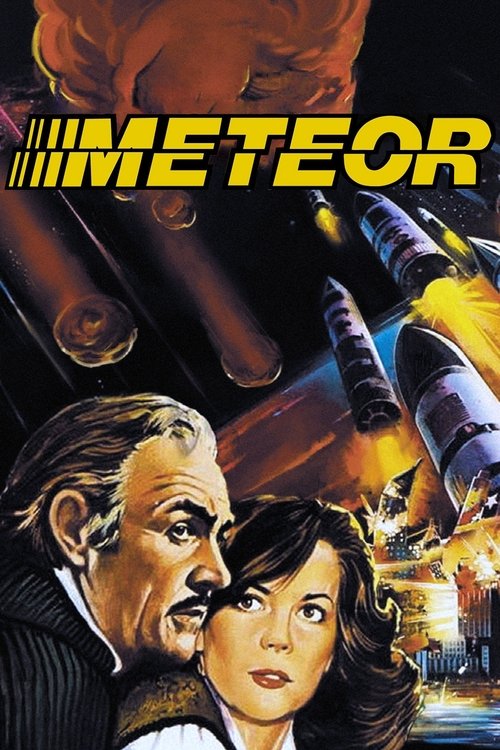
Meteor1979
A meteor headed for Earth, scientists and politicians at odds, Soviet-American cooperation threading through everything. The same DNA as Submersion—catastrophe as both technical and geopolitical puzzle.
But It's cheaper-looking than Submersion and less committed to making you feel the weight of what's at stake.
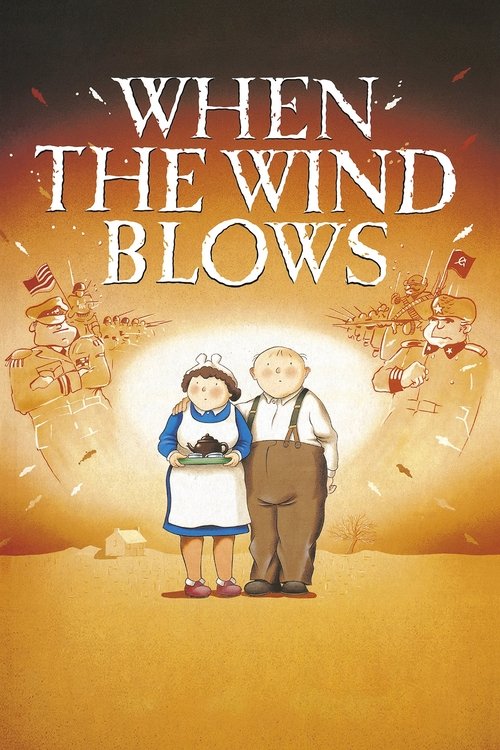
When the Wind Blows1986
An animated film about an elderly couple preparing for nuclear war, following a government pamphlet. Quiet, heartbreaking, and about systems failing the people they're meant to protect. Very different in tone but spiritually aligned.
But It's melancholic to the point of being hard to watch. There's no action, no escape, no reprieve.
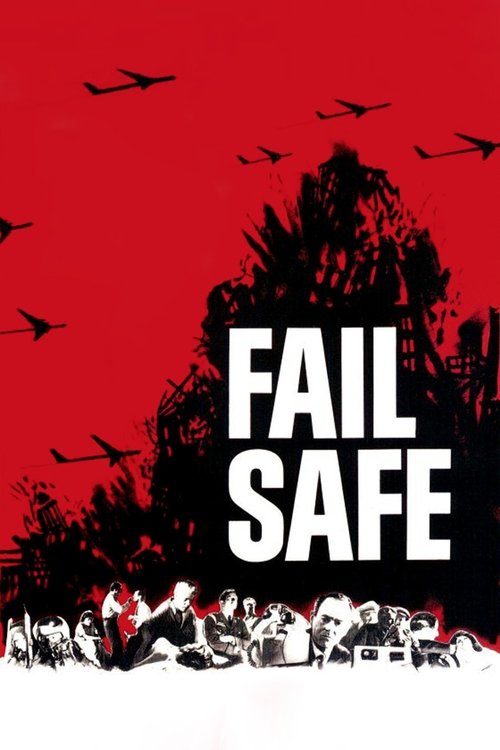
Fail Safe1964
A B-52 is locked into a nuclear strike on Moscow by computer error. Black and white, relentlessly tense, about intelligent people watching catastrophe unfold with no way to stop it.
But It's deliberately bleak and the pacing is glacial compared to 1970s disaster films.
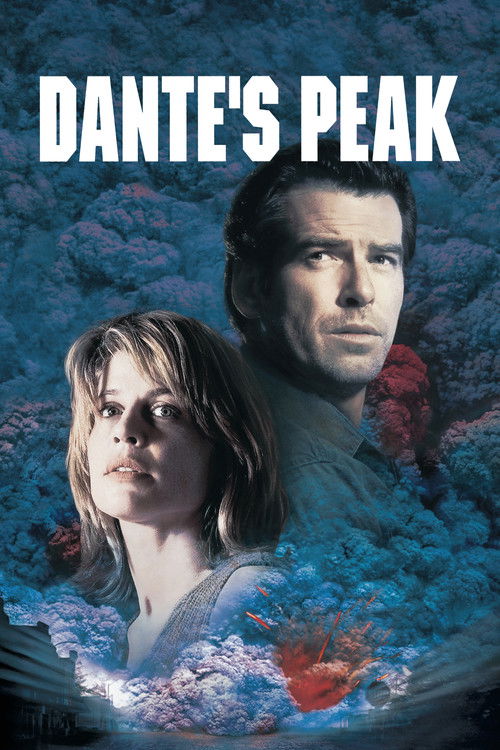
Dante's Peak1997
Pierce Brosnan as a volcanologist trying to evacuate a small town. Pure popcorn spectacle, but it gets the volcanology right and doesn't condescend to its characters' fear.
But It's a '90s blockbuster with a romantic subplot that stops the momentum dead whenever it arrives.
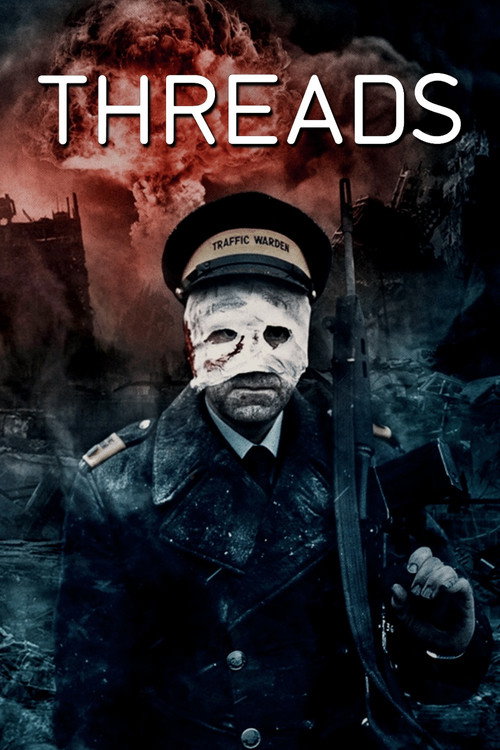
Threads1984
Both are methodical procedurals about nations confronting extinction. One is a thriller, one is an autopsy of the same scenario. Same DNA, opposite conclusions.
A BBC mockumentary about nuclear war hitting Sheffield. Documentary realism, no score, no heroes—just the actual logistics of collapse. Submersion treats apocalypse as solvable; Threads shows you what happens when it isn't.
But It's genuinely nihilistic and visually degrading to watch. There is no catharsis and no escape.
People
Cast
 Keiju KobayashiDr. Tadokoro
 Hiroshi FujiokaOnodera Toshio
 Ayumi IshidaAbe Reiko
 Tetsuro TambaPrime Minister Yamamoto
 Shōgo ShimadaOld man Watari
 John FujiokaNarita
- Andrew HughesAustralian Prime Minister
- Franz GruberUnited Nations Committee member
 Nobuo NakamuraJapanese Ambassador
 Haruo NakajimaPrime Minister's Chauffeur
 Hideaki NitaniDr. Nakata
 Isao NatsuyagiYuki
Directing
- Koji HashimotoAssistant Director
- Takao OkawaraAssistant Director
- Shirō MoritaniDirector
Writing
- Sakyo KomatsuNovel
- Shinobu HashimotoScreenplay
Production
- Osamu TanakaExecutive Producer
- Tomoyuki TanakaExecutive Producer
- Takahide MorichiProduction Manager