
Film
When the Wind Blows
Raymond Briggs' watercolour nightmare: a sweet, doddery English couple prepare for nuclear war using leftover Blitz spirit and government pamphlets, sure that stiff upper lips and a sturdy door will see them through. The animation stays gentle and homely even as the film curdles into something unbearably sad. Ninety minutes of cosy Englishness dismantled with surgical cruelty — not for children, whatever the medium suggests.
If you liked this
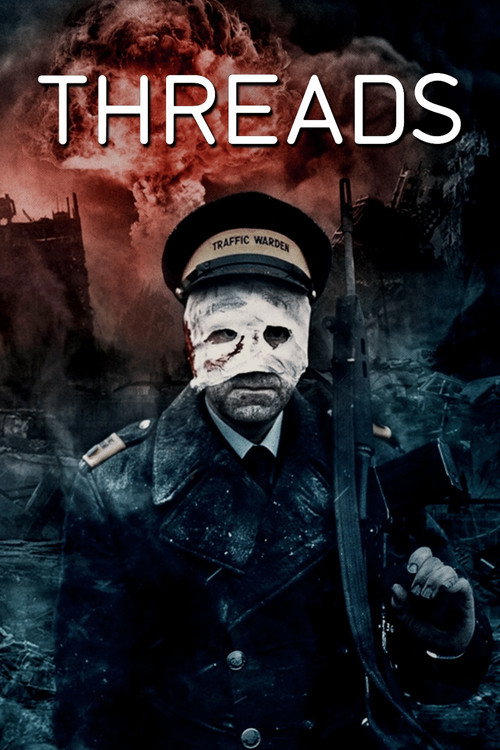
Threads1984
The other great British nuclear film, and the one that goes where Wind Blows only implies — documentary-flat, relentless, and still the most frightening thing the BBC ever broadcast.
But Genuinely traumatising. No warmth, no relief, no jokes. This is bleakness as an act of public service.
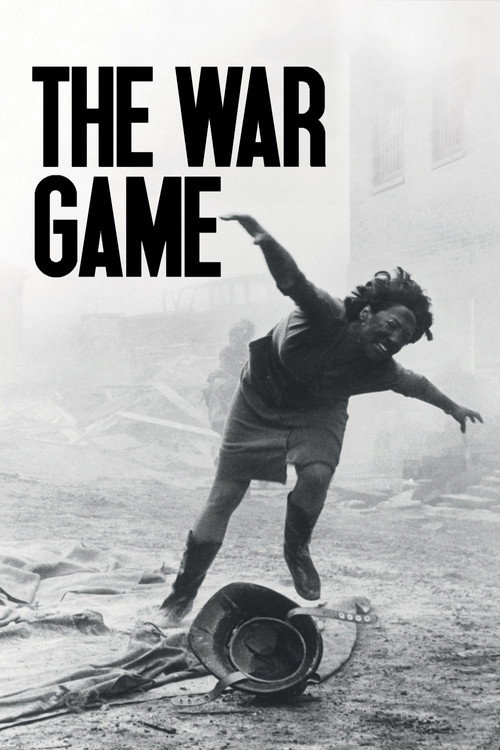
The War Game1966
The mockumentary that started this whole tradition — the BBC banned it for over a decade because it was too plausible. Cold, clinical, and still devastating sixty years on.
But Grainy, dated visually, and structured like a civil defence briefing rather than a story.
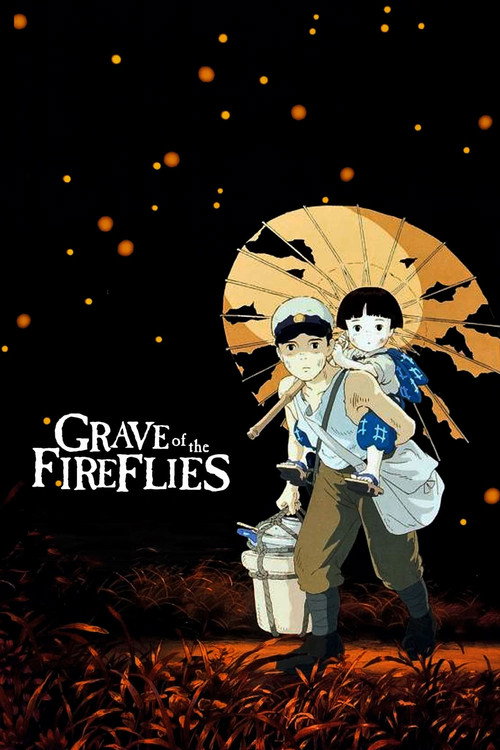
Grave of the Fireflies1988
Proof that animation aimed at grief hits harder than live action ever manages — a sibling survival story set in firebombed Japan, tender and unbearable in exactly the way Briggs' film is.
But It will wreck you for days. Some people never watch it twice, and mean it as praise.
The wildcard
Something you would not have found on your own.
The Snowman1982no page yet
Raymond Briggs wrote both, and the same gentle British animation house made both — proof that the warmth is a choice, not an accident, and that Wind Blows weaponises it.
Same author, same studio, same soft pastel animation style — but here it's used for pure wordless wonder instead of annihilation. Watching it right after Wind Blows is like seeing the knife before it's used.
But No connection to nuclear anything on its surface — it's a children's Christmas special, which is exactly the point and exactly the risk.
More like this (8)
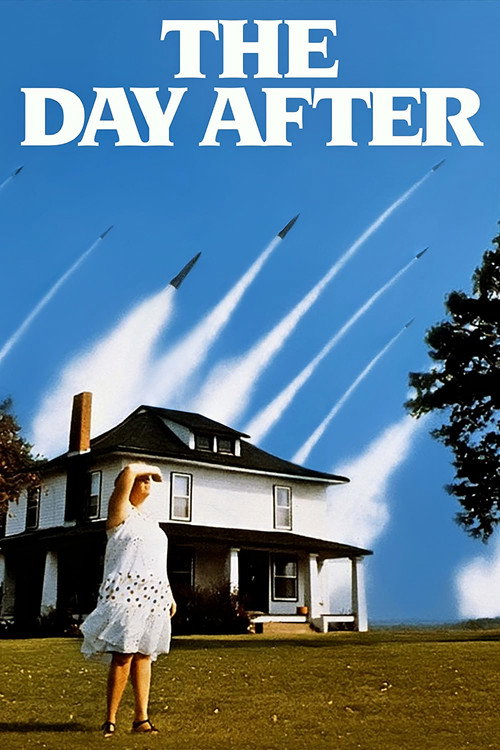
The Day After1983
American TV took its own swing at the same fear, with a small-town Kansas cast and a budget big enough to make the blast itself iconic. It scared Reagan; that's the pitch.
But Broader and more melodramatic, with a TV-movie cast list and pacing to match.
Testament1983
A quiet suburban mother holds her family together after the bombs fall elsewhere — no mushroom cloud, just the slow, domestic unravelling that follows. Devastating in a minor key.
But Very slow and very sad, with almost no plot momentum to hide behind.
Fail Safe1964
A taut, sweaty thriller about accidental annihilation, played dead straight — the tension Dr. Strangelove mocked, delivered here with total sincerity and a gut-punch ending.
But Talky and stagebound; it's a film of phone calls and war rooms, not action.
Dr. Strangelove or: How I Learned to Stop Worrying and Love the Bomb1964
The same nuclear dread, filtered through savage comedy instead of tragedy — essential if you want to see the fear laughed at rather than mourned.
But Its satire is broad and theatrical; tonally it's the opposite of everything Wind Blows is doing.
On the Beach1959
An older, more genteel apocalypse — survivors in Australia counting down to radiation sickness with stiff-upper-lip resolve that Jim and Hilda would recognise instantly.
But Stately 1950s pacing and a romance subplot that dates it more than the subject matter does.
Z for Zachariah2015no page yet
A smaller, quieter post-nuclear survival story, more about isolation and trust than spectacle — a decent low-key nightcap if the others feel too monumental.
But Modest and a little slight next to the heavier hitters on this list; easy to forget.
Protect and Survive1976no page yet
This is the literal source material the film satirises — Jim's misplaced faith in government advice is Briggs dramatising these exact broadcasts almost line for line.
The actual UK government public information films Jim quotes almost verbatim — calm voiceovers explaining how to whitewash your windows and bury your dead, filmed for real. Eerier than any drama because nobody was joking.
But These are short, dry filmstrips, not entertainment — there's no story, just fifteen minutes of quiet institutional horror.
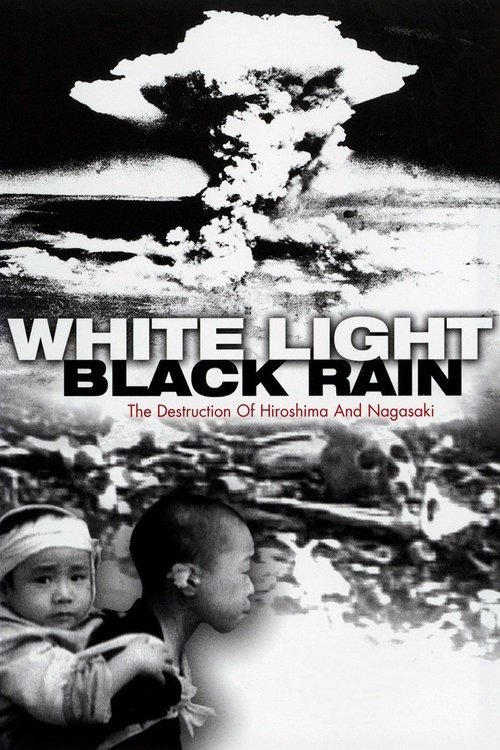
White Light/Black Rain: The Destruction of Hiroshima and Nagasaki2007
Both are about civilian innocence meeting a weapon nobody had prepared them for; the documentary supplies the historical weight the cartoon can only gesture at.
Elderly survivors, decades on, telling you plainly what an atomic bomb actually does to an ordinary town full of ordinary people who trusted they'd be fine. It's the true story Wind Blows is a parable of.
But There's no animation, no fiction, no distance to hide behind — just testimony, and it's as heavy as that sounds.
People
Cast
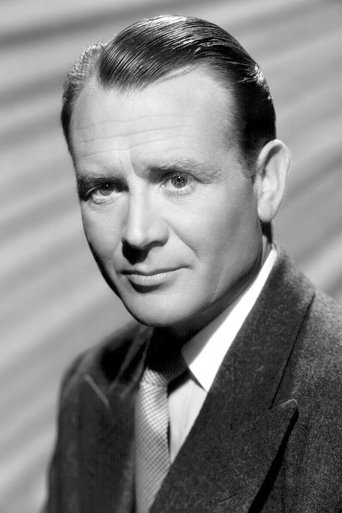 John MillsJim Bloggs (voice)
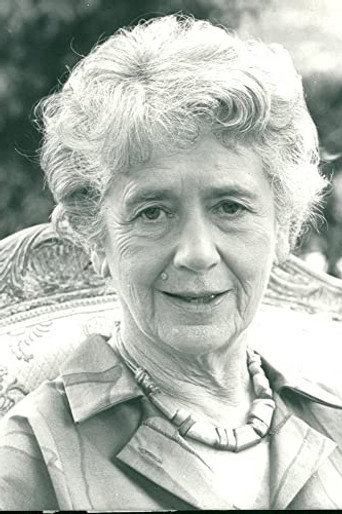 Peggy AshcroftHilda Bloggs (voice)
 Robin HoustonRadio Announcer (voice)
- James RussellRussian submariner (voice)
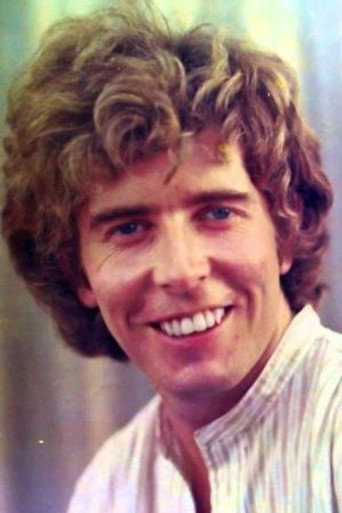 David DundasAdditional Voices (voice)
- Matt IrvingAdditional Voices (voice)
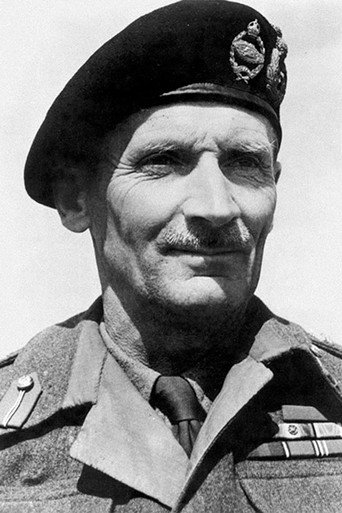 Bernard MontgomerySelf (archive footage)
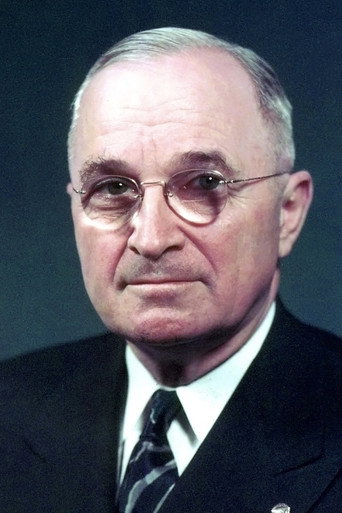 Harry S. TrumanSelf (archive footage)
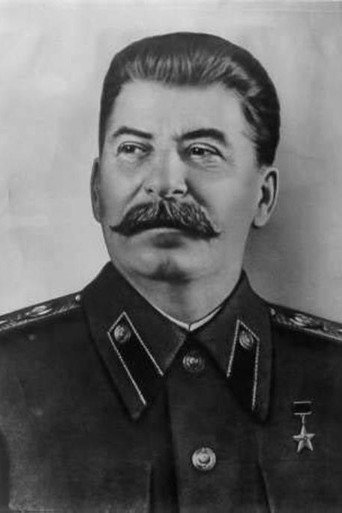 Joseph StalinSelf (archive footage)
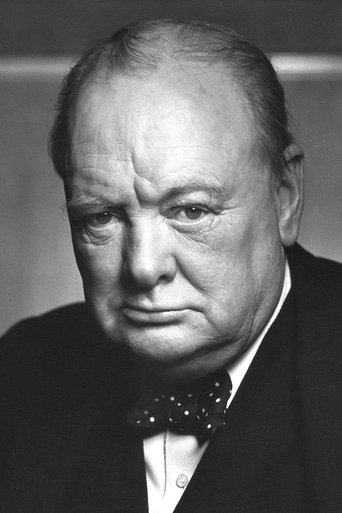 Winston ChurchillSelf (archive footage)
Directing
- Jimmy T. MurakamiDirector
- Gary McCarverLayout
Writing
- Raymond BriggsGraphic Novel
- Raymond BriggsScreenplay
Production
- Iain HarveyExecutive Producer
- John CoatesProducer
Recommended by
Fail Safe, Threads, Command and Control, Don't Look Up, The War Game, Cargo, Barefoot Gen, The Atomic Cafe