
Film
Protect and Survive
- Horror
- Dip in and out
A stark 1976 British government animation about surviving nuclear war. Deadpan narrator, austere graphics, practical advice delivered with bureaucratic calm. It's unintentionally chilling—the gap between what's being suggested and what's actually survivable creates dark comedy and genuine dread in equal measure. For anyone fascinated by Cold War culture, institutional earnestness, or how governments speak to citizens in extremis.
Should you watch it?
Watch it if you are fascinated by the gap between bureaucratic calm and catastrophe, and enjoy hearing a government voice reassure you about something unthinkable.
Skip it if you want something to lift your mood, since the subject is nuclear dread and the tone stays flat and bleak throughout.
What it asks of you: Forty-eight minutes of patient, deadpan narration with no story to hang onto, so you need to settle into its dry rhythm rather than wait for drama.
Not sure? Find tonight's pick in a minute.
If you liked this
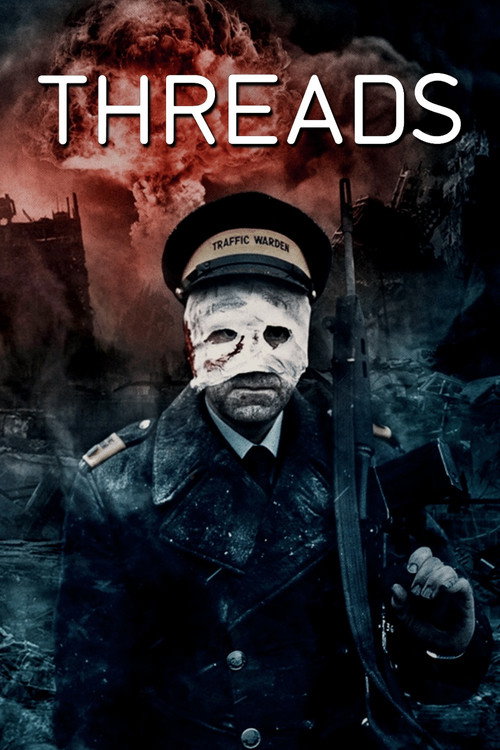
Threads1984
A Sheffield-set nuclear war drama that takes the scenario *Protect and Survive* describes and shows what actually happens. Brutally realistic, visually devastating, and the logical endpoint of the civil defence mindset.
But Genuinely nihilistic and harrowing. Not a film that ends with catharsis or hope. It sits with you for days.
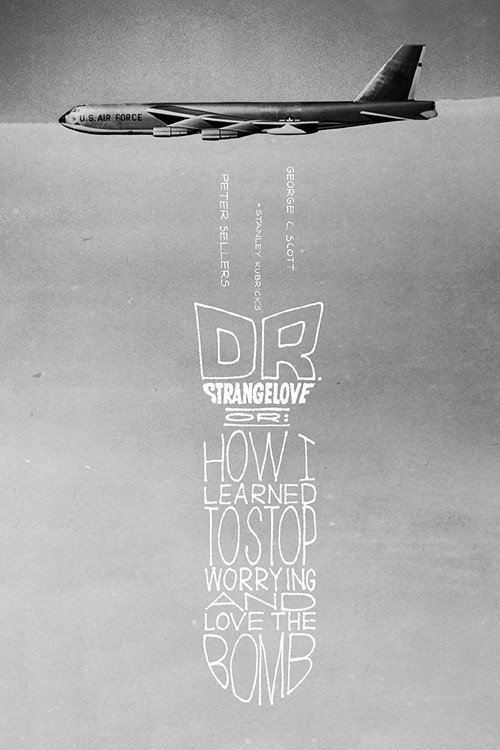
Dr. Strangelove or: How I Learned to Stop Worrying and Love the Bomb1964
Kubrick's dark comedy about nuclear brinkmanship captures the same era's terror through absurdist satire. If you're drawn to the surreal distance between official rhetoric and reality, this is essential.
But The humour is pitch-black and relies on understanding Cold War politics. Some find it dated; others find that datedness part of its power.
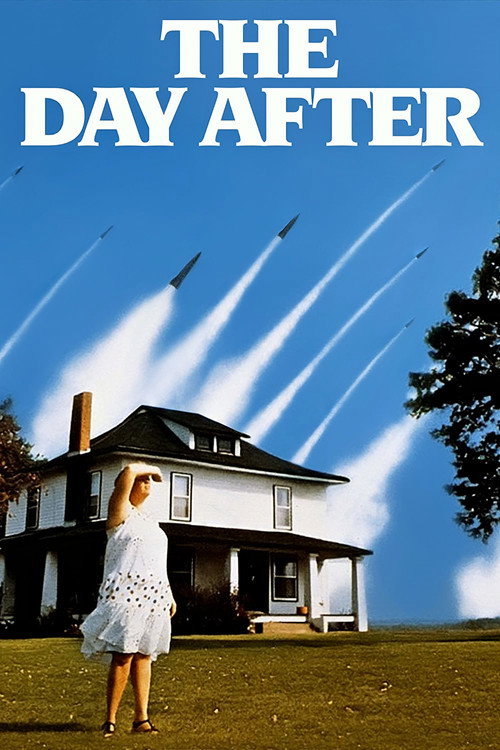
The Day After1983
American TV's answer to *Threads*—a Kansas town before and after nuclear strike. Slower, more intimate, and oddly more devastating for its earnestness. A cultural artifact in itself.
But Pacing is deliberate to the point of slowness. The TV movie format means it softens some of what real aftermath would be. Uneven in places.
Not sure tonight? Get a pick in a minute, starting from Protect and Survive
The wildcard
Something you would not have found on your own.
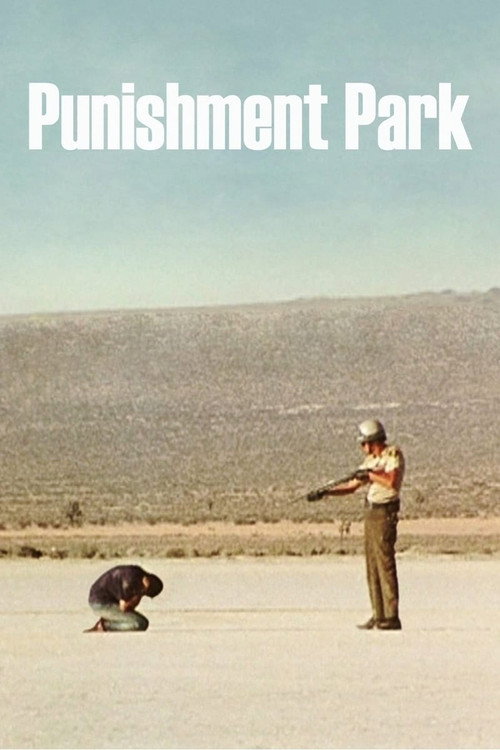
Punishment Park1971
Both are government-adjacent cultural artifacts about state control dressed as public information. Both assume ordinary people will comply with extraordinary instructions. Both feel like they're warning you while pretending to help.
A faux-documentary set in a near-future America where political dissenters are hunted in the desert under martial law. Shot with pseudo-news aesthetic that's now unsettling. Same era as *Protect and Survive*, same paranoia, different angle—government power through sport rather than procedure.
But The found-footage documentary format hasn't aged well technically; it's deliberately ugly and hard to watch. Political messaging is blunt. Some scenes of violence are rough.
More like this (7)
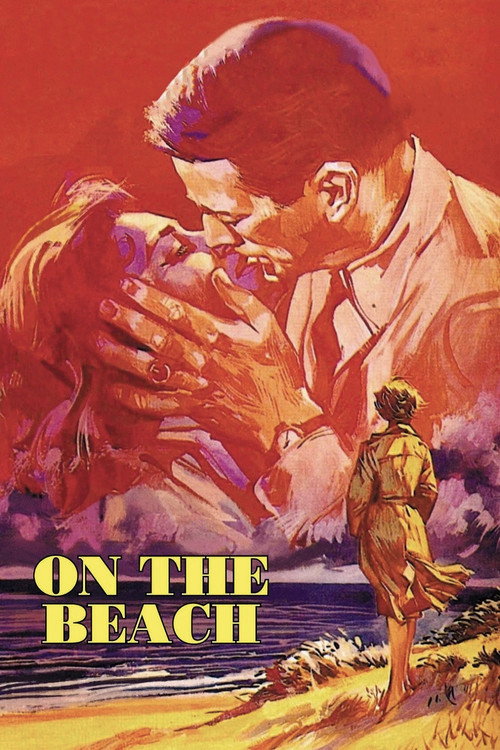
On the Beach1959
An earlier nuclear apocalypse film, elegantly made and philosophically serious. The slow contamination scenario it depicts is genuinely creeping. Stanley Kramer's most sombre work.
But 1950s melodrama sensibilities mean emotional beats sometimes feel dated. The pacing is stately rather than urgent.
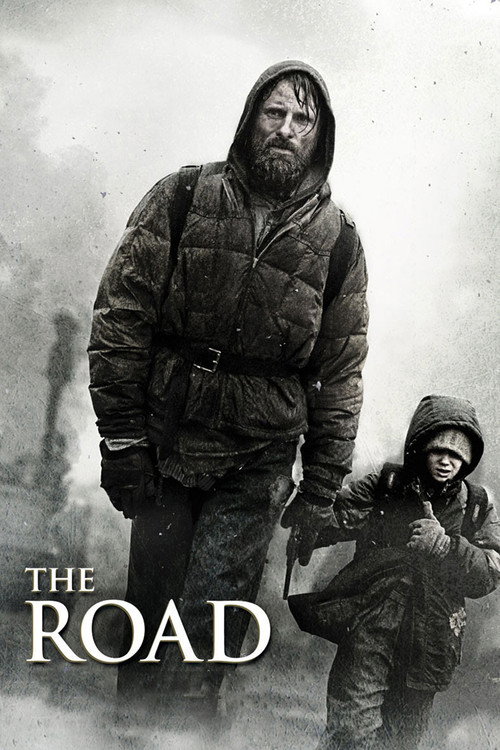
The Road2009
Post-apocalyptic but not about the moment—about survival, fatherhood, and carrying on. Cormac McCarthy's novel adapted with restraint and ash-grey beauty. The same questions about worth of survival as *Protect and Survive* implies.
But Bleak without relief. Long stretches of grey landscape and quiet desperation. Not for anyone wanting hope or narrative momentum.
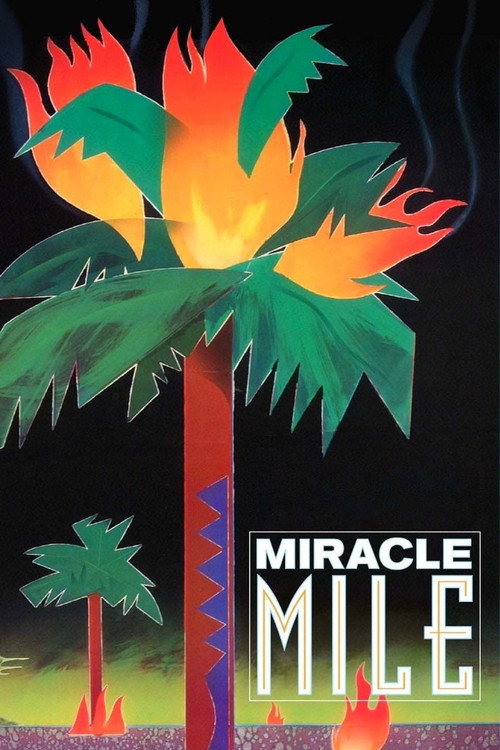
Miracle Mile1989
A couple's date night in LA interrupted by an overheard phone call about incoming nuclear missiles. Taut, ingenious, and captures the disorientation of ordinary people confronting extraordinary crisis.
But Rides on a central conceit that only works if you accept it early. Some find the tonal shift jarring. Lesser-known and harder to sit with than bigger apocalypse films.
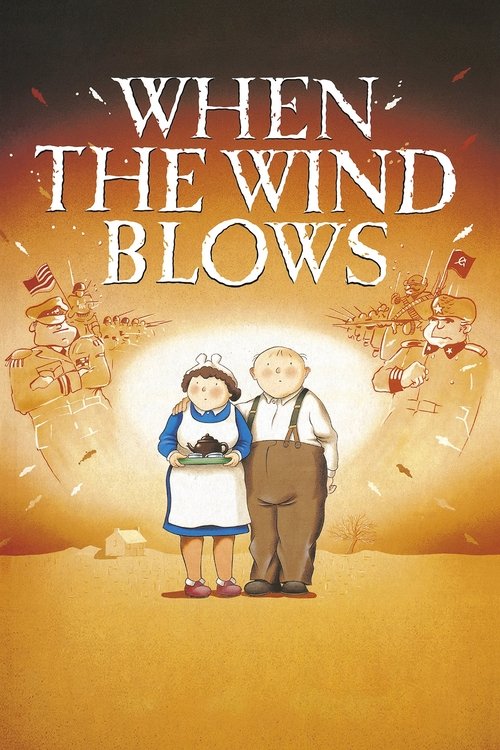
When the Wind Blows1986
A British animated film of Raymond Briggs' graphic novel. An elderly couple prepares for nuclear war following government advice—with devastating results. Heartbreaking, hand-drawn, and the animation makes it more painful, not less.
But The gap between the couple's gentle faith in authority and what actually happens is so cruel it borders on unwatchable. Animation doesn't soften it; it sharpens it.
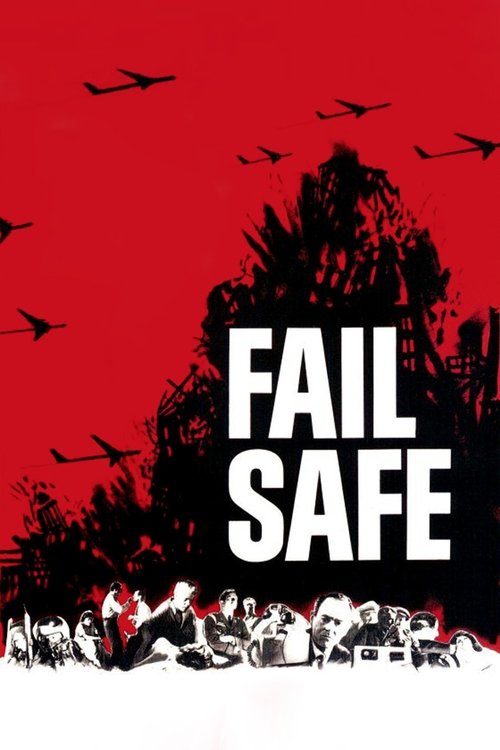
Fail Safe1964
Taut, methodical thriller about a technical failure triggering accidental nuclear war. Black and white, no music, almost real-time. Shows how rational systems can produce irrational outcomes.
But Very of its moment. The bureaucratic language and decision-making procedures might feel slow to modern viewers. Some find it more intellectual than emotionally gripping.
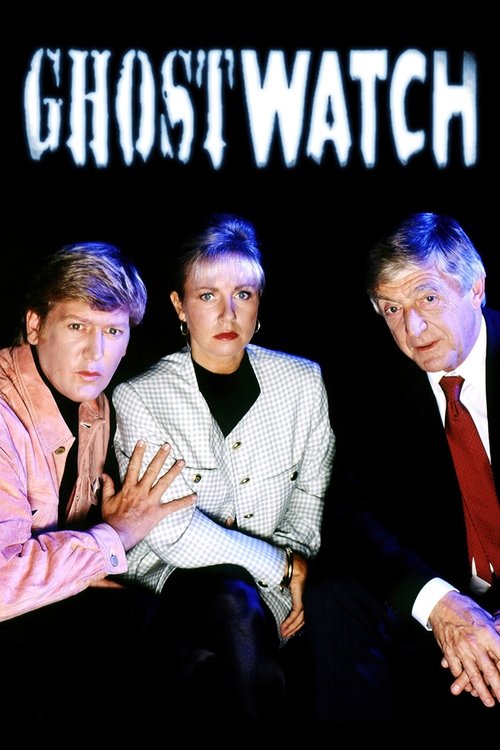
Ghostwatch1992
Both use the assumed authority of official British media to present something unsettling as fact. Both exploit the viewer's trust in institutions. Both are scarier for being calmly delivered.
A BBC television broadcast (presented as live) investigating a haunted house. When you realize it's fiction, you've already been fooled—the form *is* the content. Uses the authority of broadcast TV to blur truth and fiction, not unlike civil defence information did.
But Genuinely upsetting in ways that feel almost personal. Caused actual complaints to the BBC. Doesn't work if you know it's staged going in. The horror is in the format, not plot.
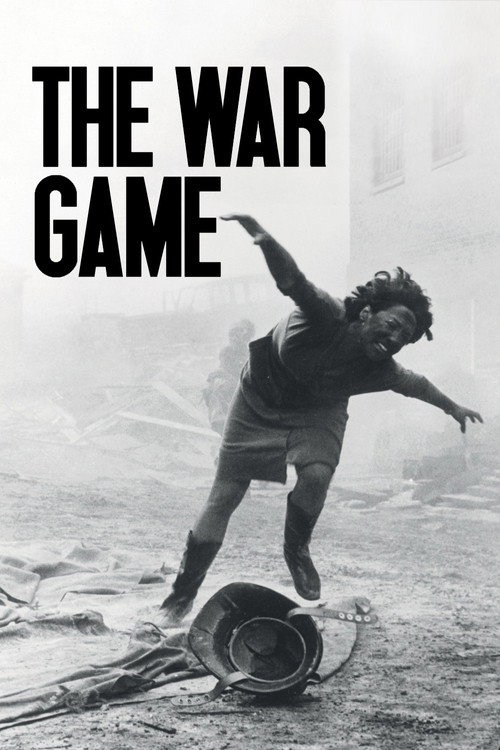
The War Game1966
The inverse relationship: *Protect and Survive* was government information meant to be calming; *The War Game* is documentary truth the government didn't want you to see. They're about the same event, but one lies to comfort you and the other tells truth to horrify.
A banned BBC mockumentary showing nuclear war's actual effects on British civilians in unprecedented detail. Government suppressed it for 20 years. Shot like a real documentary but far more honest about survivability than *Protect and Survive* was willing to be.
But Genuinely disturbing imagery of radiation sickness and social collapse. The banned history makes it feel transgressive but also earnest in a way some find didactic. Dated in some details.
People
Cast
 Patrick AllenNarrator
Directing
- Bill StewartDirector
Production
- Bruce ParsonsProducer