
Film
The Day After
The Day After is the TV movie that terrified a generation — a plain, unflinching dramatization of what a nuclear strike does to an ordinary Kansas town and the people in it, before and after. It's not an action film; it's about waiting, then aftermath: burns, radiation sickness, a country stripped of illusions. Sober, deliberately unsentimental, and built to be watched by everyone, not just genre fans.
If you liked this
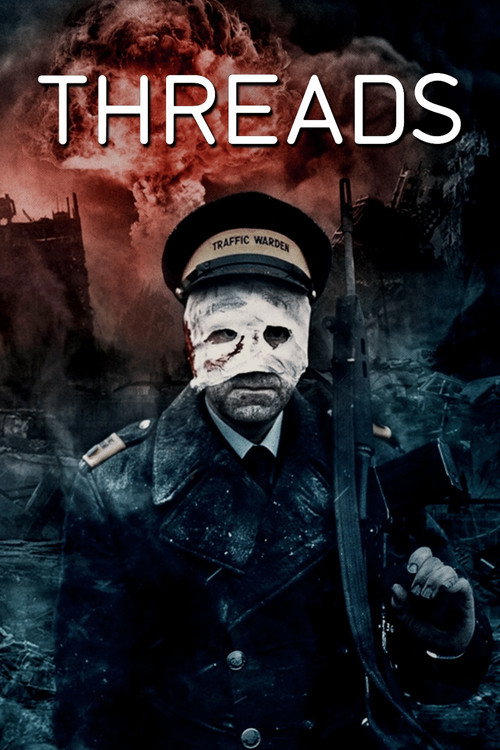
Threads1984
Britain's answer to The Day After, and arguably bleaker still — it follows a Sheffield family through the strike and years of grinding aftermath, refusing every comfort this film allows.
But Punishingly grim with zero uplift; some viewers find it too relentless to sit through twice.
Testament1983
Released the same year, it trades spectacle for intimacy, following one California mother and her children through radiation sickness with a quiet, devastating restraint that rivals anything here.
But Slower and more domestic than The Day After; if you wanted scale or event-movie energy, this won't deliver it.
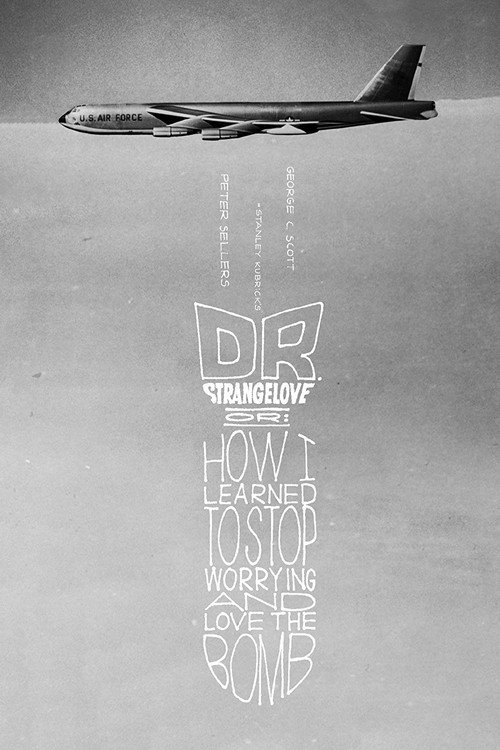
Dr. Strangelove or: How I Learned to Stop Worrying and Love the Bomb1964
Kubrick's pitch-black satire of the same nuclear brinkmanship, proving the fear fueling The Day After was already curdling into absurdist comedy two decades earlier.
But Its farce and irony are a hard tonal swing from The Day After's sobriety, and some prefer the subject played straight.
The wildcard
Something you would not have found on your own.
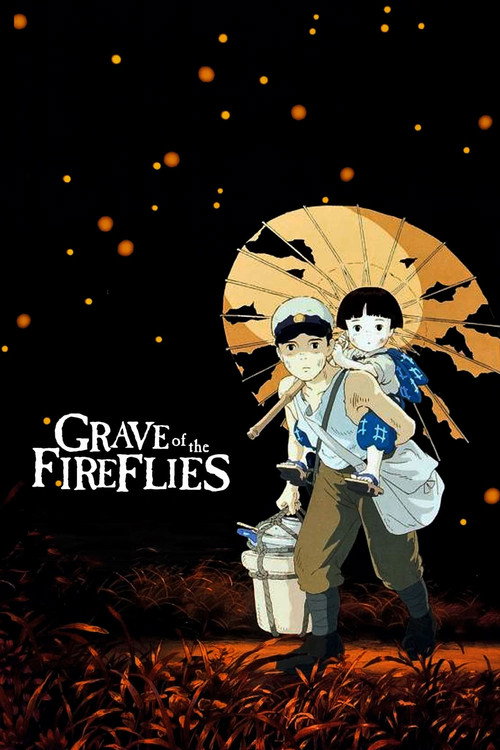
Grave of the Fireflies1988
The Day After imagines nuclear catastrophe happening to Americans; this animated Japanese film shows the actual firebombing and its long, wasting aftermath from a child's point of view — the same slow horror of survival, but from the other side of the fire, rendered in a medium built for warmth and turned instead to grief.
One of the most devastating animated films ever made, following two siblings trying to survive in the ashes of wartime Japan — it does for real historical destruction what The Day After imagines for a fictional one.
But It is genuinely one of the saddest films that exists; go in braced, not for a casual watch.
More like this (8)
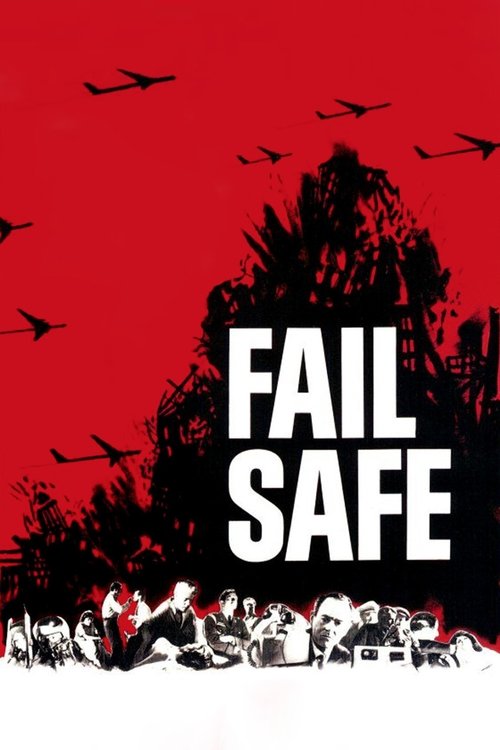
Fail Safe1964
The serious mirror to Strangelove, made the same year: a tense procedural about a mechanical glitch that nearly ends the world, with the same dread as The Day After but no aftermath, just the countdown.
But Talky and stagebound by today's standards, with less visceral horror than watching the blast's consequences unfold.
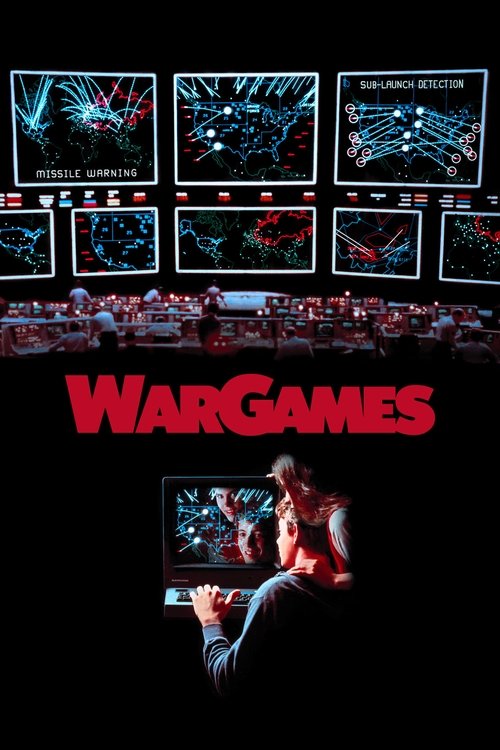
WarGames1983
Same year, same anxiety, wildly different register: a teenage hacker nearly triggers Armageddon in a Cold War thriller that's fun, fast, and still sharp about the terror underneath.
But It's entertainment first, anxiety piece second; those wanting weight and consequence may find it too breezy.
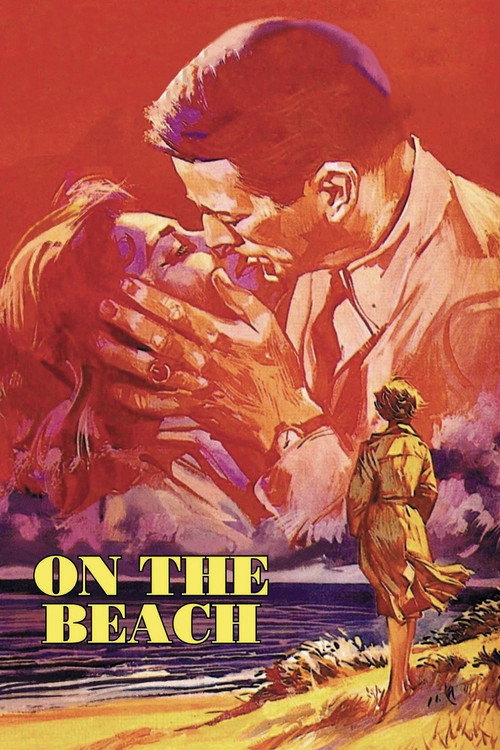
On the Beach1959
An earlier, quieter vision of the end — submariners and Australians waiting out fallout drifting toward them, with a mournful, elegiac tone that predates and informs everything that followed.
But Its pace is old-Hollywood deliberate, and some of its science and gender politics show their age.
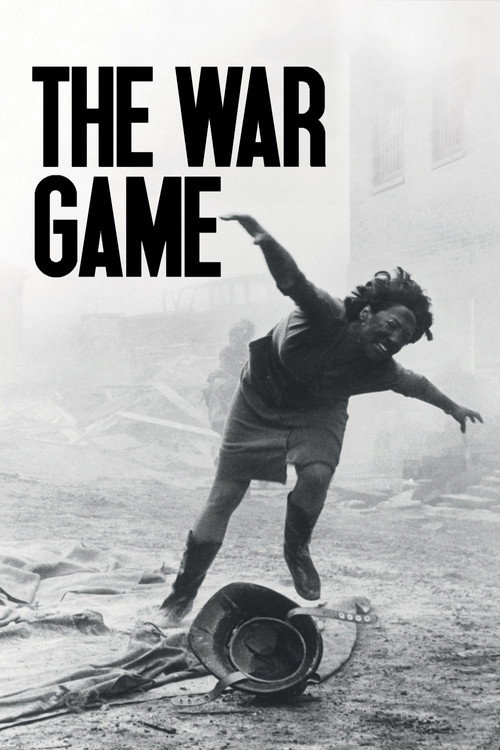
The War Game1966
The BBC docudrama so devastating the corporation shelved it for twenty years — faux-newsreel footage of a strike on Kent that clearly influenced The Day After's clinical realism.
But Short and cheap-looking by modern standards, and its faux-documentary style may feel dated next to the polish here.
Deterrence2000no page yet
A tight, talky thriller set almost entirely in a diner, where a U.S. president must decide whether to launch — a claustrophobic chamber piece for the post-Cold War nuclear conscience.
But Small-scale and dialogue-heavy; nobody watches this for visuals, and its politics can feel schematic.
Miracle Mile1989no page yet
A cult oddity where a man in LA gets an accidental phone call warning of incoming missiles and spends one increasingly frantic night trying to save the woman he just met.
But Tonally unstable — half romance, half panic attack — and its cult status means it's rougher and stranger than a studio production.
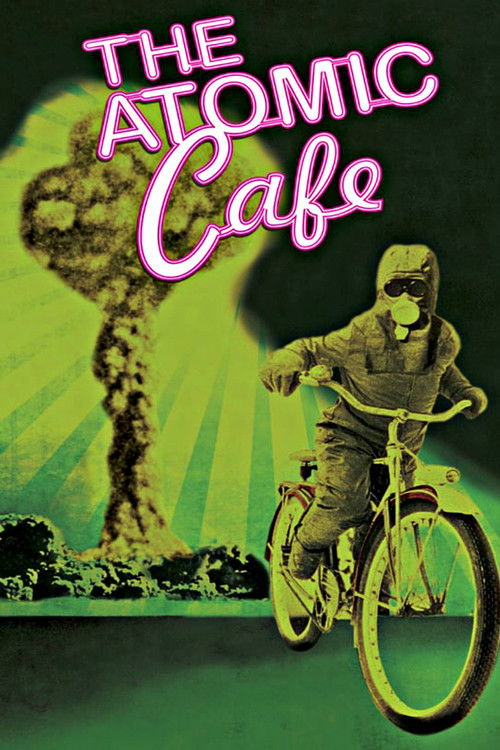
The Atomic Cafe1982
Same fear, opposite method: where The Day After dramatizes the bomb's consequences, this uses the government's own sunny reassurances to expose the lie underneath, turning documentary collage into the sharpest possible companion piece.
Assembled entirely from real 1950s government footage, this darkly funny documentary shows the propaganda machine The Day After was made to answer — duck-and-cover cheerfulness curdling into dread.
But No narration, no drama, just archival collage; it demands you supply the horror yourself, which not everyone wants to do.
The Bed Sitting Room1969no page yet
It takes the exact premise The Day After treats with total gravity — a society picking through nuclear wreckage — and answers it with absurdist farce, proving the same fear can curdle into comedy as easily as horror.
A surreal British comedy set twenty years after nuclear war, where survivors carry on with absurd English politeness among the rubble — Monty Python energy applied to total annihilation.
But Deliberately bizarre and stagey, with humor so dry and strange it may read as baffling rather than funny.
People
Cast
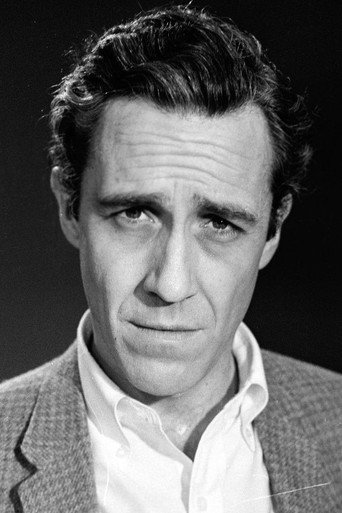 Jason RobardsDr. Russell Oakes
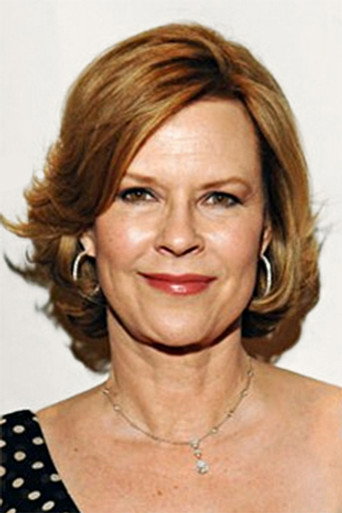 JoBeth WilliamsNurse Nancy Bauer
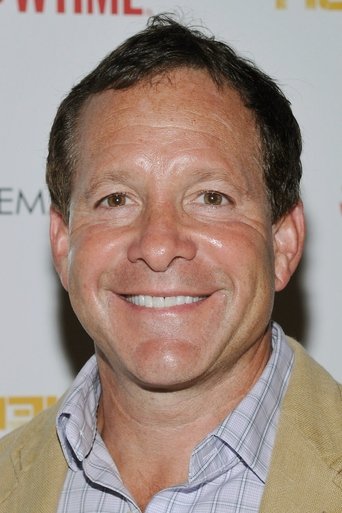 Steve GuttenbergStephen Klein
 John CullumJim Dahlberg
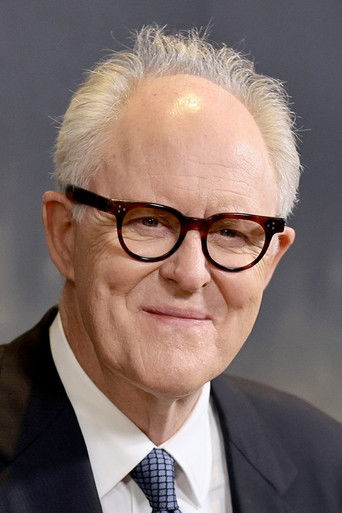 John LithgowJoe Huxley
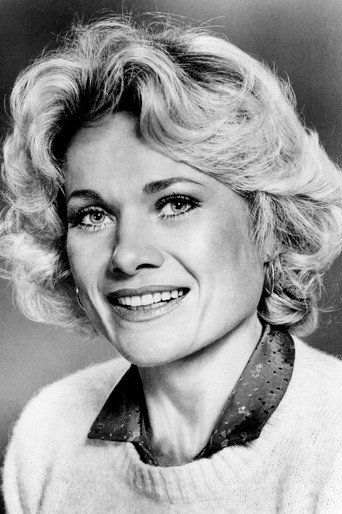 Bibi BeschEve Dahlberg
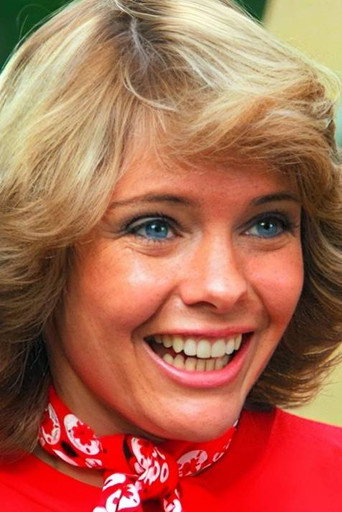 Lori LethinDenise Dahlberg
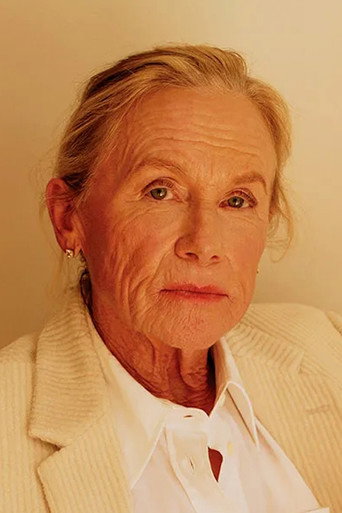 Amy MadiganAlison Ransom
 Jeff EastBruce Gallatin
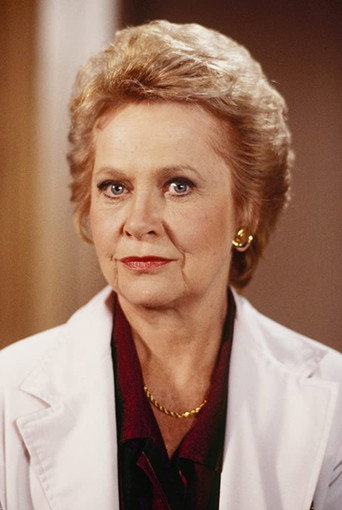 Georgann JohnsonHelen Oakes
 William Allen YoungAirman Billy McCoy
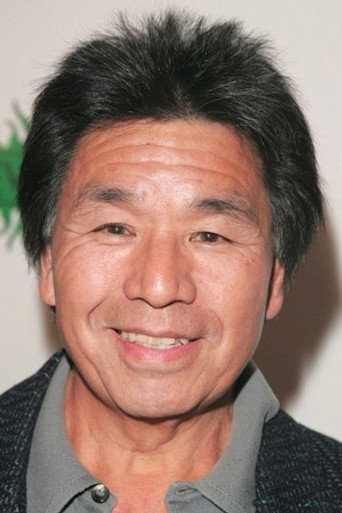 Calvin JungDr. Sam Hachya
Directing
- Nicholas MeyerDirector
- Elie CohnFirst Assistant Director
- Barbara AmatoScript Supervisor
- Gail Joyce FortmullerSecond Assistant Director
- Steven-Charles JaffeSecond Unit Director
- Scott ThalerSecond Unit First Assistant Director
Writing
- Edward HumeWriter
Production
- Stephanie AustinAssociate Producer
- Hank McCannCasting
- Ross BrownCasting
- Mary WestCasting Associate
- Jack WrightExtras Casting
- Andree JuvilerLocation Manager
- Steve DayanLocation Manager
- Robert PapazianProducer
- Hal GalliProduction Manager
Recommended by
Fail Safe, Threads, Command and Control, This Is the End, WarGames, Testament, When the Wind Blows, The War Game, On the Beach, The Atomic Cafe