
Film
Fat Man and Little Boy
A tense historical drama about the Manhattan Project's final phase, focused on the fraught partnership between military commander Leslie Groves and physicist Robert Oppenheimer as they race to build the atomic bomb. Deliberately paced, heavy with moral weight, and anchored by Paul Newman's commanding performance. For those interested in how scientific ambition and military pragmatism collide under existential pressure.
If you liked this
Oppenheimer2023
Christopher Nolan's three-hour epic gives the full biographical sweep with stunning technical precision and explores Oppenheimer's conscience in far greater depth. A natural companion that completes the picture this film only sketches.
But It's genuinely long and structurally ambitious in ways that demand your full attention. Some find Nolan's editing style exhausting rather than energizing.
The Right Stuff1983
Philip Kaufman's epic about NASA's early space program shares the same DNA: brilliant men, government bureaucracy, impossible ambitions, and the crushing weight of historical consequence. Beautifully shot and remarkably human.
But At nearly four hours, it's a commitment. The middle section drags slightly, and some supporting performances feel theatrical.
Thirteen Days2000
A different atomic crisis: the Cuban Missile Standoff seen from the Kennedy administration's war room. Claustrophobic, intellectually thrilling, and explores how rational men navigate existential stakes with imperfect information.
But Kevin Costner's Boston accent is famously distracting. The film also simplifies diplomatic complexity to fit a thriller structure.
Not sure tonight? Get a pick in a minute, starting from Fat Man and Little Boy
The wildcard
Something you would not have found on your own.
Come and See1985
Both films grapple with how the machinery of war corrupts even the most brilliant minds, but where Manhattan Project sanitizes its horror into achievement, this film refuses all comfort.
Elem Klimov's Soviet masterpiece documents the dehumanizing totality of war through a child's eyes. Visually apocalyptic and spiritually devastating. It answers the question: what is the cost of building anything when civilization collapses?
But One of cinema's most traumatizing films. It's brutally graphical, unrelentingly bleak, and designed to break you. Not cathartic—just true.

More like this (8)
The Manchurian Candidate1962
Frankenheimer's paranoid Cold War masterpiece about science, government control, and moral compromise. Taut, darkly funny, and aesthetically brilliant in ways that feel completely modern.
But The pacing is deliberate and sometimes feels dated. It's also genuinely unsettling in ways some find more distressing than rewarding.
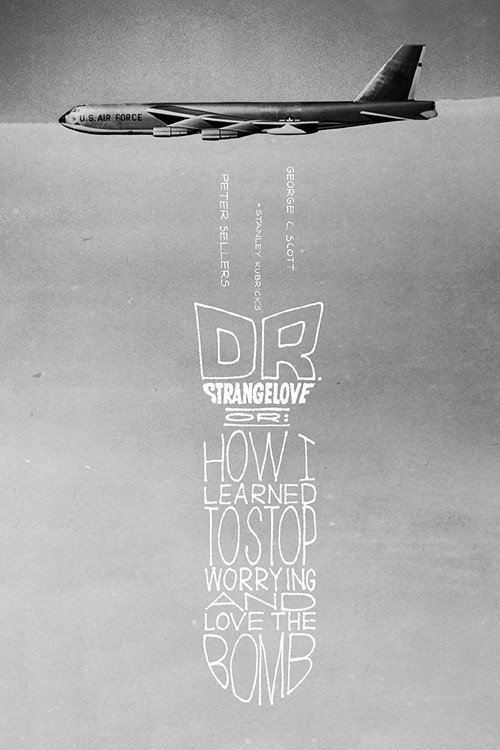
Dr. Strangelove or: How I Learned to Stop Worrying and Love the Bomb1964
Kubrick's savage satire uses the atomic bomb as a mirror to American military logic. Hilarious and horrifying simultaneously, with Peter Sellers delivering multiple career-best performances.
But The comedy comes from the terror itself—if dark absurdism about nuclear annihilation doesn't appeal to you, nothing here will land.
The Fog of War2003
Errol Morris's documentary of Robert McNamara examining how intelligent, well-meaning men make catastrophic decisions. A profound meditation on power, regret, and the gap between intention and consequence.
But It's a talking-head documentary with archival footage. If you need plot momentum or action, this offers neither.

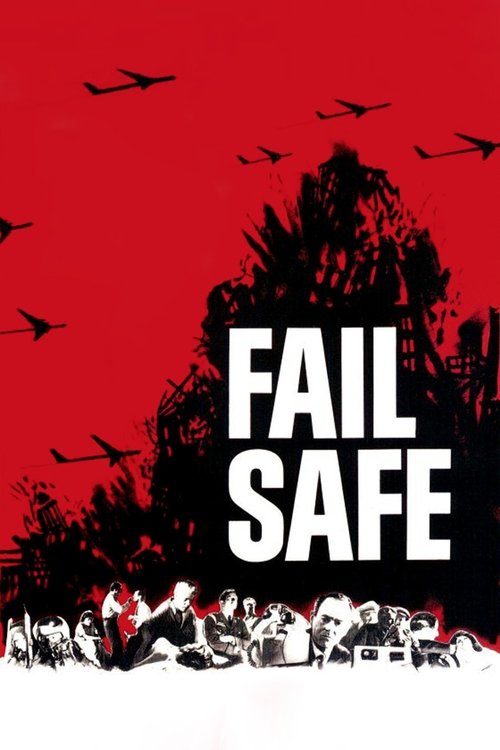
Fail Safe1964
A taut, terrifying procedural about nuclear deterrence gone wrong. Sidney Lumet directs with surgical precision; watching systems fail in real time is genuinely suspenseful.
But Shot in black and white and deliberately austere. The Cold War logic feels remote, and the ending is philosophically bleak.
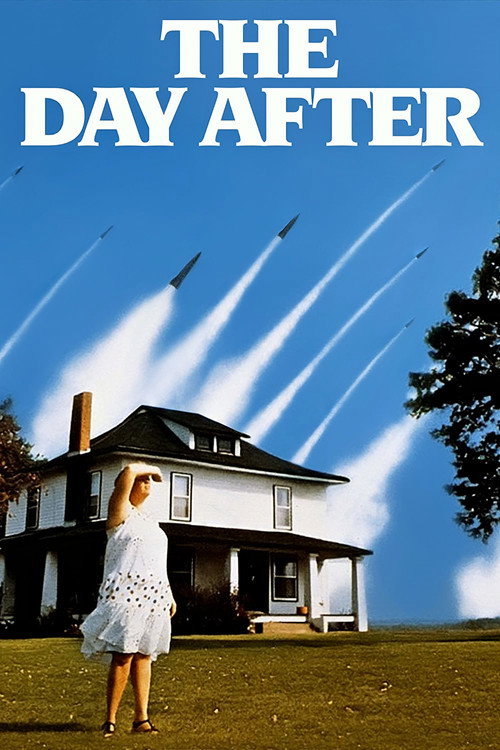
The Day After1983
Made-for-TV but devastatingly effective. Shows the human cost of nuclear war without sentimentality, following ordinary people through an unthinkable day. Haunting and urgent.
But The production design looks dated now and some acting is TV-stiff. It can feel more like a PSA than drama, which undercuts emotional impact.
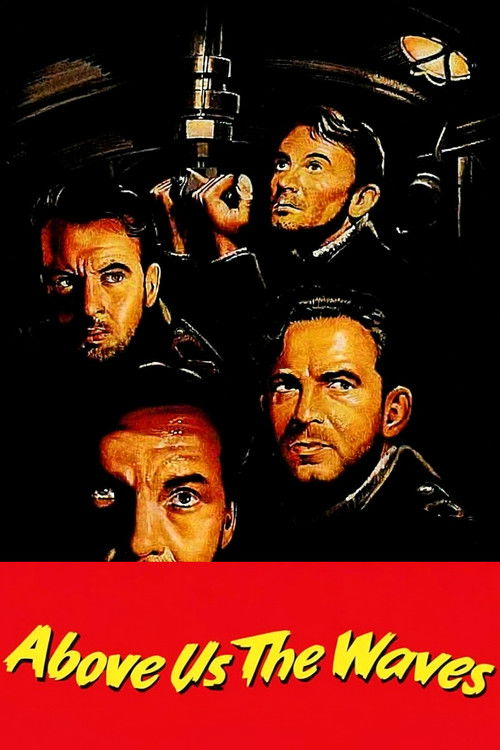
Above Us the Waves1955
A British submarine film about men undertaking a near-impossible technical mission under enormous pressure. Methodical, well-acted, and captures the claustrophobic focus of the best war procedurals.
But Deliberately understated by modern standards. The pacing is glacial and character development minimal. Feels like a historical artifact rather than timeless drama.
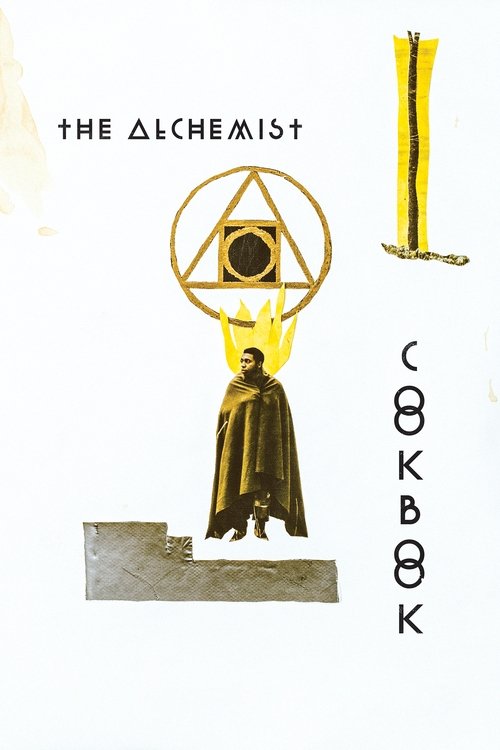
The Alchemist Cookbook2016
Both explore how brilliant men become trapped in their own projects—convinced they're pursuing enlightenment when they're actually sleepwalking toward catastrophe. The difference is one knows what he's building.
A fever-dream about a young man attempting to summon a demon in his basement, obsessed with hidden knowledge and secret transmutation. Surreal, darkly funny, and structurally hypnotic. Completely genre-unexpected.
But It's deliberately oblique and atmospheric rather than narrative-driven. Viewers expecting clarity will find only isolation and ambiguity. Also genuinely strange in ways that alienate most audiences.
The Remains of the Day1993
Both films interrogate how reasonable men rationalize their participation in systems designed to destroy. Oppenheimer and Groves push forward; Stevens has already spent a lifetime pushing through in silence.
Merchant-Ivory's exquisite study of duty, complicity, and regret. Anthony Hopkins as a butler who enabled atrocity through obedience. Quiet, reserved, devastatingly moving—the opposite of bombast, and somehow more horrifying.
But Glacially paced and emotionally contained to the point of numbness. If you need scenes of obvious feeling to believe characters have it, this will seem cold.

People
Cast
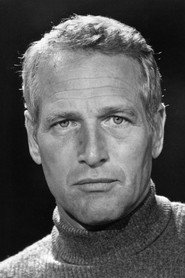 Paul NewmanGen. Leslie R. Groves
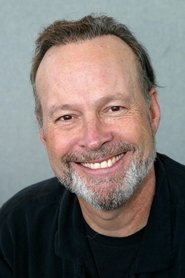 Dwight SchultzJ. Robert Oppenheimer
 Bonnie BedeliaKitty Oppenheimer
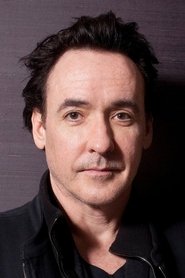 John CusackMichael Merriman
 Laura DernKathleen Robinson
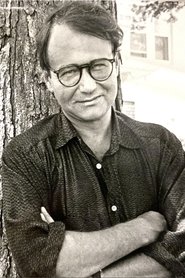 Ron FrazierPeter de Silva
 John C. McGinleyRichard Schoenfield
 Natasha RichardsonJean Tatlock
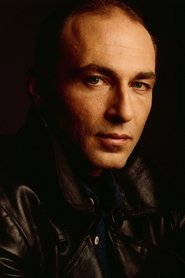 Ron VawterJamie Latrobe
- Michael BrockmanWilliam "Deke" Parsons
 Del CloseDr. Kenneth Whiteside
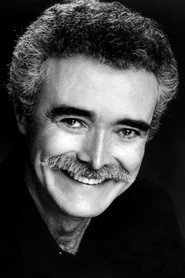 John ConsidineRobert Tuckson
Directing
- Roland JofféDirector
Writing
- Bruce RobinsonScreenplay
- Roland JofféScreenplay
Production
- Nancy FoyCasting
- Tony GarnettProducer