
Film
Trinity and Beyond: The Atomic Bomb Movie
A meticulously assembled archive of nuclear test footage from 1945–1963, narrated by Shatner with an incongruously grand orchestral score. Visually mesmerizing and deeply unsettling, it transforms declassified government material into something almost abstract—apocalypse as spectacle. For those who want to understand the atomic age's visual and psychological legacy.
Should you watch it?
Watch it if you are fascinated by raw archive film, the stark beauty of old test footage, and prefer history shown through images over talking heads debating it.
Skip it if you want a human story, a firm argument, or dialogue; this leans on blasts and archival officials, moving at a sober, repetitive clip.
What it asks of you: Expect a brisk 92 minutes of sober, carefully sequenced footage with little relief, so give it full attention rather than background viewing.
Not sure? Find tonight's pick in a minute.
If you liked this
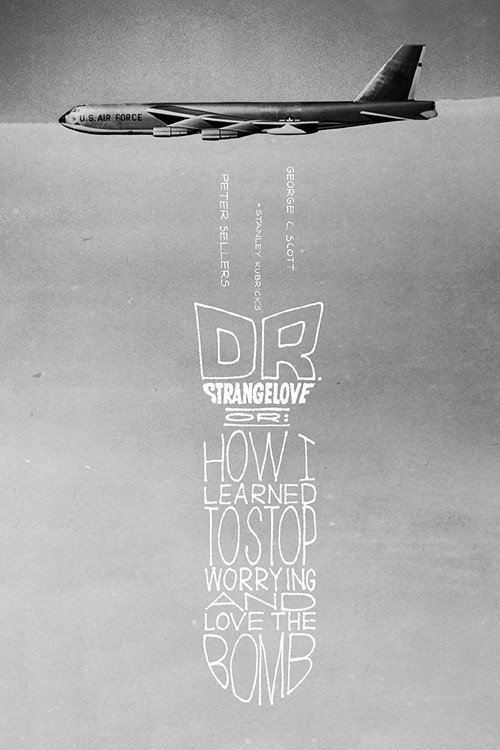
Dr. Strangelove or: How I Learned to Stop Worrying and Love the Bomb1964
Kubrick's black comedy dissects Cold War nuclear paranoia with surgical precision. It captures the era's absurdist terror better than any documentary, using satire to expose the mad logic of deterrence.
But The farce can feel dated if you're not tuned to Kubrick's deadpan rhythm, and the humor sits uneasily when the subject is existential annihilation.
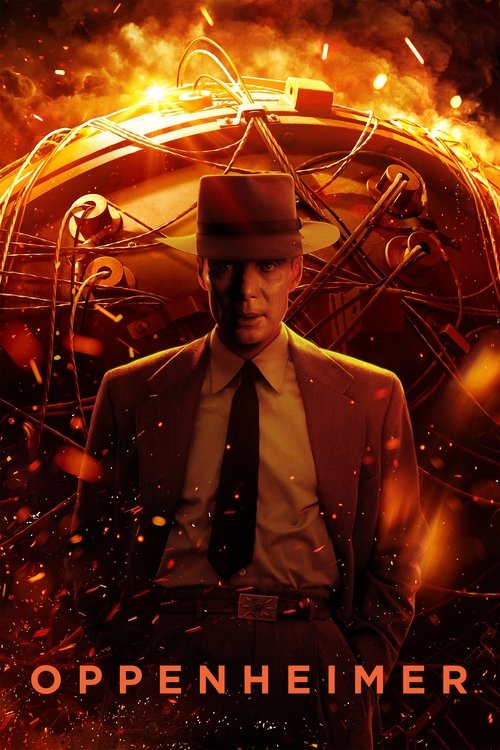
Oppenheimer2023
Nolan traces the physicist's arc from theoretical brilliance to moral reckoning, grounding the bomb's creation in human ambition and guilt. Christopher Nolan and Robert Downey Jr. deliver their best work.
But Three hours of talk and internal conflict rather than spectacle. If you want action or clear-cut villainy, you'll find neither.
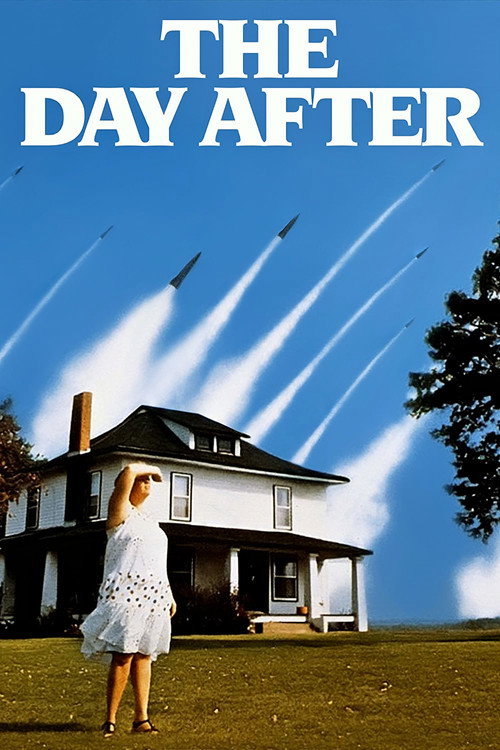
The Day After1983
ABC's unprecedented made-for-TV nuclear apocalypse film showed America itself vaporizing. It shifted national conversation about deterrence from abstraction to lived horror.
But Broadcast-TV production values feel thin by modern standards, and the earnestness can tip into melodrama.
Not sure tonight? Get a pick in a minute, starting from Trinity and Beyond: The Atomic Bomb Movie
The wildcard
Something you would not have found on your own.
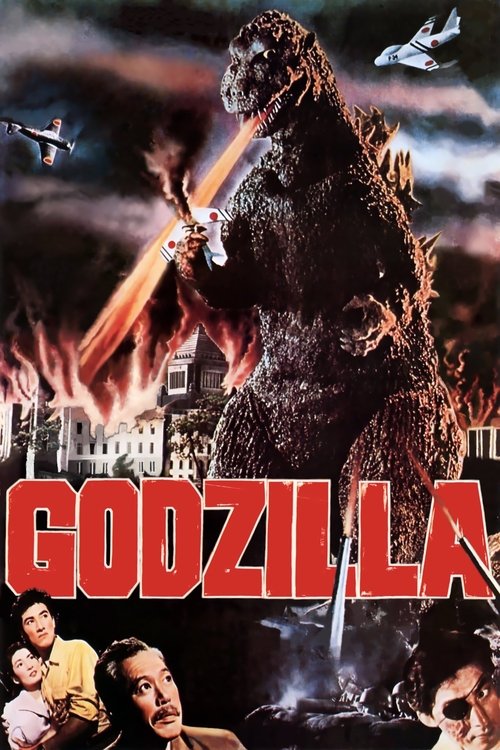
Godzilla1954
Both use visual spectacle—one documentary, one mythic—to make nuclear destruction viscerally real when language fails. Both understand the bomb as Japan's defining wound.
The original Japanese film was never a monster movie—it's a direct response to Hiroshima and nuclear testing, with the monster as metaphor for radiation's invisible, unstoppable terror. Watches like a nightmare written in code.
But Slow-burn 1950s pacing and subtitled (often bad) English dubs can feel sluggish if you expect action. The metaphor is blunt once you see it.
More like this (5)
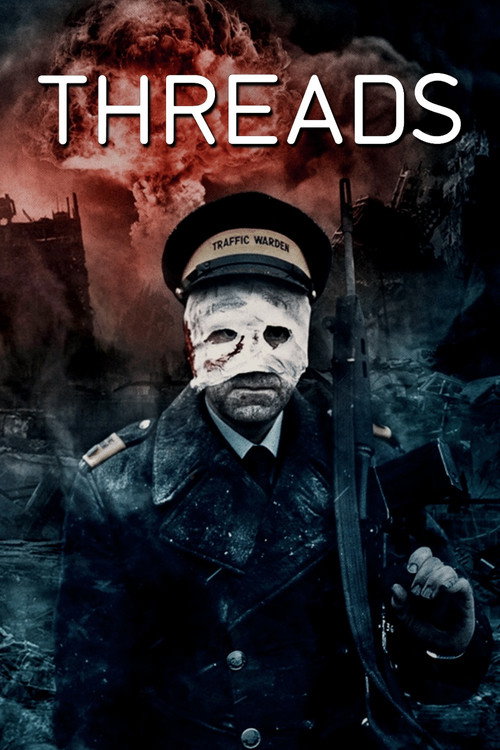
Threads1984
A British nuclear war film that makes The Day After look quaint. It unflinches from biological collapse, societal disintegration, and the slow death of children. Profoundly important.
But Bleak to the point of nihilism, shot on videotape that feels clinical rather than cinematic. It's harder to watch than to recommend.
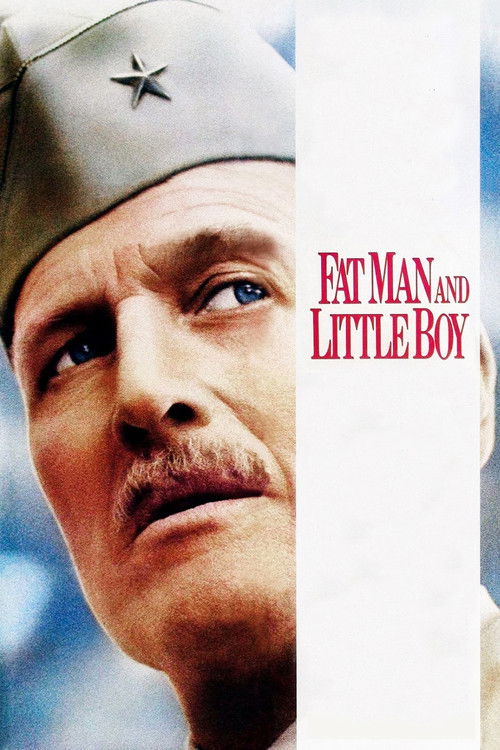
Fat Man and Little Boy1989
Paul Newman and Matthew Broderick in the Manhattan Project's human story. Treats the weapon's creation as a moral crossroads where brilliant people became willing architects of mass death.
But Fictional drama can't match documentary truth, and the film softens Oppenheimer's character more than history warrants.
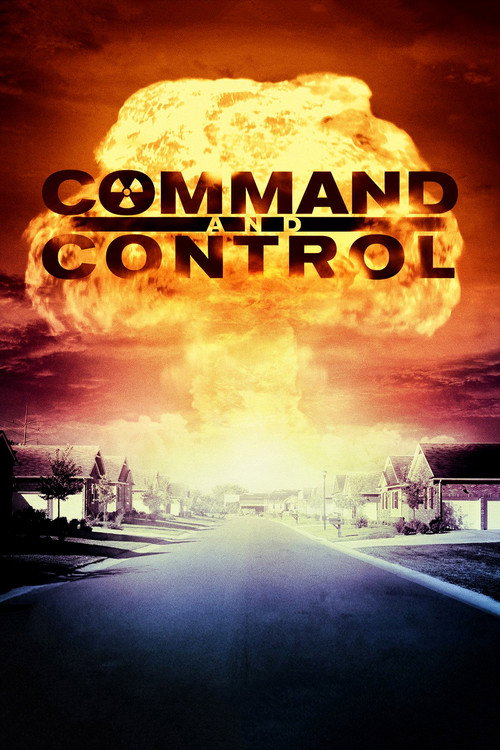
Command and Control2016
The closest thing to a thriller about nuclear mishap—a real 1980 accident at an Arkansas silo that nearly triggered war. Tension builds from actual declassified documents and nuclear protocol.
But Hyper-focused on a single incident; it lacks the historical breadth that makes Trinity a survey.
Stalker1979
Trinity shows the bomb as fact and footage; Stalker shows it as dread and philosophy. Both recognize that what matters most about nuclear weapons is what they do to human consciousness.
Tarkovsky's three-hour meditation on desire, prohibition, and the zone around a mysterious weapon. Shot in prolonged, hypnotic takes; more interested in psychological dread than physics. A spiritual film about nuclear paranoia.
But Glacially paced, almost plotless, and entirely unconcerned with narrative satisfaction. You watch it to feel, not to understand.

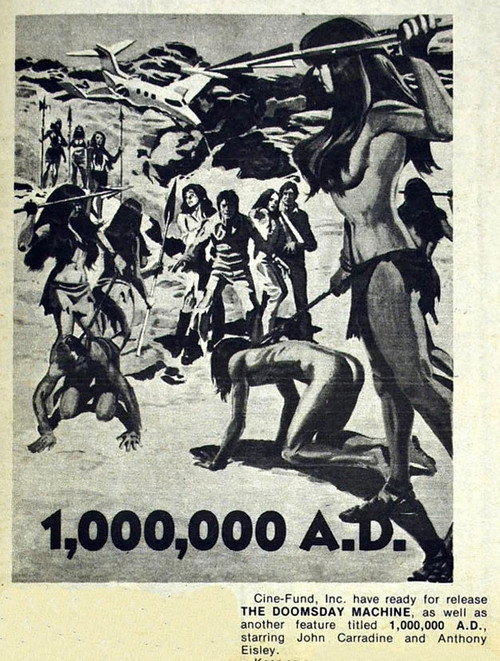
1,000,000 A.D. Promo Reel1973
Where Trinity presents the tests as beautiful, terrible spectacle, Doomsday Machine reveals the cold logic that made those tests necessary. Together they form a complete portrait: the bomb as image and the bomb as policy.
A declassified documentary so unsettling that the Pentagon kept it buried for years: a comprehensive tour through nuclear war planning, fallout models, and the machinery of MAD. Rare access to the strategic thinking Trinity's footage never addresses.
But Dry, bureaucratic presentation with minimal music or visual polish. It reads like a government briefing because it literally is one.
People
Cast
 William ShatnerNarrator
 Edward TellerSelf - Nuclear Physicist
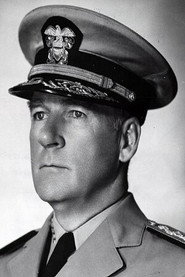 W.H.P. BlandySelf - Commander Joint Task Force One (archive footage)
- Frank H. SheltonSelf - Nuclear Weaponeer
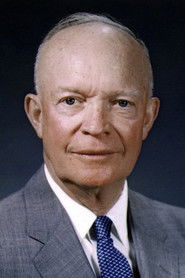 Dwight D. EisenhowerSelf - U.S. President (archive footage)
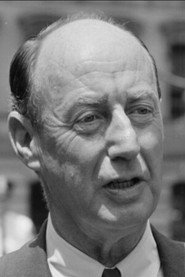 Adlai StevensonSelf - U.S Ambassador (1961-1965) to the UN (archive footage)
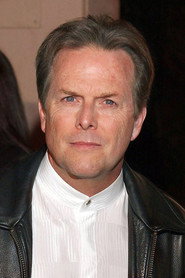 Randall William CookNewsreel Narrator (archive sound)
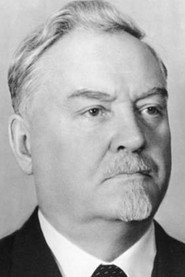 Nikolai BulganinSelf (archive footage)
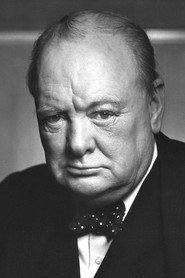 Winston ChurchillSelf (archive footage)
- Everett DirksenSelf (archive footage)
 Albert EinsteinSelf (archive footage)
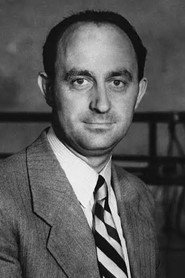 Enrico FermiSelf (archive footage)
Directing
- Peter KuranDirector
Writing
- Don PugsleyWriter
- Scott NarrieWriter
Production
- Lyle ConwayAssociate Producer
- Marilyn NaveAssociate Producer
- Jacqueline ZietlowCo-Producer
- Alan MunroProducer
- Peter KuranProducer
- Avelino DeleonProduction Assistant
- Kimberly TerhorstProduction Assistant
- Clay WoodsProduction Manager
- Dan HararyPublicist