
Film
1,000,000 A.D. Promo Reel
A twelve-minute promo reel for an abandoned 1973 sci-fi horror feature, shot to drum up Cannes interest. It's a fever dream of practical effects, pre-CGI invention, and genuine strangeness—less finished film than a portal into the debris of lost Hollywood ambition. For obsessives of cult cinema and experimental artifact.
If you liked this
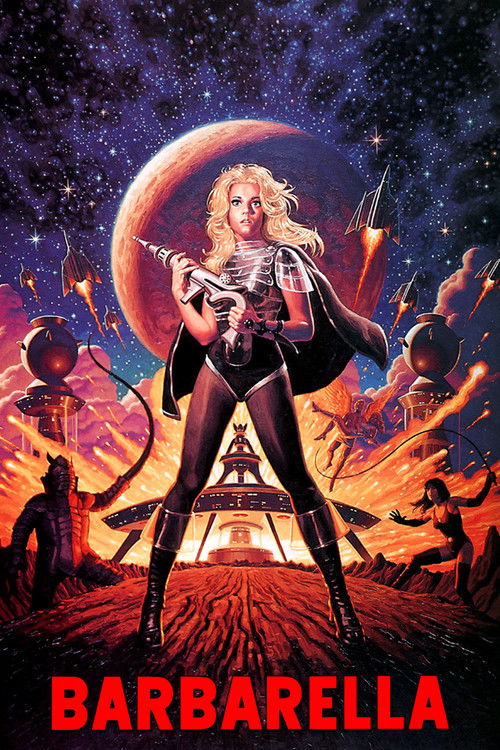
Barbarella1968
Roger Vadim's space-opera camp masterpiece with Raquel Welch in her most gloriously outrageous role. Psychedelic design, genuine wit, and unapologetic B-movie sensibility executed at feature budget.
But The tone is so deliberately silly it can exhaust rather than enchant; seventy-four minutes of winking can feel longer than it is.
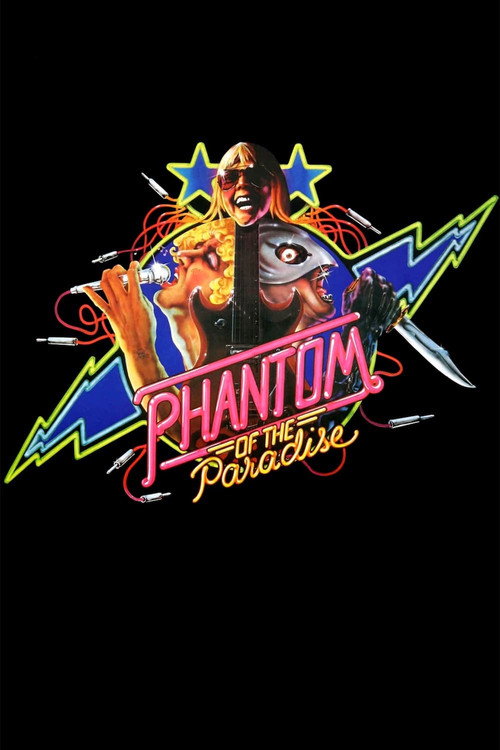
Phantom of the Paradise1974
Brian De Palma's rock-opera horror pastiche made the year after this promo—proof that unhinged genre hybridism could be both beautiful and genuinely terrifying when guided by real vision.
But It's a rock opera. If that phrase makes you flinch, nothing here will change your mind, and the film doesn't apologize for itself.
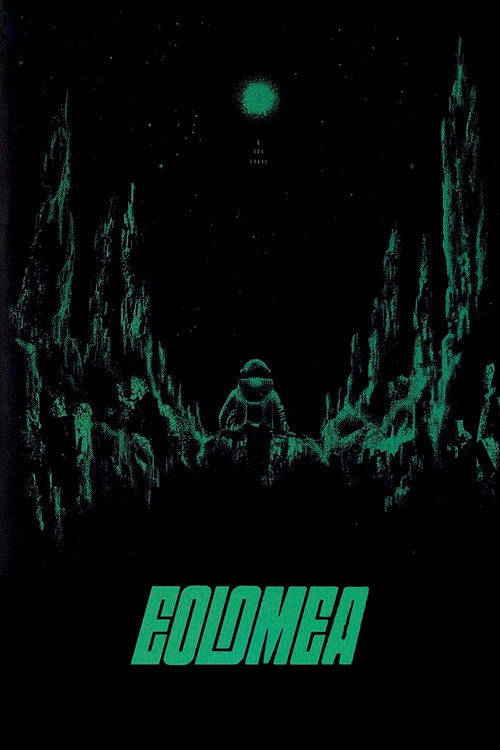
Eolomea1972
Andrzej Żuławski's sci-fi horror feature. A two-hour descent into madness aboard a space station with fractured editing, fractured minds, and a texture unlike anything mainstream cinema attempts.
But It's deliberately incoherent and deeply uncomfortable. Accessibility is not the point; endurance is a prerequisite.
Not sure tonight? Get a pick in a minute, starting from 1,000,000 A.D. Promo Reel
The wildcard
Something you would not have found on your own.
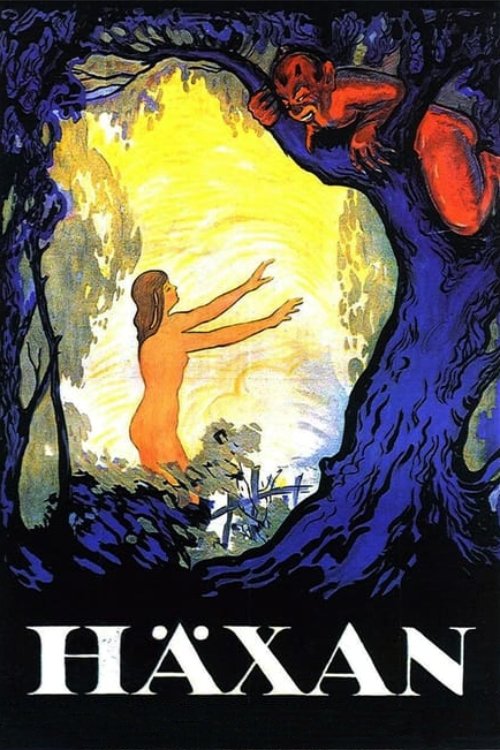
Häxan1922
Both are promotional artifacts for horror visions: Häxan was sold as an educational film while smuggling transgressive imagery; the promo reel was merchandise for a feature that would never exist. Both function as pure cinema language when plot and budget dissolve.
Benjamin Christensen's silent documentary-fiction hybrid about witchcraft, panic, and delusion. It uses montage, practical effects, and genuine horror imagery to excavate obsession. Ninety minutes of unclassifiable genius.
But It's silent, nearly a century old, and its interest in historical psychology means it never rushes toward comfort or resolution.
More like this (7)
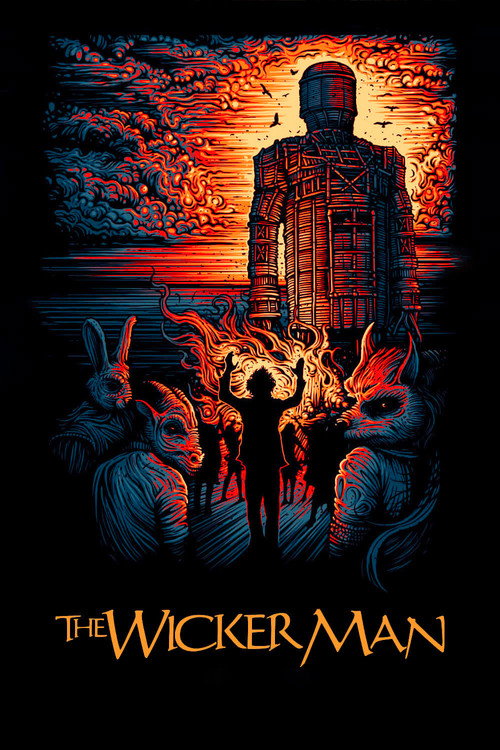
The Wicker Man1973
A British folk-horror masterpiece from the same year, built on anthropological dread and genuine unease. Every frame calculates its effect; every line of dialogue carries weight.
But The pacing is deliberate to the point of slowness, and the ending, while perfect, arrives with all the mercy of a door slamming shut.
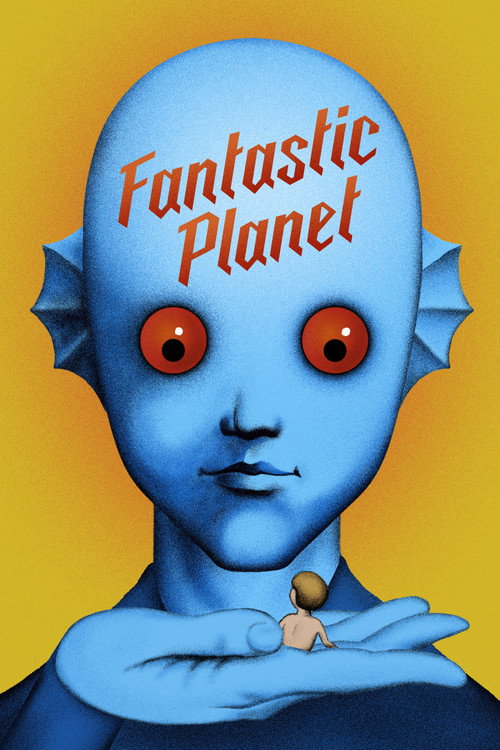
Fantastic Planet1973
René Laloux's animated sci-fi nightmare, also '73—stop-motion that looks like it's watching you back. Visual invention that predicts the cosmic horror aesthetic by decades.
But It's animated, quiet, and entirely committed to alienation. If you want plot or character comfort, you're in the wrong dimension.
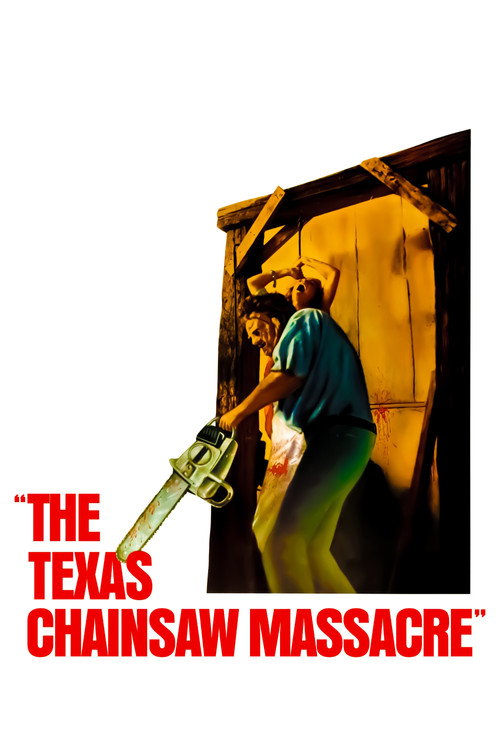
The Texas Chain Saw Massacre1974
Tobe Hooper proved horror could be visceral, immediate, and genuinely transgressive without gore—just texture, light, and conviction. Made on a shoestring for less than a feature promo.
But It's relentlessly brutal in atmosphere. The film doesn't pause or relent, and some find that punishing rather than cathartic.
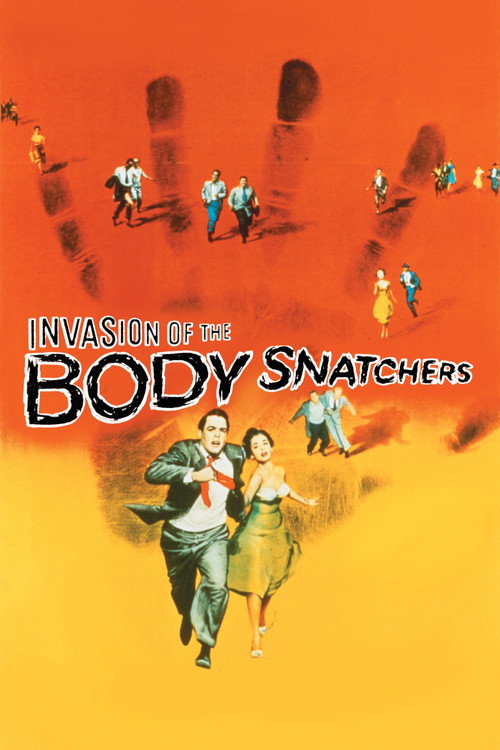
Invasion of the Body Snatchers1956
Don Siegel's sci-fi horror template—practical, paranoid, economical. Every frame justifies itself. It's what a lean genre film looks like when made by someone with genuine control.
But The 1956 pacing feels glacial to modern viewing habits; the philosophical subtext interests it more than spectacle.
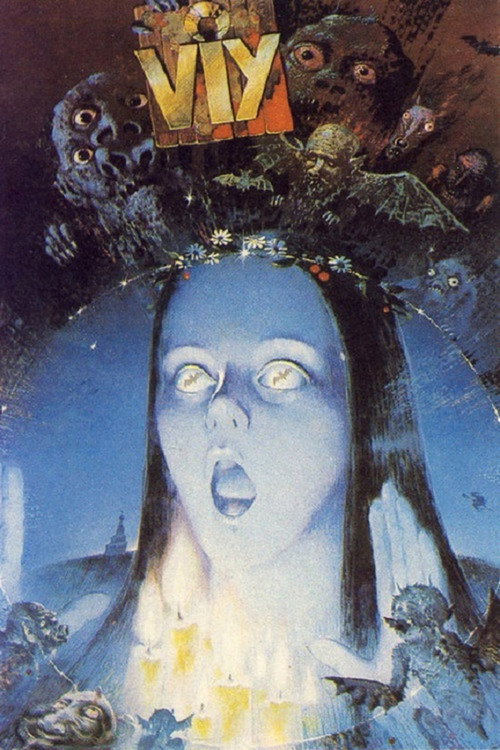
Viy1967
Russian folk-horror adaptation of Gogol. Practical effects and genuine unease built on cultural specificity. It proves Eastern European cinema had figured out cosmic dread long before the West cared.
But It's in Russian, subtitled, and built on cultural references that need context. The final act abandons narrative logic entirely, which alienates rather than elevates.
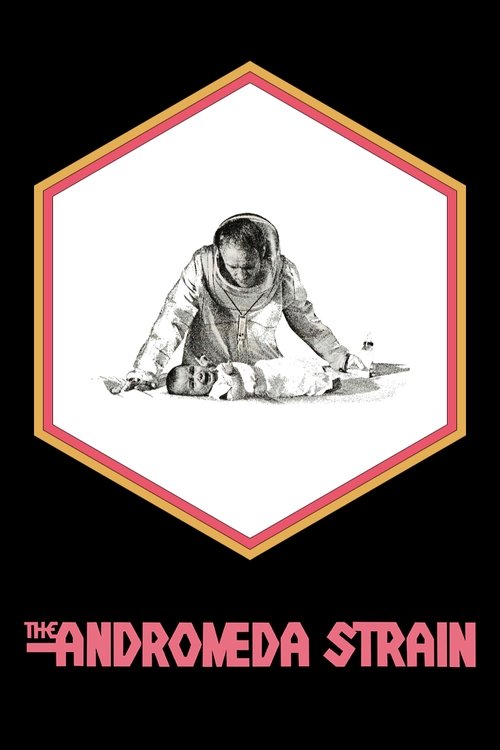
The Andromeda Strain1971
Wise's procedural sci-fi thriller from the early 70s. Authentic production design, real tension built on methodology rather than jump scares. Shows what genre precision looked like before irony became required.
But It's genuinely slow and celebrates bureaucracy and science over action. Some find that admirable; others find it tedious.
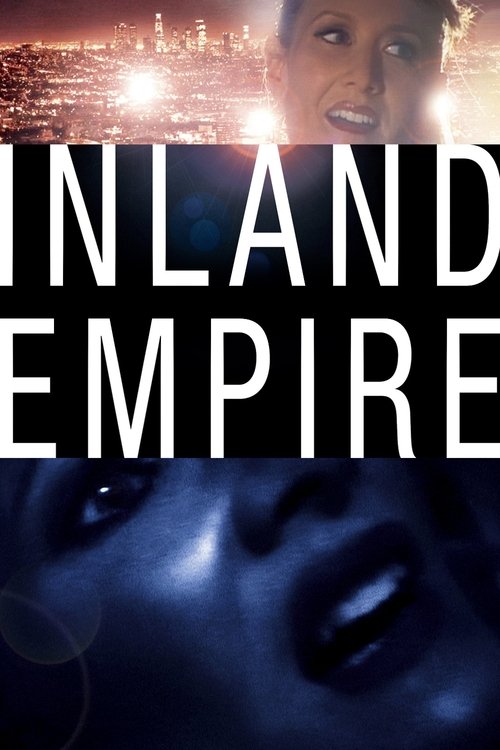
Inland Empire2006
Both are artifacts of abandoned projects or dying formats: this reel documents a film that was never finished; Inland Empire uses an obsolescent video format to deliberately sabotage viewer expectation. Both use technical limitation as aesthetic choice.
David Lynch's three-hour DV camera digression into fractured narrative and genuine dread. Shot on cheap video that becomes its own language. Form becomes the point entirely; meaning dissolves into texture.
But It's deliberately impenetrable, shot on consumer-grade video that some find unwatchable, and rejects conventional narrative so aggressively that patience becomes its own form of suffering.
People
Cast
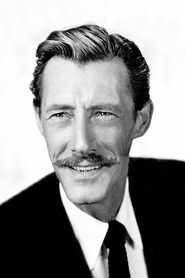 John CarradineThe Sage

 Jo MorrowThe Queen
 Raquel WelchLoana
Directing
- Allen BaronDirector
Writing
- Allen FosterCo-Writer
- Shelley SilversteinCo-Writer
- Chris BrennanWriter
Production
- S. Lee LiebProducer