
Film
Phantom of the Paradise
- Rock opera
- Strange
Brian De Palma's gleeful 1974 rock opera horror-comedy about a wronged musician seeking revenge on a corrupt producer. It's *The Phantom of the Opera* remixed for the glam rock era: stylish, funny, grotesque, and genuinely strange. Unclassifiable and utterly of its moment, yet timeless. For anyone who loves genre-bending cinema that refuses to pick a lane.
Should you watch it?
Watch it if you love a rock-opera riff on Faust and Phantom of the Opera, with glam excess, a wild split between satire and sincere pop, and a director who clearly enjoys breaking his own rules.
Skip it if you want a tidy, tightly plotted musical; this one is loose, jumpy and often deliberately messy, and its tone can swing from camp to menace without warning.
What it asks of you: It runs about ninety minutes and never sits still, so it rewards close attention, a tolerance for sudden shifts, and a willingness to let the absurdity carry you.
Not sure? Find tonight's pick in a minute.
If you liked this
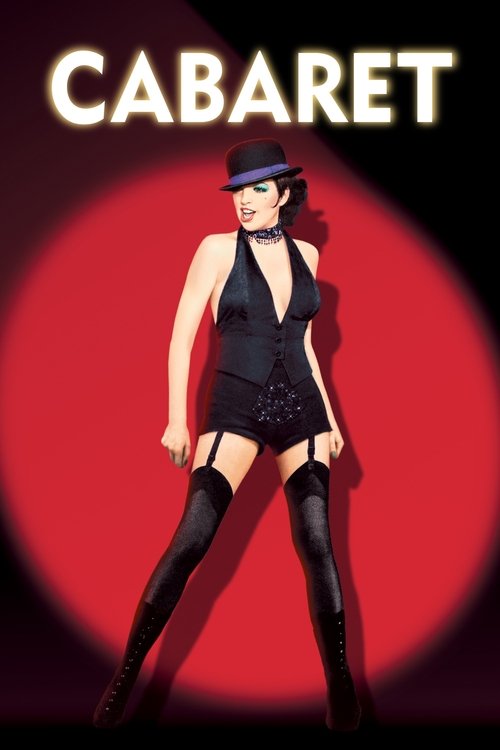
Cabaret1972
Another decadent, theatricalized world where music, sex, and corruption collide. Bob Fosse's design and direction create similar visual excess, and the tonal whiplash between entertainment and darkness feels kindred.
But It's more restrained and formally controlled than *Phantom*'s baroque chaos. If you want unhinged energy, this is measured by comparison.
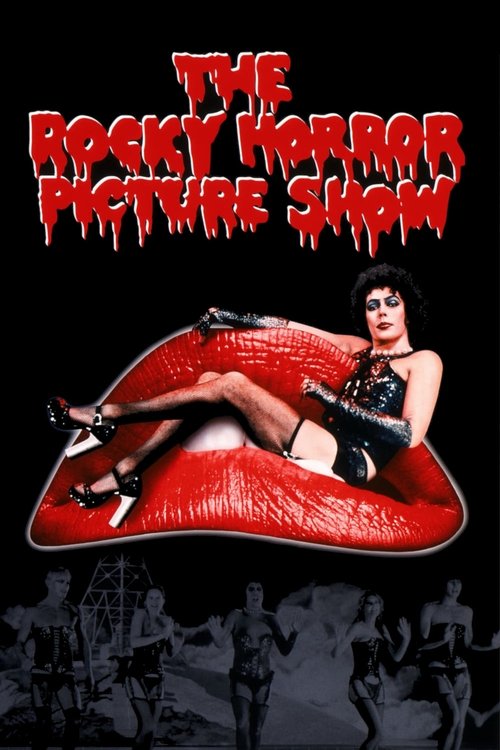
The Rocky Horror Picture Show1975
Same era, same campy-but-sincere spirit. A cult movie that knows it's weird and leans into it with genuine affection. The music drives the plot, and the tone gleefully straddles parody and earnestness.
But It's become so iconic that its strangeness has been domesticated. The novelty that made *Phantom* shocking doesn't quite land the same way anymore.
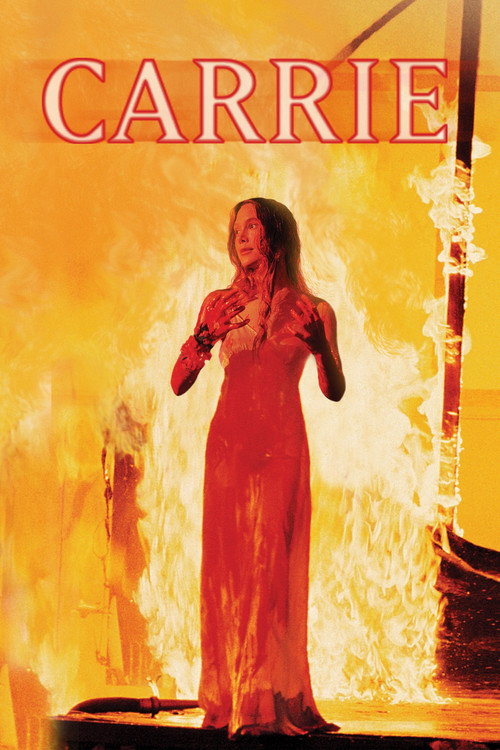
Carrie1976
De Palma's other masterpiece: a horror film about humiliation and revenge with operatic visual language. The same precision and sadism in the direction, the same willingness to let horror be beautiful and ridiculous at once.
But Genuinely upsetting in ways *Phantom* isn't. If you want to laugh, this one will make you uncomfortable instead.
Not sure tonight? Get a pick in a minute, starting from Phantom of the Paradise
The wildcard
Something you would not have found on your own.
Contempt1963
Both are about artists crushed by systems of commerce that claim to celebrate them. Both use formal innovation to express that corruption as visceral rather than abstract.
Godard's film about filmmaking within film, where a marriage crumbles under the weight of ego and commerce. Like *Phantom*, it's about art being consumed and corrupted by industry power. The formal experimentation—color, music, direct address—rewires how cinema can function.
But It's slower, more philosophical, and doesn't resolve through action. If you want revenge or catharsis, Godard withholds both. The self-reflexivity can feel cold.

More like this (8)
Suspiria1977
A fever dream of style and sound. Dario Argento's Italian horror uses music not as soundtrack but as character. The visual and sonic excess rivals *Phantom*, and the logic is dreamlike rather than narrative.
But It's much more purely horror, with less comedy. The pacing is hypnotic rather than propulsive, which some find tedious.

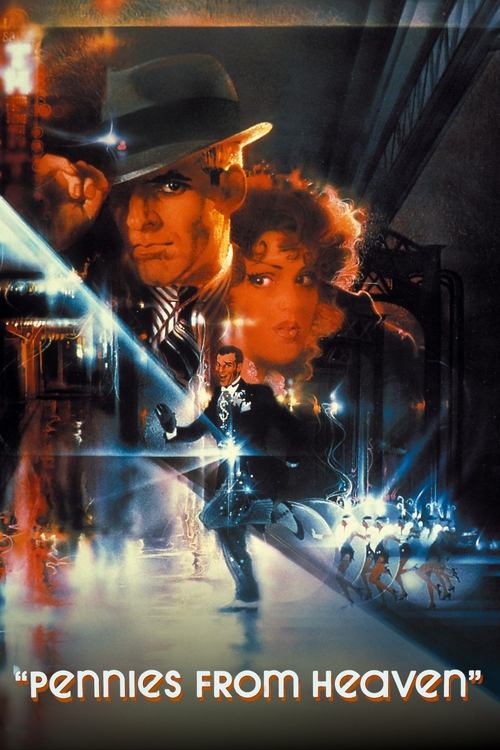
Pennies from Heaven1981
Herbert Ross's Depression-era musical that treats genre as emotional truth rather than literal reality. Musical numbers burst through dialogue unexpectedly, and it marries despair with showmanship in ways that echo *Phantom*.
But It's a genuine bummer underneath the song-and-dance numbers. The tonal shifts work structurally but can feel jarring rather than exhilarating.
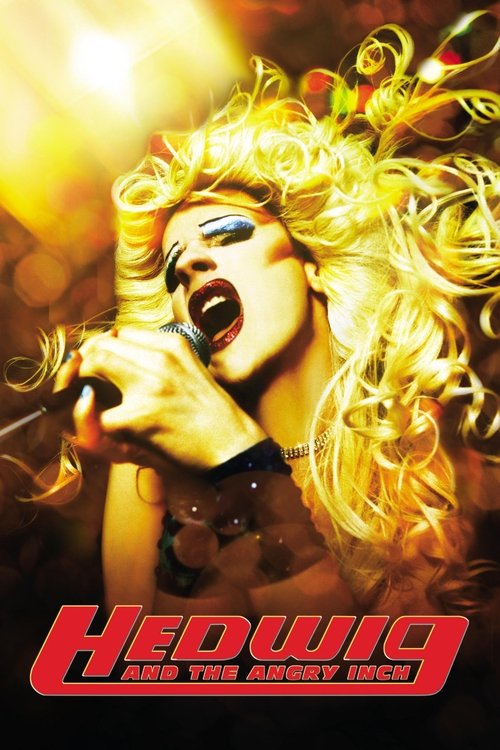
Hedwig and the Angry Inch2001
A glam-rock revenge opera about art theft and gender transformation. John Cameron Mitchell channels De Palma's love of operatic melodrama through a queer punk lens. The music is essential to the story, and the tone is furious and funny.
But It's much more autobiographical and raw. If you prefer *Phantom*'s sleek artifice to confessional vulnerability, this might feel exposed.
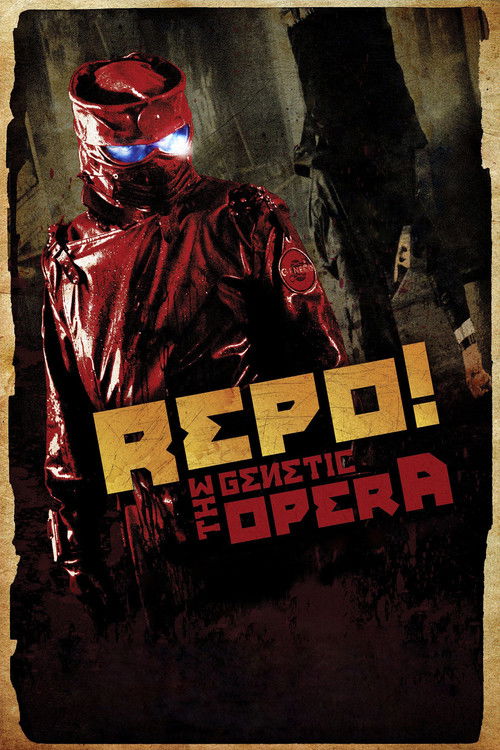
Repo! The Genetic Opera2008
A bonkers post-apocalyptic opera where organs are repossessed and Paris Hilton plays a junkie. It's deliberately maximalist, unafraid of its own ridiculousness, and commits entirely to the idea that genre trumps realism.
But It's self-consciously cult and knows it. Some viewers find that self-awareness exhausting rather than liberating.
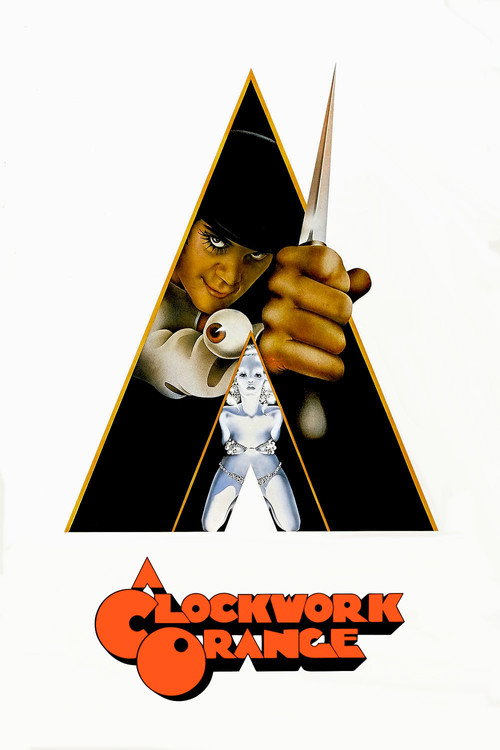
A Clockwork Orange1971
Kubrick's formal perfection meets taboo subject matter. Like *Phantom*, it dares you to find style in violence and uses music as a moral force. The artifice of the world is the point.
But It's aggressively confrontational and morally ambiguous in ways that some find repellent rather than stimulating. Significantly darker in intent.
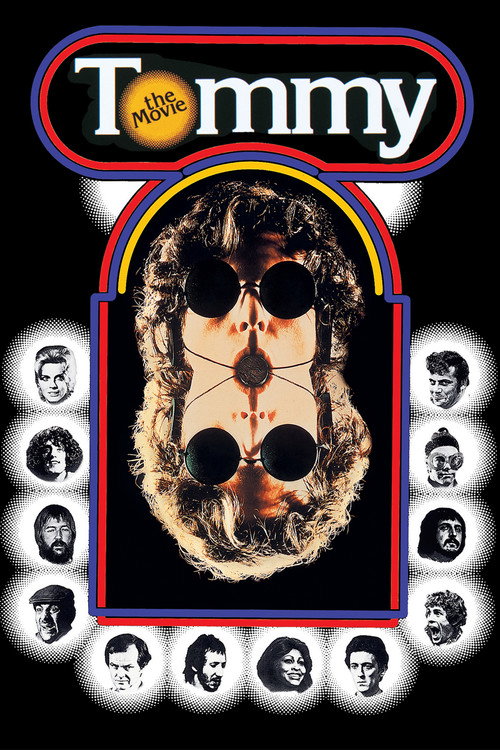
Tommy1975
Ken Russell's rock opera adaptation is *Phantom*'s closest sibling: excessive, visually outrageous, driven entirely by music, and utterly committed to its own weirdness. Two hours of pure cinematic audacity.
But Russell's direction can feel indulgent, and the plot is thinner than *Phantom*'s revenge narrative. Some viewers find it more spectacle than story.
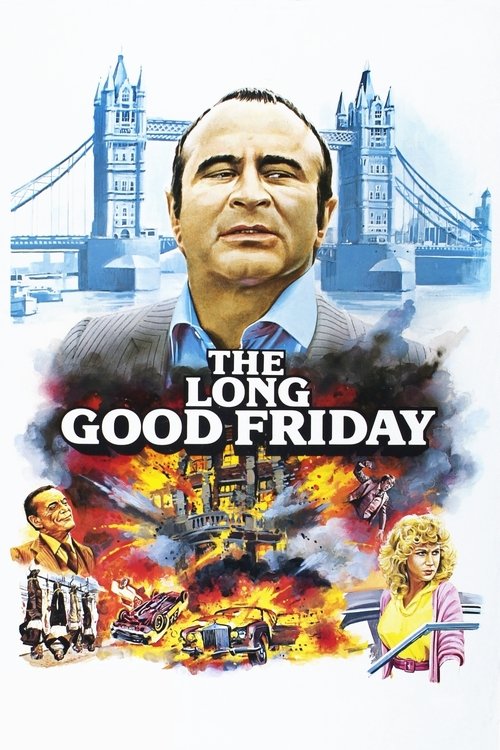
The Long Good Friday1980
Both trace a powerful man's loss of control when someone he trusts moves the furniture. The twist ending comes from misdirection about who's actually in charge. Both are formally restrained about sudden violence.
A British crime thriller where Bob Hoskins' gangster loses control as his empire crumbles in real time. It has *Phantom*'s operatic sense of betrayal and the same trajectory: a man with power realizing the power isn't his. Tense, darkly funny, built on deception and music-box elegance.
But It's grounded in recognizable crime-thriller logic rather than theatrical excess. If you love *Phantom*'s refusal to be realistic, this one disappoints by being *too* coherent.
Possession1981
Both films find the Phantom in everyday betrayal. Both use formal excess and creature design to externalize interior rage. Both make you feel the violence of art itself being corrupted or possessed.
Andrzej Żuławski's marriage-dissolution horror film is pure emotional chaos expressed through baroque imagery. Like *Phantom*, it treats the grotesque as beautiful and uses abstraction to express betrayal. Isabelle Adjani's performance is operatic fury incarnate. Hypnotic and disturbing.
But It's demanding, abstract, and deeply unpleasant to watch. The horror is psychological rather than narrative. Some cuts are censored for extreme content. It requires patience with strangeness.

People
Cast
 William FinleyWinslow Leach / The Phantom
 Paul WilliamsSwan
 Jessica HarperPhoenix
 George MemmoliPhilbin
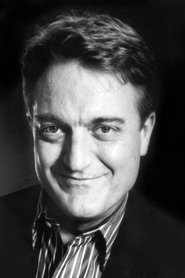 Gerrit GrahamBeef
 Archie HahnThe Juicy Fruits / The Beach Bums / The Undeads
 Jeffrey ComanorThe Juicy Fruits / The Beach Bums / The Undeads
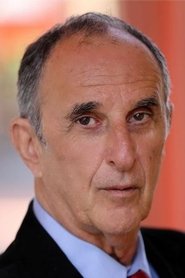 Peter ElblingThe Juicy Fruits / The Beach Bums / The Undeads
- Colin CameronBand
- David GarlandBand
- Gary MallaberBand
- Art MunsonBand
Directing
- Michael J. DmytrykAssistant Director
- Brian De PalmaDirector
- Burt BluesteinSecond Assistant Director
- Robert EnriettoSecond Assistant Director
Writing
- Brian De PalmaWriter
- Louisa RoseWriter
Production
- Bill ScottAssociate Producer
- Jeffrey L. HayesAssociate Producer
- Lynn Pressman-RaymondAssociate Producer
- Michael ArciagaAssociate Producer
- Paul LewisAssociate Producer
- Geno HavensCasting
- Peggy TaylorCasting
- Sylvia FayCasting
- Gustave M. BerneExecutive Producer
- Edward R. PressmanProducer
- Gary KentUnit Manager
- Thomas LightburnUnit Manager
Recommended by
Critters, The Last Dragon, The Rocky Horror Picture Show, Up in Smoke, Zardoz, The Death of "Superman Lives": What Happened?, Cry-Baby, Rollercoaster, The Wiz, Head, The Rose, La Bamba, Wayne's World 2, Into the Night, Earth Girls Are Easy, Motel Hell, The Lure, Firestarter, The Man Who Haunted Himself, Muffin the Mule, Tommy, Rock & Rule, Cannibal! The Musical, Repo! The Genetic Opera, Antonio Lopez 1970: Sex Fashion & Disco, Xanadu, The Brady Bunch Movie, Josie and the Pussycats, Godspell, Bedazzled, Vamp, ABBA: The Movie, Batman Forever, Cool World, Flesh of the Orchid, Greaser's Palace, The Hot Box, The Phantom of the Opera, Cherry 2000, Stardust, The Man with Two Brains, Made For Each Other, Grindhouse, Polyester, Animaniacs: Wakko's Wish, Penn & Teller Get Killed, A Bucket of Blood, I've Gotta Horse, Freaked, The Worm Eaters, A Night at the Roxbury, The Little Shop of Horrors, 200 Motels, Forbidden Zone, Zachariah, The Final Programme, Get Crazy, Beyond the Valley of the Dolls, Cherry Hill High, The Incredibly Strange Creatures Who Stopped Living and Became Mixed-Up Zombies!!?, Zombie Flesh Eaters, Reform School Girls, Roadie, The Greasy Strangler, The Killer Is on the Phone, Humanoids from the Deep, Brain Damage, The Incredible Shrinking Woman, Mother's Day, The Apple, Honeysuckle Rose, Howard the Duck, Jailhouse Rock, Lemmings, Smashing Time, Pumpkinhead, Curtains, 1,000,000 A.D. Promo Reel, Assassination of a High School President, Kids in the Hall: Brain Candy, I Wanna Hold Your Hand, Cheech & Chong's Next Movie, Demons, The Corsican Brothers, Flaming Creatures, Nothing but Trouble, Spasmo, The Flintstones in Viva Rock Vegas, The Private Lives of Adam and Eve, Sgt. Pepper's Lonely Hearts Club Band, Hellraiser III: Hell on Earth, The Roller Blade Seven, Purple Rain, Transylvania 6-5000, The Rogue Song, Confessions of a Pop Performer, The Nightcomers, Rock Around the Clock, Queen: Live at Wembley Stadium, Malibu Beach, Screwballs, Tabu: A Story of the South Seas, Go, Johnny, Go!, Cannibal Girls, Barry McKenzie Holds His Own, The Butterfly Murders, Rock 'n' Roll High School, The Vengeance of She, The Telephone Book, International House, Voodoo Man, The Osmonds, The Archie Show, The Bugaloos, The Killer Is One of Thirteen, Straight On Till Morning, Swimsuit, Nocturna, Till the Clouds Roll By, The Devil's Men, The Alien, Graffiti Bridge, The Pirate Movie, Idlewild, Ten Days' Wonder, The Boy Friend, The Raven, Tickle Me, Heartbeeps, 10, WR: Mysteries of the Organism, The Idolmaker, Dostoevsky's Travels, Starhops, Moonlight in Hawaii