
Film
Flesh of the Orchid
- Crime
- Very dark
A 1975 French-Italian thriller about a captive heiress escaping her aunt's castle, who stumbles into the world of a man fleeing assassins. Glacial, baroque, and genuinely unsettling—a puzzle-box of paranoia and sexual threat that rewards patient watching. For those who find Polanski's claustrophobia or Hitchcock's moral ambiguity intoxicating.
If you liked this
Suspiria1977
Dario Argento's masterpiece of pure visual dread. A young dancer arrives at a prestigious ballet academy harbouring an impossible secret. The set design is hallucinogenic, the score hypnotic, the killings baroque. You'll feel it in your chest.
But The plot is deliberately thin and symbolic rather than logical. If you need everything explained, you'll spend the runtime frustrated instead of mesmerised.

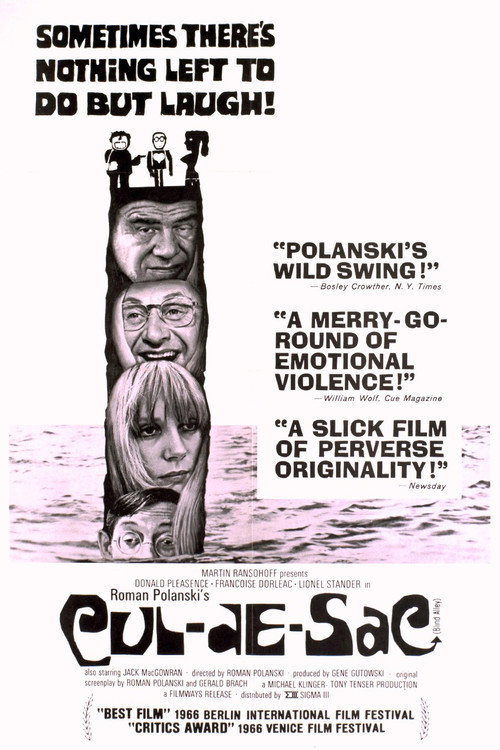
Cul-de-sac1966
Polanski traps a couple and two criminals in a claustrophobic seaside castle, then lets paranoia metastasize. The tension is almost unbearable because it's so intimate and so small. Every glance carries weight.
But Very slow. Polanski lets scenes breathe until they're suffocating. If you need plot momentum, this will feel like being locked in a room with uncomfortable people.
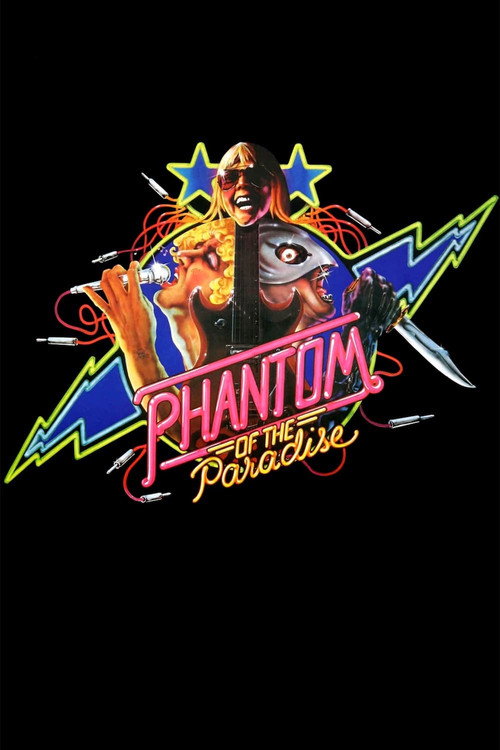
Phantom of the Paradise1974
Brian De Palma's operatic revenge thriller about a composer cursed to haunt a rock palace. It's Faust crossed with giallo, stuffed with blood and artifice and genuine emotion. Wild, inventive, unhinged.
But The tone is deliberately unstable—horror, camp, sincerity, absurdity pile on top of each other. If you want consistency, you'll find it exhausting rather than exhilarating.
Not sure tonight? Get a pick in a minute, starting from Flesh of the Orchid
The wildcard
Something you would not have found on your own.
Possession1981
Both are European thrillers about captive women threatened by forces they can't fully understand or escape, using the confined body as metaphor for entrapment and the fractured psyche.
Andrzej Żuławski's apocalyptic metaphysical thriller about a marriage dissolving into madness, filmed on the Berlin Wall. Isabelle Adjani is extraordinary. It's operatic horror about possession in every sense—demonic, sexual, psychological.
But It's aggressively strange and deeply disturbing. Shot like fever-dream, acted at fever-pitch. The creature effects are grotesque. It doesn't want your comfort.

More like this (7)
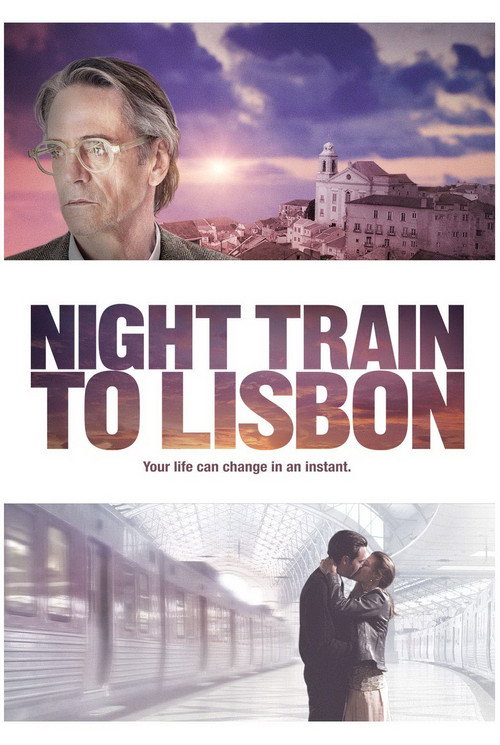
Night Train to Lisbon2013
Lisandro Duque Naranjo's paranoid international thriller with a woman fleeing across Europe, beautiful cinematography, and the constant sensation that nobody can be trusted. Languorous but tense, elegant and creeping.
But It's deliberately paced like a fever dream. Plot clarity takes a back seat to mood and mounting dread.
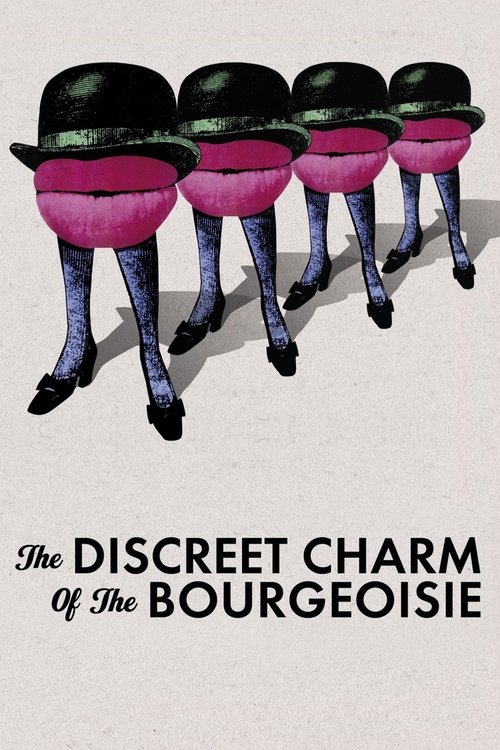
The Discreet Charm of the Bourgeoisie1972
Buñuel's surrealist comedy about six bourgeois sophisticates trying and failing to have dinner together. It's hilarious and deeply unsettling, a scalpel aimed at the class that polite society tells you to admire.
But It's structured as dream-logic rather than narrative. If you need cause and effect spelled out, you'll find it maddening.
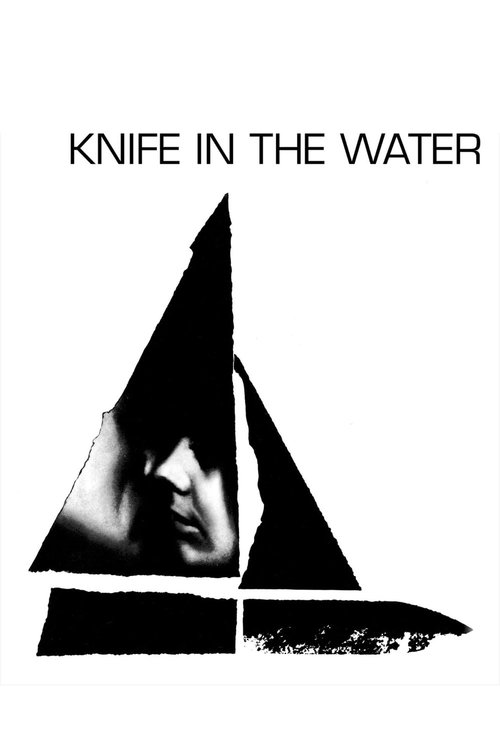
Knife in the Water1962
Polanski's debut: a couple's sailing trip interrupted by a young hitchhiker. All tension and subtext, rarely a raised voice, yet the dread accumulates until the surface fractures. Masterclass in psychological compression.
But Confined to a boat, nothing much happens. It's all inference and atmosphere. If you need incident, you'll think it's stalled.
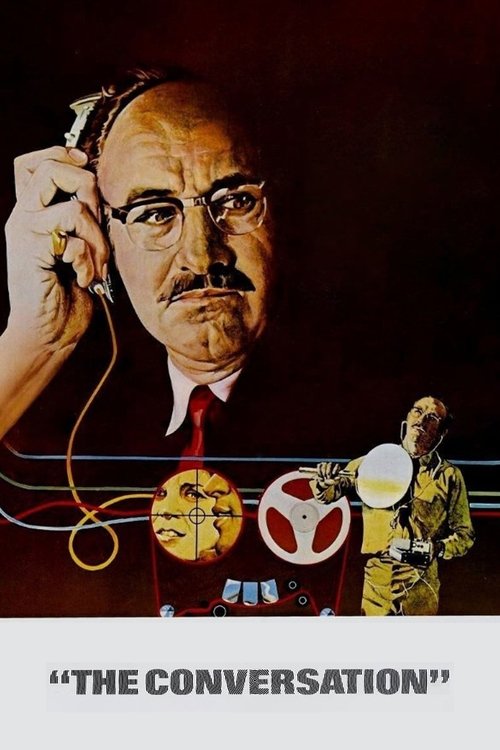
The Conversation1974
Coppola's paranoid masterpiece about a surveillance expert convinced he's stumbled onto a murder plot. Gene Hackman's performance is a study in unravelling certainty. The sound design is a character.
But It's a deliberate slow-burn about a man's descent into obsession. The climax is ambiguous and questions whether anything we watched mattered.
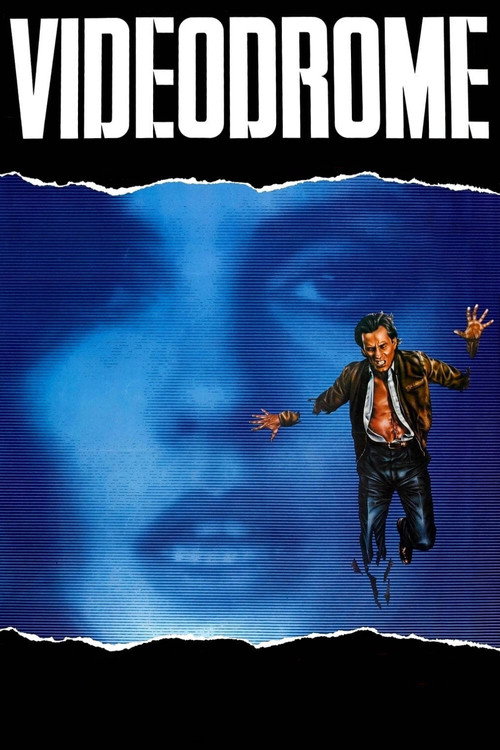
Videodrome1983
Cronenberg's fever-dream about a cable executive discovering hallucinogenic snuff broadcasts. The body-horror and philosophical dread accumulate until you're not sure what's real. Visceral and genuinely haunting.
But It's grotesque and deeply weird. Squeamish viewers will find the imagery difficult. The narrative deliberately dissolves into nightmare logic.
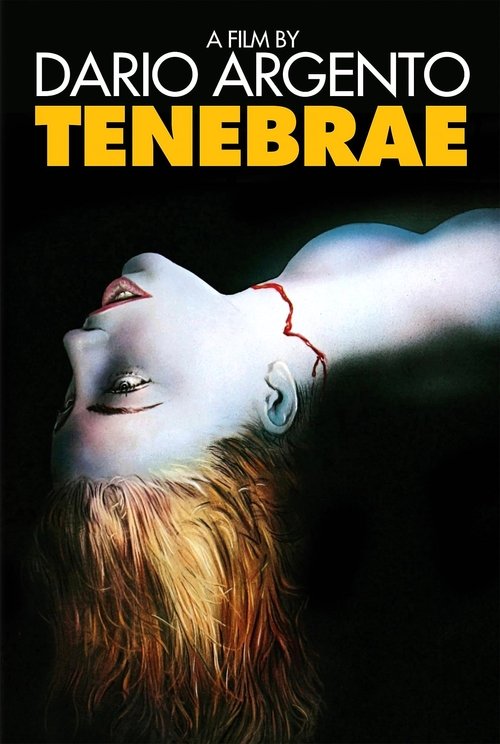
Tenebre1982
Argento's giallo about a writer whose books inspire copycat murders. Geometrically beautiful kills, intense cat-and-mouse games, and a plot that actually holds together unlike many of the genre. Darkly thrilling.
But It's stylish exploitation built on graphic violence. If you watch thrillers for emotional substance rather than craft and spectacle, you may find it hollow.
Meshes of the Afternoon1943
Both use labyrinthine space and mysterious pursuers to embody psychological entrapment; both trust the audience to read dread through cinema rather than exposition.
Maya Deren's 14-minute experimental masterpiece about a woman returning home, pursued by a hooded figure through recurring doorways. It's the ancestor of every psychological horror film. Hypnotic, unsettling, infinite in its implications.
But It's abstract and symbolic, not narrative. No dialogue, no plot explanation. If you need literal storytelling, avant-garde cinema will feel like punishment.

People
Cast
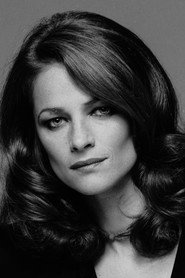 Charlotte RamplingClaire
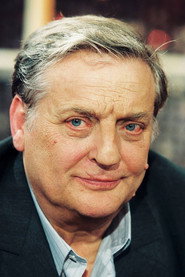 Bruno CremerLouis Delage
 Edwige FeuillèreMadame Bastier-Wagener
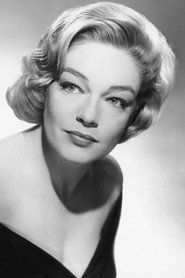 Simone SignoretLady Vamos
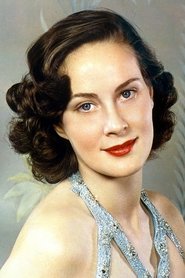 Alida Vallila folle de la gare
 Hans Christian BlechGyula Berekian
 François SimonJoszef Berekian
 Hugues QuesterMarcucci
- Rémy GermainArnaud
 Roland Bertinl'homme d'affaires
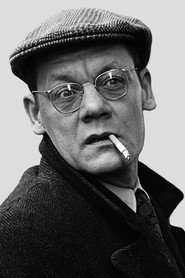 Günter MeisnerAdvokat
Directing
- Patrice ChéreauDirector
Writing
- James Hadley ChaseNovel
- Patrice ChéreauScreenplay
- Jean-Claude CarrièreWriter
Production
- Ennio NobiliCo-Producer
- Mehdi BoushehriCo-Producer
- Sergio GobbiCo-Producer
- Wolfdieter von SteinCo-Producer
- Vincent MalleProducer