
Film
Tenebre
- Slasher
- Serial killer
- Crime thriller
- Very dark
Dario Argento's stylish giallo masterpiece follows an American crime novelist whose book becomes a roadmap for a razorwielding killer stalking Rome. It's a masterclass in suspenseful visual storytelling—all neon-lit apartments, geometric framing, and shocking violence—designed to make you grip your armrest. For anyone who craves intelligent horror that trusts the image over cheap jump-scares.
Should you watch it?
Watch it if you love giallo, where the murder set-pieces are the point, and you enjoy a hunt driven by style, bright colour and a camera that prowls rather than a tidy whodunit logic.
Skip it if you want a puzzle that fits together neatly, because the plotting is loose and the violence is frequent, sharp and unflinching.
What it asks of you: At just over an hour and three-quarters, it moves in restless bursts, with long stretches of talk broken by sudden, brutal stabs of violence and a chilly, sometimes airless tone.
Not sure? Find tonight's pick in a minute.
If you liked this
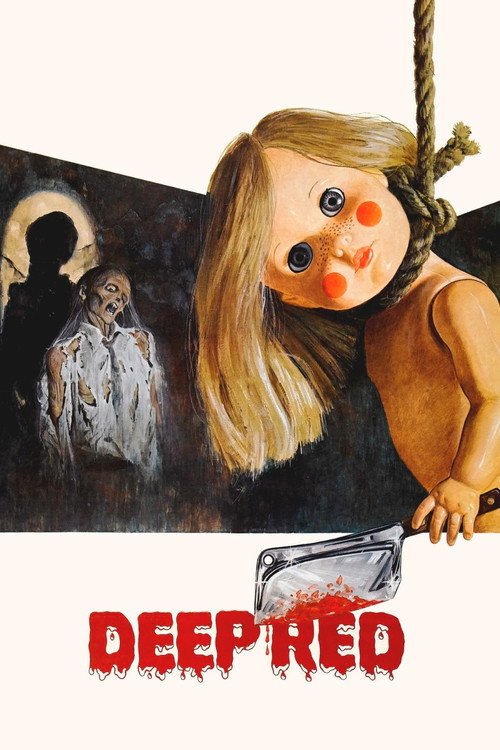
Deep Red1975
Argento's earlier masterpiece that perfected the giallo formula: a pianist witnesses a murder and becomes entangled in a brilliantly constructed mystery. If Tenebre clicked for you, this is essential—it's where Argento defined his visual language.
But Pacing shifts gears noticeably in the middle act, and the dubbed dialogue (like most Italian films of the era) can feel stilted even when the acting is excellent.
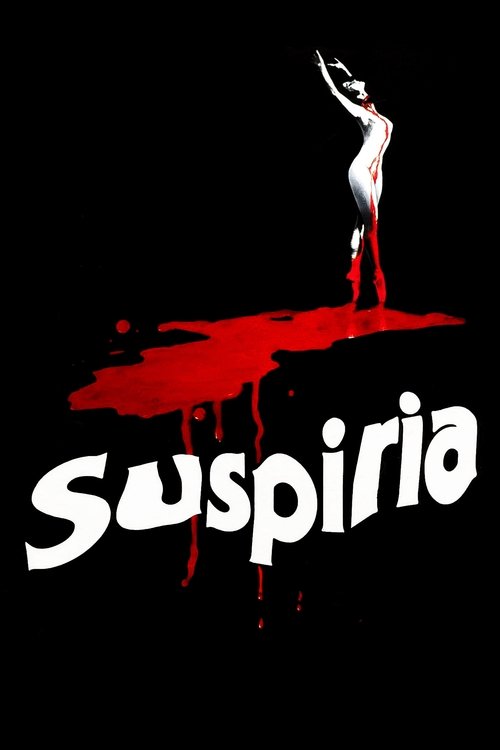
Suspiria1977
Argento's most celebrated film: a young dancer arrives at a prestigious ballet academy where students are mysteriously dying. The production design is genuinely surreal, the Goblin score is hypnotic, and the kills are inventive and unforgettable.
But It's more supernatural than Tenebre, so if you wanted grounded thriller logic, this veers into pure nightmare logic. Some find it overwrought rather than operatic.
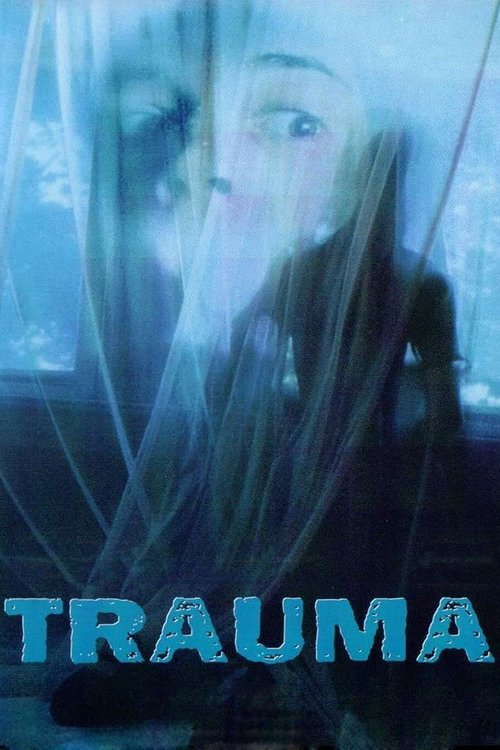
Trauma1993
Argento's first English-language film reunites him with Christopher Ryder-Smith as a woman plagued by childhood trauma who becomes drawn into a serial killer investigation. It's got his signature visual precision applied to '90s America—a fascinating late-period work.
But By the '90s, the giallo was out of fashion, and this film feels caught between that tradition and mainstream thriller conventions. It never quite settles into either.
Not sure tonight? Get a pick in a minute, starting from Tenebre
The wildcard
Something you would not have found on your own.
Possession1981
Both use precise visual composition to externalize internal horror; both collapse the boundary between sexuality and violence; both were made outside their directors' home countries by filmmakers operating at peak intensity.
Andrzej Żuławski's apocalyptic fever dream: a marriage collapses in divided Berlin while something unspeakable gestates in the subway tunnels. It shares Tenebre's fascination with bodies in space and murder, but here the violence is emotional and bodily rather than plot-mechanical. Isabelle Adjani gives perhaps the greatest performance of pure anguish ever filmed.
But It's deliberately ugly and incoherent in ways that make it difficult to watch. If you wanted clarity or conventional narrative, this is punishment rather than entertainment.

More like this (8)
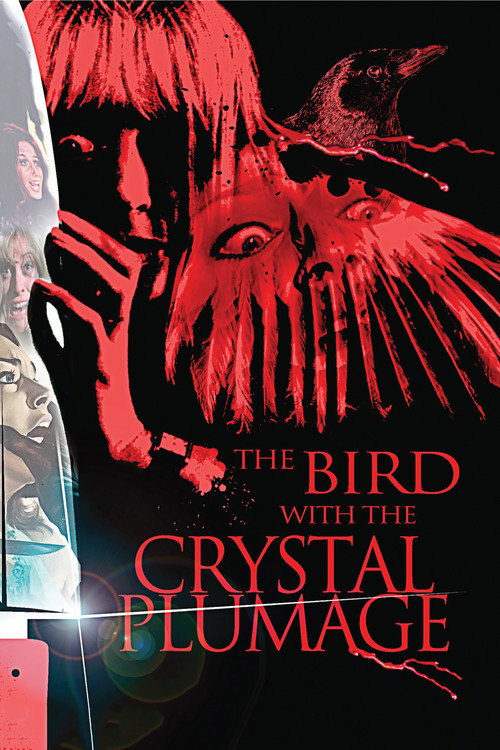
The Bird with the Crystal Plumage1970
Argento's breakthrough—an American witness to a murder attempts to solve the case while the killer comes after him. It's the prototype for everything he'd perfect later: style, structure, and that specific blend of mystery and brutality.
But It feels more restrained than Tenebre, which some find more rewarding and others find less engaging. The pacing is deliberate rather than propulsive.
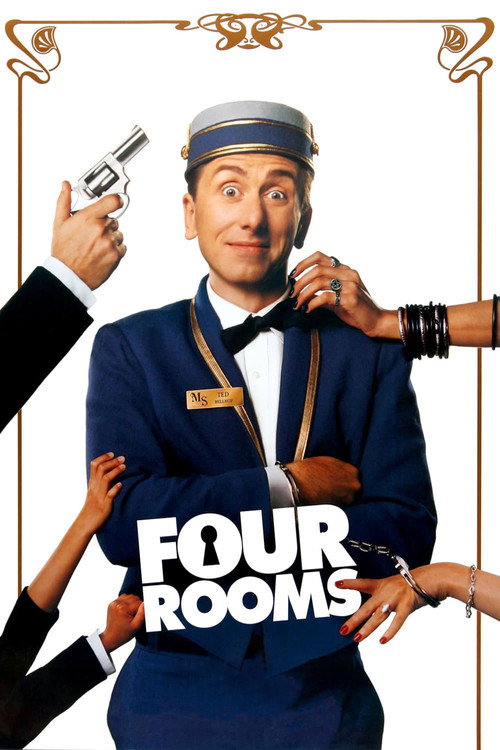
Four Rooms1995
John Saxon (Bullmer in Tenebre) carries this anthology thriller with charisma and menace. Each story is a taut puzzle box, and Saxon's presence alone makes it worth your time—he was born for this material.
But It's a TV movie, so the production values are modest, and the stories are uneven. Some are clever; others feel underbaked.
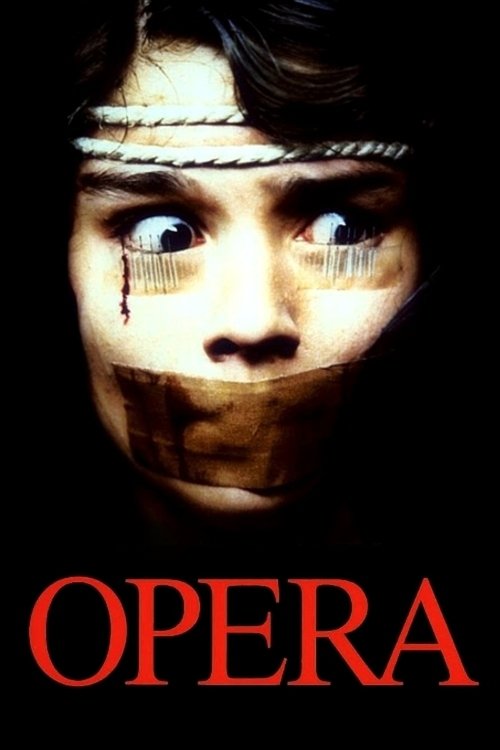
Opera1987
Argento's most audacious late work: a young opera understudy becomes the target of a killer obsessed with her performance. It's violent, surreal, and completely committed to its own operatic excess in ways that should be embarrassing but somehow work.
But It's aggressively, deliberately artificial in a way that alienates viewers looking for anything resembling realism. Some see genius; others see self-parody.
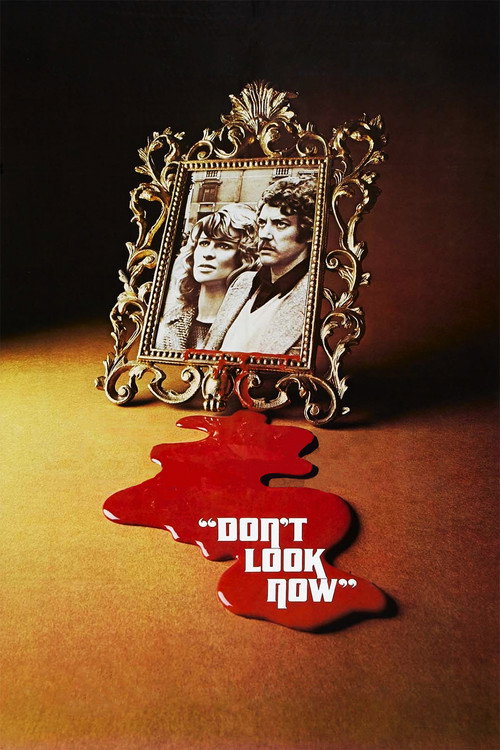
Don't Look Now1973
Nicolas Roeg's Venice-set thriller about a couple grieving their daughter who become convinced they're being hunted. It's got Tenebre's precision and atmosphere but filters it through tragic emotion—heartbreaking as well as suspenseful.
But The plot is more psychological than plot-driven, and the famous scene you've heard about doesn't overshadow a film that's ultimately quite sad. Some find sadness in thrillers tedious.
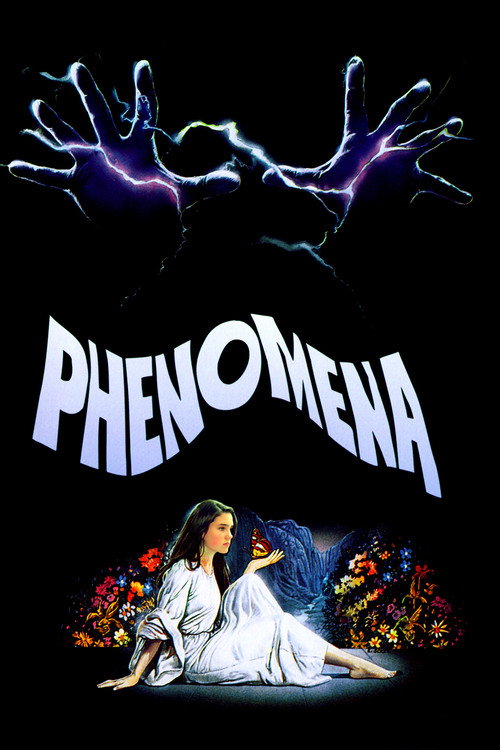
Phenomena1985
Argento directing a teenage Jennifer Connelly at a Swiss girls' boarding school where students are being murdered. It's ridiculous, gorgeous, and has perhaps his most inventive kill sequences. Pure visual storytelling with an insect-forensics subplot that shouldn't work but does.
But The logic is absurd even by giallo standards, and the dubbing is especially rough. If you need coherent plotting, this will frustrate you.
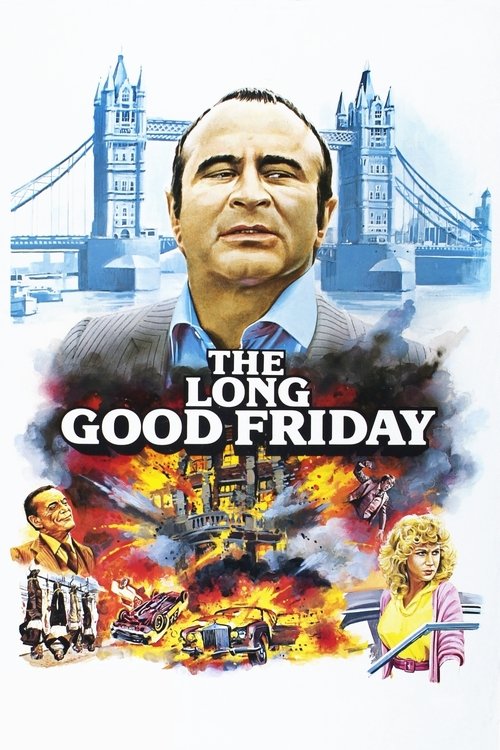
The Long Good Friday1980
A London crime boss's Easter weekend unravels as mysterious assassins pick off his associates. It's a taut political thriller with Bob Hoskins delivering one of cinema's greatest performances, and it shares Tenebre's architecture of escalating violence and hidden agendas.
But It's grounded British crime drama rather than stylish horror, so the visual language is completely different. If you came for Argento's aesthetic, this is miles away.
Memories of Murder2003
Both are visually immaculate investigations of serial murder that use the camera as a precision instrument; both understand that mystery thrillers work best when style and substance are inseparable; both have unreliable truths at their center.
Bong Joon-ho's serial killer procedural set in '80s South Korea is Tenebre's spiritual cousin from another continent: methodical, gorgeous, brutal, with a protagonist whose investigation becomes personal obsession. It's a masterpiece about violence, power, and the gaps between truth and resolution.
But At over two hours, it takes its time. The tone shifts between thriller and something darker and more melancholic. If you wanted pure adrenaline, the long stretches of investigation and dead ends will test your patience.

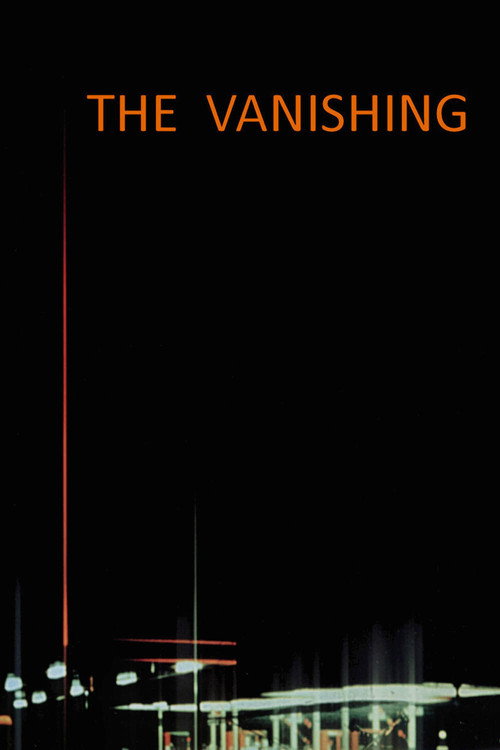
The Vanishing1988
Both treat the investigation itself as the real drama rather than a means to an end; both feature protagonists whose obsession with the mystery becomes more interesting than the mystery itself; both interrogate why we watch thrillers at all.
George Sluizer's Dutch masterpiece about a man obsessed with discovering what happened to his vanished girlfriend—and his encounter with the man responsible. It's structured like a locked puzzle box, and Tenebre viewers will recognize the architecture, but it does something completely unexpected: it asks what we actually want from the answer.
But The ending is a reversal that infuriates viewers expecting conventional resolution. It also takes its time with long sequences of everyday life, which can feel glacial compared to Tenebre's kinetic energy.
People
Cast
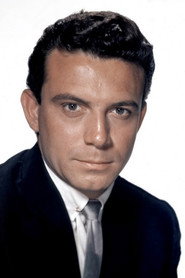 Anthony FranciosaPeter Neal
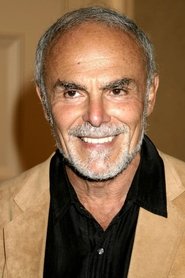 John SaxonBullmer
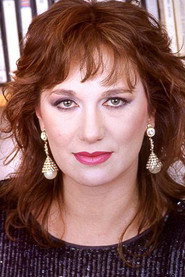 Daria NicolodiAnne
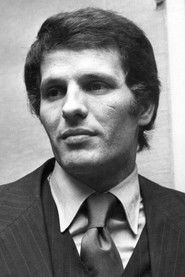 Giuliano GemmaDetective Germani
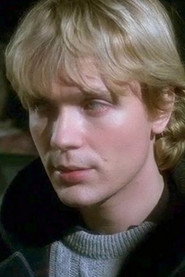 Christian BorromeoGianni
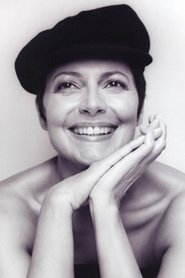 Mirella D'AngeloTilde
 Veronica LarioJane McKerrow
 Ania PieroniElsa Manni
 Eva Robin'sGirl on Beach
 Carola StagnaroDetective Altieri
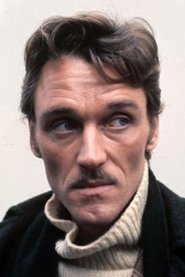 John SteinerChristiano Berti
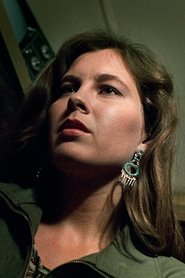 Lara WendelMaria Alboretto
Directing
- Dario ArgentoDirector
- Lamberto BavaFirst Assistant Director
- Francesca RobertiScript Supervisor
- Michele SoaviSecond Assistant Director
Writing
- Dario ArgentoScreenplay
- Dario ArgentoStory
Production
- Salvatore ArgentoExecutive Producer
- Angelo IaconoGeneral Manager
- Claudio ArgentoProducer
- Carlo Du BoisProduction Accountant
- Ferdinando CaputoProduction Accountant
- Cesare JacolucciProduction Manager
- Giuseppe MangognaProduction Manager
- Saverio MangognaProduction Secretary
- Cesare JacolucciProduction Supervisor
Recommended by
Blow Out, Deep Red, The Bird with the Crystal Plumage, Opera, Inferno, Flesh of the Orchid, The Toolbox Murders, Happy Birthday to Me, Matango, Delirium: Photo of Gioia, Mindhunters, Visiting Hours, Demons, The Night Evelyn Came Out of the Grave, Knife+Heart, Knife of Ice, Stage Fright, Giallo, Night School, Strip Nude for Your Killer, Torso, The Killer Is One of Thirteen, War Machine, The Blood Spattered Bride, Four Flies on Grey Velvet, The Case of the Bloody Iris