
Film
Inferno
Other titles called Inferno: the 1999 film, the 2016 film.
- Supernatural horror
- Very dark
Dario Argento's visual fever dream about a man drawn into the occult horrors lurking behind a Manhattan apartment building's elegant facade. Hypnotic, deliberately illogical, suffused with primary colours and Goblin's synth score. Pure style as substance—for viewers who prize atmosphere and pure cinema over plot coherence.
Should you watch it?
Watch it if you respond to dreamlike, colour-soaked horror where logic loosens and each set piece is a painting you want to stare at, even if the plot keeps slipping away from you.
Skip it if you need a tight, coherent story, since this one trades narrative sense for mood and its pacing is loose and fragmentary, with dialogue that often feels like an afterthought.
What it asks of you: At 107 minutes, it moves in uneven, eerie bursts, so the images carry the weight; you watch closely and let the logic slide.
Not sure? Find tonight's pick in a minute.
If you liked this
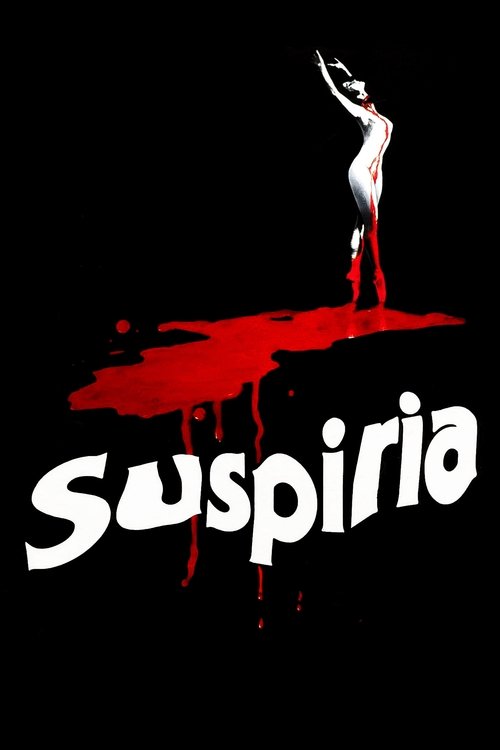
Suspiria1977
Argento's masterpiece uses similar visual language and synth-drenched dread to explore a ballet academy harboring supernatural evil. A perfect entry point to his aesthetic if you haven't seen it.
But The plot is genuinely thin and the dubbing (even in restored versions) can feel distant. It asks you to surrender to mood rather than meaning.
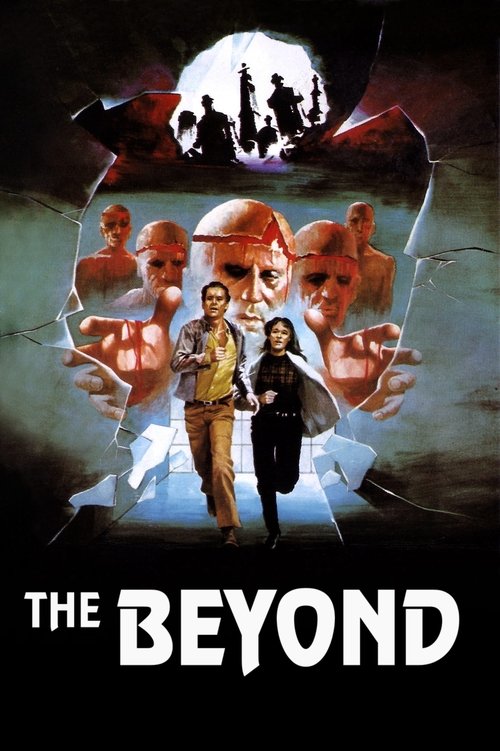
The Beyond1981
Lucio Fulci's companion piece of dreamlike surrealism—a woman inherits a hotel built on a gateway to hell. Same era, same willingness to abandon logic for pure atmospheric dread and practical gore.
But It's even more structurally chaotic than Inferno. If you need narrative momentum, this will feel glacial and bewildering.
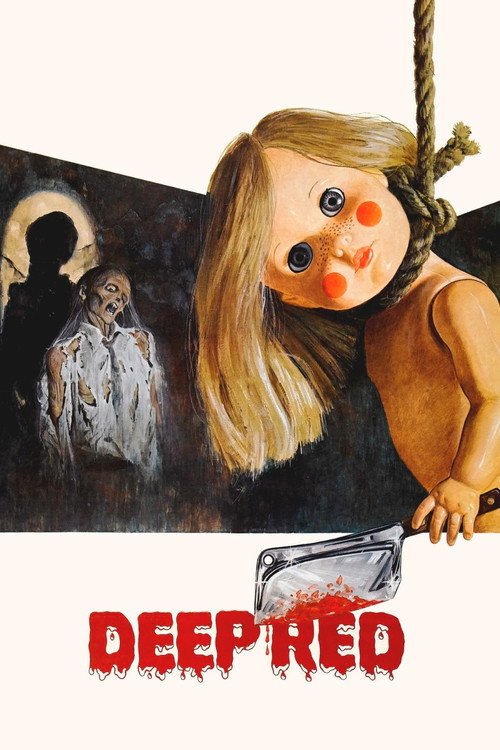
Deep Red1975
Argento at his most accessible: a pianist witnesses a murder and investigates a conspiracy. Glorious giallo thrills with the same meticulous production design and colour palette you loved in Inferno.
But It's longer and more traditionally plotted, which means less of that hypnotic abstract quality. Some find it overwrought.
Not sure tonight? Get a pick in a minute, starting from Inferno
The wildcard
Something you would not have found on your own.
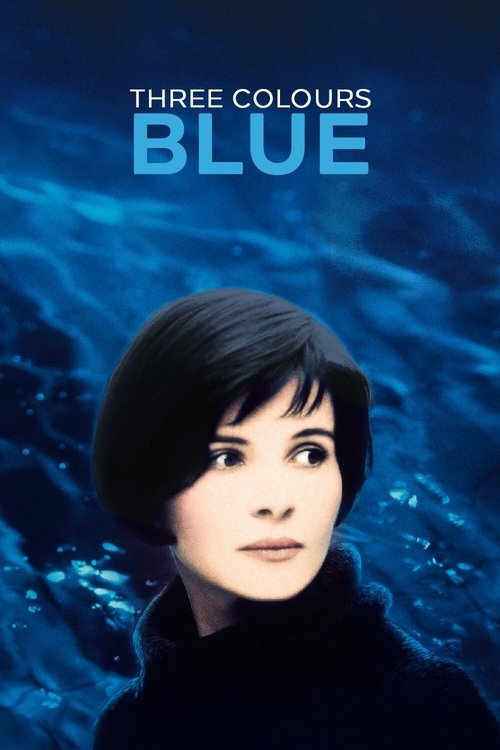
Three Colors: Blue1993
Both use colour, mise-en-scène, and architectural space as the primary storytelling device. Both trap their protagonists in labyrinthine spaces that feel character-defining. Both trust the audience to surrender to mood over plot.
Krzysztof Kieślowski's meditation on grief and architectural spaces uses colour and sound design with Argento-like precision, but as the language of loss rather than horror. A woman moves through Paris, trapped in an apartment and memory.
But It's a philosophical rumination, not a thriller. If you're expecting narrative momentum or genre thrills, the slowness will feel punishing rather than hypnotic.
More like this (6)
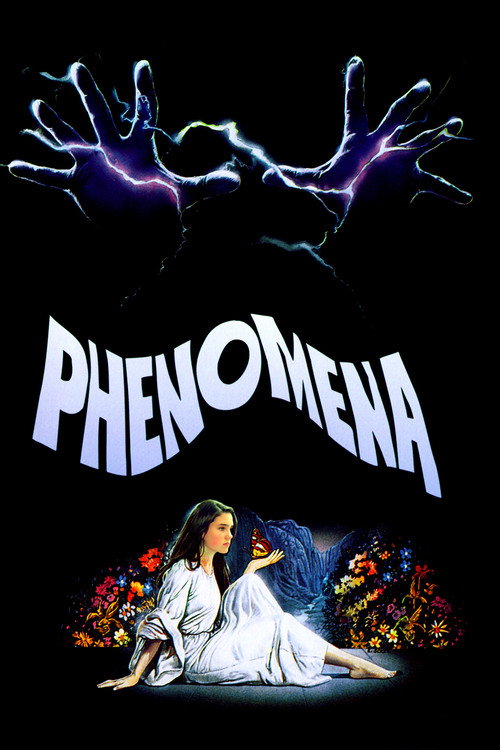
Phenomena1985
Argento returns to occult mystery with a girl who communicates with insects. Visually baroque, featuring Jennifer Connelly and a genuinely unsettling atmosphere beneath the high-concept premise.
But The dubbed English dialogue is sometimes unintentionally comic. The plot involves bugs solving murders, which requires patience with absurdity.
The Wailing2016
Na Hong-jin's Korean horror builds dread through fractured narrative and visual accumulation much like Inferno—a missing girl, a village, mounting paranoia about who or what is responsible.
But It's 156 minutes and demands active reconstruction of its meaning. The ambiguity will frustrate anyone wanting clear answers.

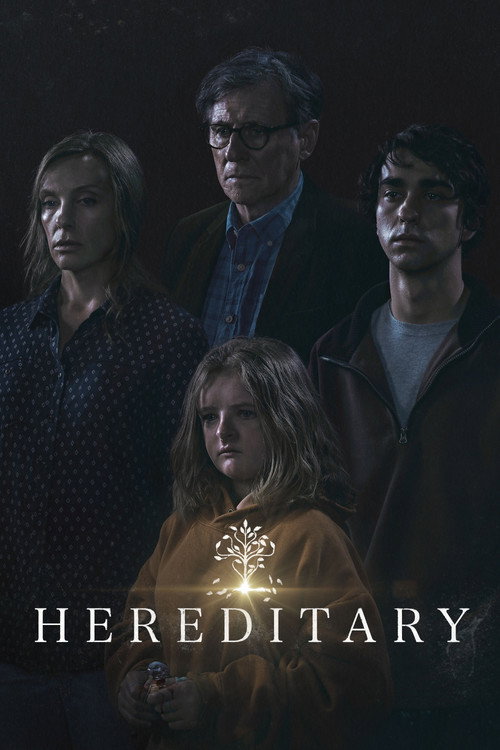
Hereditary2018
Ari Aster uses production design and colour (especially yellows and sickly greens) as a character. Occult horror that privileges dread and visual storytelling over exposition, though with more emotional grounding.
But It's far more emotionally brutal and less fun. The pacing is glacial and the third act may feel like a betrayal if you prefer mystery to revelation.
Mulholland Drive2001
Lynch's Los Angeles nightmare shares Inferno's commitment to dream logic over plot. A woman in a mysterious mansion, narrative collapse, primary colours, and pure cinema as the message.
But It's three hours of deliberate obscurity. If you watch Inferno for thrills, this offers none—it's an experience, not a story.

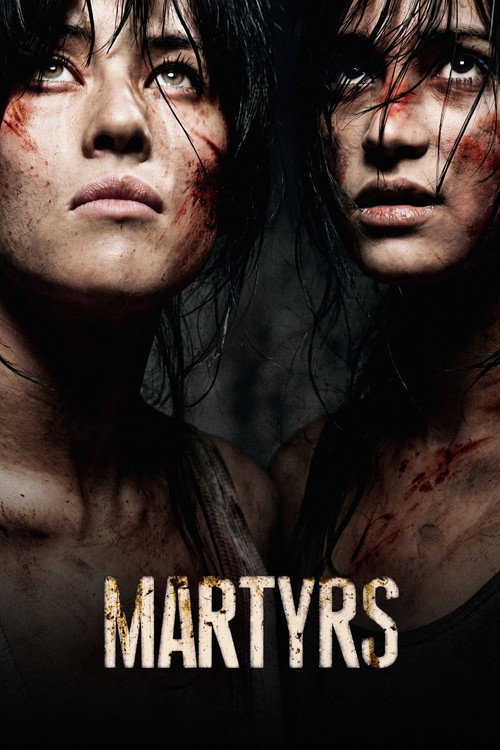
Martyrs2008
Pascal Laugier's French extremity horror uses visual intensity and architectural dread to explore cosmic nihilism. Relentlessly committed to atmosphere and formal precision like Argento, but bleaker.
But It contains sustained graphic violence and explores genuine suffering without irony. Not remotely fun, and the ending is philosophically dark rather than satisfying.
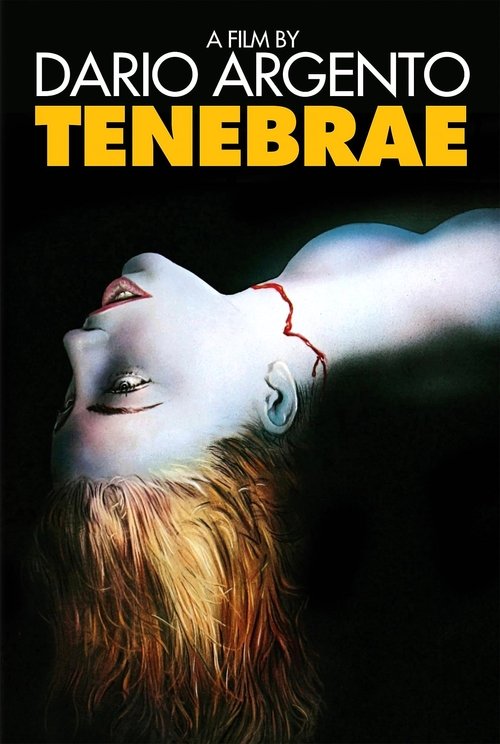
Tenebre1982
Same director, same era, same technical mastery—but the inverse philosophy. Where Inferno surrenders to dream logic and the supernatural, Tenebre is ruthlessly linear and rational. Watching them together shows Argento's range between abstraction and precision.
Argento's other masterpiece: a writer's arrival in Rome triggers a series of elaborately staged murders. If Inferno is his abstract occult nightmare, Tenebre is his most formal and controlled thriller—equally dazzling but crystalline rather than dreamlike.
But It's more violent and more explicitly about murder than Inferno. Some found it nihilistic when it premiered, and the dubbing (like all his work) can feel strange.
People
Cast
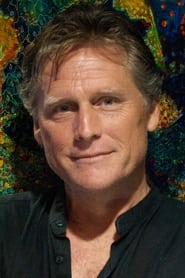 Leigh McCloskeyMark Elliot
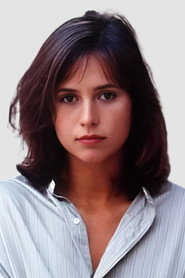 Irene MiracleRose Elliot
 Eleonora GiorgiSara
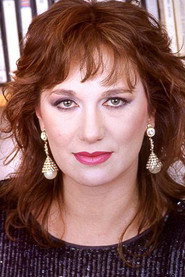 Daria NicolodiElise Stallone Van Adler
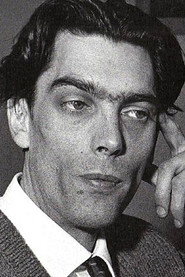 Sacha PitoëffKazanian
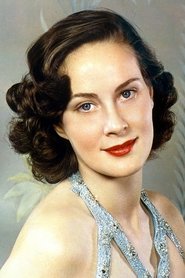 Alida ValliCarol
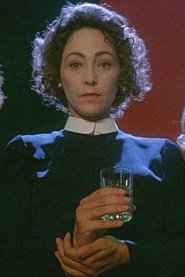 Veronica LazărNurse
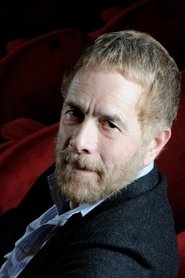 Gabriele LaviaCarlo
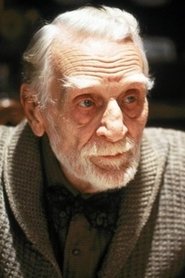 Feodor Chaliapin Jr.Professor Arnold / Dr. Varelli
 Leopoldo MastelloniJohn, the Butler
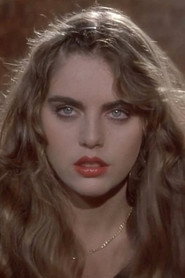 Ania PieroniMater Lachrymarum
- James FleetwoodCook
Directing
- Lamberto BavaAssistant Director
- Dario ArgentoDirector
- Serena CanevariScript Supervisor
- Andrea PiazzesiSecond Assistant Director
- Mario BavaSecond Unit Director
Writing
- Dario ArgentoScreenplay
- Dario ArgentoStory
Production
- Solly V. BiancoAdministration
- Guglielmo GarroniExecutive Producer
- Claudio ArgentoProducer
- Salvatore ArgentoProducer
- Anna Maria GalvinelliProduction Assistant
- Michela ProdanProduction Assistant
- Saverio MangognaProduction Assistant
- Andrew W. GarroniProduction Manager
- Angelo IaconoProduction Manager
- Cesare JacolucciUnit Manager
Recommended by
As Above, So Below, Phenomena, The Beyond, Planet of the Vampires, Fascination, Stage Fright, Dracula 3D, Giallo, The House with Laughing Windows