
Film
The Beyond
- Horror
- Portal fantasy
- Very dark
Lucio Fulci's 1981 masterpiece is pure surrealism in a horror film's body. A woman inherits a Louisiana hotel built atop one of Hell's gates, and the film abandons plot for sustained nightmare logic—each scene more baffling and beautiful than the last. It's hypnotic, grotesque, unforgettable. For people who want cinema as experience, not explanation.
Should you watch it?
Watch it if you want gore-soaked, dream-logic Italian horror where atmosphere and grotesque set pieces matter more than sense, and you enjoy a story that cares less about explaining itself than about unsettling you.
Skip it if you need plot logic and character motivation to stay engaged, since the story drifts, repeats its beats and plays its dread as mood rather than cause and effect.
What it asks of you: Settle in for 88 minutes of dreamlike drift, long silences and slow dread punctuated by sudden, violent jolts, with little patience for exposition.
Not sure? Find tonight's pick in a minute.
If you liked this
Suspiria1977
Dario Argento's other masterpiece: vivid, architectural horror where logic matters less than pure visual and sonic dread. If you loved The Beyond's willingness to be strange, this will devastate you.
But The plot is threadbare and the dubbing takes adjustment. It demands patience with style over substance.

Mulholland Drive2001
Lynch's Los Angeles nightmare builds meaning from imagery and mood rather than coherent plot. Like The Beyond, it trusts the audience to sit with confusion and find beauty in it.
But Nearly three hours. The second half fractures the narrative in ways that frustrate viewers looking for answers.

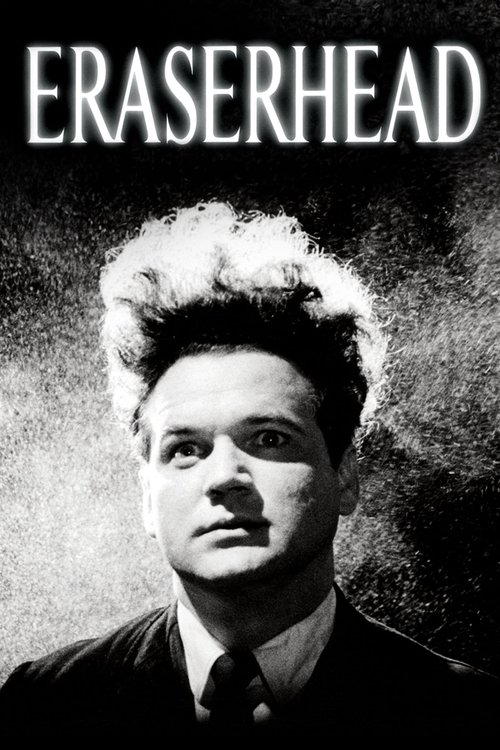
Eraserhead1977
Lynch's debut is pure nightmare syntax—abstract, tactile, deeply unsettling. It shares The Beyond's commitment to making you *feel* rather than understand.
But Black-and-white, austere, barely ninety minutes but feels longer. Not a comfortable watch.
Not sure tonight? Get a pick in a minute, starting from The Beyond
The wildcard
Something you would not have found on your own.
Come and See1985
Both use surreal editing, fragmented narrative, and visual repetition to trap the viewer in a protagonist's descent into a hellscape that refuses rational comprehension.
Elem Klimov's Belarusian war film has The Beyond's nightmare structure and refusal to explain itself—but it's grounded in real historical horror. The descent into hell is literal and psychological. Unforgettable and harrowing.
But Based on WWII atrocity. Not horror-movie horror—actual suffering. Devastating rather than entertaining.

More like this (6)
The Wailing2016
South Korean horror that mirrors The Beyond's structure: a mystery that dissolves into metaphysical dread. Visually stunning and philosophically ambitious in ways mainstream horror avoids.
But Nearly three hours with a deliberately ambiguous ending that some find infuriating rather than profound.

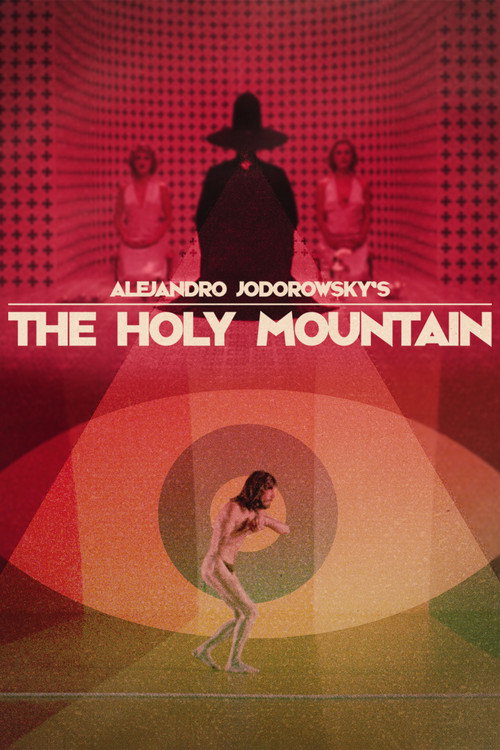
The Holy Mountain1973
Jodorowsky's surrealist epic builds meaning through symbol and spectacle rather than narrative. If you responded to The Beyond's rejection of conventional storytelling, this goes further.
But Genuinely difficult viewing—violent, sexual, bizarre, three hours long, and unapologetic. The commitment required is substantial.
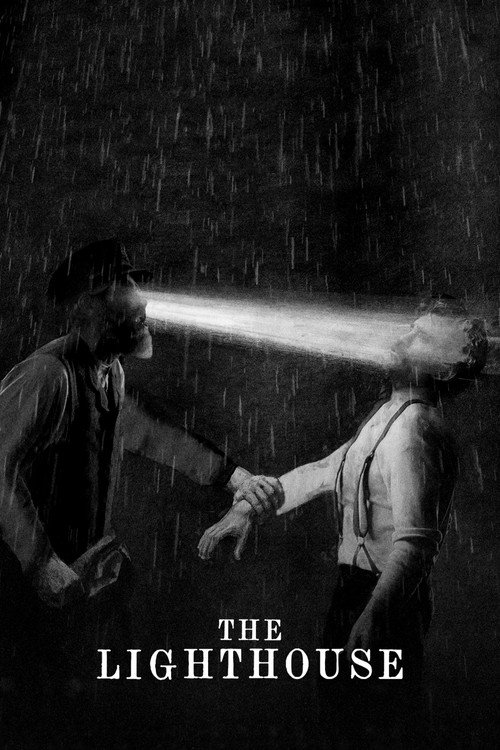
The Lighthouse2019
Eggers traps two men in hell of their own making on a rock. Black-and-white, formally precise, hallucinatory without breaking logic. Intense and hypnotic.
But Deliberately slow and claustrophobic. The dialect and sound design are oppressive. Not a relaxing watch.
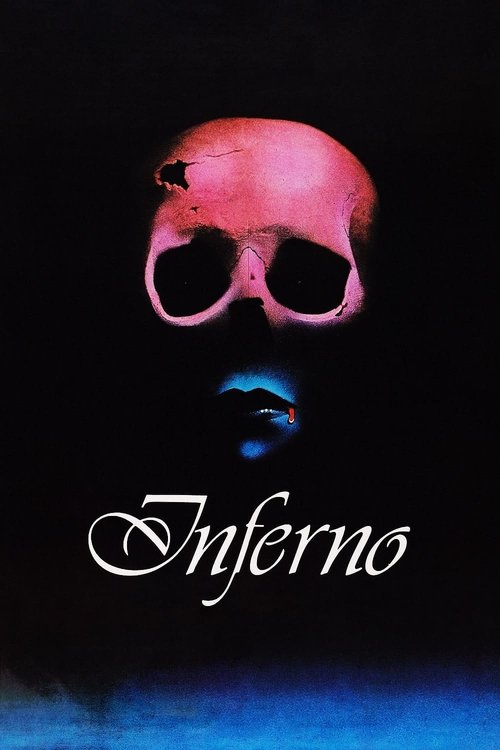
Inferno1980
Argento's companion to Suspiria: a sister film investigating the Three Mothers. Gorgeous, baroque, operatic. Less coherent than Suspiria but equally committed to visual nightmare.
But The plot collapses entirely in the final act. Dubbed dialogue and the logic gaps require active forgiveness.
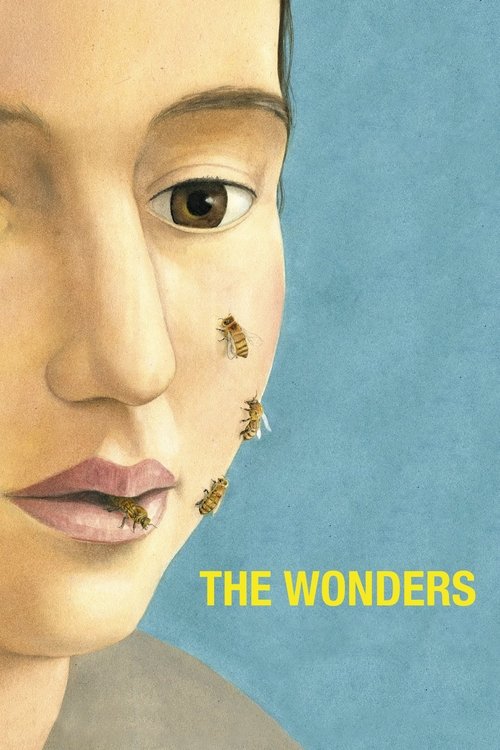
The Wonders2014
Both treat landscape as a character with its own agency and malice. Both prize visual and sonic strangeness over plot momentum. Both end in transcendence through acceptance of the inexplicable.
Alice Rohrwacher's Italian miracle-and-decline film has The Beyond's dreamlike pacing and its fixation on cursed space (a farm becomes infected with wrongness). Deceptively quiet, entirely strange, deeply moving.
But Slow rural drama disguised as something intimate. The strangeness emerges gradually; some will find it too subtle or pretentious.
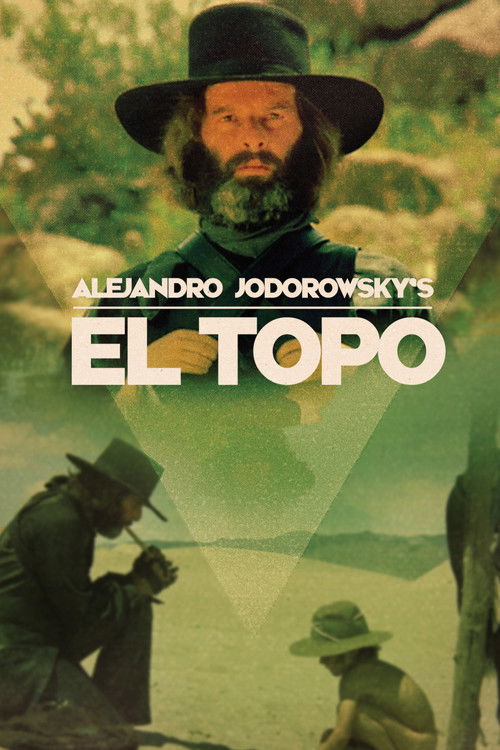
El Topo1970
Both use surrealism and sacred imagery to depict spiritual descent. Both are structured as increasingly abstract journeys rather than narratives. Both demand the audience surrender to symbol over story.
Jodorowsky's earlier surrealist western built from nightmares, eroticism, and mystical violence. Like The Beyond, it's a journey through symbolic hell where nothing means what it appears to. Genuinely visionary.
But Extremely graphic violence. No plot to speak of, dialogue is sparse, and the philosophy can feel pretentious. Deliberately antagonistic to comfort.
People
Cast
 Catriona MacCollLiza Merril
 David WarbeckJohn McCabe
 Cinzia MonrealeEmily
 Antoine Saint-JohnSchweick
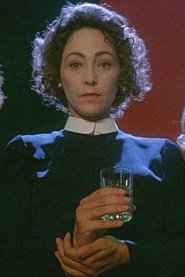 Veronica LazărMartha
 Larry RayLarry
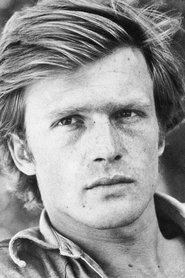 Al CliverDr. Harris
 Michele MirabellaMartin Avery
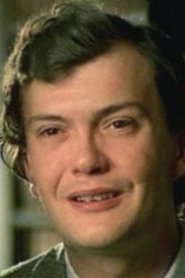 Giampaolo SaccarolaArthur
 Laura De MarchiMary-Ann
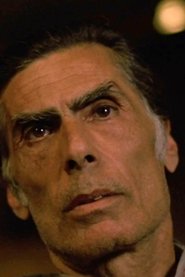 Calogero AzzarettoZombie at Hospital (uncredited)
Directing
- Roberto GiandaliaAssistant Director
- Rita AgostiniContinuity
- Lucio FulciDirector
Writing
- Dardano SacchettiScreenplay
- Giorgio MariuzzoScreenplay
- Lucio FulciScreenplay
- Dardano SacchettiStory
Production
- Otello TomassiniAccountant
- Paolo GarganoAccountant
- Otello TomassiniAdministration
- Fabrizio De AngelisProducer
- Larry RayProduction Manager
- Fabrizio De MartinoProduction Secretary
- T. David PashUnit Manager
- Tullio LulloUnit Manager
Recommended by
The Serpent and the Rainbow, Prince of Darkness, Hellraiser, The House That Dripped Blood, Inferno, Beyond the Black Rainbow, Anthropophagous, Zombie Flesh Eaters, We Are the Flesh, Demons, Comin' at Ya!, Stage Fright, Let the Corpses Tan, The Boxer's Omen, The Devil's Men, Santa Claus Is a Stinker, All the Colours of the Dark, Tombs of the Blind Dead, Faces of Death