
Film
Faces of Death
- Horror
- Very dark
- Strange
- Dip in and out
Faces of Death is a 1978 mockumentary that presents itself as a clinical study of death across cultures and species. Shot as found footage avant la lettre, it blurs documentary and horror, real and fabricated footage in ways that still unsettle. For those curious about transgressive cinema history and willing to sit with genuine discomfort, it's genuinely unsettling. Not entertainment in any comfort-seeking sense.
If you liked this
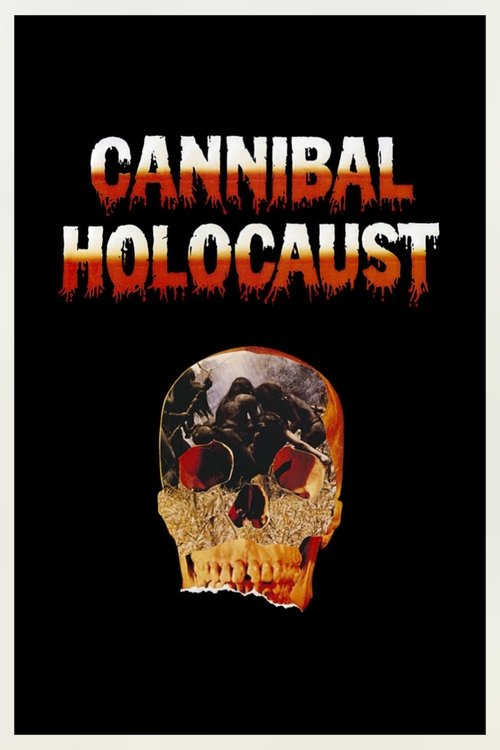
Cannibal Holocaust1980
Another found-footage transgression that treats extreme imagery as documentary fact. Shares Faces of Death's willingness to show what most films won't and its queasy moral ambiguity about what we're watching.
But Genuinely difficult to watch. The animal violence is real, the human depravity is performed, and the film doesn't clearly separate the two—which is partly the point, and partly unforgivable.
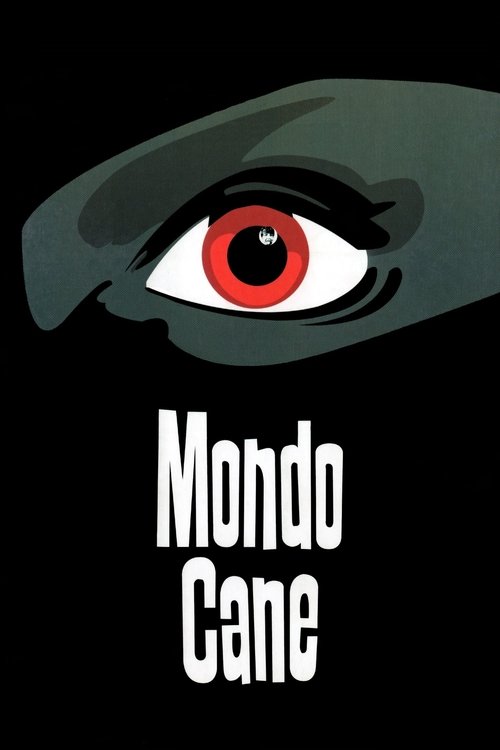
Mondo Cane1962
The original mondo film, which Faces of Death directly inherits from. Presents shocking global footage under a patina of anthropological distance. Essential viewing to understand what Faces was riffing on.
But The dated racial attitudes baked into the narration are hard to stomach. It's also genuinely dull between the shocking bits, which Faces at least avoids.
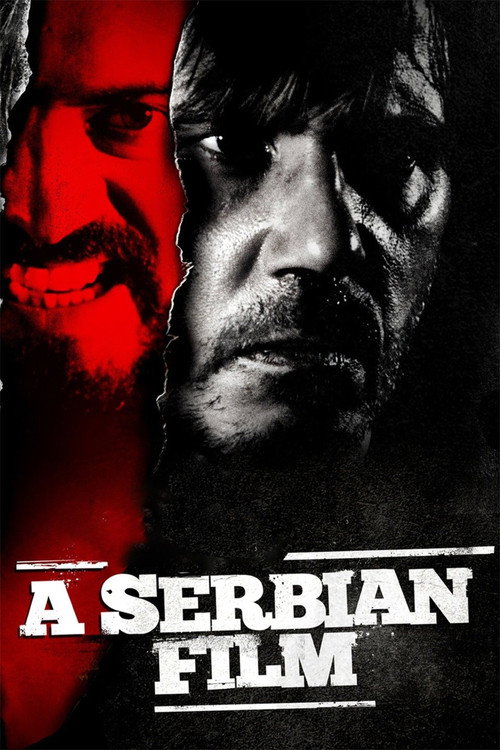
A Serbian Film2010
Modern transgressive horror that weaponizes imagery and refuses to look away. If you're drawn to Faces for its willingness to violate taboos, this extends that impulse into nightmare logic.
But Genuinely misogynistic and predatory in ways that go beyond transgression into something uglier. The shock serves the shock, not much else.
Not sure tonight? Get a pick in a minute, starting from Faces of Death
The wildcard
Something you would not have found on your own.
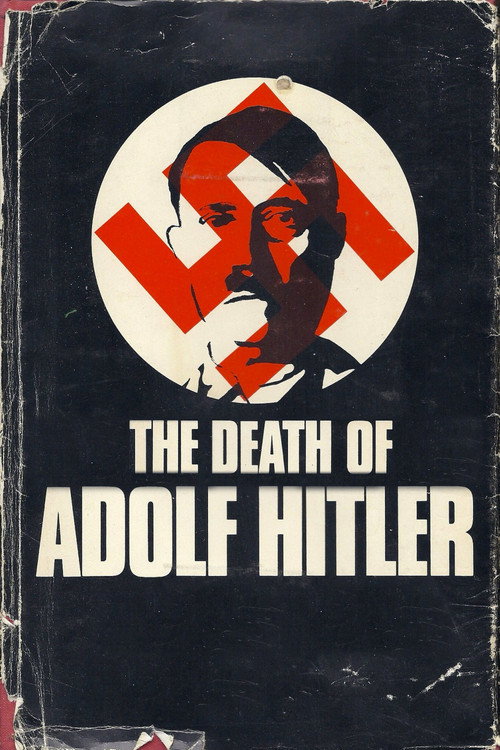
The Death of Adolf Hitler1973
Both films use found and reconstructed footage to create false authority around taboo subjects. Faces borrowed this mock-documentary tone as a direct inheritance.
A documentary about Hitler's final days that plays with fact and speculation in ways that influenced Faces of Death's aesthetic. The connection is genealogical—this is part of what made Faces possible.
But It's a dry historical document dressed up as mystery. Long stretches are genuinely boring, and the speculation masquerades as fact in ways that feel dated.
More like this (8)
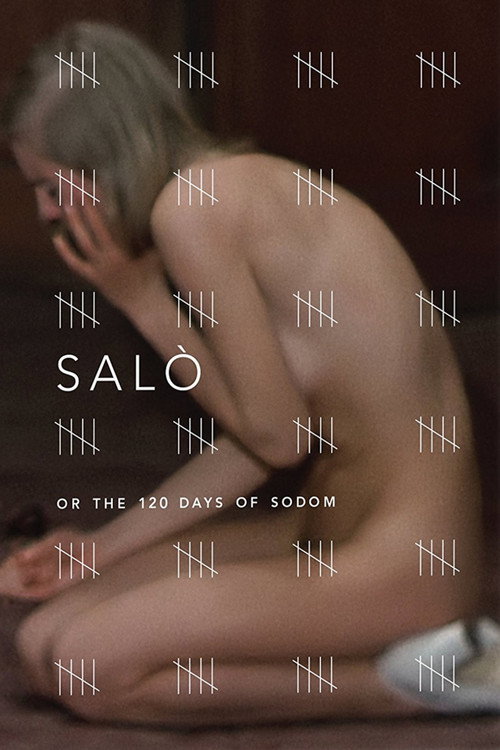
Salò, or the 120 Days of Sodom1976
Pasolini's final film is transgressive cinema with actual intellectual and moral weight. It understands degradation as political statement in ways Faces of Death merely flirts with.
But Unwatchable for most people. The graphic sexual violence is relentless and intentionally dehumanizing. You need to want to engage with Pasolini's argument to justify sitting through it.
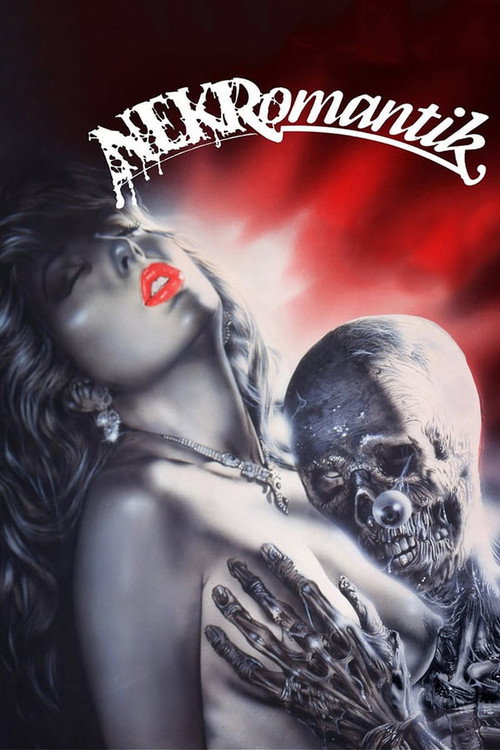
Nekromantik1988
A love story between two necrophiliacs shot in grainy Super 8. It takes the transgression seriously as cinema, not just as shock—genuinely formally inventive in its grotesqueness.
But Proudly tasteless. The graphic imagery serves no purpose beyond itself. If you want transgression with ideas, look elsewhere.
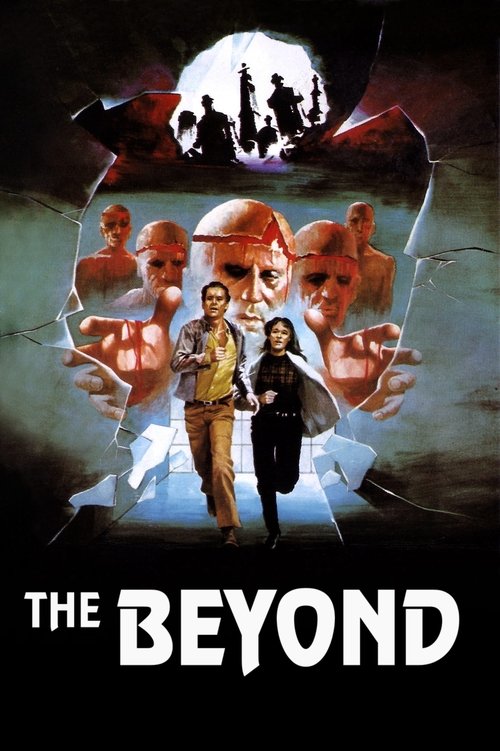
The Beyond1981
Italian horror that doesn't blink away gore but uses it to create genuine dread. Lucio Fulci at his most unhinged, with a logic that's dreamlike rather than documentary.
But The plot barely exists and the logic is surreal to the point of incoherence. It's about feeling, not narrative.
Suspiria1977
Dario Argento's masterpiece of pure stylistic horror. Proof that you can be visceral, beautiful, and genuinely frightening without needing real footage or shock tactics.
But Deliberately artificial in ways that can feel camp. The narrative is thin and the dubbing occasionally unintentionally funny.

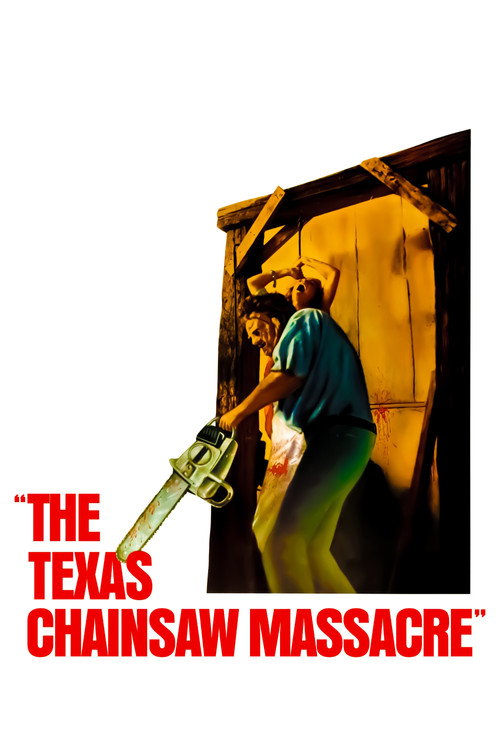
The Texas Chain Saw Massacre1974
Looks like found footage before that was a category. Raw, feverish energy and genuine wrongness that suggests extreme violence without showing much. A masterclass in implication.
But The visceral intensity can feel like assault rather than art. It's deliberately unpleasant in ways some viewers will find exploitative.
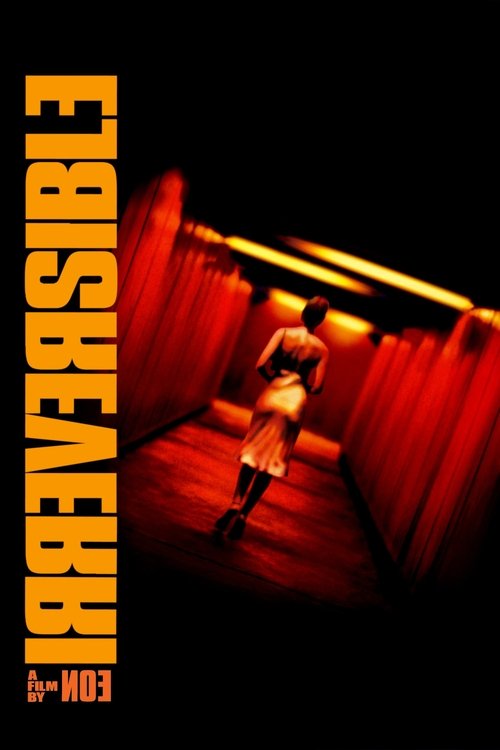
Irreversible2002
Gaspar Noé's backwards narrative about trauma and violence. Uses shocking imagery to create genuine emotional devastation rather than cheap thrills.
But The famous nine-minute rape scene is presented in real time. The film's formal ambition doesn't redeem the experience of watching it for many viewers.
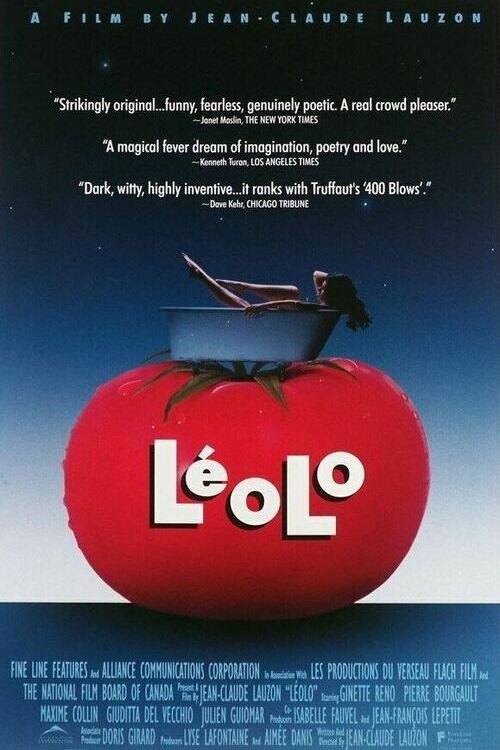
Léolo1992
Both are obsessed with the body in states of rupture and transformation. Faces treats death as spectacle; Leolo treats it as a kind of poetry. Same fixation, opposite temperature.
A surrealist coming-of-age nightmare that confronts bodily horror, madness, and death with a lyrical rather than documentary eye. Shows transgression can be beautiful and personal rather than clinical and impersonal.
But Deliberately dreamlike to the point of incomprehensibility. If you're watching for narrative clarity, you'll be frustrated. Requires surrender to mood over meaning.
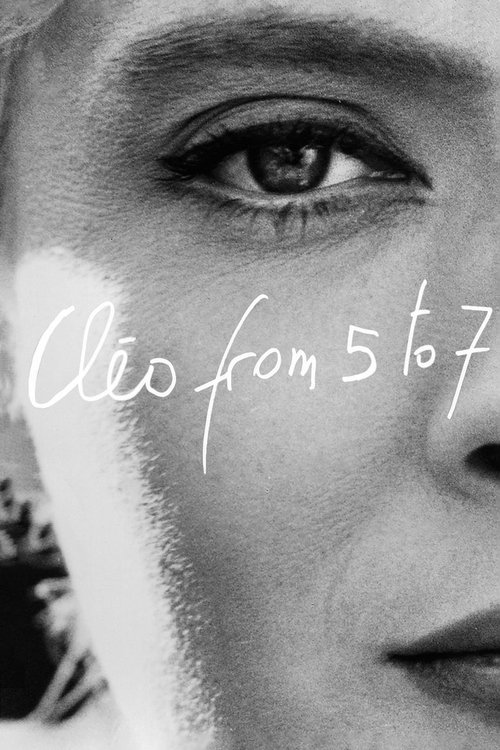
Cléo from 5 to 71962
Both films are obsessed with death and its visibility. Faces treats death as image to be shocked by; Cléo treats it as an idea to be lived with. Opposite approaches to the same territory.
Agnès Varda's real-time film about a woman waiting for cancer test results. It's genuinely about mortality and embodiment without a single shocking image. Proof that cinema can sit with death differently.
But Barely anything happens. It's a 90-minute stroll through Paris with minimal plot. If you want stakes or narrative momentum, you'll find it glacially slow.
People
Cast
 Michael CarrDr. Frances B. Gröss
- Samuel BerkowitzSamuel Berkowitz
- Mary Ellen BrightonSuicide Victim
 Thomas NoguchiThomas Noguchi
- John Alan SchwartzLeader of Flesh Eating Cult (uncredited)
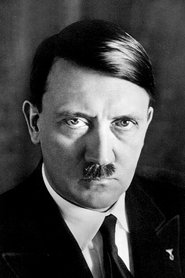 Adolf HitlerSelf (archive footage) (uncredited)
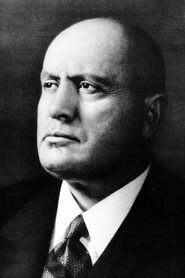 Benito MussoliniSelf (archive footage) (uncredited)
- Vern StiermanNarrator (voice)
Directing
- John Alan SchwartzAssistant Director
- John Alan SchwartzDirector
Writing
- John Alan SchwartzWriter
Production
- Herbie LeeAssociate Producer
- William B. JamesExecutive Producer
- Rosilyn T. ScottProducer
- Derek WalshProduction Manager