
Film
Mondo Cane
- Horror
- Very dark
- Strange
- Dip in and out
Mondo Cane is a 1962 Italian shockumentary—part travelogue, part freak show—that strings together bizarre cultural practices from around the world. It's deliberately provocative and deeply uncomfortable, designed to titillate and disturb rather than educate. Essential for understanding how documentaries could be weaponized as entertainment, but also a time capsule of colonial-era attitudes that haven't aged well.
Should you watch it?
Watch it if you enjoy the sly, showman's pleasure of a curiosity cabinet, where a voice-over sets up each oddity with a wink and you're happy to be unsettled and amused at once.
Skip it if you find shock for its own sake tiresome, since the footage is strung together without much argument, and its treatment of people as exhibits can feel cheap.
What it asks of you: Short, loosely linked vignettes arrive one after another, so it runs on episodic jolts rather than plot, and you must tolerate being jolted again and again.
Not sure? Find tonight's pick in a minute.
If you liked this
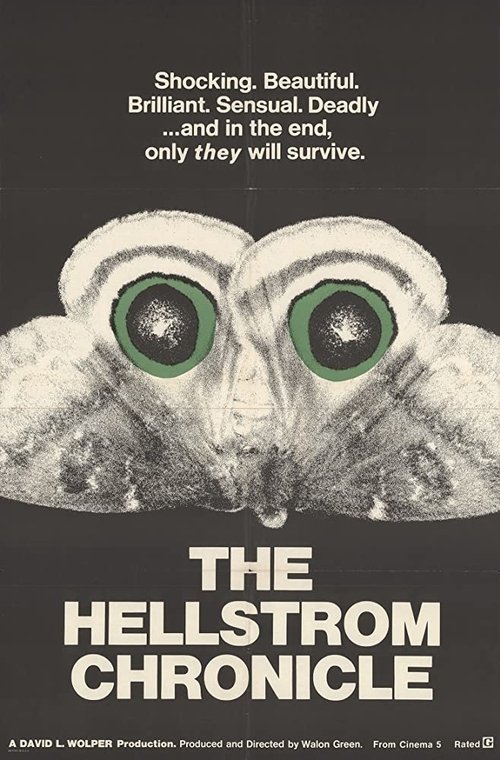
The Hellstrom Chronicle1971
A nature documentary about insects that's genuinely disturbing—it treats bugs as horror movie villains. Like Mondo Cane, it uses spectacle and dread instead of wonder, and the pseudo-scientific narration is perfectly deadpan.
But It's slower and more meditative than you'd expect, which means you're sitting with footage of insect violence for long stretches. Some people find that boring instead of unsettling.
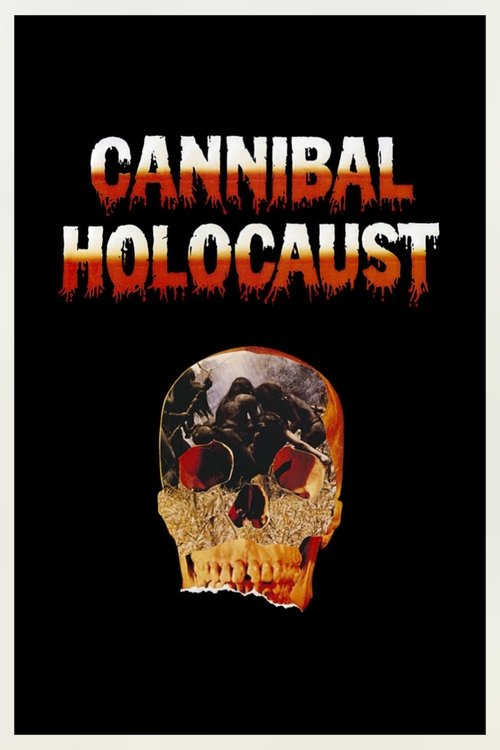
Cannibal Holocaust1980
The spiritual successor to Mondo Cane's approach—exploitative anthropology as horror. It pushes the formula to brutal extremes and then comments on its own exploitation. Genuinely provocative filmmaking, not just shock for shock's sake.
But It's genuinely difficult to watch. Not just disturbing imagery but a whole philosophy designed to make you uncomfortable with yourself. The animal violence alone disqualifies it for many viewers.
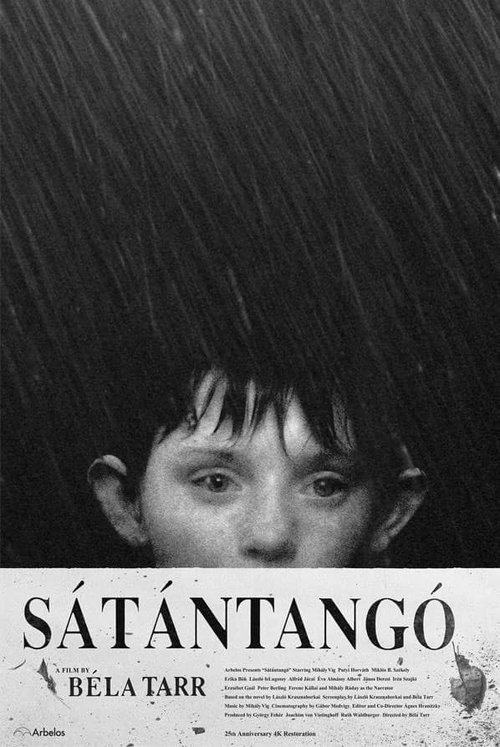
Satantango1994
A seven-hour Hungarian film about people living in societal margins. Like Mondo Cane, it observes human behaviour with an anthropologist's eye, but with compassion instead of contempt. The slow, patient gaze is hypnotic.
But It demands everything from you—the length alone is a barrier, and Béla Tarr's style requires you to sit in discomfort. Not a film you watch; it's a film you endure, in the best way.
Not sure tonight? Get a pick in a minute, starting from Mondo Cane
The wildcard
Something you would not have found on your own.
La Haine1995
Both films observe communities as spectacle, but La Haine refuses spectacle—it demands you reckon with why those lives matter. It's a direct answer to the ethics of Mondo Cane.
A narrative film shot in black-and-white about three young men in a Parisian banlieue—the inverse of Mondo Cane's approach to studying marginal lives. It's anthropological cinema that gives its subjects interiority, voice, and rage. The observation becomes solidarity.
But It's bleak and angry, with a final act that's genuinely devastating. Some viewers find its political rage didactic, and the handheld style can feel claustrophobic.

More like this (5)
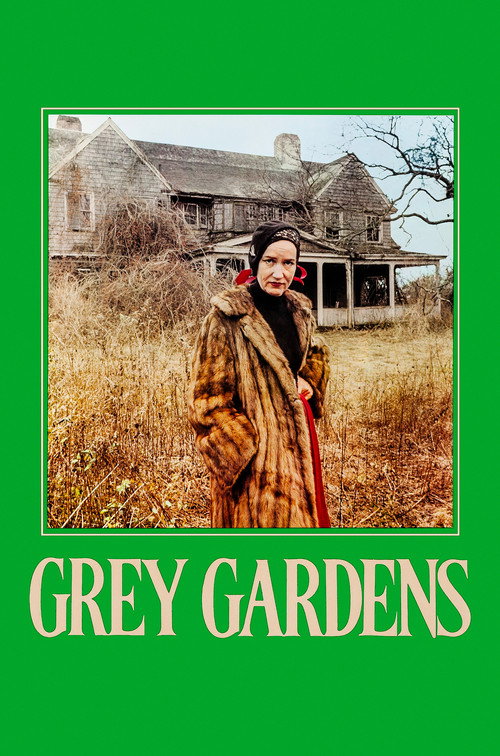
Grey Gardens1976
A documentary portrait of two eccentric socialites living in decay. It has Mondo Cane's voyeuristic quality but redeems itself through genuine curiosity about its subjects' inner lives. You watch them; you end up caring about them.
But The boundary between observational cinema and exploitation feels thin and uncomfortable throughout. Some viewers resent how the film profits from documenting dysfunction.
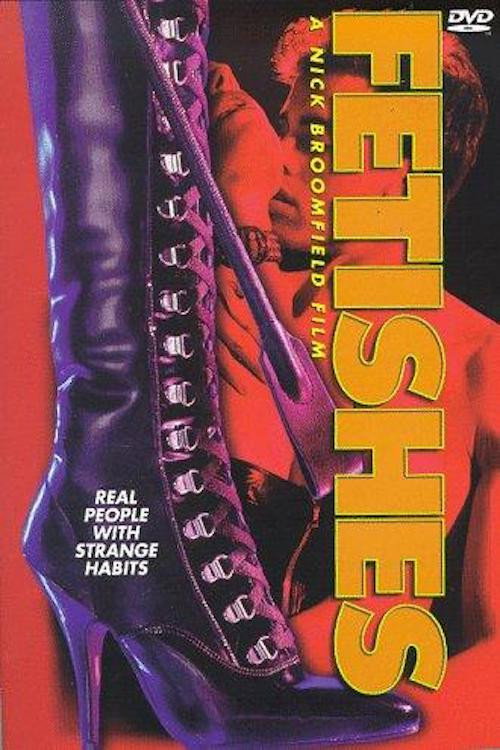
Fetishes1996
Nick Broomfield documents New York's underground fetish scene with anthropological interest and actual respect. It's Mondo Cane's curiosity about transgressive human behaviour, but with ethics and genuine interest in who these people are.
But Explicit sexual content throughout. Even if you're comfortable with the subject matter, Broomfield's fly-on-the-wall style can feel invasive and sometimes prurient.
האושפיזין2004
An Israeli film about ultra-Orthodox Jews celebrating Sukkot, observed with genuine curiosity and humour. It observes unfamiliar cultural practice without exoticizing or mocking, showing how documentary can be both interested and respectful.
But The cultural specificity might alienate viewers unfamiliar with Jewish tradition. It's also a narrative film, not a documentary, so you're getting storytelling rather than pure observation.

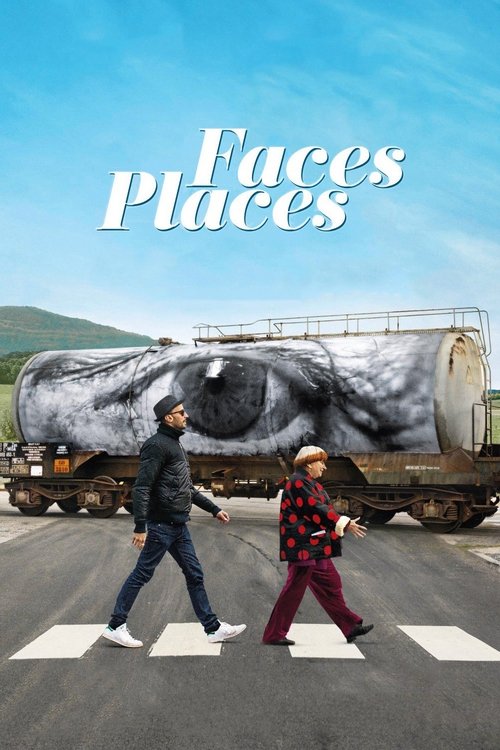
Faces Places2017
Agnès Varda and JR travel France photographing strangers and communities. It's about human strangeness and specificity—the same impulse that drives Mondo Cane, but filtered through genuine warmth and a desire to celebrate rather than exploit.
But It's slight and episodic, and Varda's whimsy doesn't land for everyone. If you want hard documentary stakes or a through-line, you'll find it diffuse and sometimes precious.
The Act of Killing2012
Joshua Oppenheimer interviews Indonesian death squad leaders about genocide they committed. It's anthropology as moral reckoning—observing the strange ways humans rationalize atrocity. Deeply uncomfortable and essential.
But The subject is genocide. It's not exploitative, but it is harrowing, and some viewers will find it too dark or feel that filming perpetrators gives them a platform.

People
Cast
 Rossano BrazziSelf
 Stefano SibaldiNarrator (voice)
Directing
- Franco ProsperiDirector
- Gualtiero JacopettiDirector
- Paolo CavaraDirector
Writing
- Gualtiero JacopettiWriter
- Paolo CavaraWriter
Production
- Angelo RizzoliProducer
- Gualtiero JacopettiProducer
Recommended by
Floyd on France, Sans Soleil, Wildboyz, The Wild, Wild World of Jayne Mansfield, Out of Sight, Faces of Death