
Film
האושפיזין
An Israeli comedy-drama set during Sukkot in Jerusalem's Orthodox neighborhoods. Moshe and Mali, a childless couple struggling with poverty and longing, navigate a week of celebration in a temporary shelter while wrestling with faith, community, and each other. Warm, funny, and quietly devastating—it's a film about hope that doesn't pretend hope is simple.
Should you watch it?
Watch it if you enjoy gentle, affectionate comedy about faith and poverty, where a small ordinary room holds big questions and the humor comes from people taking their beliefs seriously while short of money.
Skip it if you want a brisk plot or loud, self-amused comedy; this is talky, unhurried and quiet for long stretches, with humor soft enough to miss.
What it asks of you: Patience first: it lingers over rituals, small talk and silences, so the rhythm stays slow and the payoff comes from staying still rather than chasing plot.
Not sure? Find tonight's pick in a minute.
If you liked this
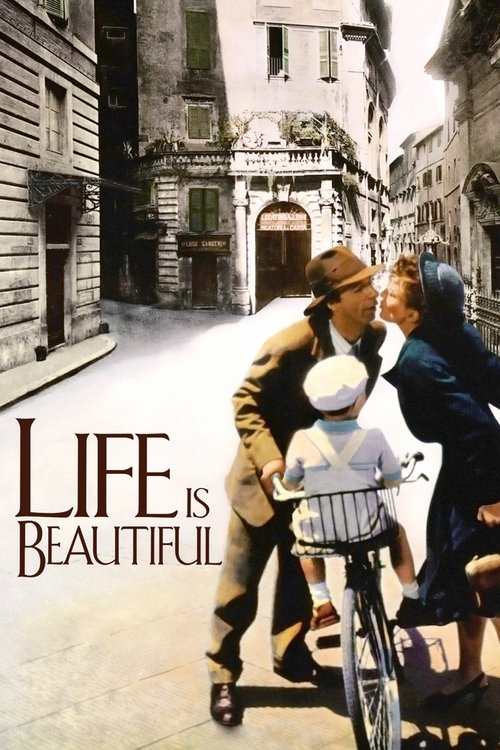
Life Is Beautiful1997
A father's inventive love transforms unbearable circumstances into something miraculous. Like The Sukkah, it finds profound humanity and humor in deprivation, and asks what we choose to see when everything is stripped away.
But The tonal shift from comedy to tragedy is abrupt and difficult. Some find the father's coping mechanism too precious rather than moving.
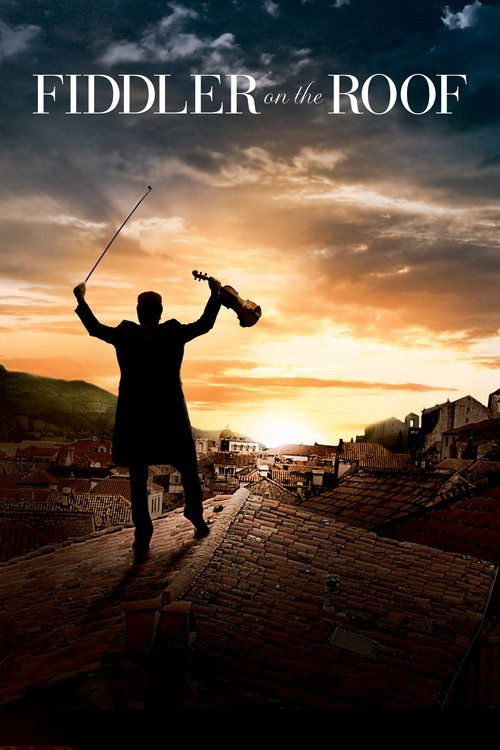
Fiddler on the Roof1971
A poor Jewish community confronts tradition, faith, and survival with music and humor. Both films capture the texture of Orthodox life with affection and without sentimentality, and both are fundamentally about how families hold together.
But It's a musical from the 1970s with a long runtime. The songs may feel dated, and the theatrical style won't appeal to everyone.
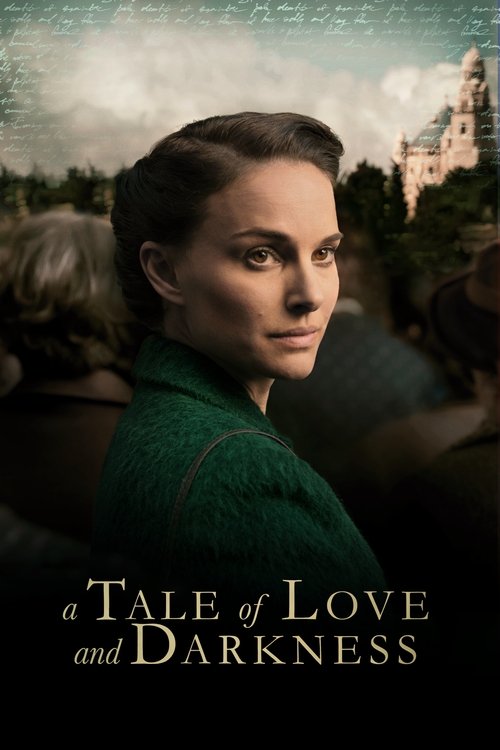
A Tale of Love and Darkness2015
Natalie Portman's directorial debut explores Israeli identity, faith, and family in post-1948 Jerusalem with genuine intimacy. It shares The Sukkah's specificity about Jewish life and its refusal to make suffering noble.
But Portman's voiceover narration is heavy-handed at times. The film moves slowly and is more elegy than drama.
Not sure tonight? Get a pick in a minute, starting from האושפיזין
The wildcard
Something you would not have found on your own.
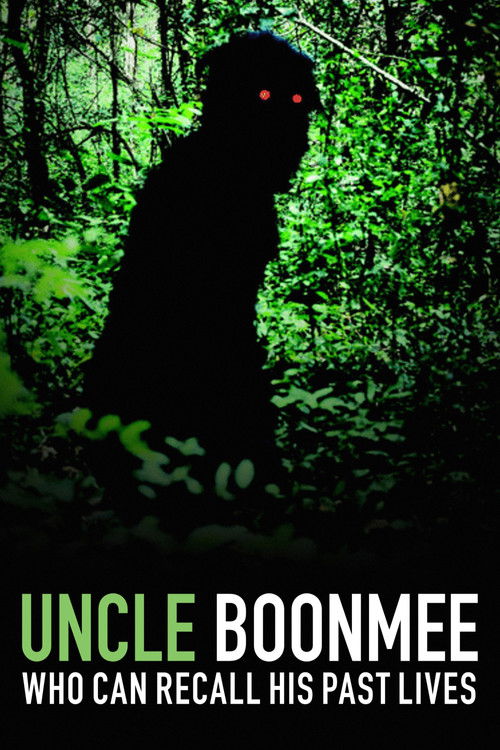
Uncle Boonmee Who Can Recall His Past Lives2010
Both use a confined space (a sukkah, a house) as a container for grief and grace; both trust the camera to simply watch people exist.
Apichatpong Weerasethakul's film is a meditation on memory, family, and mortality set in rural Thailand. It's almost motionless, but that stillness mirrors The Sukkah's spiritual attentiveness. Both films believe that nothing needs to happen for everything to matter.
But It moves at the speed of meditation. If you need narrative momentum or conventional drama, this will feel like watching paint dry in the dark.
More like this (8)
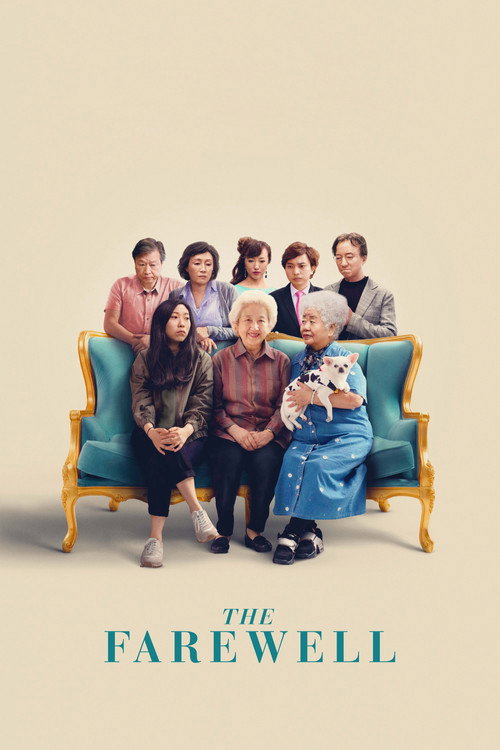
The Farewell2019
A family's ritual gathering forces a reckoning with love, tradition, and what we owe each other. Like The Sukkah, it finds comedy and heartbreak in the gap between what families say and what they feel.
But The pacing is deliberately understated. If you want a plot that propels you forward, this will feel static.
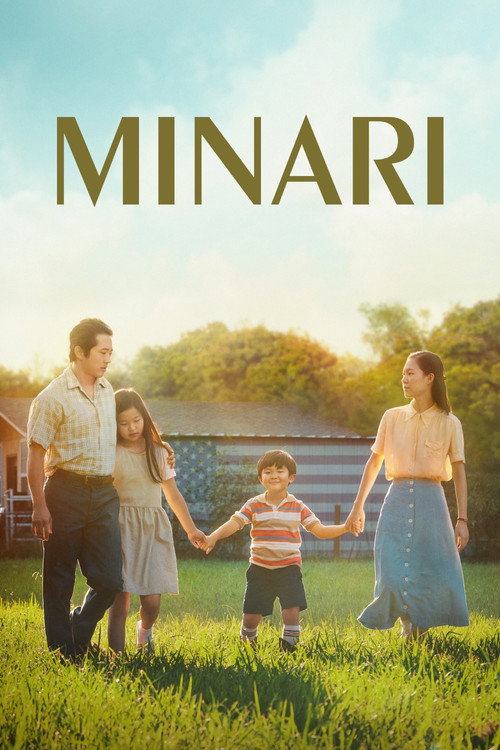
Minari2021
An immigrant family plants roots in rural Arkansas while clinging to identity and hope. Both films understand that struggle and tenderness coexist, and that home is something you build, not inherit.
But It's quiet and contemplative. There's no catharsis, only the steady work of survival.
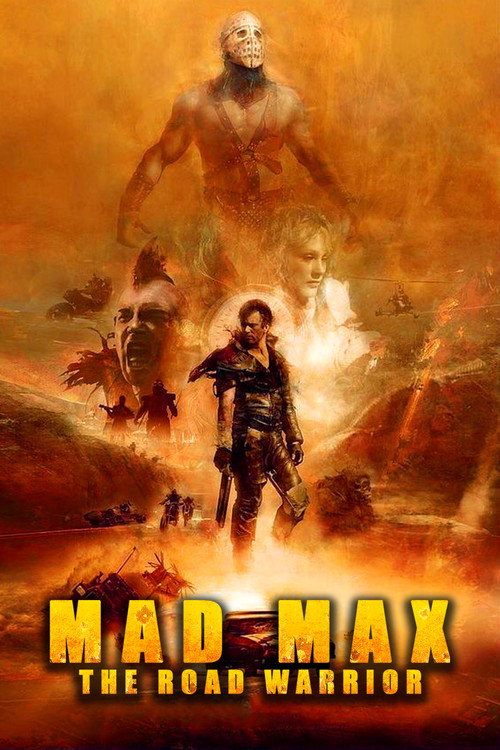
Mad Max 21981
Yılmaz Güney's masterpiece follows five men on temporary leave from a Turkish prison. Like The Sukkah, it reveals character through constraint, and finds both comedy and tragedy in ordinary people navigating impossible systems.
But It's in Turkish with subtitles. The pacing is unhurried, and the political context may require context to fully land.
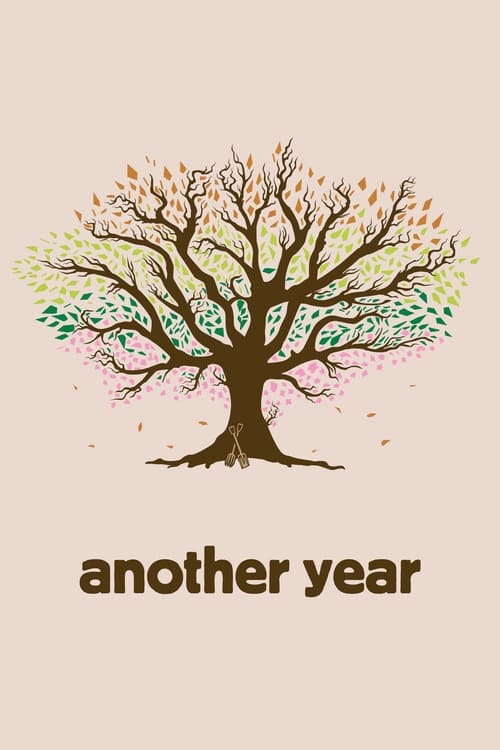
Another Year2010
Mike Leigh's film observes a contented couple and the damaged people who orbit them. It shares The Sukkah's sharp eye for how faith—in anything—can isolate you, and how community masks deep loneliness.
But It's bleak and offers no redemption. The characters are often unlikable, and the film takes pleasure in their suffering.
The Seventh Seal1957
Bergman's knight plays chess with Death during plague. Both are meditations on faith tested by circumstance, and both refuse easy answers about why we keep hoping when hope seems foolish.
But It's a 1950s Swedish philosophical drama. If you're not in the mood for deliberate pacing and existential weight, it will feel airless.

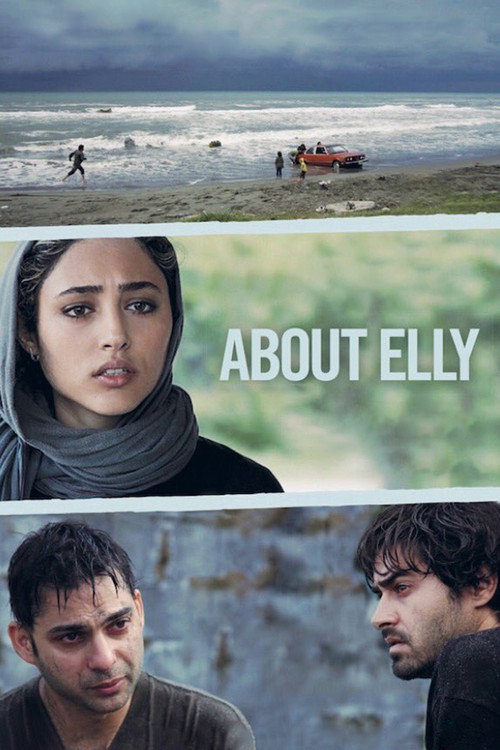
About Elly2009
Asghar Farhadi's ensemble drama follows a group's unraveling after a mysterious absence. It shares The Sukkah's ability to find both comedy and catastrophe in ordinary moments, and its faith in the specificity of cultural detail.
But It's Iranian and subtitled. The narrative doesn't move as you expect, and ambiguity is left deliberately unresolved.
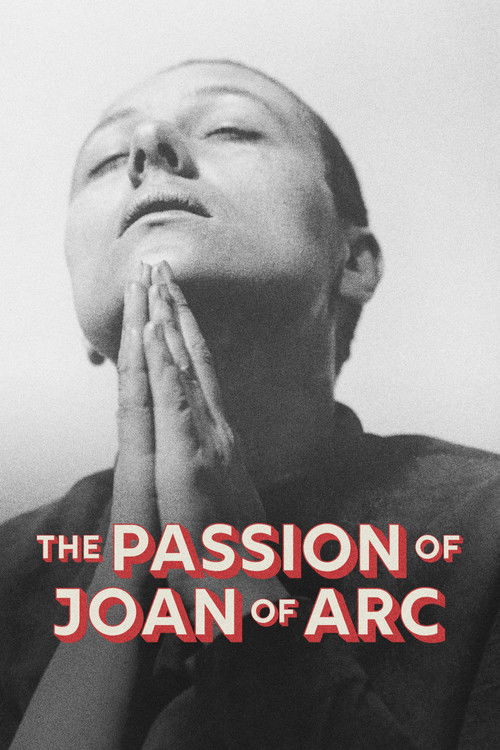
The Passion of Joan of Arc1928
Both examine faith without resolving whether faith is salvation or delusion; both use physical confinement to explore spiritual extremity.
Dreyer's silent masterpiece captures faith under interrogation through Carl Theodor Dreyer's austere close-ups. Like The Sukkah, it's about a person's unwavering conviction tested by circumstances that suggest conviction is madness. The form itself becomes prayer.
But It's a 1928 silent film. The pacing is glacial, and Renée Jeanne Falconetti's performance is so intense it borders on difficult to watch.
Stalker1979
Both are about waiting and faith as a way of being; both suggest that the journey matters more than arrival, and that hope is a form of courage.
Tarkovsky's science-fiction meditation on desire and belief follows a guide leading pilgrims through a mysterious zone. Like The Sukkah, it's about people journeying toward something they believe will change everything, and the gap between expectation and reality. Hypnotic.
But It's 163 minutes of deliberate Soviet science fiction. It has no action, minimal plot, and demands active surrender from the viewer.

People
Cast
 Shuli RandMoshe
 Michal Bat-Sheva RandMalli Bellanga
 Shaul MizrahiEliyahu Scorpio
 Ilan GananiYossef
Directing
- Gidi DarDirector
Writing
- Shuli RandWriter