
Film
The Passion of Joan of Arc
This isn't a war epic — it's a face in unbearable close-up for eighty minutes. Dreyer builds the film almost entirely from expressions: Falconetti's wide, unblinking eyes as churchmen circle her with questions designed to break her. Stripped of scenery, near-silent even for silent cinema, it plays as pure interrogation, faith tested until it cracks. Punishing, modern, and still shocking.
If you liked this
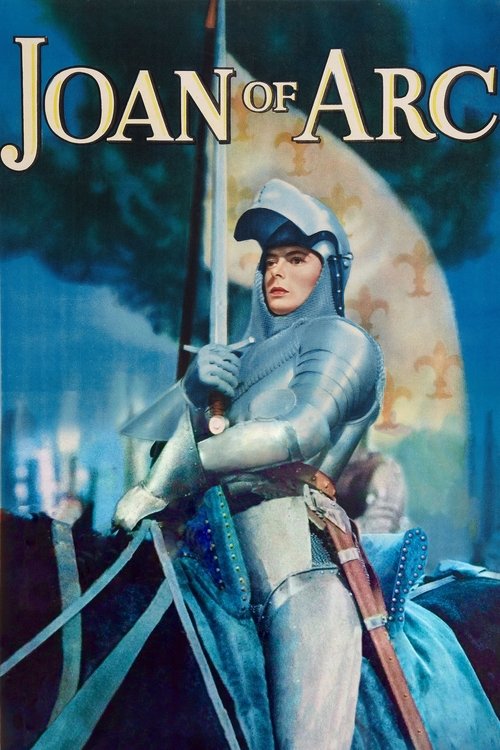
Joan of Arc1948
Ingrid Bergman's lavish, Technicolor take on the same trial and pyre — the story told with scale and star power instead of Dreyer's suffering face.
But It's reverent to the point of stiffness; the Hollywood polish smooths over the raw terror Dreyer captured.
The Passion of the Christ2004no page yet
Gibson's brutal, unflinching account of Christ's final hours shares Dreyer's fascination with suffering as spectacle and faith proven through pain, filmed with similar unblinking intimacy.
But Extremely graphic and relentless — this is punishment cinema, more ordeal than story.
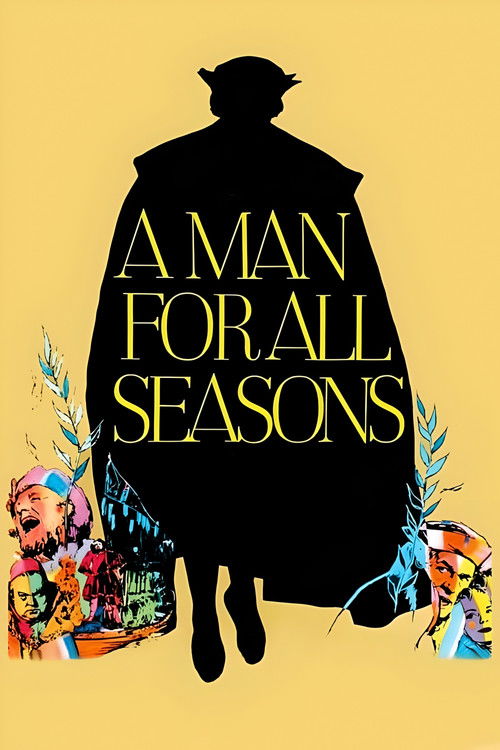
A Man for All Seasons1966
Thomas More's quiet refusal to bend under church and state pressure mirrors Jeanne's own stubborn integrity — conscience on trial, dressed as costume drama.
But Talky and stately, more interested in legal argument than visual poetry — a very different intensity.
The wildcard
Something you would not have found on your own.
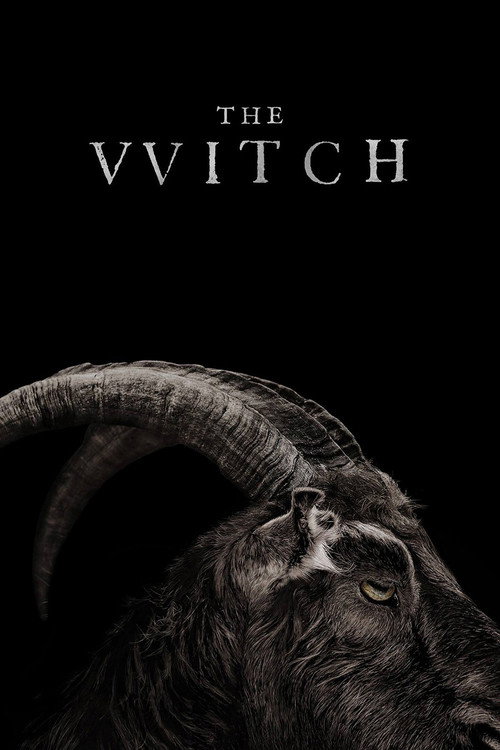
The Witch2016
Both put a young woman's private conviction on trial before a community certain it knows God's will — one calls it heresy, the other witchcraft, and both leave you unsure who's right.
A teenage girl in a devout 17th-century family is slowly isolated and doubted by the people meant to protect her — folk horror asking the same question Dreyer does: is she mad, holy, or something else entirely?
But It's horror built on dread and ambiguity rather than history, and the slow pace and thick period dialogue won't suit everyone.
More like this (8)
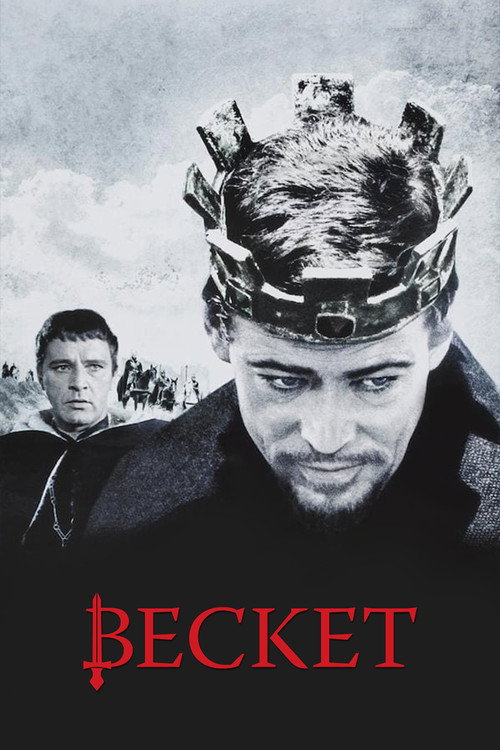
Becket1964
Two men locked in a battle between crown and church, ending in martyrdom — Burton and O'Toole make institutional power feel personal and merciless.
But Dense, dialogue-heavy history that assumes patience with 12th-century politics over visceral close-ups.
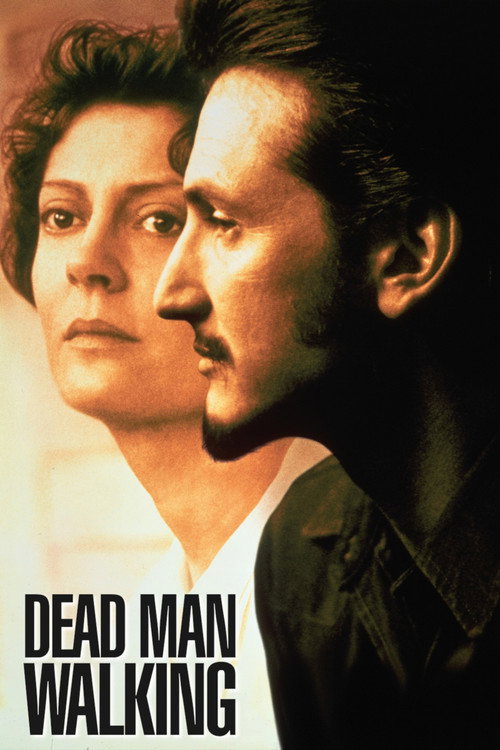
Dead Man Walking1995
A modern death-row drama fixed on a condemned person's face and soul, asking what faith and mercy mean once the state has already decided the ending.
But Grounded and procedural rather than stylised — you lose Dreyer's expressionism entirely.
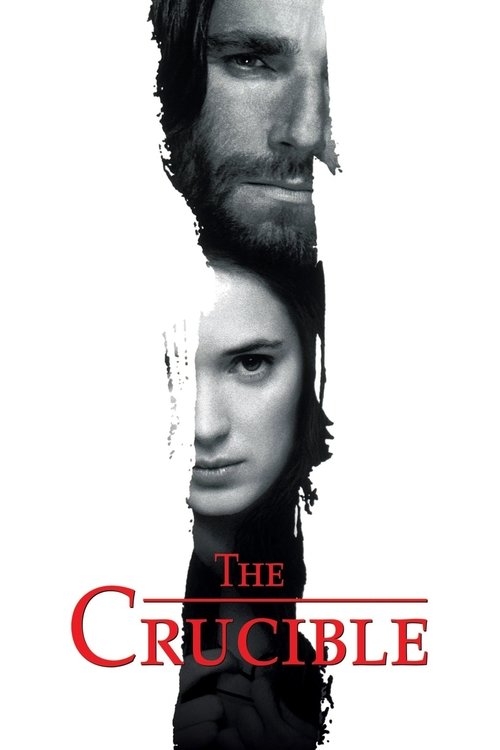
The Crucible1996
Hysteria, coerced confession, and a young woman caught between accusers claiming divine authority — Salem's trials as a direct echo of Jeanne's interrogation.
But Studio-era gloss and courtroom shouting feel broader and less austere than what you just watched.
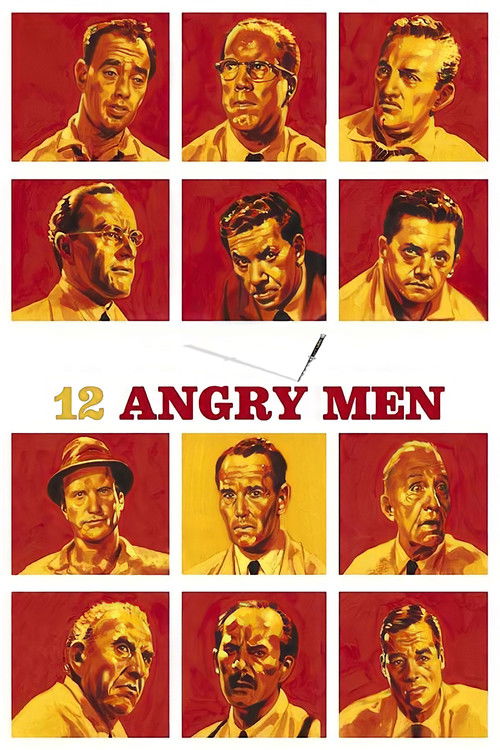
12 Angry Men1957
No pyre, no church, just a room and the machinery of judgment — the interrogation-chamber tension of Dreyer's film distilled into pure procedural drama.
But Cool and rational where Dreyer is anguished and spiritual; the stakes are legal, not existential.
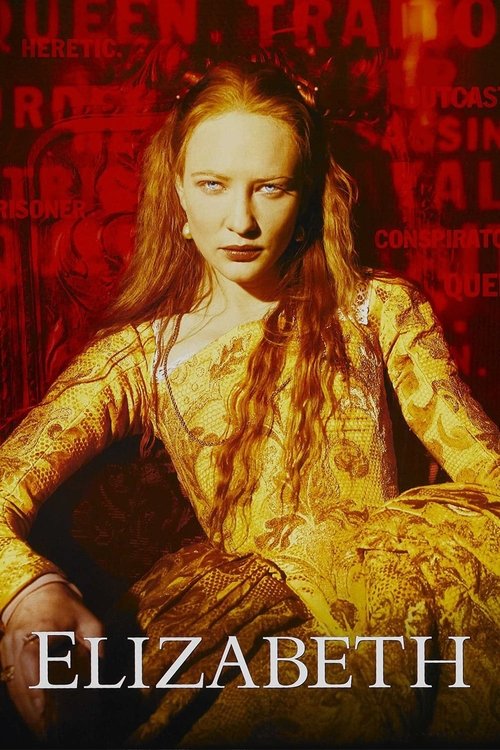
Elizabeth1998
A young woman must out-manoeuvre men who wield God and church as weapons against her — Blanchett's queen fighting forces close to the ones that condemned Jeanne.
But A political thriller first, with none of the spiritual intimacy or facial fixation that defines Dreyer's film.
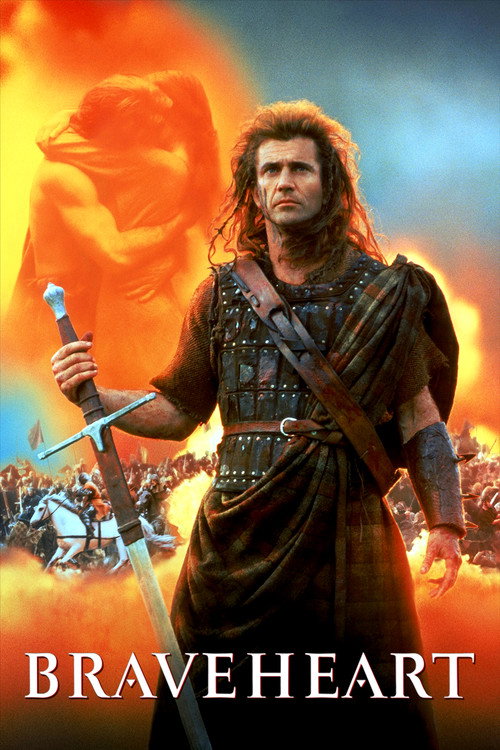
Braveheart1995
The warrior-martyr myth scaled up to Hollywood epic — capture, torture, execution, and a legend born from suffering, in the register Jeanne's story often gets told in.
But Loud, muscular, and sentimental where the original is silent, still, and unbearably intimate — nearly the opposite register.
The Trial of Joan of Arc1963no page yet
Bresson made this partly as a rebuttal to Dreyer's expressionism — same trial, same martyr, but proof that restraint can wound as deeply as anguish.
Bresson tells the exact same story stripped of all expression — flat voices, static shots, real trial transcripts — and it's just as devastating in a completely opposite way.
But If Dreyer's close-ups felt intense, this feels like the opposite extreme: deliberately cold and almost anti-cinematic by design.
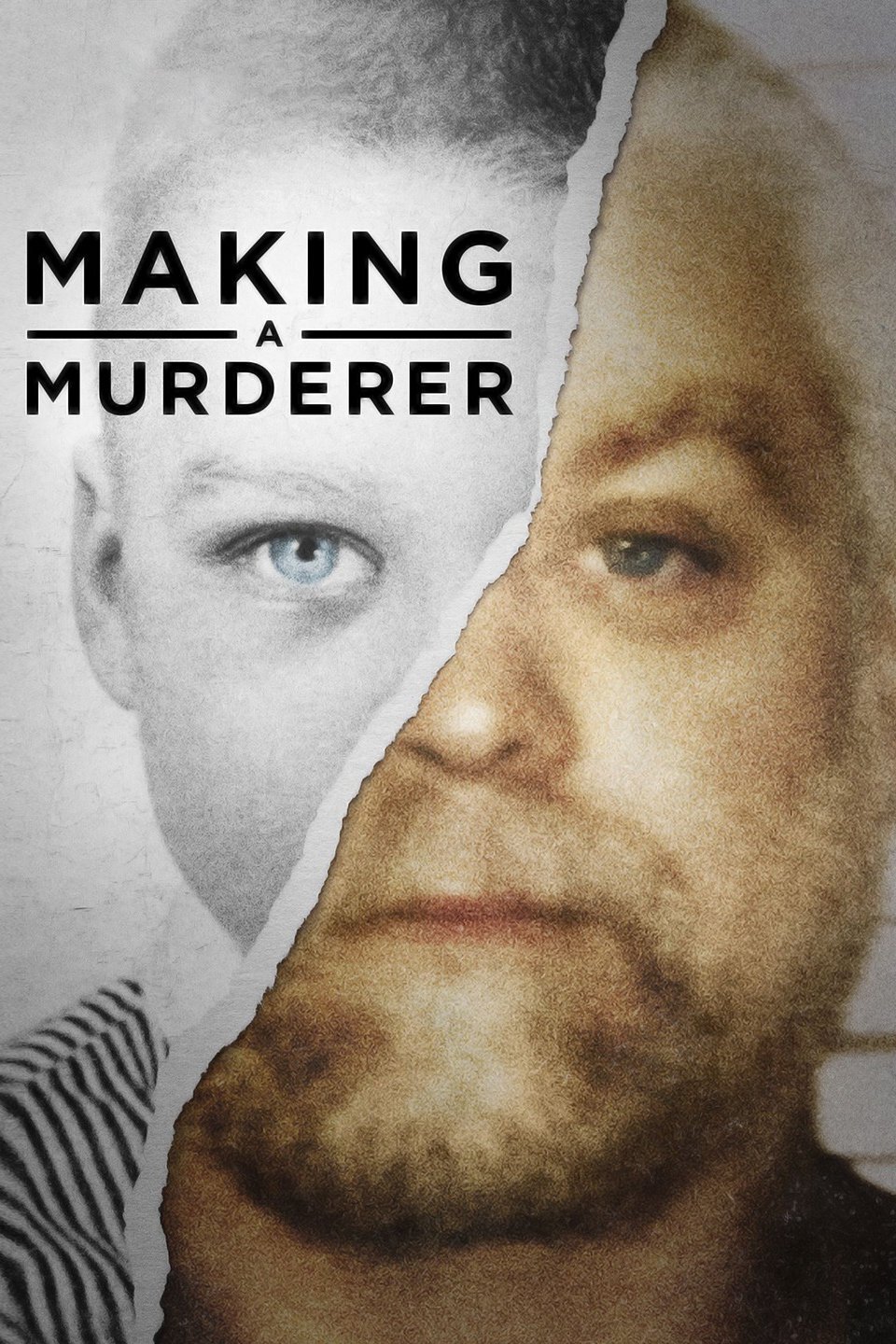
Making a Murderer2015
Swap the ecclesiastical court for a modern one and the tactics barely change: isolate the accused, control the narrative, let institutional certainty stand in for truth.
A real modern interrogation, a real coerced confession, a real system closing ranks around its own verdict — the same machinery of doubt and pressure, just with cameras and lawyers instead of candlelight and bishops.
But Ten hours of legal procedure and news footage — none of the poetry, all of the frustration, and it will make you angry rather than moved.
People
Cast
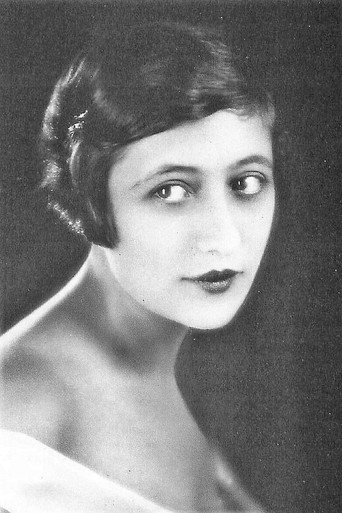 Maria FalconettiJeanne d'Arc
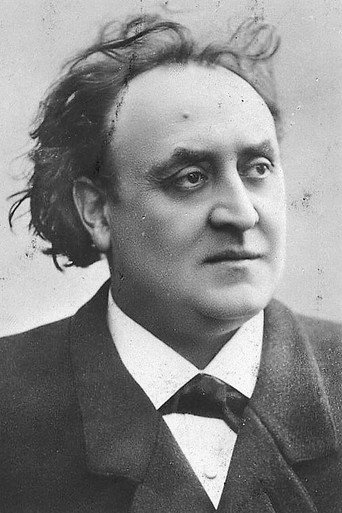 Eugène SilvainBishop Pierre Cauchon
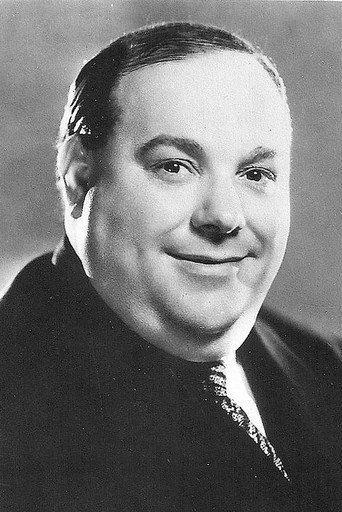 André BerleyJean d'Estivet
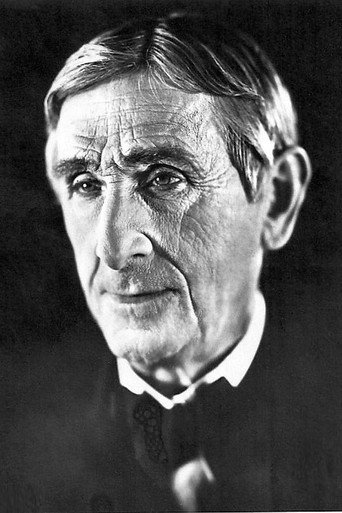 Maurice SchutzNicolas Loyseleur
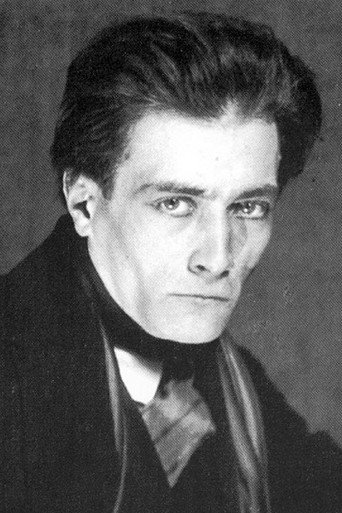 Antonin ArtaudJean Massieu
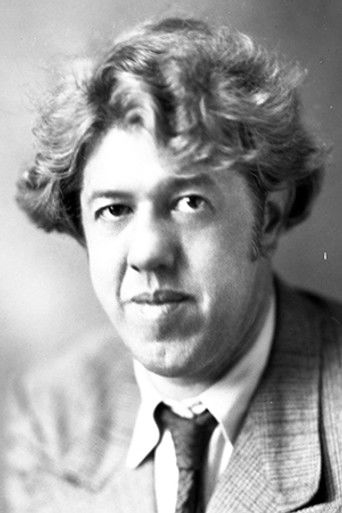 Michel SimonJean Lemaître
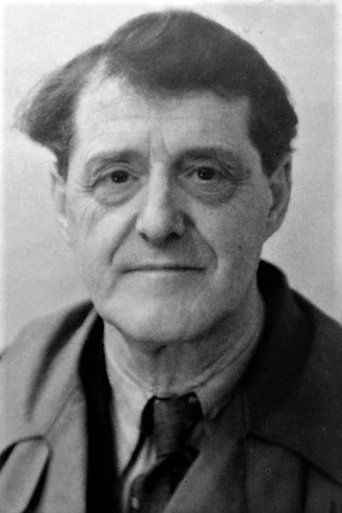 Jean d'YdGuillaume Evrard
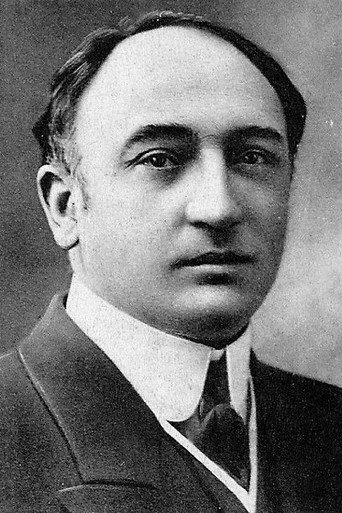 Louis RavetJean Beaupère
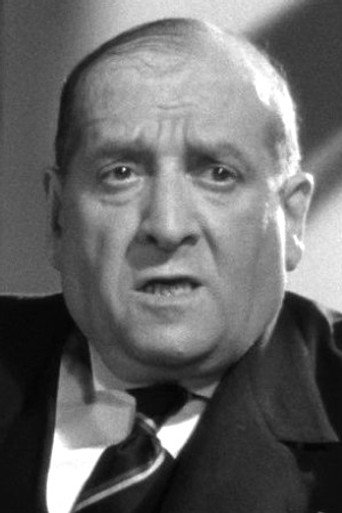 Armand LurvilleJudge
- Jacques ArnnaJudge
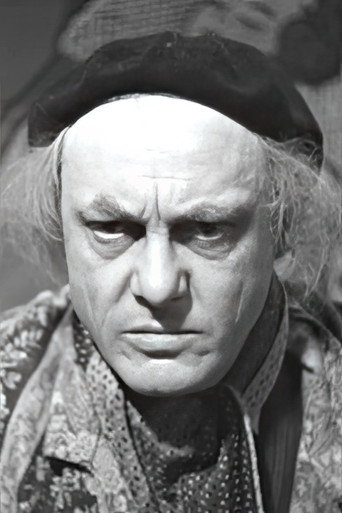 Alexandre MihalescoJudge
 Léon LariveJudge
Directing
- Paul La CourAssistant Director
- Ralph Christian HolmAssistant Director
- Carl Theodor DreyerDirector
Writing
- Carl Theodor DreyerScreenplay
- Joseph DelteilWriter
Recommended by
Ben-Hur, Black Narcissus, Hunger, The Return of Martin Guerre, A Man for All Seasons, Ordet, Persona, Diary of a Country Priest, The Bells of St. Mary's, Au Hasard Balthazar, Ida, The Devils, Andrei Rublev, Day of Wrath, Häxan, Ivan the Terrible, Part I, The Virgin Spring, Vampyr, Joan of Arc