
Film
The Persecution and Assassination of Jean-Paul Marat as Performed by the Inmates of the Asylum of Charenton Under the Direction of the Marquis de Sade
- Period drama
- Strange
Peter Weiss's radical 1963 play, captured on film by Peter Brook. The Marquis de Sade, imprisoned in an asylum, directs fellow inmates in a play about Marat's assassination. It's confrontational, musical, deliberately alienating—a fever dream about power, madness, and revolution that refuses comfort or easy answers. For those who want cinema to disturb them.
Should you watch it?
Watch it if you like theatre-within-theatre, where a play's arguments about revolution and madness keep colliding with the actors' own unruly bodies and voices.
Skip it if you want a tidy story with clear heroes, since this is talky, stylized and deliberately disorderly, with songs and shouting more than plot.
What it asks of you: Sit with long stretches of declamation and ensemble noise; it runs just under two hours and rewards patience more than momentum.
Not sure? Find tonight's pick in a minute.
If you liked this
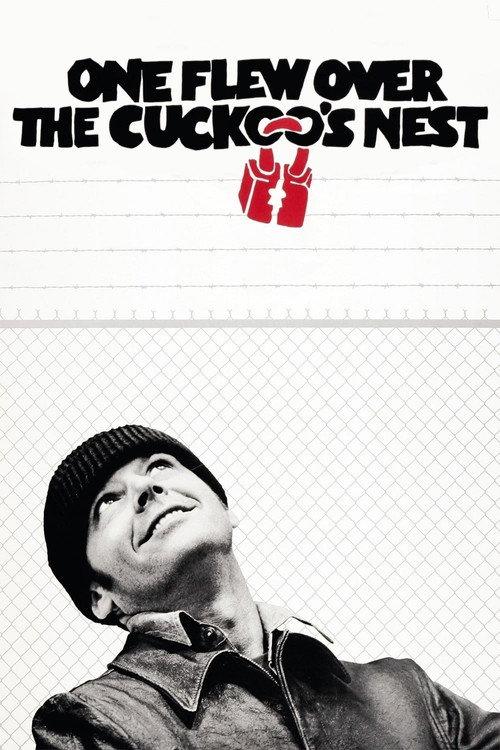
One Flew Over the Cuckoo's Nest1975
Another asylum as theatre of power and resistance. Milos Forman finds dark comedy in the collision between authority and human chaos, with Jack Nicholson at his most electric. Similar moral ferment, less abstract.
But The radical edge has dulled with time. It can feel like it's congratulating itself for being transgressive, where Marat/Sade still genuinely unsettles.
Contempt1963
Godard's film about filmmaking, with similar intellectual fury and self-reflexive games. It asks what happens when art becomes a battleground. Gorgeously shot, poisonously intelligent, about the same year.
But It's deliberately difficult and won't explain its own logic. If you need plot to carry you, this will lose you within twenty minutes.

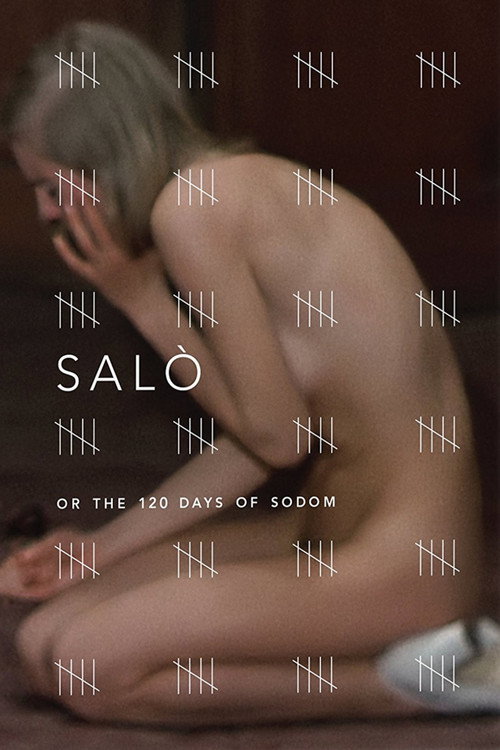
Salò, or the 120 Days of Sodom1976
Pasolini's final film uses theatre and spectacle to confront fascism with graphic horror. Both films weaponize performance and audience discomfort. Marat/Sade is the more watchable version of this impulse.
But Deeply transgressive and genuinely offensive. It's not trying to entertain you—it wants to implicate you. Many will find it unwatchable and that's the point.
The wildcard
Something you would not have found on your own.
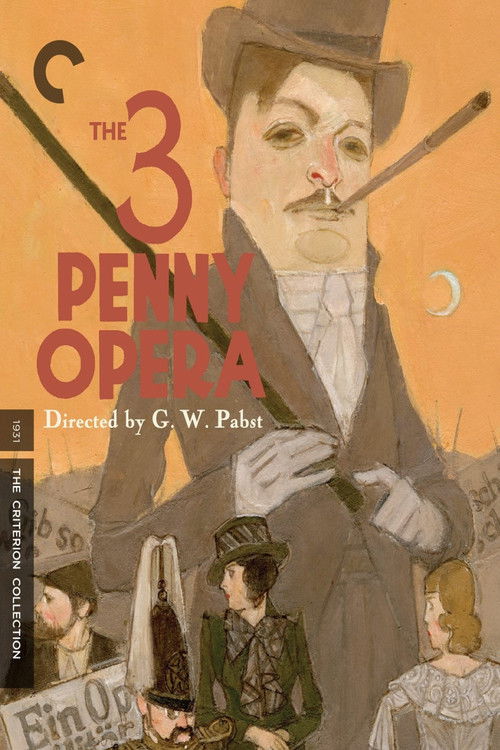
The Threepenny Opera1931
Both use Brechtian estrangement and song to make you aware you're watching theatre while asking urgent political questions. The genealogy is direct.
Pabst's adaptation of Brecht's play—all songs, cynicism, and deliberate artificiality. Like Marat/Sade, it uses performance and music to expose hypocrisy. A parallel tradition of theatre collapsing into politics.
But The print quality is often poor and the translation muddles the wit. It's theatrical in a way that early cinema sometimes can't quite hold.
More like this (7)
Synecdoche, New York2008
Charlie Kaufman's baroque meditation on theatre, reality, and madness. A playwright creates a massive play-within-reality. Both works collapse the boundary between performance and authenticity until you're not sure which is which.
But Deliberately muddled and exhausting. It's a three-hour puzzle that doesn't resolve cleanly, and some see that as pretension rather than profundity.

Kes1970
Ken Loach's film about a working-class boy and his hawk. Uses institutional power and performance differently—gentler than Marat/Sade, but asking the same question: who controls the narrative? Released just after.
But Shifts register entirely. If you want fire and noise, this is quiet and elegiac. The connection is thematic, not tonal.

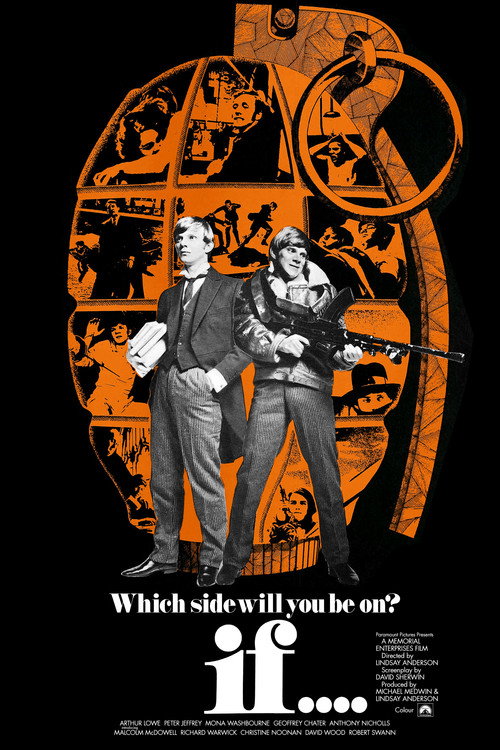
if....1968
Lindsey Anderson's surreal revolt against authority and ritual. Like Marat/Sade, it treats institutions as theatre and uses performance as rebellion. A school instead of an asylum, but the same anarchic energy.
But Its politics are juvenile by design—Anderson is playing with ideas rather than solving them. That play-acting can feel like evasion.
The Holy Mountain1973
Jodorowsky's baroque carnival of symbolism and performance. Ignores narrative logic entirely. If you want cinema that operates like fever, ritual, and theatre all at once, this is the apotheosis.
But No plot, no dialogue that makes sense, surrealism as incomprehension. It's antagonistic to narrative understanding. You're either in or you're not.

Stalker1979
Tarkovsky's slow, meditative film about desire and faith. Very different in pacing, but similarly philosophical and uncompromising. Both demand you sit with discomfort and unease rather than resolve it.
But Glacially slow. Ten minutes of nothing, then Tarkovsky repeats it. If you want momentum or catharsis, this will feel punitive.

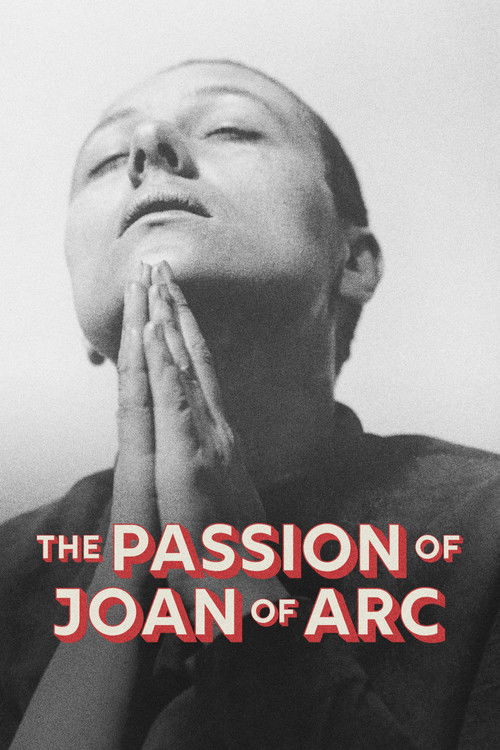
The Passion of Joan of Arc1928
Dreyer's silent masterpiece about Joan in a cell, on trial. Like Marat/Sade, it's about power, performance, and institutions. Purer cinema, almost abstract in its intensity.
But It's ninety years old and silent. If you need contemporary form and naturalistic acting, this will feel like a chore.
Come and See1985
Both understand that performance (theatre, cinema) can be a way of telling unbearable truth. Where Marat/Sade aestheticizes revolution, Come and See refuses aesthetics entirely, but they're asking the same question: what is the responsibility of art in the face of atrocity?
Klimov's devastating film about a boy in WWII—absolutely unflinching about what war does to human beings. Like Marat/Sade, it treats performance and spectacle seriously as modes of horror. But it's relentlessly real rather than theatrical.
But One of the most difficult films ever made. Not alienating or abstract—viscerally, immediately painful. You'll regret watching it and you should anyway.

People
Cast
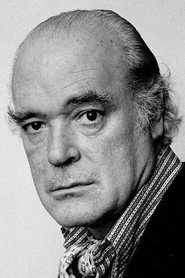 Patrick MageeMarquis de Sade
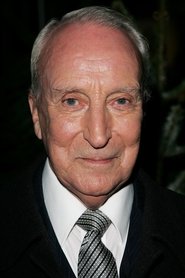 Ian RichardsonJean-Paul Marat
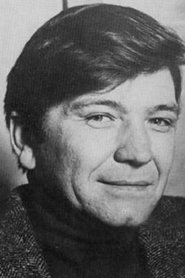 Michael WilliamsHerald
 Clifford RoseMonsieur Coulmier
 Glenda JacksonCharlotte Corday
 Freddie JonesCucurucu
- Hugh SullivanKokol
 John HusseyNewly Rich Lady
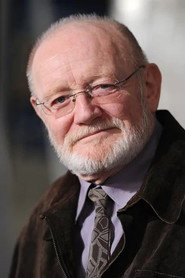 William Morgan SheppardA Mad Animal
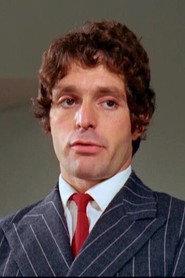 Jonathan BurnPolpoch
- Jeanette LandisRossignol
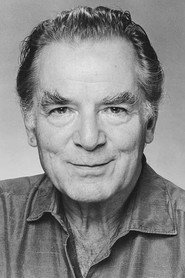 Robert Langdon LloydJacques Roux (as Robert Lloyd)
Directing
- Josephine KnowlesContinuity
- Peter BrookDirector
- Anthony WayeFirst Assistant Director
- Ariel LevySecond Assistant Director
Writing
- Peter WeissOriginal Story
- Adrian MitchellScreenplay
Production
- Michael BirkettProducer
- Jack SwinburneProduction Manager