
Film
The Threepenny Opera
Bertolt Brecht's cynical masterpiece about a criminal underworld where morality is a commodity. This 1931 French adaptation trades German austerity for Parisian grit, wrapping savage social commentary in irresistible melodies. A film that's both deeply angry and genuinely fun to watch—dark cabaret for the thinking viewer.
Should you watch it?
Watch it if you love Brecht and Weill's sardonic songs, and enjoy a crime story told as cabaret, where the stagey artifice and cynical jokes are the point rather than a flaw.
Skip it if you want naturalistic performances or a tight plot, since this 1931 French version stays stiff and theatrical, and the songs often pause the story for long stretches.
What it asks of you: Roughly an hour and forty minutes of patient, static staging, with you needing to listen closely to the lyrics and accept the abrupt shifts between sly comedy and bleak cynicism.
Not sure? Find tonight's pick in a minute.
If you liked this
M1931
Fritz Lang's masterpiece about a child murderer hunted through Berlin. Like Threepenny Opera, it's a crime story that uses its genre to interrogate society itself, finding horror not just in individuals but in systems and mob psychology.
But Shot in German Expressionism that can feel static to modern eyes, and the subject matter—the hunt for someone who preys on children—carries a weight that never lifts.

Pandora's Box1929
Pabst's film of sexual power and social collapse in Weimar Berlin. Lulu moves through society leaving destruction, and like Threepenny Opera, it sees desire and economics as the same story, told with frank sensuality and dark humor.
But The print quality can be variable, and silent film pacing asks patience. The sexual content, though matter-of-fact, may feel more explicit than you'd expect from the era.

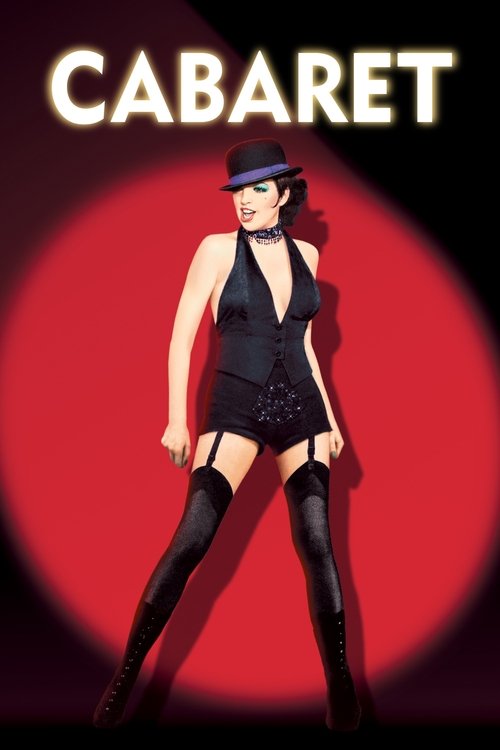
Cabaret1972
Fosse's dazzling adaptation of the Berlin Stories captures the same Weimar moral decay and the same insight: entertainment and corruption are inseparable. The musical numbers don't comfort; they indict. It's Threepenny Opera's closest spiritual heir.
But The film is deliberately alienating—you're not meant to look away from the ugliness, which some viewers find exhausting rather than enlightening.
Not sure tonight? Get a pick in a minute, starting from The Threepenny Opera
The wildcard
Something you would not have found on your own.
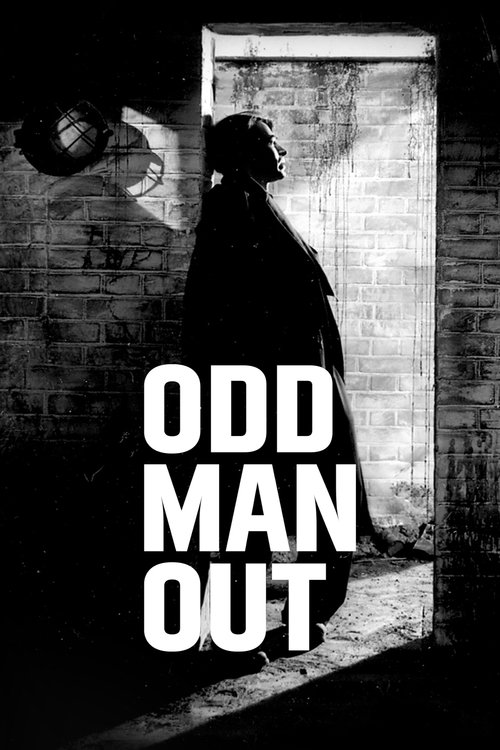
Odd Man Out1947
Both use a central crime figure to anatomize their society; both insist that morality is contextual. But where Threepenny Opera laughs at complicity, Reed makes you feel it as grief.
Carol Reed's film of an IRA gunman bleeding out through Belfast, pursued and hunted. Like Threepenny Opera, it uses a criminal protagonist to examine a whole society's relationship to violence, morality, and survival. The difference: it's a tragedy told as a visual poem, not satire.
But The political context (Irish independence struggle) is specific, and the tone—operatic suffering rather than cynical cabaret—may feel pretentious or maudlin if you're not with it from the start.
More like this (8)
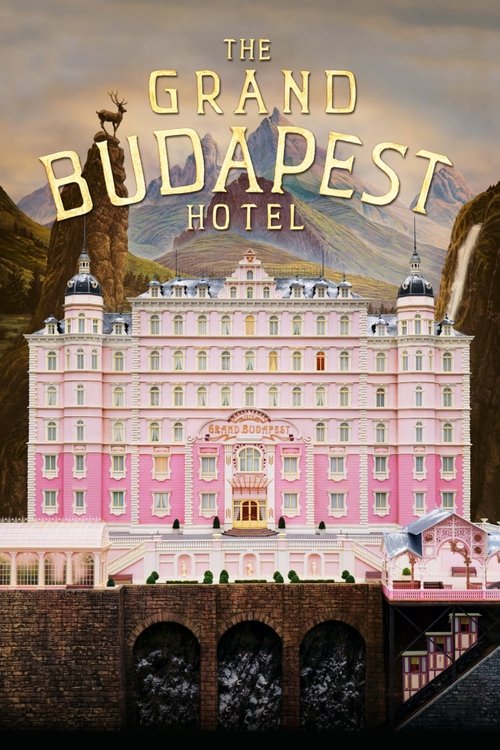
The Grand Budapest Hotel2014
Wes Anderson's caper about theft and class collapse in a fictional European hotel. It shares Threepenny Opera's belief that crime is simply business by other means, wrapped in a narrative where everyone is both victim and thief.
But The whimsy can obscure the darkness. If you want your political anger served straight, Anderson's pastry-box aesthetics might feel like decoration.
In a Lonely Place1950
Bogart as a Hollywood screenwriter suspected of murder. Like Threepenny Opera, it argues that respectability is a performance, and underneath every system—law, entertainment, business—lurks the same predatory logic.
But It's quieter and slower than its genre suggests. The emotional core is loneliness, not action, and some will find that a letdown.

The Killing1956
Kubrick's racetrack heist, told in fragments. Thieves, cops, and civilians all pursuing the same prize: money as the only truth. The structure itself—broken chronology—mirrors how Threepenny Opera breaks the fourth wall to expose its own machinery.
But The non-linear narrative can feel gimmicky on first viewing, and the ending, while perfect, offers no redemption or resolution.

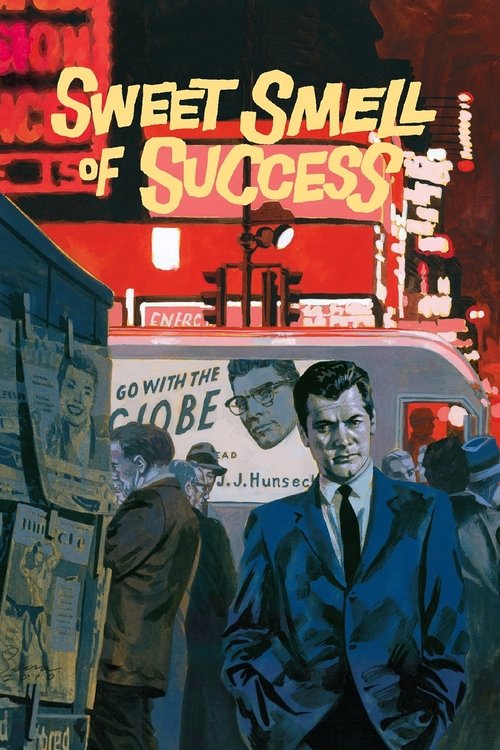
Sweet Smell of Success1957
Lehman's venomous screenplay about a gossip columnist and a desperate promoter. Every character is for sale. The dialogue crackles with the same poisoned wit as Threepenny Opera's lyrics—cynicism that's also beautiful.
But The worldview is relentlessly dark with no reprieve. Some find it too cynical; others find Burt Lancaster's performance mannered rather than mesmerizing.
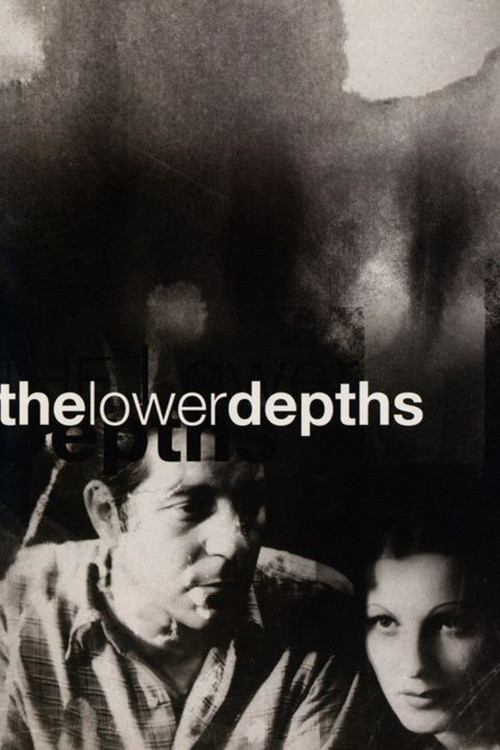
The Lower Depths1936
Renoir's adaptation of Gorky, set in a boarding house full of broken people. Like Threepenny Opera, it finds dignity and even humor in poverty and desperation, treating the underclass as fully human rather than pathological.
But French cinema of the 1930s moves at its own pace. The ensemble cast is large, and some characters blur together. You must surrender to the film's rhythms or it will feel slow.
The Asphalt Jungle1950
Huston's influential heist film treats the crime world as just another economy with rules, hierarchies, and betrayals. It's less morally angry than Threepenny Opera but equally clear-eyed about human nature under pressure.
But It's a procedural that prizes craft over character. If you want emotional investment in individuals, the cool distance will feel cold rather than sophisticated.

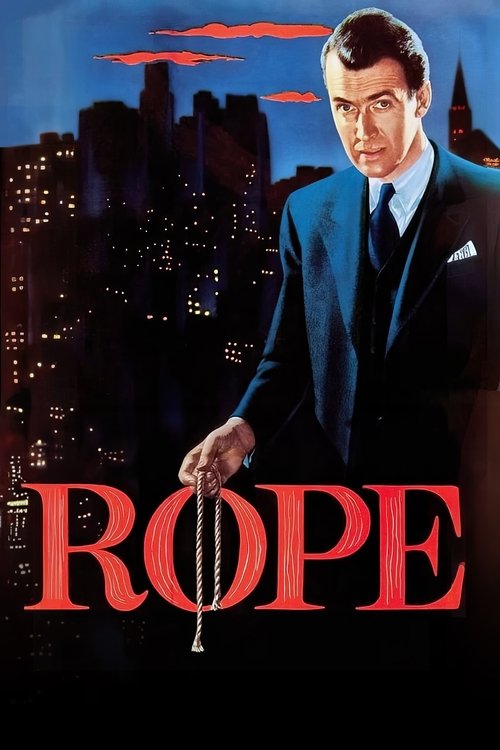
Rope1948
Both are fundamentally about how crime and respectability are separated by performance, not morality. Rope is what happens when Threepenny Opera stops singing.
Hitchcock's real-time chamber thriller about two young men who murder for philosophical kicks. It's a crime story that argues the only difference between the murderers and the society around them is honesty about what they want. Threepenny Opera without the songs.
But The gimmick—shot to appear as one unbroken take—can feel mannered, and the philosophical debate at the film's center will bore you if you don't care about Nietzsche.
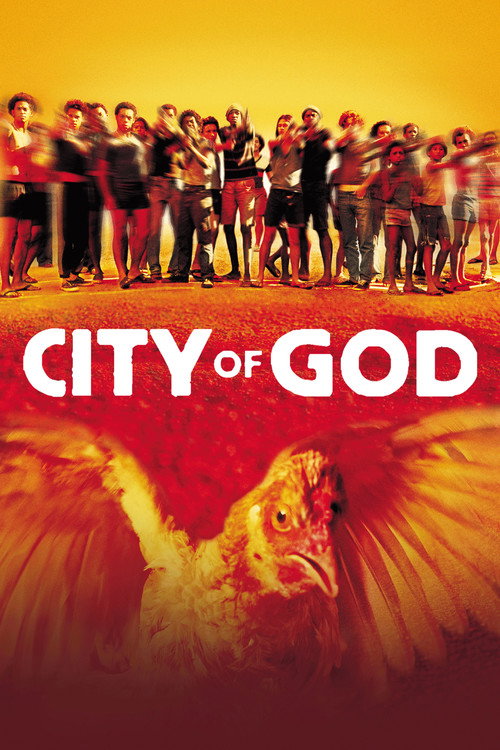
City of God2002
Both argue that crime is simply capitalism with the mask off. Both use style and energy to make that argument exhilarating rather than depressing. But City of God shows the cost in human lives; Threepenny Opera lets you laugh.
Meirelles' film of drug gang wars in a Rio favela, told with extraordinary energy and style. Like Threepenny Opera, it refuses to separate the criminal economy from the legitimate one—both are systems of power, both run on the same logic. It's Brecht in the favela.
But The violence is graphic and constant. The film's MTV-inflected style can feel exploitative, and it's a genuinely difficult watch emotionally, despite (or because of) its formal brilliance.
People
Cast
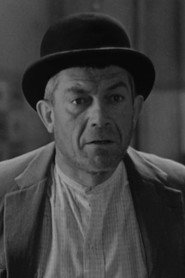
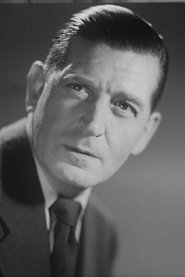 Albert PréjeanMackie
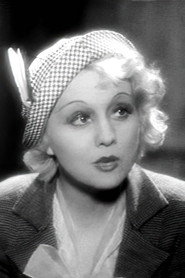 FlorellePolly Peachum
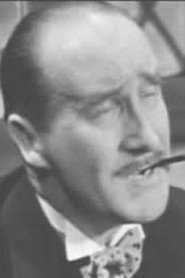 Jacques HenleyTiger Brown
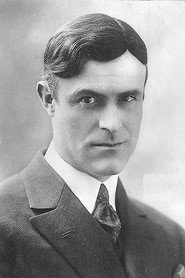 Gaston ModotJeremiah Peachum
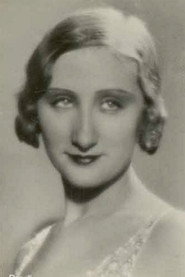 Margo LionJenny
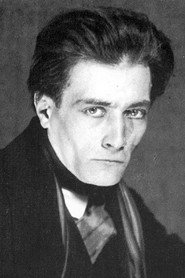 Antonin ArtaudUn mendiant
- Lucy de MathaMme. Peachum
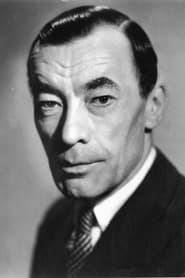 Vladimir SokoloffSmith
Directing
- G.W. PabstDirector
Writing
- Bertolt BrechtLyricist
- André MaupreyWriter
- Béla BalázsWriter
- Bertolt BrechtWriter
- Ladislaus VajdaWriter
- Léo LaniaWriter
- Solange TéracWriter
Recommended by
The Persecution and Assassination of Jean-Paul Marat as Performed by the Inmates of the Asylum of Charenton Under the Direction of the Marquis de Sade, Footlight Parade, Guys and Dolls, The Hunchback of Notre Dame, One Hour with You, The Last Metro, Variety, Kuhle Wampe or Who Owns the World?, The Beggar's Opera, The Road Back