
Film
The Lower Depths
Other titles called The Lower Depths: the 1957 film.
- Social drama
- Very dark
Renoir's masterpiece set in a Moscow flophouse where the desperate and fallen orbit each other in cycles of desire, betrayal and theft. It's a film of astonishing depth that makes you feel the weight of lives constrained by poverty and circumstance. Technically brilliant, emotionally devastating, and still startlingly modern. For anyone ready for cinema that doesn't look away.
If you liked this
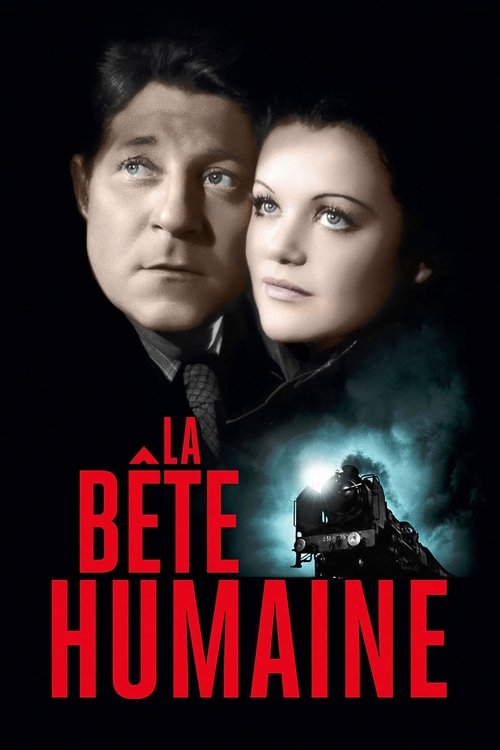
La Bête Humaine1938
Renoir again, this time fixing his camera on railway workers and the passions that destroy them. The same tragic momentum, the same refusal to judge, the same technical mastery. It's arguably even darker.
But If you find The Lower Depths heavy, this won't lighten the load. It's a film about the violence people carry in their skin.
Ikiru1952
Kurosawa's devastating portrait of a man confronting mortality through bureaucratic routine. It has the same quiet dignity, the same refusal to make poverty picturesque, the same belief that ordinary lives contain the whole of human experience.
But It moves slowly and asks you to sit with despair. Some find it unbearably sad rather than cathartic.

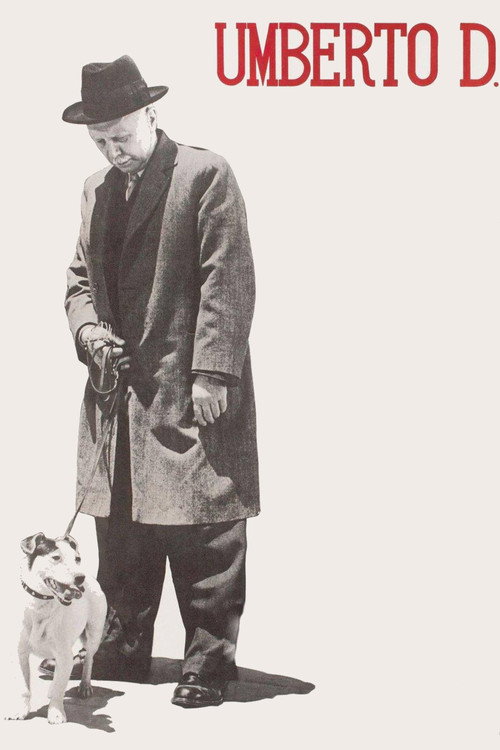
Umberto D.1952
De Sica's film about an elderly pensioner and his dog facing homelessness in Rome. It has the same unsentimental compassion, the same eye for the small indignities that crush people, the same refusal to offer easy comfort.
But It's shot through with a melancholy that never quite lifts. The ending offers no redemption, only acceptance.
Not sure tonight? Get a pick in a minute, starting from The Lower Depths
The wildcard
Something you would not have found on your own.
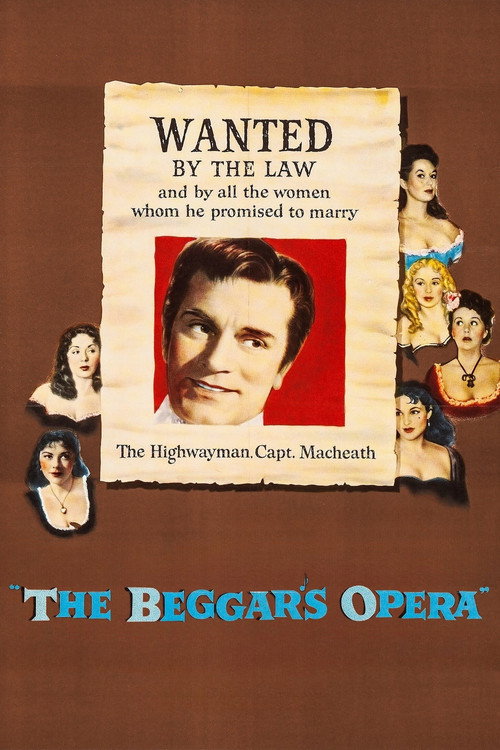
The Beggar's Opera1953
Both use the criminal underworld as a stage for examining how morality actually works, stripped of sentiment or easy judgment. Both suggest that the lower depths contain more humanity than the world above.
Bresson's radical adaptation of Gay's play set in a prison, where the criminal underworld becomes a mirror for respectability itself. It shares The Lower Depths' belief that vice and virtue are closer than we admit, but through a completely different optical system—austere, spiritual, almost abstract.
But Bresson's style is minimalist to the point of seeming cold. There's no warmth like Renoir gives. Some find it repellent.
More like this (8)
Brief Encounter1945
Coward's story of passion constrained by class and circumstance. It shares The Lower Depths' understanding that desire doesn't care about social position, and that sometimes the greatest tragedies are the ones nobody sees.
But It's restrained to the point of repression. If you need drama to be loud, you'll miss the earthquake happening in the silences.

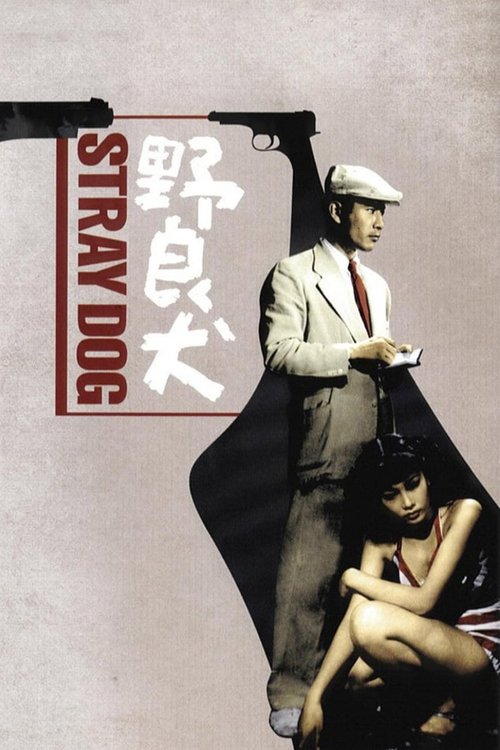
Stray Dog1949
Kurosawa's earlier, sun-baked Tokyo noir about a detective hunting a stolen gun through the city's underbelly. It has the same close attention to how desperation breeds crime, the same moral complexity, the same beautiful compositions.
But It's less philosophically ambitious than Ikiru. It works as entertainment first, which some find a step down from pure art cinema.
The Third Man1949
Carol Reed's Vienna of rubble and corruption, where idealism collides with survival. It shares The Lower Depths' vision of a world where good people are crushed by systems bigger than themselves, though it wears a sharper suit.
But It's a thriller first, which means it sometimes chooses plot momentum over the moral ambiguity you might want to sit with longer.

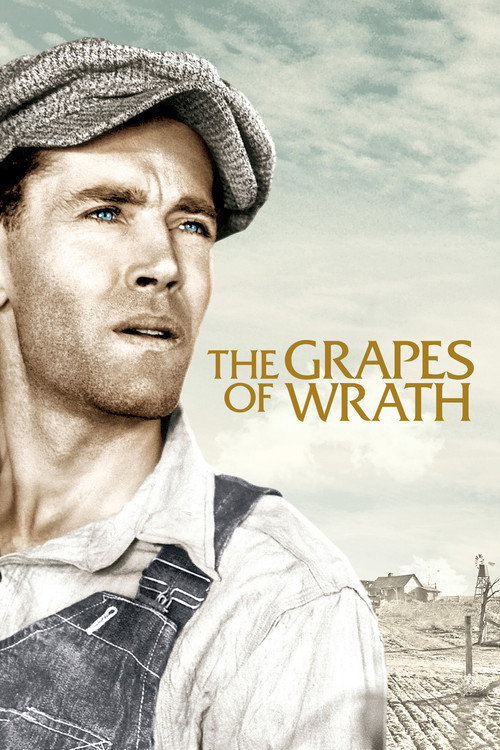
The Grapes of Wrath1940
Ford's American answer to Renoir: desperate people with dignity, the poor as heroes, a system designed to break them. It's rooted in the same belief that common lives contain tragedy as profound as any king's fall.
But It's more explicitly political and sentimental. It wants you to feel anger. Renoir just wants you to see.
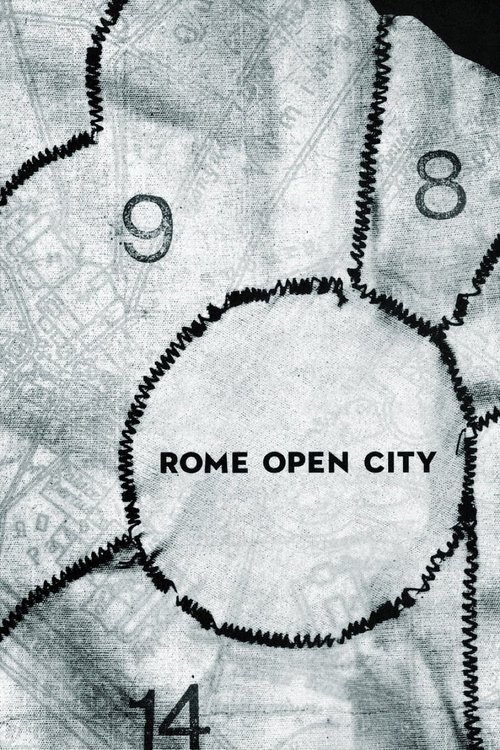
Rome, Open City1945
Rossellini's neorealist masterpiece of Rome under Nazi occupation. Same visual clarity, same refusal to glamorize suffering, same understanding that ordinary people contain extraordinary courage and complexity.
But It's rawer and more documentary-like than The Lower Depths. Some find neorealism's graininess forbidding rather than moving.
Bicycle Thieves1948
De Sica again, and the purest neorealist statement: a man and boy searching Rome for a stolen bicycle. It's the simplest possible story about how poverty erodes dignity, and Renoir would have recognized himself in every frame.
But Its power depends entirely on emotional surrender. If you resist it intellectually, you'll find it merely sad rather than tragic.

Sunrise: A Song of Two Humans1927
Both believe that the camera can find the sacred in the everyday, that moral complexity lives in the people we're taught to dismiss, that one person's ruin is as important as any historical event.
Murnau's silent film about temptation, betrayal and redemption in a small town. It's a completely different era and aesthetic, but it shares The Lower Depths' understanding that desire and circumstance can overwhelm us, and that ordinary people contain operatic tragedy.
But It's silent, which means a barrier for many. And it's styled more expressionistically—less naturalistic than Renoir, more stylized and dreamlike.

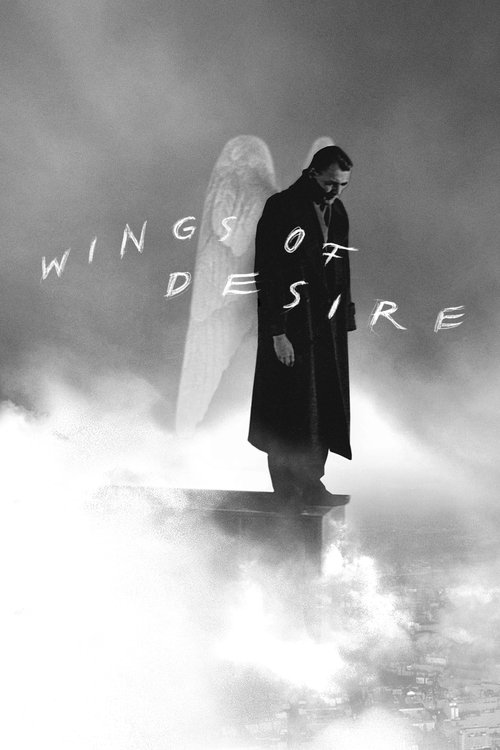
Wings of Desire1987
Both are love letters to cinema's capacity to dignify the overlooked. Both suggest that if you look long enough at anyone—the fallen, the forgotten—you'll find the whole mystery of existence looking back.
Wim Wenders watching divided Berlin from the perspective of angels. It has none of The Lower Depths' realism but shares its fundamental faith: that the lives of ordinary people contain infinite depth, that to witness is to be changed, that cinema exists to make us see what we've learned to ignore.
But It's lyrical, philosophical, and formally playful in ways The Lower Depths never is. It's also nearly two hours of watching rather than plot. The patience required is different.
People
Cast
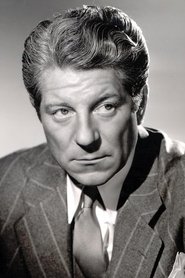 Jean GabinPepel Wasska
 Suzy PrimVassilissa Kostyleva
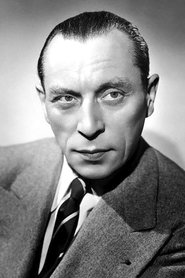 Louis JouvetLe baron
 Jany HoltNastia, la prostituée
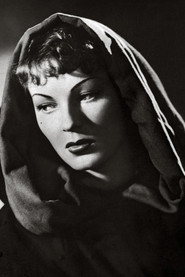 Junie AstorNatacha, la sœur de Vassilissa
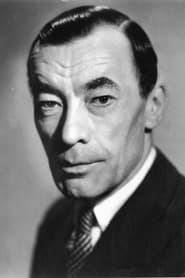 Vladimir Sokoloffle vieux Kostileff
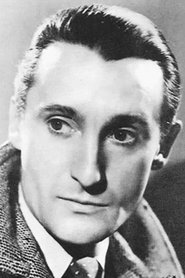 Robert Le Viganl'acteur alcoolique
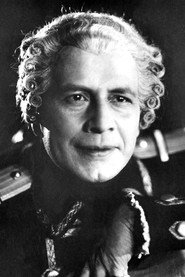 Camille Bertle comte
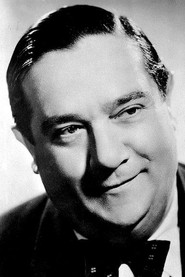 André Gabriellole commissaire Toptoum
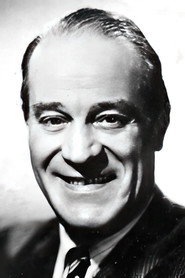 René GéninLukas, le philosophe
 Léon LariveFélix, le valet de chambre du baron
Directing
- Jean RenoirDirector
Writing
- Maxim GorkyTheatre Play
- Charles SpaakWriter
- Evgeny ZamyatinWriter
- Jacques CompanéezWriter
- Jean RenoirWriter
Production
- Alexandre KamenkaProducer