
Film
Stray Dog
Other titles called Stray Dog: the 2014 film.
Kurosawa's first true procedural is less a whodunit than a slow-boil character study, tracking a rookie detective through postwar Tokyo's black markets and slums as he hunts the pickpocket who stole his service pistol. Shot in oppressive summer heat, it's patient, sweaty, and morally uneasy — for viewers who want their crime stories to ask what separates the cop from the man he's chasing.
Should you watch it?
Watch it if you like slow-burning police procedurals where the detective's guilt matters as much as the case, and you don't mind watching a man sweat through a heatwave of second-guessing.
Skip it if you need a brisk, plot-driven thriller, since this one lingers on the sweltering streets and long stretches of footwork, and its 122 minutes feel deliberate.
What it asks of you: Patience for a long, sweaty middle stretch of walking, bus stops and back alleys, with the mood darkening gradually rather than in bursts; the pace stays unhurried throughout.
Not sure? Find tonight's pick in a minute.
If you liked this
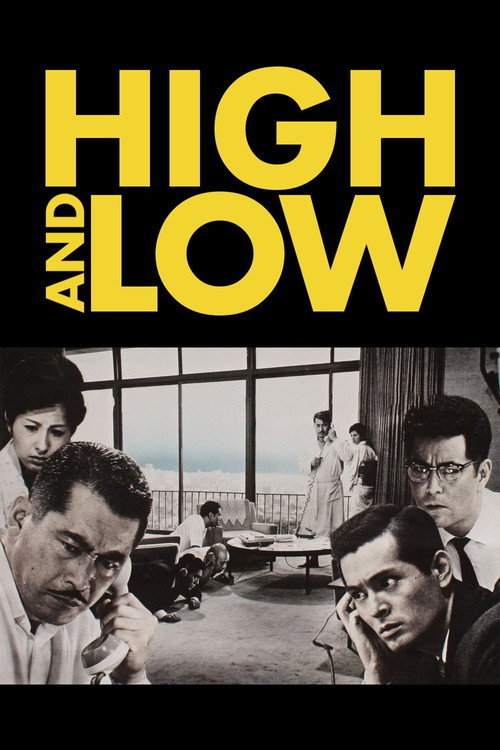
High and Low1963
Kurosawa's own return to the genre, sharper and colder, splitting into a kidnapping thriller and a police procedural that interrogates class as ruthlessly as guilt.
But More clinical than Stray Dog's sweaty humanism — it trades empathy for structure in its back half.
The Third Man1949
Same year, same rubble-strewn postwar exhaustion, but Vienna instead of Tokyo — a friendship curdling into a manhunt through a ruined city.
But Its cynicism is more stylised and theatrical than Stray Dog's grounded, plainspoken misery.

Memories of Murder2003
Bong Joon-ho's detectives are bumbling and desperate in ways Murakami would recognise, chasing a case that erodes their sense of who they are.
But Bleaker and more absurdist — it offers far less catharsis than Kurosawa allows.

Not sure tonight? Get a pick in a minute, starting from Stray Dog
The wildcard
Something you would not have found on your own.
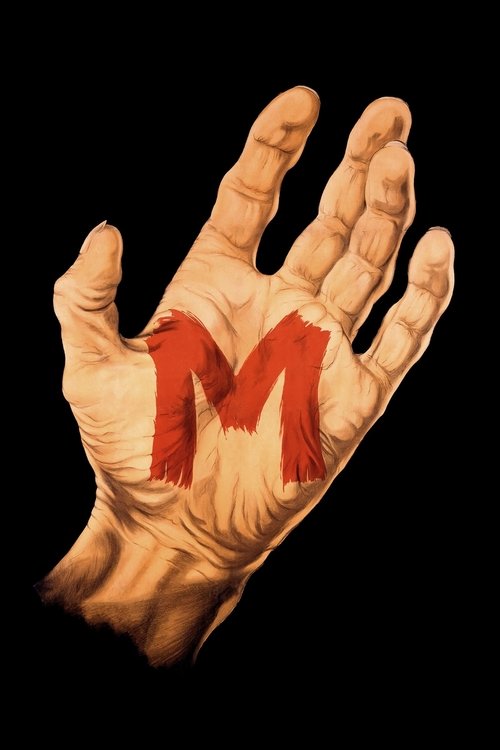
M1931
Kurosawa studied Lang closely; both films turn a single manhunt into an indictment of the society that produced the hunted man.
Fritz Lang's manhunt-thriller invented much of the language Kurosawa is speaking: the city as organism, the crowd as moral chorus, the criminal as symptom rather than monster.
But Silent-era pacing and no sound design to soften its bluntness — it's a genuinely tough watch by modern habits.
More like this (8)
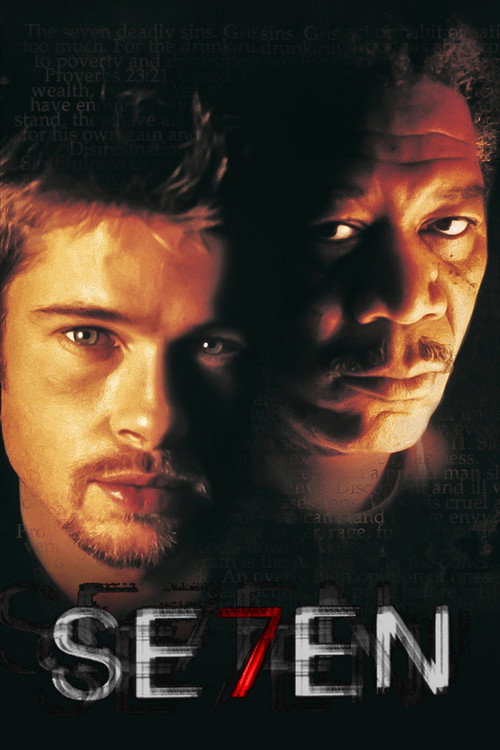
Se7en1995
Heat, grime, and a young detective learning that proximity to evil leaves residue — the atmosphere of dread is a close cousin.
But Considerably more graphic and nihilistic; Kurosawa's moral inquiry is gentler by comparison.
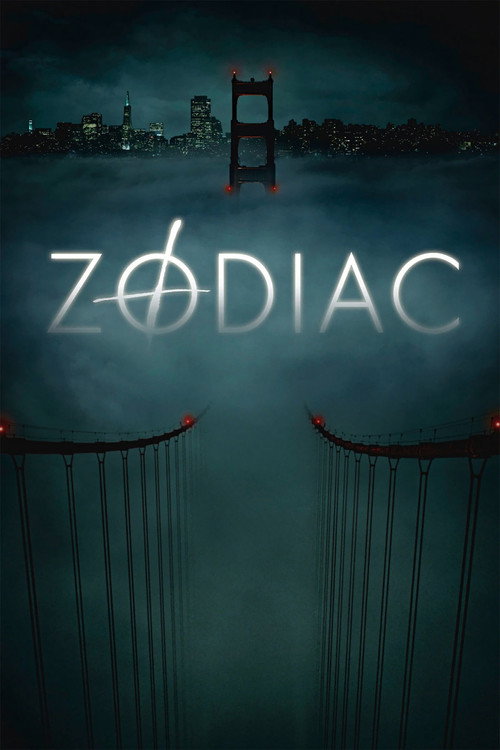
Zodiac2007
An obsessive, procedural slog through a case that consumes the investigator — patient in exactly the way Stray Dog is patient.
But Nearly three hours long, and the payoff is deliberately anticlimactic.
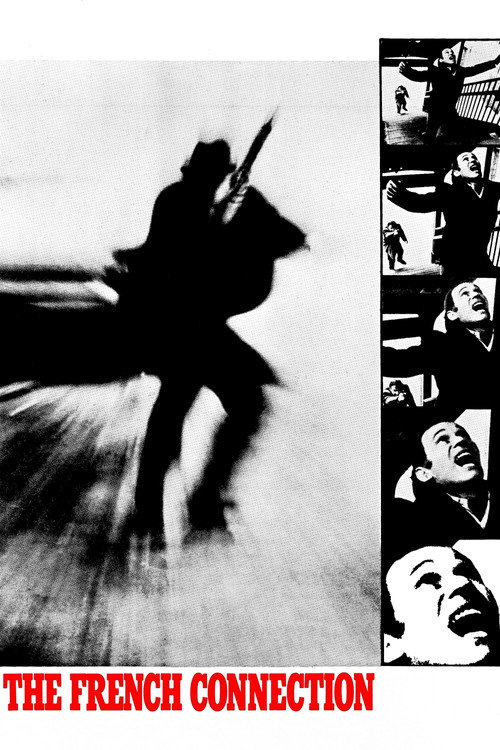
The French Connection1971
Foot-slog policing, moral ambiguity, and a city shot like a character — the genre's American answer to Kurosawa's method.
But Its energy is jagged and kinetic where Stray Dog is slow and sweltering.
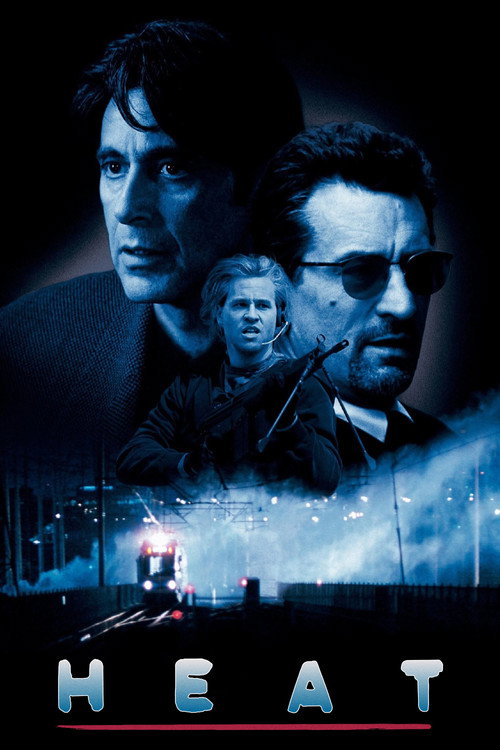
Heat1995
The cop-and-criminal-as-mirrors idea, done epic and operatic, with two men who understand each other better than anyone else does.
But Glossier and more glamorous — it romanticises the double where Kurosawa interrogates it.
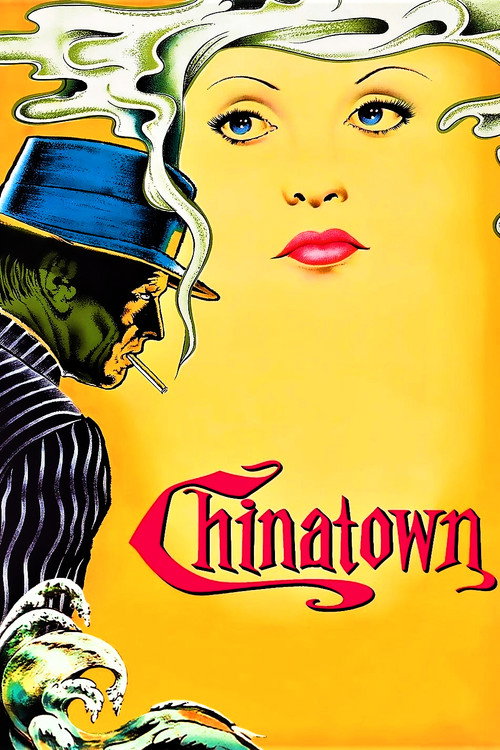
Chinatown1974
A detective undone by what he uncovers, in a city as corrupt and complicit as the crime itself.
But Its rot is institutional and generational rather than personal and psychological.
Insomnia1997
A cop's guilt and self-examination become the real plot, in a slow, punishing Norwegian procedural with real teeth.
But Glacially paced even by Stray Dog's standards — patience is mandatory.
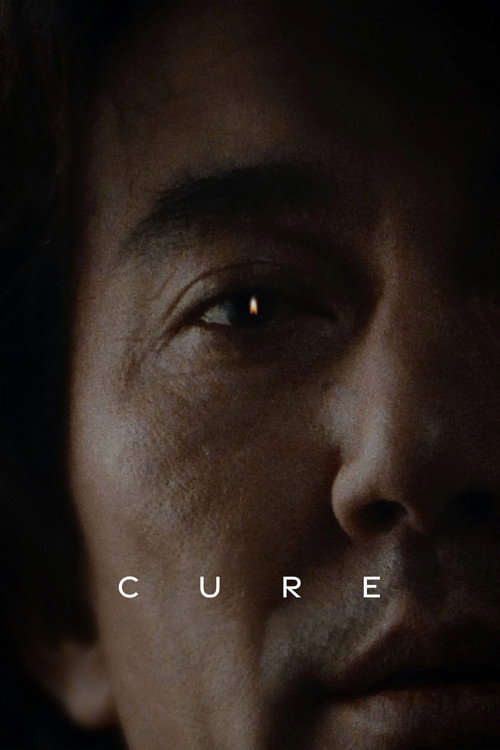
Cure1997
Same country, same core question — what does hunting a criminal do to the hunter — asked in a genre built to unsettle rather than resolve.
Kiyoshi Kurosawa (no relation) takes the same premise — a detective destabilised by proximity to his quarry — and pushes it into horror, with a killer who seems to infect everyone he meets.
But Deliberately opaque and unsettling rather than satisfying; it withholds answers Stray Dog eventually gives.
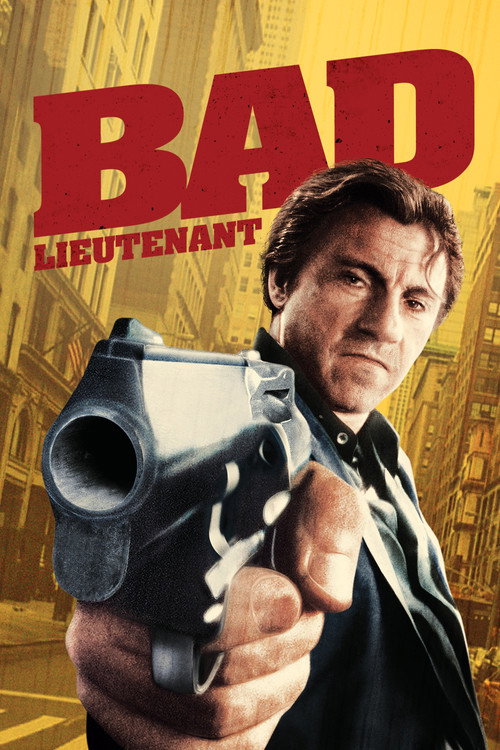
Bad Lieutenant1992
Stray Dog ends with Murakami staring at his own reflection in the criminal; Bad Lieutenant is what happens if that reflection wins.
Abel Ferrara strips away all of Kurosawa's restraint and shows the cop's own darkness fully unleashed, in a film that's raw, sleazy, and genuinely upsetting.
But Explicit, degraded, and morally punishing in ways Stray Dog only gestures toward — not for the squeamish.
People
Cast
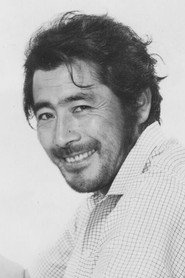 Toshirō MifuneDet. Murakami
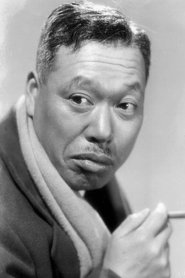 Takashi ShimuraDet. Sato
 Keiko AwajiHarumi Namiki
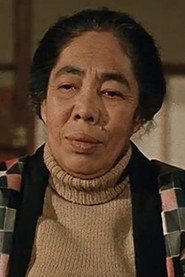 Eiko MiyoshiHarumi's mother
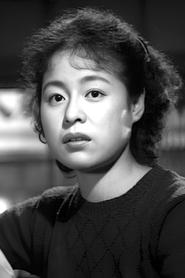 Noriko SengokuGirl
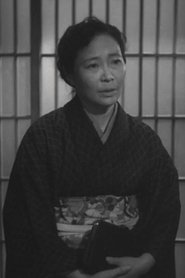 Noriko HonmaWooden Tub Shop woman
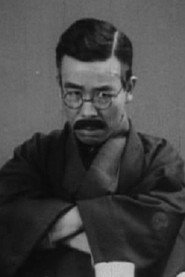
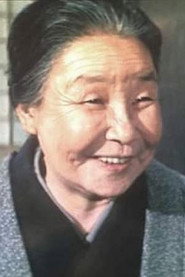 Chōko IidaKogetsu Hotel manager
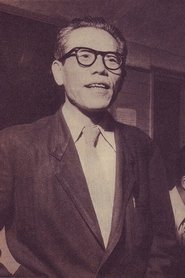
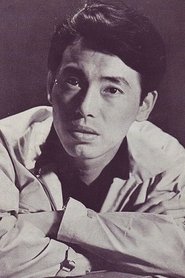 Isao KimuraYusa
Directing
- Ishirō HondaAssistant Director
- Yoshirō MurakiAssistant Director
- Akira KurosawaDirector
Writing
- Akira KurosawaWriter
- Ryuzo KikushimaWriter
Production
- Akira KurosawaAssociate Producer
- Kajirō YamamotoAssociate Producer
- Senkichi TaniguchiAssociate Producer
- Sōjirō MotokiProducer
Recommended by
Isle of Dogs, The Maltese Falcon, The Exterminator, Oliver & Company, I Live in Fear, Underworld, D.O.A., The Lower Depths, Ninja Captor, Underworld Beauty, Exterminators of the Year 3000, Battletruck, The Great Man Votes, Prince of Foxes, Drunken Angel, The Mighty McGurk