
Film
Prince of Foxes
A swashbuckling Renaissance thriller where a mercenary caught between a ruthless patron and his own conscience must navigate the cutthroat politics of Renaissance Italy. Tyrone Power and Orson Welles spar in a film that balances adventure spectacle with genuine moral tension, delivered in lustrous black-and-white Technicolor. It's for anyone who wants their costume drama with actual stakes and style.
If you liked this
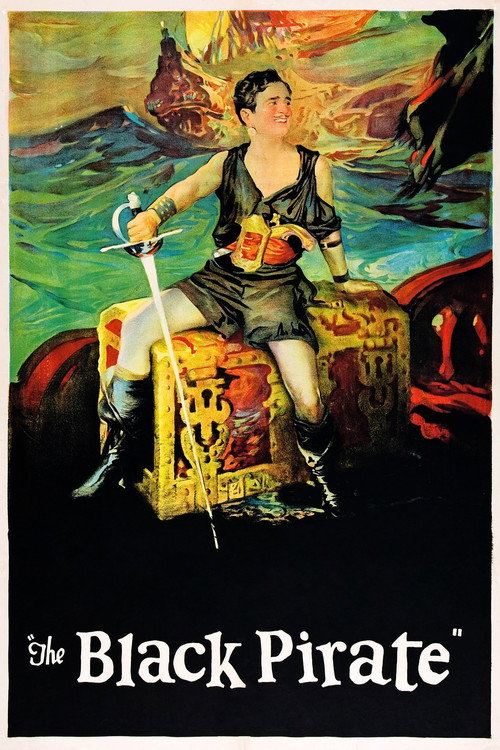
The Black Pirate1926
Douglas Fairbanks at his most acrobatic, pioneering the swashbuckler template that Power would inherit. A silent film that moves like quicksilver and proves the form doesn't need dialogue to thrill.
But Silent filmmaking feels distant to modern audiences, and the story is simpler than later variations. The pace, though thrilling then, can feel uneven now.
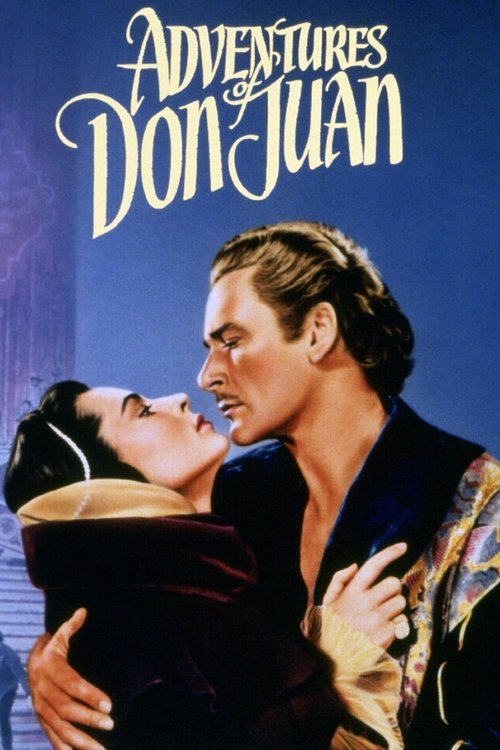
Adventures of Don Juan1948
Errol Flynn's last great role: dashing, witty, and genuinely romantic. A Warners adventure that gets the tone right—neither camp nor stolid—with real chemistry between its leads.
But Color Technicolor can feel garish by today's standards, and the plot is gossamer-thin. It trades depth for charm, which works only if charm is enough for you.
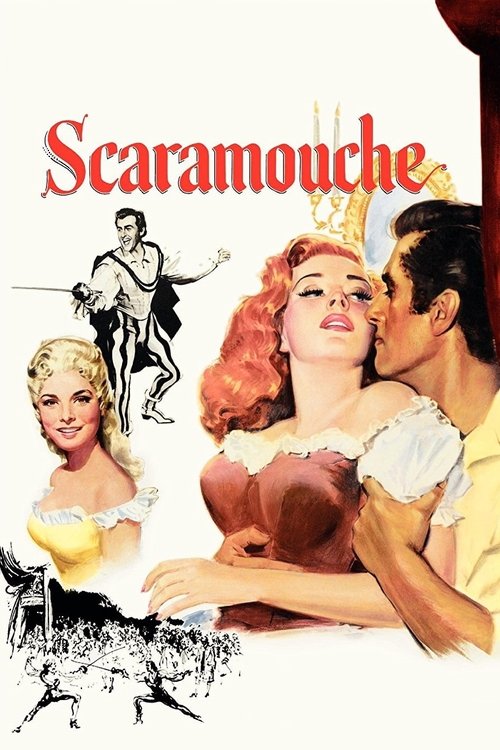
Scaramouche1952
Stewart Granger inherits the Fairbanks mantle with style. A Technicolor romp through the French Revolution with one of cinema's greatest sword fights and a hero who's genuinely funny.
But The tone is lighter and less morally complex than Power's film. If you want darkness under the adventure, this prioritizes fun over shadow.
Not sure tonight? Get a pick in a minute, starting from Prince of Foxes
The wildcard
Something you would not have found on your own.
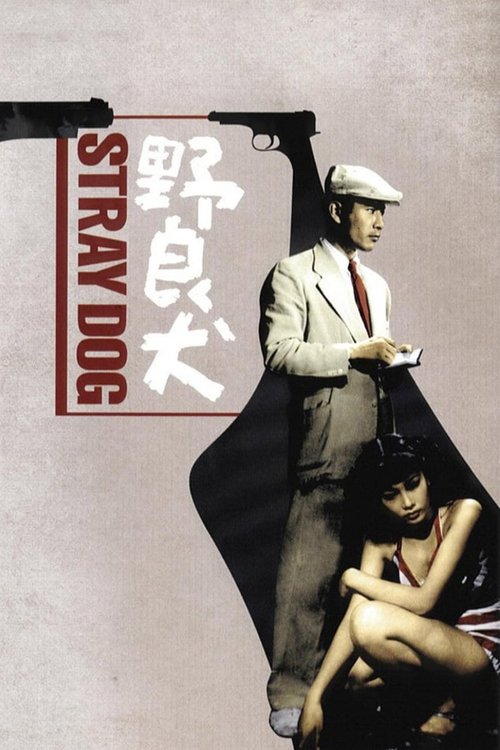
Stray Dog1949
Both films center on a protagonist whose past actions haunt them; both ask whether a man can escape the consequences of his own nature. Where Power's film wraps this in swashbuckling, Kurosawa embeds it in noir.
Made the same year as *Prince of Foxes*, Akira Kurosawa's debut feature about honor, shame, and a man pursuing his stolen gun through postwar Tokyo. A meditation on betrayal and redemption in a completely different key—no swords, no Renaissance courts, but the same moral vertigo.
But It's a Japanese police procedural in black-and-white with deliberate pacing. If you want adventure as spectacle, this offers something quieter and more claustrophobic.
More like this (8)
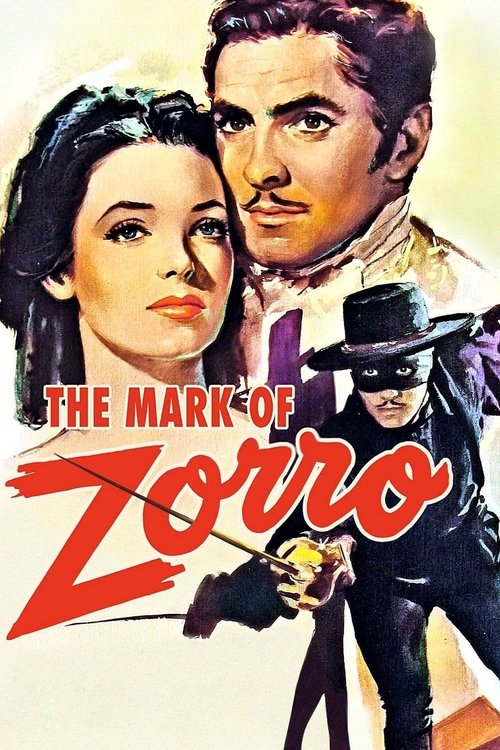
The Mark of Zorro1940
Tyrone Power in full swashbuckling glory before *Prince of Foxes*, showing why he was the thinking man's action hero. Directed by Rouben Mamoulian with real visual flair and a dual role that gives Power room to act.
But The political allegory feels thin and the villains are cardboard. It's a more straightforward adventure than *Prince*, with less moral complexity.
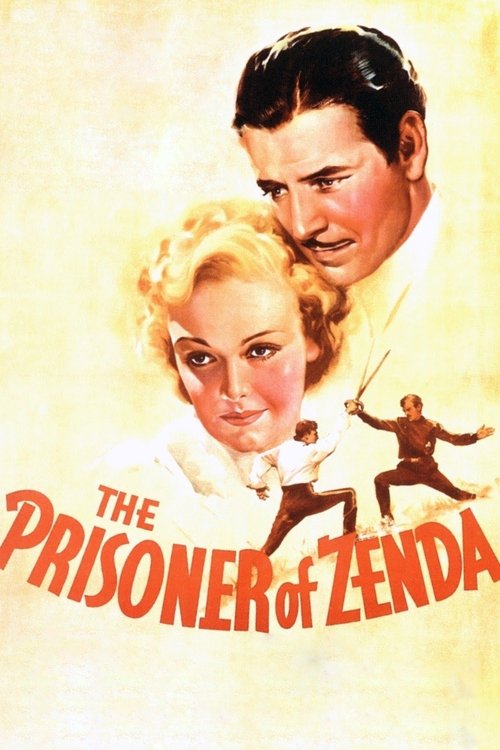
The Prisoner of Zenda1937
Ronald Colman navigating identity and obligation in a European intrigue. A craftsman's adventure film where plot mechanics matter, and the tension comes from impossible choices rather than sword-swinging alone.
But It's talky and deliberate, with less action than most swashbucklers. The pacing reflects 1930s rhythm, which modern viewers sometimes find slack.
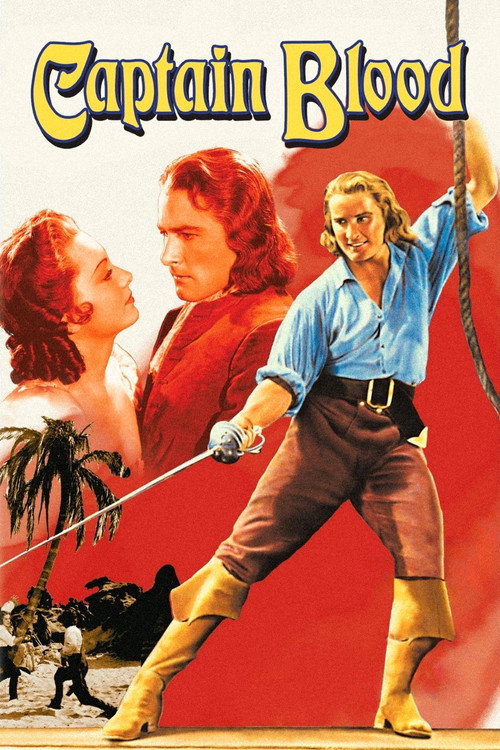
Captain Blood1935
Errol Flynn's debut as a roguish hero wronged by power and fighting back. Michael Curtiz directs with verve, and the film has genuine anger under its charm—a man forced into piracy by injustice.
But The romance subplot is thin and the politics are surface-level. It's Flynn coasting on charm more than acting, which some find insufficient.
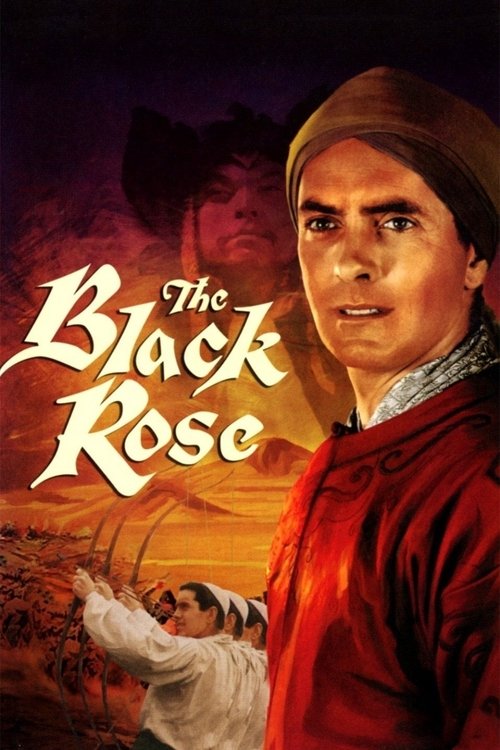
The Black Rose1950
Power again, this time opposite Cécile Aubry in a 13th-century adventure that mixes East and West. A more exotic swashbuckler with genuine interest in the world beyond European courts.
But The scope outpaces the story, which can feel diffuse. It's episodic where it should build, and the ambition sometimes exceeds the execution.
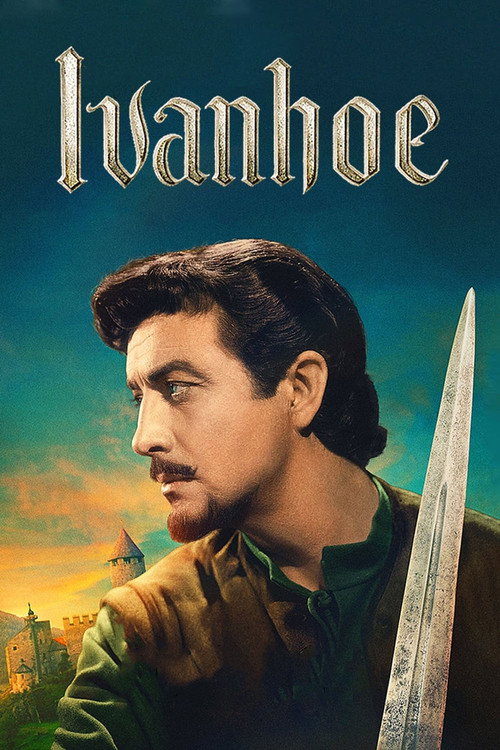
Ivanhoe1952
Robert Taylor as Scott's Saxon knight, directed by Richard Thorpe with real tournament spectacle. A solid period adventure that earned its budget with genuine set-pieces and a hero with conflicting loyalties.
But It's earnest to the point of stuffiness, with romantic subplots that don't breathe. The moral complexity of Power's film isn't present; everything is more settled.
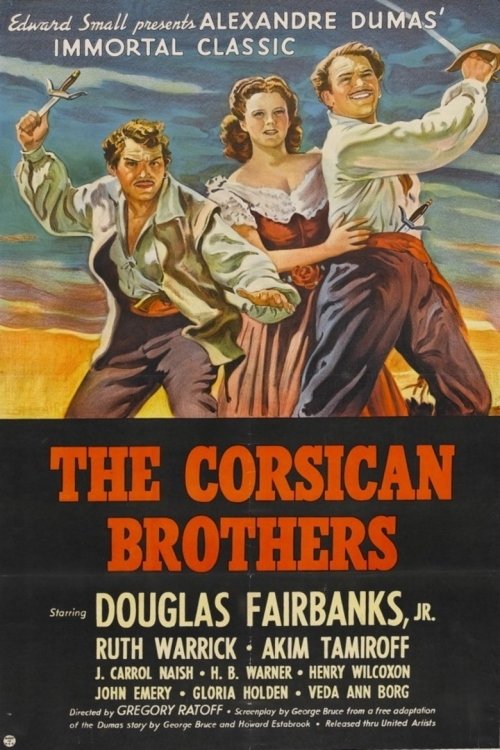
The Corsican Brothers1942
Douglas Fairbanks Jr. in a lesser-known gem about divided loyalty and separated twins. More baroque than most swashbucklers, with genuine melancholy under the adventure.
But It's rarely seen for a reason—uneven pacing and a plot that strains credibility. The twin device, even by adventure standards, can feel contrived.
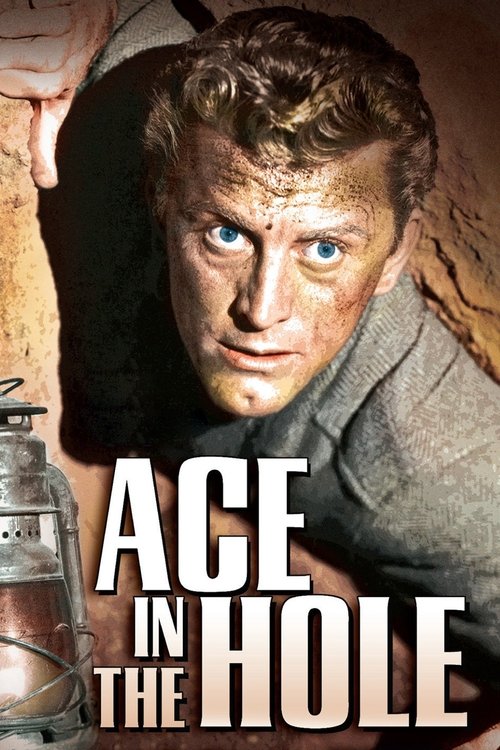
Ace in the Hole1951
Both examine what happens when ambitious men rationalize their complicity in others' suffering. *Prince of Foxes* asks if conscience can return; *Ace in the Hole* suggests it never existed.
Billy Wilder's brutal portrait of a morally compromised man using tragedy for personal gain. Kirk Douglas as a reporter willing to let someone die if it serves his ambition—the inverse of Power's eventual conscience, but the same machinery of rationalization.
But It's deeply cynical and features no heroes, only degrees of corruption. The tone is bleak and the ending offers no redemption. It's an American film noir, not adventure.
The Red Shoes1948
Both explore what it costs to love while bound to a tyrant. *Prince of Foxes* does this through intrigue; *The Red Shoes* through the body itself, making the constraint visible and unbearable.
Powell and Pressburger's Technicolor ballet film about a woman torn between her patron and her lover. Like *Prince of Foxes*, it's a film about the impossible geometry of owing everything to someone ruthless; unlike it, the choice is made through dance and obsession rather than plot.
But It's a ballet film, and if you find dance alienating or excessive, it will exhaust you. The romance is abstracted into movement, which some find pretentious or distant.

People
Cast
 Tyrone PowerAndrea Orsini
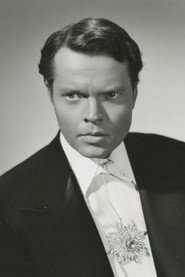 Orson WellesCesare Borgia
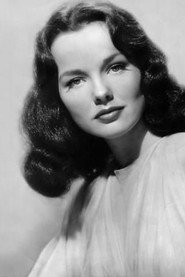 Wanda HendrixCamilla Verano
 Marina BertiAngela Borgia
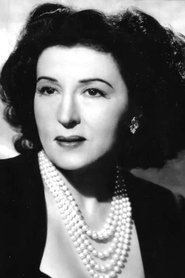 Katina PaxinouMona Zoppo
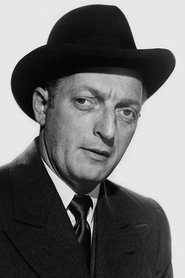 Everett SloaneMario Belli
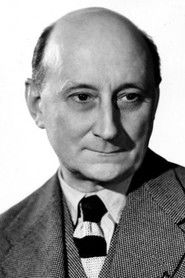 Felix AylmerMarc Antonio Verano
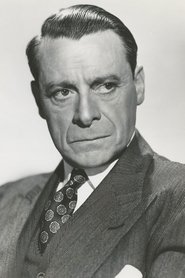 Eduardo CiannelliArt Dealer (uncredited)
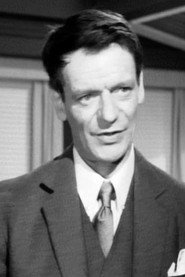 Eugene DeckersBorgia Henchman (uncredited)
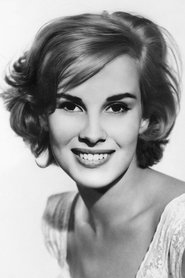 Antonella Lualdi(uncredited)
Directing
- Joseph C. BehmAssistant Director
- Henry KingDirector
Writing
- Samuel ShellabargerNovel
- Milton KrimsWriter
Production
- Sol C. SiegelProducer
Recommended by
The Great Adventures of Captain Kidd, The Magic Carpet, Captain Kidd and the Slave Girl