
Film
Adventures of Don Juan
Errol Flynn is Don Juan in this 1948 Technicolor swashbuckler—all velvet cloaks, swordplay, and calculated seduction. It's handsome adventure cinema that doesn't pretend to depth, built entirely around Flynn's charm and the film's visual polish. Perfect if you want spectacle without moral weight, or if you're rediscovering the pleasure of pure movie star charisma.
If you liked this
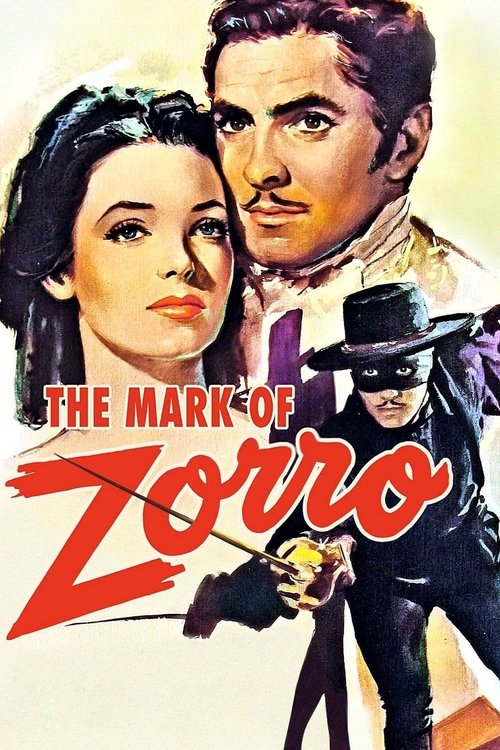
The Mark of Zorro1940
Tyrone Power in a sleeker, more romantic take on the masked-hero archetype. Same era, same commitment to charm and swordplay, but with a bit more wit underneath the heroics.
But It's a Hollywood period piece—some of the ethnic characterization has aged poorly, and the romance can feel obligatory.
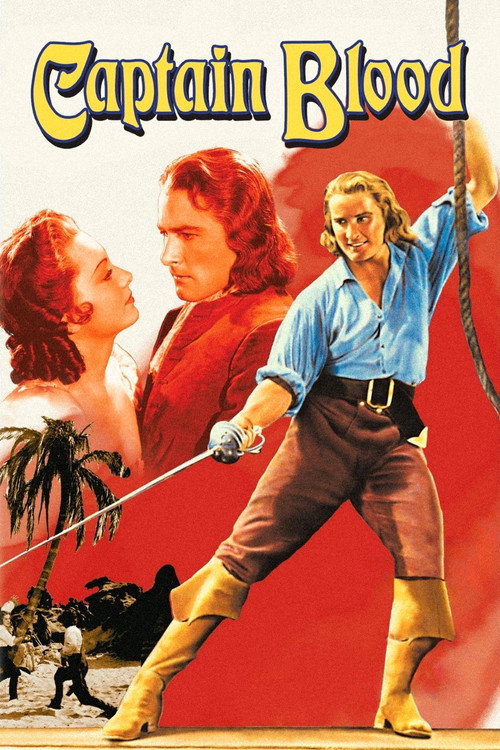
Captain Blood1935
Errol Flynn's most celebrated adventure film: a man wrongly condemned who becomes a swashbuckling avenger. The sword choreography is extraordinary and the pacing never dips below exhilarating.
But It's pre-Technicolor (black and white) and the plot is fairly rote—if you need visual spectacle to stay engaged, this one works harder for it.
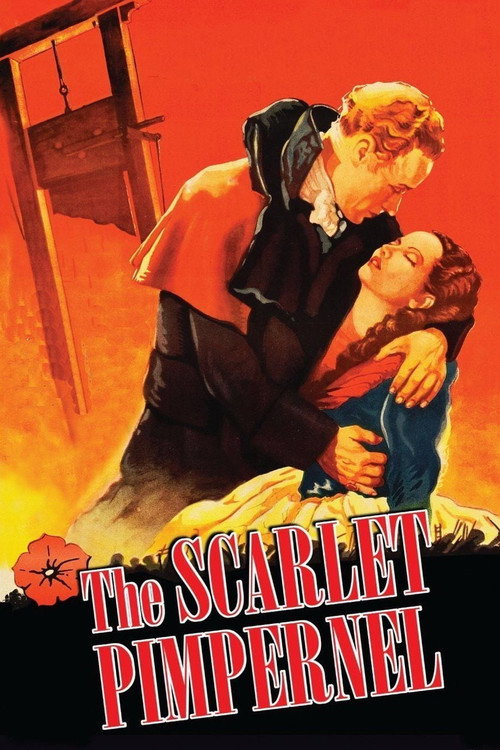
The Scarlet Pimpernel1934
Leslie Howard as a fop-by-day, hero-by-night in Revolutionary France. It has the same DNA as Don Juan: wit, disguise, impossible escapes, and a lead actor who makes it all look effortless and fun.
But It's British and theatrical in a way that can feel stiff if you're in the mood for looser, faster pacing. Some scenes drag.
Not sure tonight? Get a pick in a minute, starting from Adventures of Don Juan
The wildcard
Something you would not have found on your own.
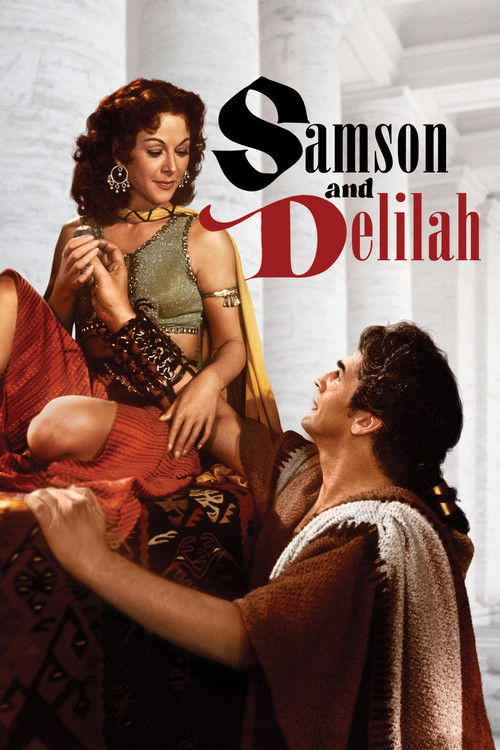
Samson and Delilah1949
Both are 1948-49 Technicolor spectacles about charismatic men navigating power through their bodies—but one celebrates it as virtue, the other as sin.
Made the same year as Don Juan, this is Victor Mature as a man undone by seduction—biblical epic in Technicolor with extraordinary set pieces and that same commitment to visual excess. The inverse: where Don Juan seduces his way to heroism, here seduction is the fall.
But It's three hours, ponderous in structure, and takes itself with absolute seriousness. The preachy morality can feel suffocating.
More like this (7)
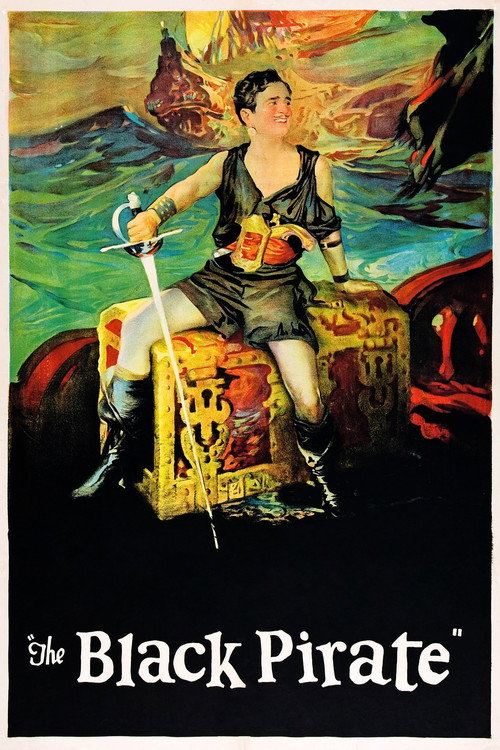
The Black Pirate1926
Douglas Fairbanks Sr. in silent-era adventure at its most acrobatic and inventive. If you love the idea of a charismatic lead using wit and physicality equally, this is where the template was born.
But It's silent—no dialogue can feel distancing. The intertitles interrupt rhythm, and Fairbanks' acting style is decidedly theatrical by modern standards.
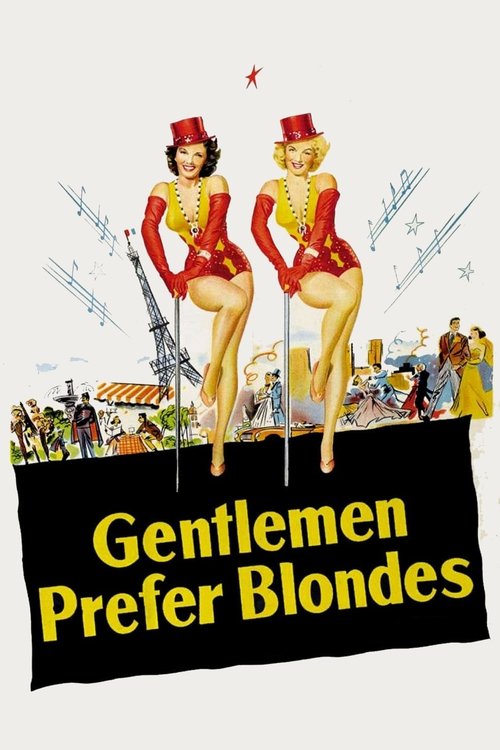
Gentlemen Prefer Blondes1953
Jane Russell and Marilyn Monroe in a light-as-air romance-and-adventure romp that shares Don Juan's aesthetic philosophy: spectacle, charm, and an absolute refusal to take itself seriously.
But The humor is period-bound and the gender politics, while playful for the era, don't hold up to scrutiny. It's very much a product of 1953.
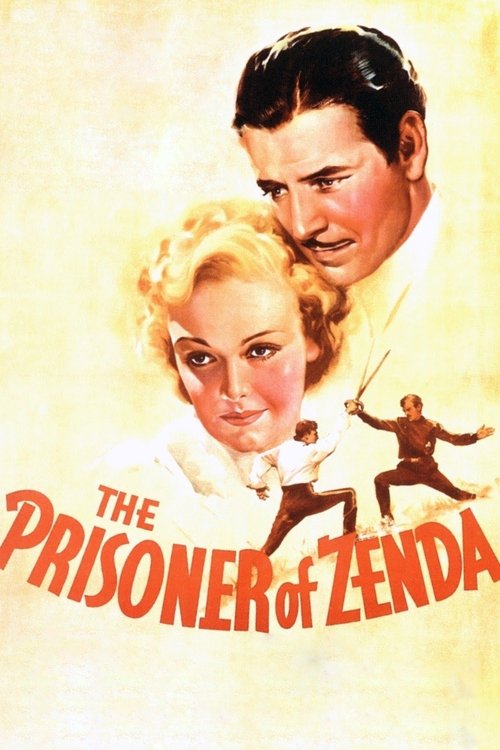
The Prisoner of Zenda1937
Ronald Colman in a prince-and-imposter swap across European palaces. It's a perfect cocktail of romance, intrigue, and adventure—urbane, clever, and gorgeously made.
But The plot mechanics are transparent. If you can't enjoy a film you've predicted beat-for-beat, this won't charm you out of it.
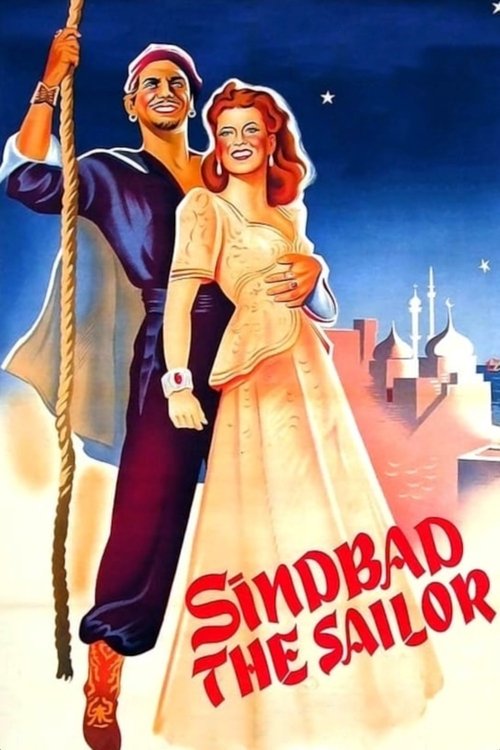
Sinbad the Sailor1947
Another Technicolor-era vehicle for a swashbuckler, with Douglass Fairbanks Jr. in a supernatural-tinged adventure. The color work is sumptuous and it commits fully to its fantasy premise.
But The fantasy elements can feel cheap and the pacing meanders. It's one to watch for mood and spectacle, not plot coherence.
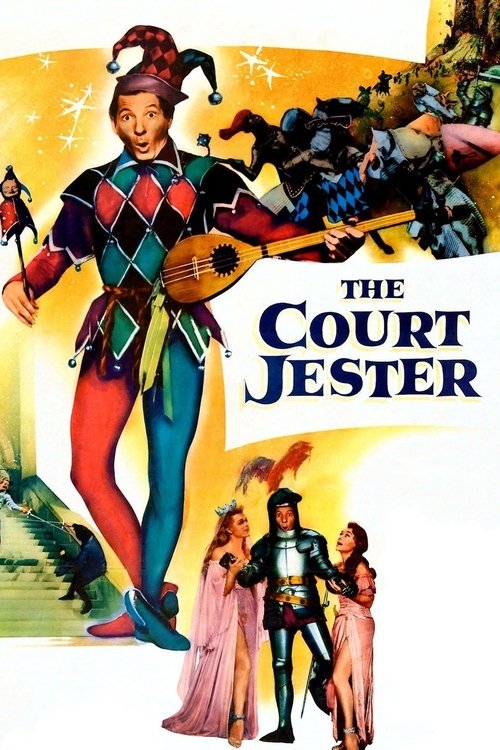
The Court Jester1955
Danny Kaye as a commoner in a medieval court—adventure, romance, and musical numbers woven into genuine charm. It proves the whole subgenre can be brighter and sharper with the right lead.
But The musical interludes will feel indulgent if you hate that genre convention. Some of the physical comedy is broad to the point of annoyance.
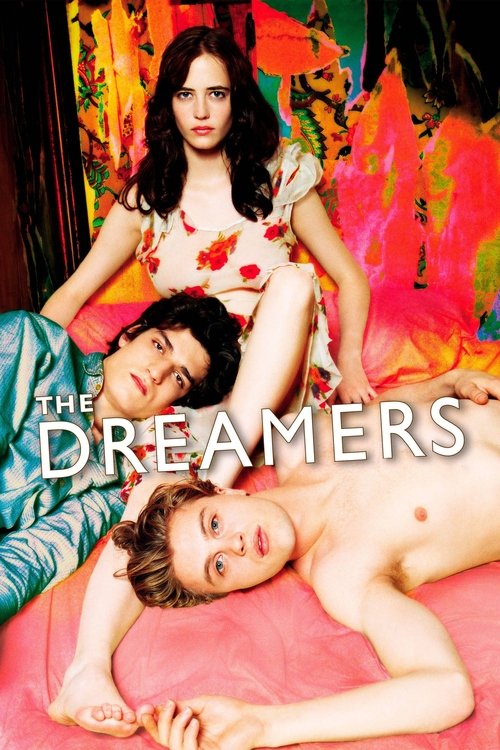
The Dreamers2003
Both are structurally about a charismatic figure who uses intelligence and appearance to seduce, but where Don Juan is swashbuckling fairy tale, this asks what that actually costs.
Bernardo Bertolucci's film about lovers in Paris using cinema history as aphrodisiac—seduction through performance, references, and pure aesthetic intoxication. It has Don Juan's DNA (charm, deception, beauty) but filtered through European art cinema and frank sexuality.
But It contains explicit sexual content and is deliberately provocative. The self-consciously 'artistic' presentation alienates those wanting straightforward narrative, and the film's politics around power dynamics are genuinely uncomfortable.
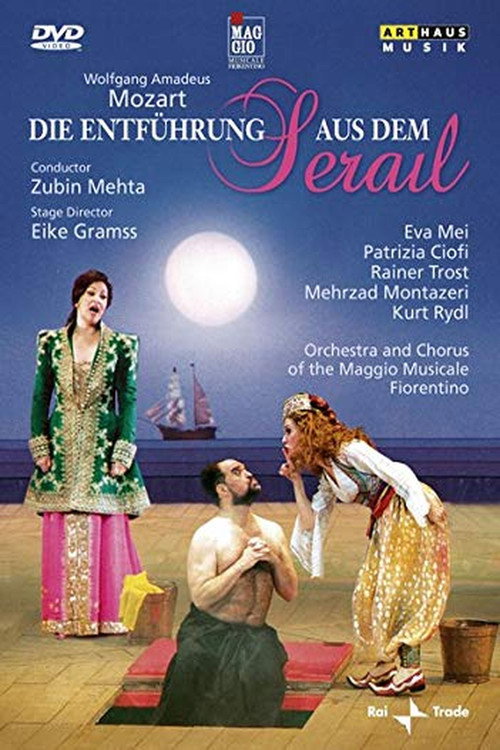
The Abduction from the Seraglio2002
Both feature a charismatic male lead using charm, disguise, and intelligence to navigate a hostile court and win freedom—but one adds Mozart's genius to interrogate desire itself.
Mozart's opera (recorded versions exist as films) where the hero rescues his beloved from a Turkish palace through wit and music. It's the same Spanish Golden Age adventure energy as Don Juan but in music-theater, making the seduction and escape pure plot architecture set to transcendent melody.
But It's an opera—if sung dialogue breaks your immersion, this won't work. It also requires patience for extended arias and a willingness to accept that plot serves music, not the reverse.
People
Cast
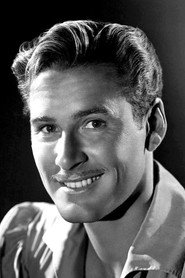 Errol FlynnDon Juan de Maraña
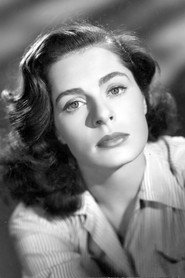 Viveca LindforsRainha Margarida
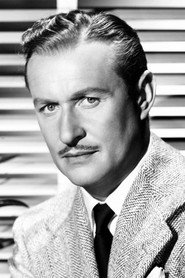 Robert DouglasDuque de Lorca
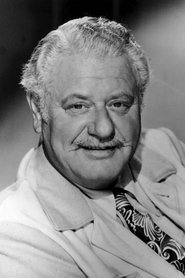 Alan HaleLeporello
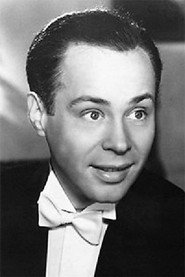 Romney BrentFilipe III de Espanha / II de Portugal
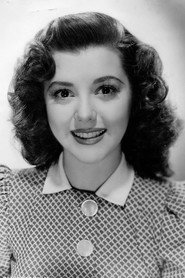 Ann RutherfordDonna Elena
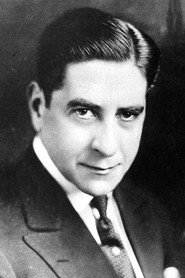 Robert WarwickDon José, Conde de Polan
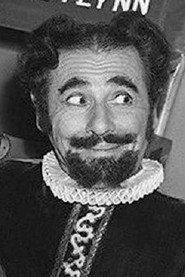 Jerry AustinDon Sebastian
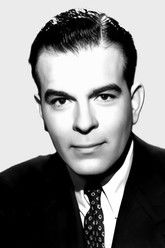 Douglas KennedyDon Rodrigo
- Jean ShepherdDonna Carlotta
 Mary StuartCatherine
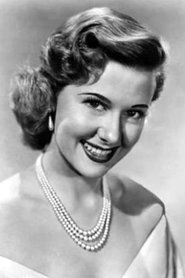 Helen WestcottLady Diana
Directing
- Richard MayberyAssistant Director
- Vincent ShermanDirector
- Wandra RamseyScript Supervisor
Writing
- George OppenheimerScreenplay
- Harry KurnitzScreenplay
- Robert FloreyScreenplay
- William FaulknerScreenplay
- Herbert DalmasStory
Production
- Jerry WaldProducer
- Frank MattisonProduction Manager
Recommended by
The Three Musketeers, The Black Swan, The Bold Caballero, The Prince Who Was a Thief, Prince of Foxes