
Film
Gentlemen Prefer Blondes
Other titles called Gentlemen Prefer Blondes: the 1928 film.
- Screwball comedy
- Light-hearted
A glittering 1953 musical comedy about two showgirls on a transatlantic cruise, hunting for rich husbands and adventure. It's frothy, confident, and utterly charming—built on the chemistry between Marilyn Monroe and Jane Russell, who deliver numbers with genuine star power. Perfect if you want pure escapism with style.
Should you watch it?
Watch it if you enjoy brisk, glossy comedy where two wisecracking leads trade barbs and the glamour is part of the joke, with the shine of 1950s studio craft.
Skip it if you want romance that takes itself seriously or modern pacing; the gold-digger premise is played as sparkling farce, and its gender politics show their age.
What it asks of you: It runs about an hour and a half and keeps moving, asking you to sit back for its musical numbers and quick exchanges rather than dig for subtext.
Not sure? Find tonight's pick in a minute.
If you liked this
Singin' in the Rain1952
A musical that matches Gentlemen Prefer Blondes for sheer joy and technical brilliance. Gene Kelly and Donald O'Connor are exuberant, the songs are unforgettable, and it captures that same golden-age Hollywood magic.
But It's a different kind of story—more about artistic passion than romance and scheming. Some find the whimsy saccharine.

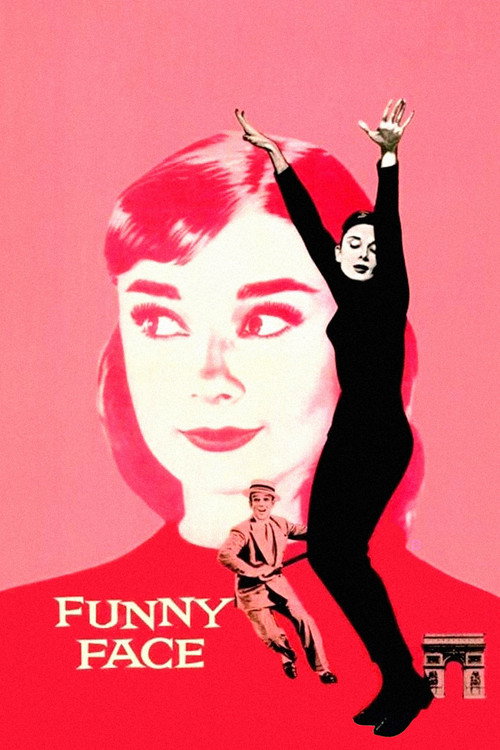
Funny Face1957
Audrey Hepburn and Fred Astaire star in a musical that balances romantic comedy with genuine spectacle. It has the same confident elegance, with Paris instead of ocean liners, and songs that stick with you.
But Astaire's appeal doesn't work for everyone, and the fashion-world plot feels thinner than you might hope.
Breakfast at Tiffany's1961
Audrey Hepburn as a woman playing the same game Lorelei does—charming her way through life. Stylish, funny, deeply romantic underneath the surface. It's Gentlemen Prefer Blondes grown up just slightly.
But The supporting characters, particularly Mr. Yunioshi, are cringe-making by modern standards. The mood drifts between comedy and melancholy.

Not sure tonight? Get a pick in a minute, starting from Gentlemen Prefer Blondes
The wildcard
Something you would not have found on your own.
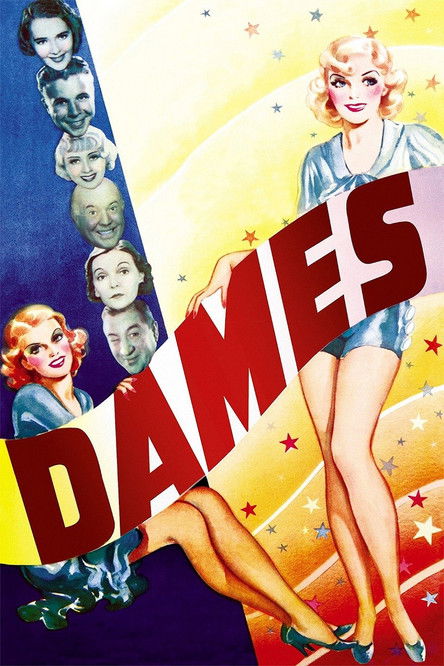
Dames1934
Both films use elaborate musical numbers to celebrate female beauty and agency; both are about showgirls navigating male desire. Berkeley invented the language; Gentlemen Prefer Blondes speaks it fluently.
Ruby Keeler and Dick Powell in a backstage musical that invents the template Gentlemen Prefer Blondes follows. But this Busby Berkeley film goes further—the musical numbers are fever-dream architectural spectacles. Same escapism, wilder execution.
But The style is so specific to 1934 that it can look alien. The plot barely exists. Some find Berkeley's spectacles exhausting rather than delightful.
More like this (6)
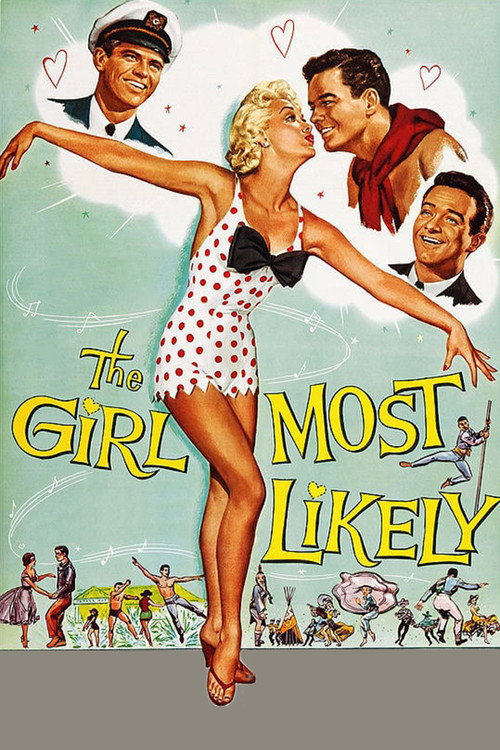
The Girl Most Likely1958
Jane Powell stars in a musical about three women with romantic ambitions. It's lighter and less famous than Gentlemen Prefer Blondes, but it has the same DNA and genuine charm. Perfect comfort viewing.
But It's genuinely obscure. The production values are lower, and the wit is gentler, which some will find less sharp.
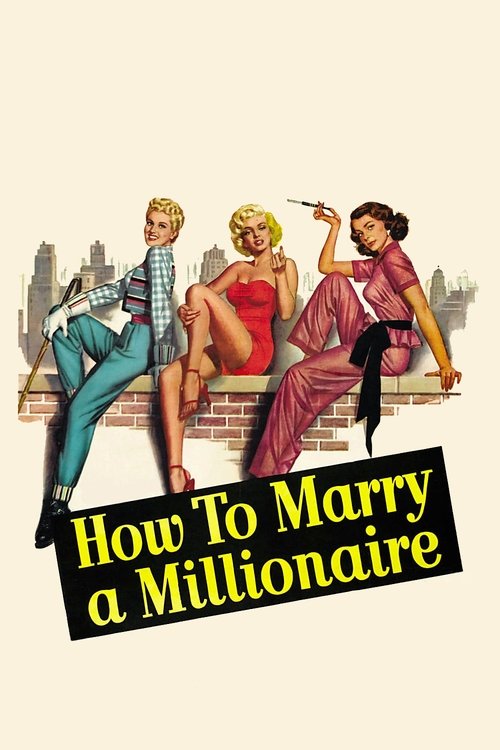
How to Marry a Millionaire1953
Released the same year, this comedy about three women hunting wealthy husbands has genuine laughs and style. Betty Grable, Marilyn Monroe, and Lauren Bacall scheme their way through New York. It's smart and satisfying.
But Monroe is only one part of the ensemble, and the romantic resolution is more conventional than you might want.
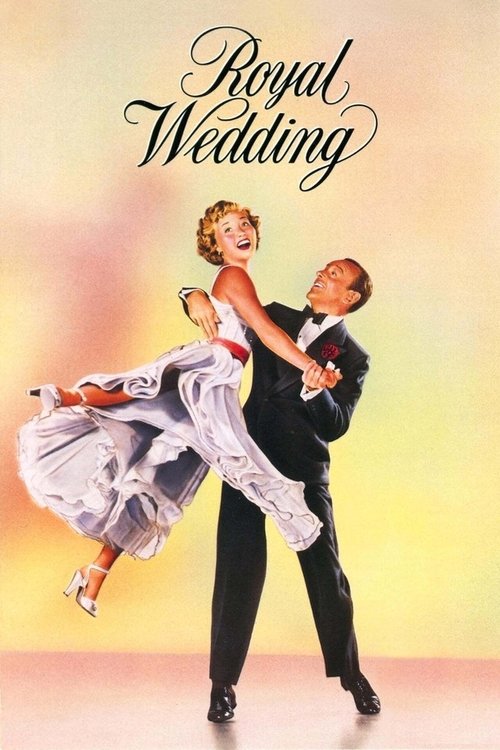
Royal Wedding1951
Fred Astaire and Jane Powell on an ocean liner heading to the coronation. Musical, romantic, with some genuinely imaginative dance sequences. Lighter than Gentlemen Prefer Blondes but in the same spirit.
But The plot is tissue-thin and the supporting romance is forgettable. Some musical numbers drag.
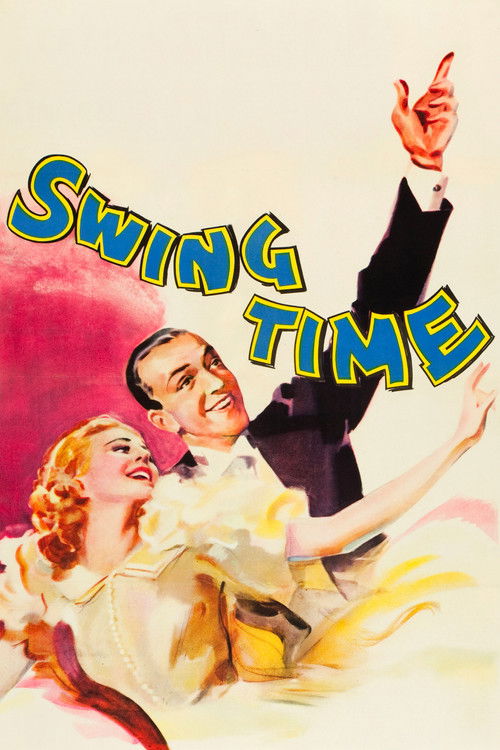
Swing Time1936
Fred Astaire and Ginger Rogers at their peak, dancing through a romantic comedy. It's the spiritual ancestor of everything in Gentlemen Prefer Blondes—style, grace, banter, and genuine sophistication.
But It's nearly ninety years old and the pacing is slow by modern standards. The gender dynamics, while progressive for 1936, feel dated.
The Philadelphia Story1940
Cary Grant, Katharine Hepburn, and James Stewart in a comedy about romance and class. It has the same confidence and sophistication as Gentlemen Prefer Blondes, but with more edge and intelligence.
But It's dramatically heavier. The tone can feel theatrical, and some find Hepburn's character unsympathetic.

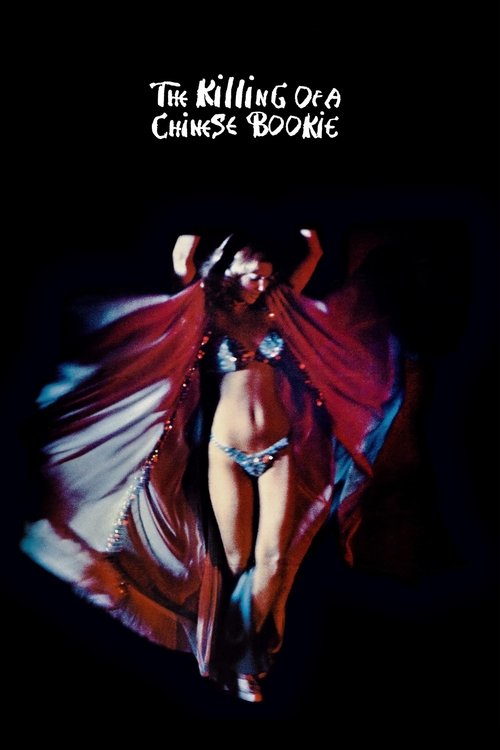
The Killing of a Chinese Bookie1976
Both examine the economics and psychology of glamour and performance. Cassavetes asks what happens when the music stops; Gentlemen Prefer Blondes assumes it never does. They're opposite arguments about the same world.
John Cassavetes' bizarre, dreamlike noir about a nightclub owner. Not a musical, not a romance, but it shares Gentlemen Prefer Blondes' obsession with the glittering world of nightclubs, performance, and the precarity beneath glamour. It's the dark answer to the same question.
But It's deliberately unglamorous. The tone is anxious and noir. It's slow, fragmented, and punishing in ways Gentlemen Prefer Blondes never is.
People
Cast
 Jane RussellDorothy Shaw
 Marilyn MonroeLorelei Lee
 Charles CoburnSir Francis 'Piggy' Beekman
 Elliott ReidErnie Malone
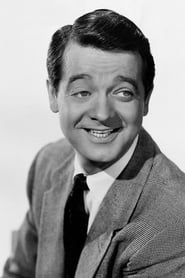 Tommy NoonanGus Esmond Jr.
 George WinslowHenry Spofford III
 Marcel DalioMagistrate
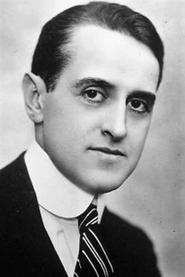 Taylor HolmesMr. Esmond Sr.
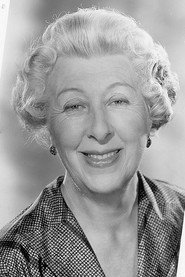 Norma VardenLady Beekman
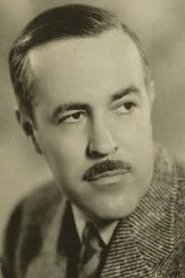 Howard WendellWatson
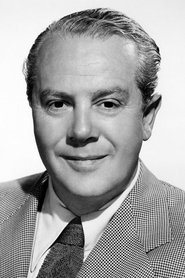 Steven GerayHotel Manager
- David AhdarWedding Guest (uncredited)
Directing
- Paul HelmickAssistant Director
- Howard HawksDirector
- Doris DroughtScript Supervisor
- Don TorpinSecond Assistant Director
Writing
- Leo RobinLyricist
- Anita LoosNovel
- Charles LedererScreenplay
- Howard HawksScreenplay
- Anita LoosTheatre Play
- Joseph FieldsTheatre Play
- Jule StyneTheatre Play
- Leo RobinTheatre Play
Production
- James BlakeleyPost Production Coordinator
- Sol C. SiegelProducer
Recommended by
What's Up, Doc?, Thoroughly Modern Millie, The Gay Divorcee, Floyd on France, Doctor in the House, Auntie Mame, Calamity Jane, Stage Door, Anything Goes, The Blue Lamp, The Dressmaker, Born Yesterday, Ziegfeld Follies, Bus Stop, The Prince and the Showgirl, The Sun Also Rises, How to Marry a Millionaire, Lover Come Back, Lagerfeld Confidential, Helmut Newton: The Bad and the Beautiful, In the Navy, Anchors Aweigh, Entr'acte, The Moon Is Blue, Daisy Miller, Adventures of Don Juan, The Girl Most Likely, Champagne, The Best of Everything, That Touch of Mink, The Best Things in Life Are Free, Myra Breckinridge, The Girl Can't Help It, Marvel's Agent Carter, Rose Marie, Lovely to Look At, Keep Your Powder Dry, The Ascent of Woman, Macabre, Tropicana, Three Men in a Boat, Call Me Madam, The Wild, Wild World of Jayne Mansfield, Rhubarb, Darling Lili, Mortdecai, Bye Bye Birdie, Dream Wife, The Immoral Mr. Teas, The Bachelor and the Bobby-Soxer, Abbott and Costello Go to Mars, Road to Rio, Will Success Spoil Rock Hunter?, The Magnificent Flirt, Manhandled, The Tender Trap, Higher and Higher, Road to Morocco, Red-Headed Woman, Here Come the Girls, Sextette, London: The Modern Babylon, Dance, Fools, Dance, Moon Over Miami, The Seven Year Itch, Desire, Goin' to Town, Baywatch, Song of the Thin Man, At War with the Army, Platinum Blonde, Let's Make It Legal, Swimsuit, Christopher Strong, Copacabana, Gentlemen Marry Brunettes, Lost in Alaska, The Last of Mrs. Cheyney, The Greeks Had a Word for Them, Sailor Beware, Matilda, Coney Island, Moonlight in Hawaii