
Film
The Girl Most Likely
- Romantic comedy
- Comedy
- Light-hearted
A bright, restless young woman juggling three marriage proposals—from a working salesman, a charming mechanic, and an actual millionaire—has to figure out what she actually wants. It's a breezy 1950s musical comedy with an almost sitcom energy, powered by Jane Powell's charm and a bouncy score. For anyone who likes their romance light, their Technicolor rich, and their stakes pleasantly low.
Should you watch it?
Watch it if you enjoy light 1950s romantic comedies where a gold-digger's scheming keeps running into honest affection, and you don't mind the candy-colored gloss and a few songs along the way.
Skip it if you want sharp, grown-up wit or real bite; this is a light, old-fashioned confection where the stakes stay pleasantly thin and the songs can feel like pauses.
What it asks of you: Settle in for a brisk hour and a half of pastel-bright patter and quick scene changes, with little demand beyond staying amused and letting the romance tick along.
Not sure? Find tonight's pick in a minute.
If you liked this
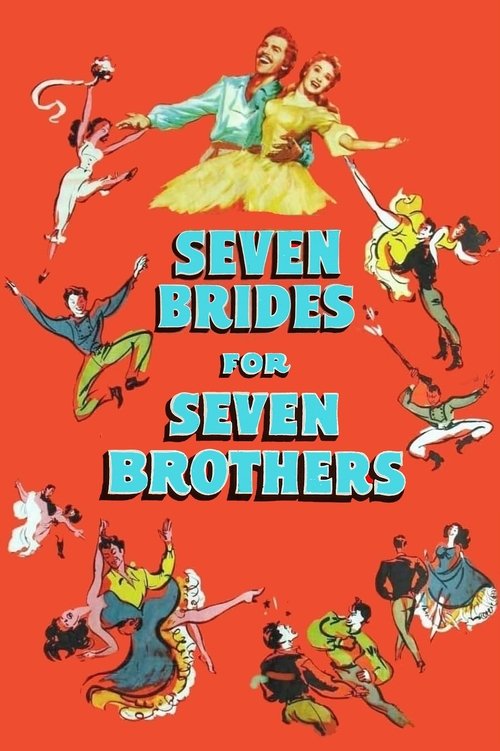
Seven Brides for Seven Brothers1954
Powell shines in this earlier musical with genuine wit and athletic dancing. The ensemble energy and surprisingly clever script prove she was more than just a pretty face—she was a genuine talent carrying complicated emotions through song.
But The gender politics are of their time, and the tone shifts between whimsy and something darker. If you're watching for pure froth, the jarring moments can sting.
Singin' in the Rain1952
The gold standard of Hollywood musicals: technically flawless, joyously performed, and genuinely funny. If you want to see what a three-way romantic choice *should* look like, this does it with style and emotional weight.
But At 103 minutes it's slightly long, and Gene Kelly's charm occasionally shades into smug. Some find the pacing of the middle section slow.

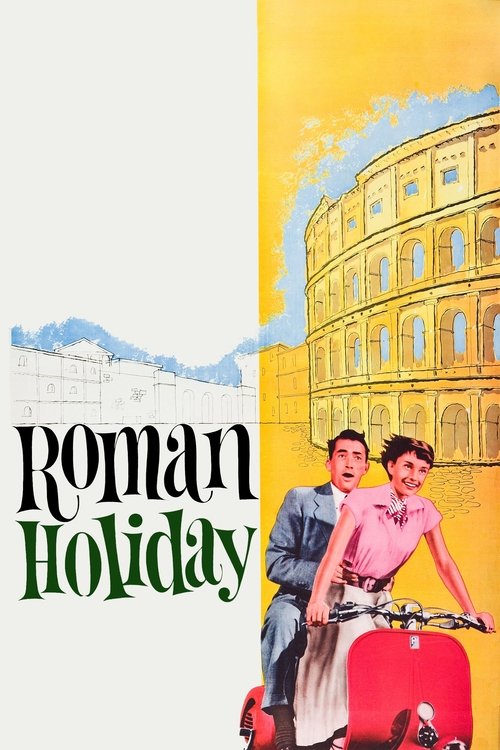
Roman Holiday1953
Audrey Hepburn and Gregory Peck have an almost supernatural chemistry. It's a romance built on genuine wit and affection rather than just circumstance, and it finds real poignance without ever losing its lightness of touch.
But The ending is melancholy in a way that might undercut the escapism you're seeking. And Hepburn's star power can make it feel like watching royalty rather than a regular person.
Not sure tonight? Get a pick in a minute, starting from The Girl Most Likely
The wildcard
Something you would not have found on your own.
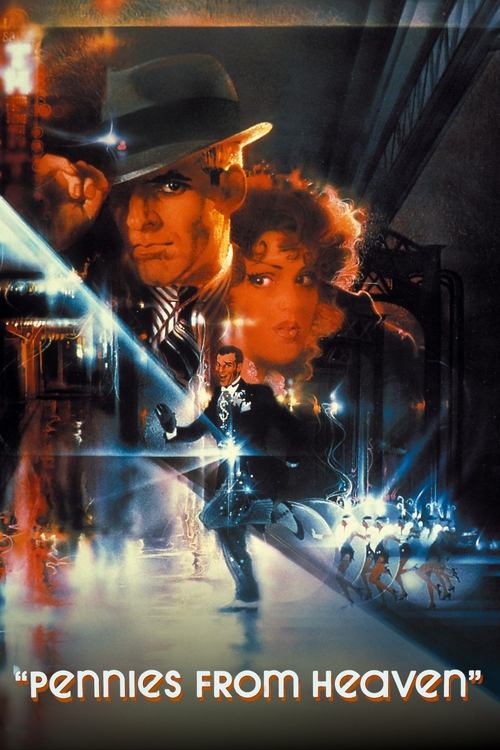
Pennies from Heaven1981
Both are about a woman weighing romantic options while a man waits—but this one understands that any choice is also a goodbye. It's the same structure grown into something rueful.
Steve Martin and Bernadette Peters in a Depression-era musical that looks back at 1950s romantic comedies with genuine tenderness and sadness. It's what happens when you make the same story for adults who understand that choosing requires loss. The fantasy sequences are extraordinary.
But It's melancholic in ways the film you're watching never is, and it doesn't resolve cleanly. If you want escapism, this movie insists on the cost of choosing.
More like this (8)
It Happened One Night1934
The template for romantic screwball comedy. Sharp dialogue, real chemistry between leads, and a plot that turns on character and choice rather than just circumstance. Every romance that came after learned from this.
But The pacing is slower than modern film, and some sexual politics feel dated even for the 1930s. Black and white might feel like work if you're in the mood for Technicolor.

Breakfast at Tiffany's1961
Audrey Hepburn as a woman running from commitment and expectation, figuring out who she is and what she actually wants. It has the same era charm as your film but with more melancholy and real emotional stakes underneath the glamour.
But It's primarily a character study, not a romantic comedy. And George Peppard's subplot is genuinely uncomfortable by modern standards, which the film doesn't acknowledge.

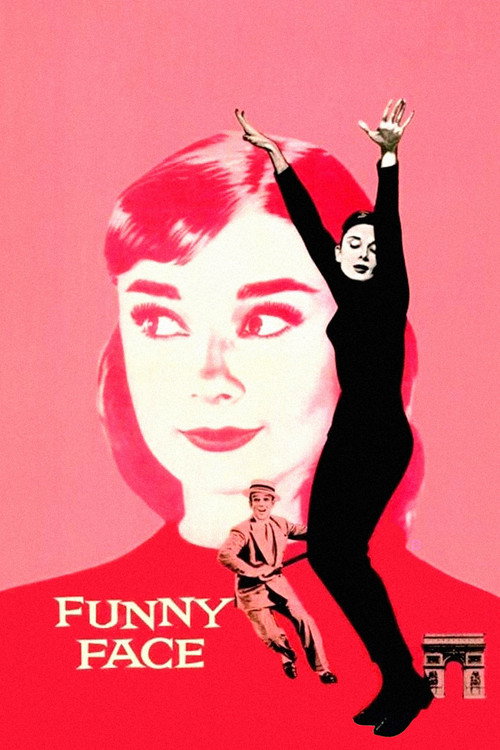
Funny Face1957
Audrey Hepburn and Fred Astaire dancing and sparring, with actual intelligence in the script. The musical numbers are genuinely inventive, and there's a real tension between romantic destiny and personal independence.
But The setup—Hepburn's character is intellectually bullied into becoming a model—can feel gross. And Astaire, despite being wonderful, is noticeably older than his leading lady in a way the film doesn't address.
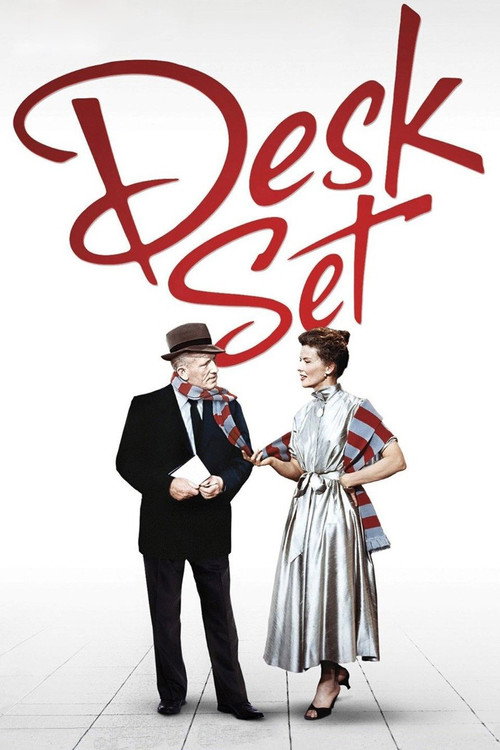
Desk Set1957
Katharine Hepburn and Spencer Tracy sparring over whether a computer will replace human intelligence. It's sophisticated romantic comedy where both characters have actual stakes and neither gives in. Sharp, funny, genuinely about something.
But It's primarily a battle of wills rather than a love story, so if you want romance as the engine, this moves sideways. And the film is genuinely period-locked in its assumptions about work and gender.
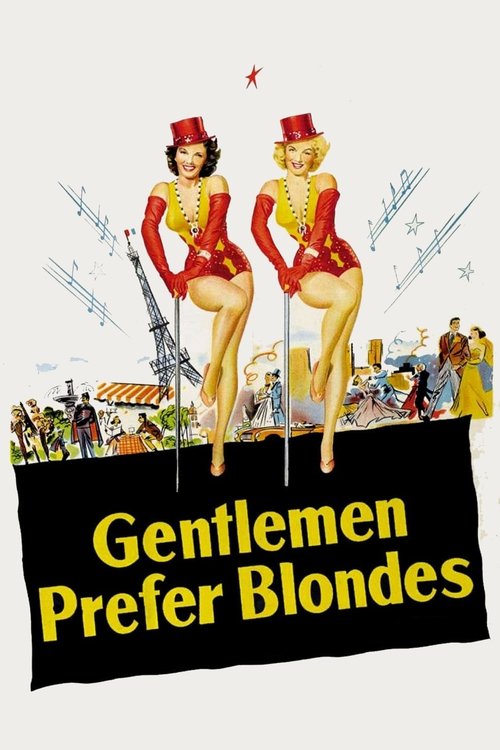
Gentlemen Prefer Blondes1953
Marilyn Monroe and Jane Russell in a witty, self-aware comedy about women who know exactly what they're doing and refuse to apologize for it. It's fun, it's smart, and it completely understands itself.
But Monroe's fame can overshadow everything else. If you want a proper ensemble piece, her star power flattens the dynamics despite the script's intentions.
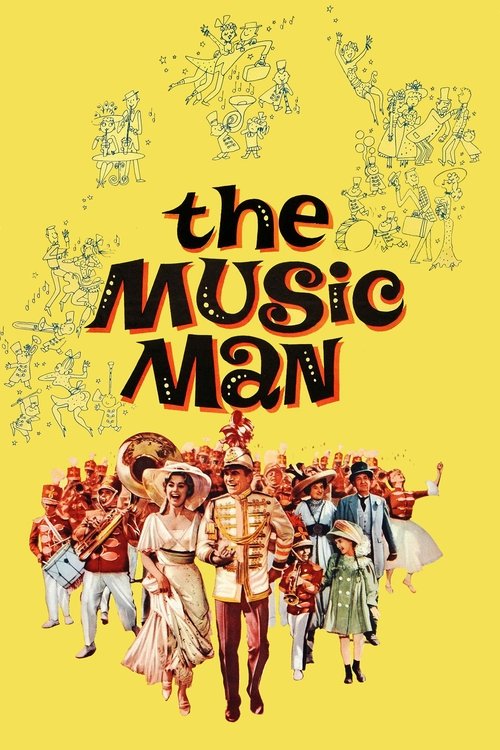
The Music Man1962
Robert Preston and Shirley Jones in a musical about courtship and con artistry. The music is excellent, the leads have genuine chemistry, and the script finds real character beats under the charm.
But It's quite long and theatrical in its pacing, which can feel mannered. The small-town wholesomeness can cloy if you're in a less earnest mood.
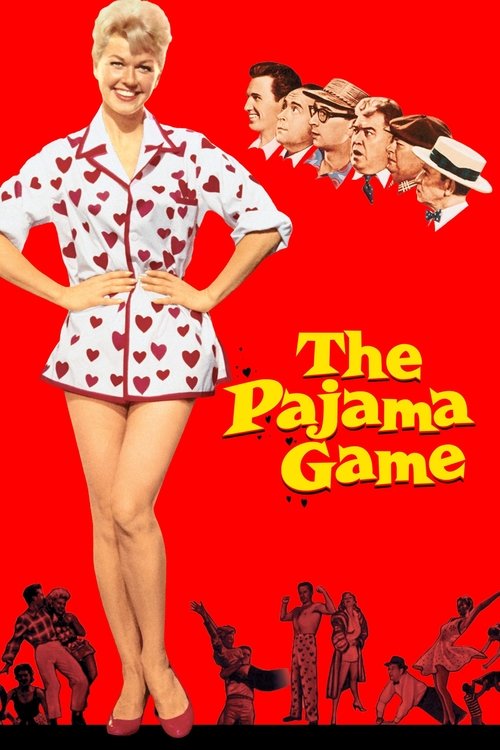
The Pajama Game1957
Both feature Jane Powell–era musicals about normal people choosing between options, but this one makes the choice about values rather than just vibes. Same era, same energy, completely different weight.
Doris Day and John Raitt in a musical about labor and love, where the romantic plot actually serves a theme about fairness and integrity. The choreography is athletic, the songs are genuinely catchy, and it trusts its audience to care about workplace politics.
But It's very much a union organizer's fantasy, and if labor issues bore you, the plot will too. The tone is relentlessly upbeat even when discussing conflict.
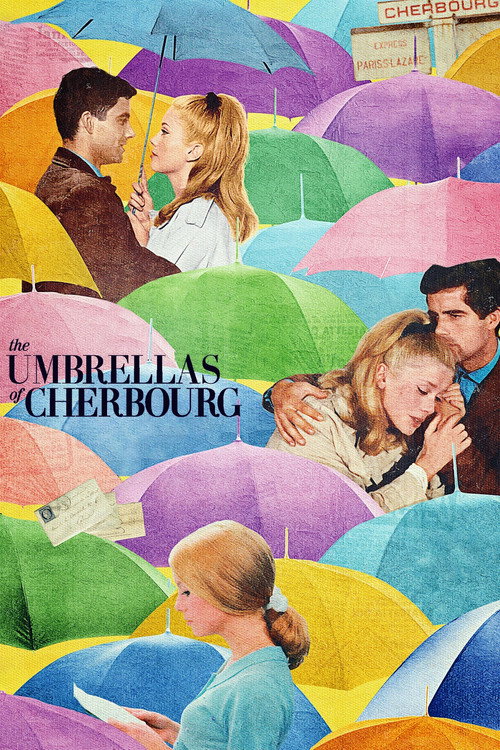
The Umbrellas of Cherbourg1964
Same story—a woman choosing between loves—but this one understands that getting what you want can mean losing what matters. It's the same premise asking the hard question beneath all romantic comedies: what are you actually choosing when you choose?
Jacques Demy's ravishing French musical follows a young woman torn between two men she loves, actually letting her choose and then sitting with the consequences. It's painted in candy colors like your film, but the emotional truth underneath is austere and real. One of the most heartbreaking films ever made about the cost of choice.
But It's in French with subtitles, and it is actively, deliberately sad. If you're watching to escape, this reminds you that love involves loss, and it does not pretend otherwise.
People
Cast
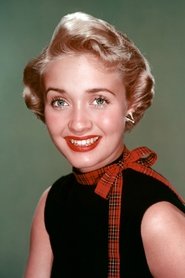 Jane PowellDodie
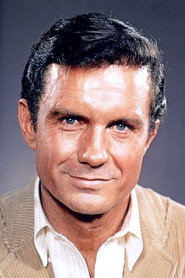 Cliff RobertsonPete
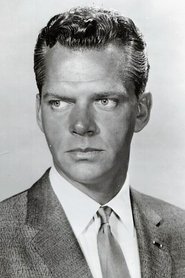 Keith AndesNeil Patterson, Jr.
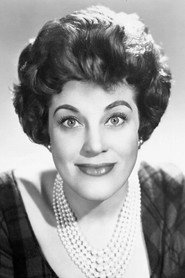 Kaye BallardMarge
 Tommy NoonanBuzz
 Una MerkelMother
- Kelly BrownSam Kelsey
 Judy NugentPauline
 Frank CadyPop
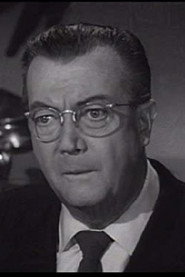 Joseph KearnsMr. Schlom, Bank Manager
- Rodney BieberDancer
Recommended by
Gentlemen Prefer Blondes, Get Yourself a College Girl, Gentlemen Marry Brunettes