
Film
The Umbrellas of Cherbourg
Every line of dialogue is sung, but there's no big dance number, no jazz hands — just Michel Legrand's aching, circling melody carrying two young lovers through separation, pregnancy, and the slow arithmetic of practicality winning over passion. Deneuve, 20 and impossibly lovely, plays a girl choosing security over love in a France still bruised by war. It's gorgeous, deliberately artificial, and genuinely heartbreaking.
If you liked this
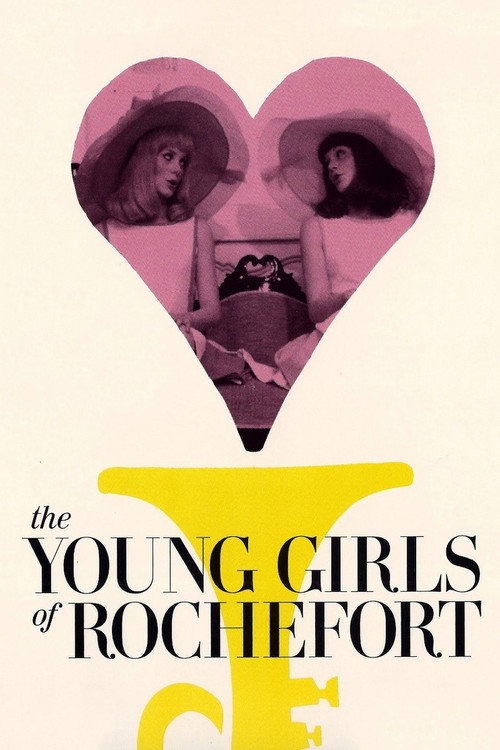
The Young Girls of Rochefort1967
Demy's own sunlit answer to his own heartbreak — same director, same Deneuve, this time paired with her real sister Françoise Dorléac, dancing instead of drowning. If you want the joy Umbrellas withholds, this is where it lives.
But It's frothier and less devastating — if you came for tragedy, this is candy-colored comfort instead.
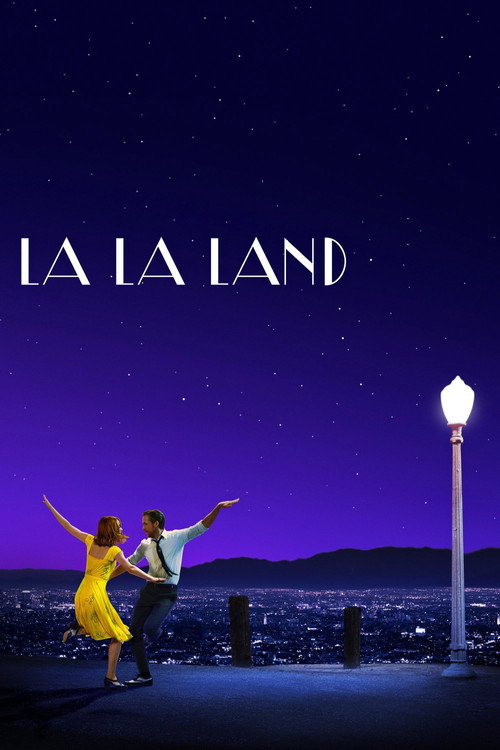
La La Land2016
Damien Chazelle has openly cited Demy as his blueprint, and it shows — the saturated colour, the bittersweet ending, the sense that love and ambition can't always share the same room.
But Modern and glossy where Umbrellas is strange and operatic — the singing is more Broadway, less continuous melody.
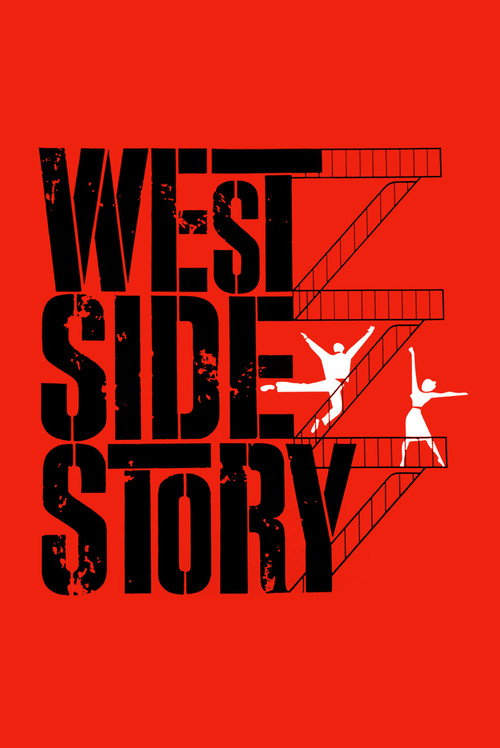
West Side Story1961
Another tragic romance told partly through song, where circumstance — not villainy — is what tears the lovers apart. The dancing is bigger, the stakes higher, but the ache is the same.
But It's a full-blown song-and-dance spectacle with big dance numbers, not the hushed, painterly chamber piece Umbrellas quietly is.
The wildcard
Something you would not have found on your own.
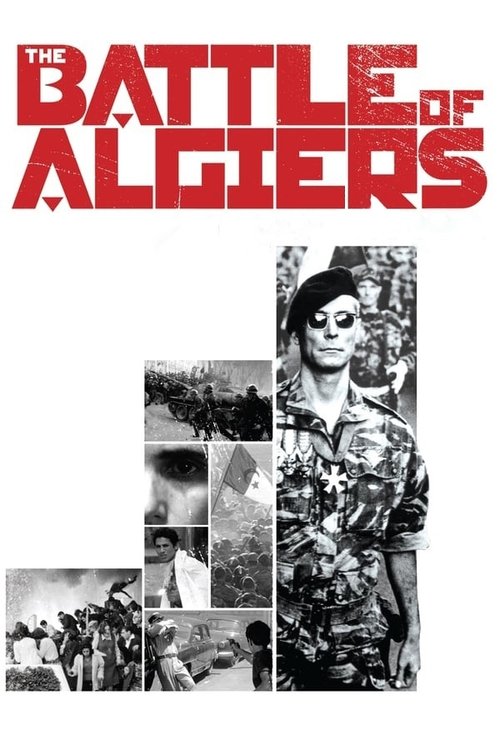
The Battle of Algiers1966
Guy disappears offscreen into the Algerian War for two years while Geneviève's story continues in colour and song; this is the war itself, shot like raw documentary footage, with no music at all.
This is the conflict that swallows Guy for two years, seen from the other side entirely — the war Umbrellas keeps just offscreen, filmed with newsreel urgency and moral fury.
But Grim, tense, and politically unsparing — nothing sung, nothing soft, the opposite of comfort viewing.
More like this (8)
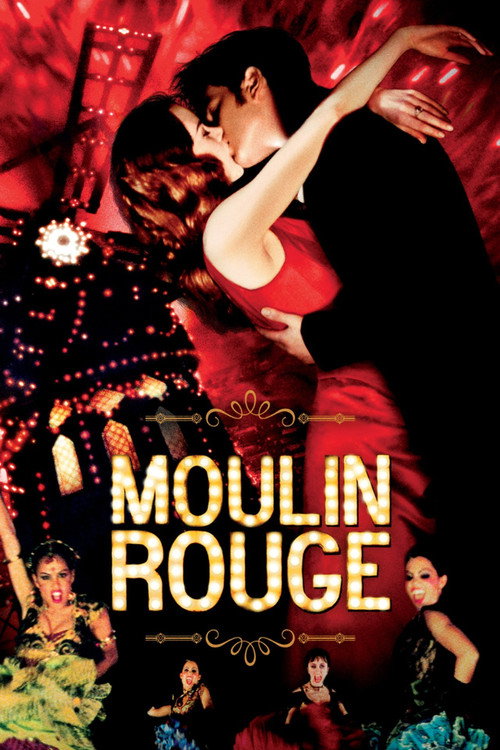
Moulin Rouge!2001
Baz Luhrmann turns tragic romance into pure sensory overload — jukebox songs, breakneck editing, and a doomed love story that, like Guy and Geneviève's, can't survive the world outside the room.
But Loud, maximalist, and pop-scored where Umbrellas is quiet and classically composed — almost the opposite temperament.
Les Misérables2012no page yet
Another film where every word is sung, no spoken dialogue at all — a rare structural cousin. If Umbrellas made you curious what sustained musical storytelling can do, this pushes it further.
But Bigger, bloodier, and belted rather than sung with restraint — a very different emotional register.
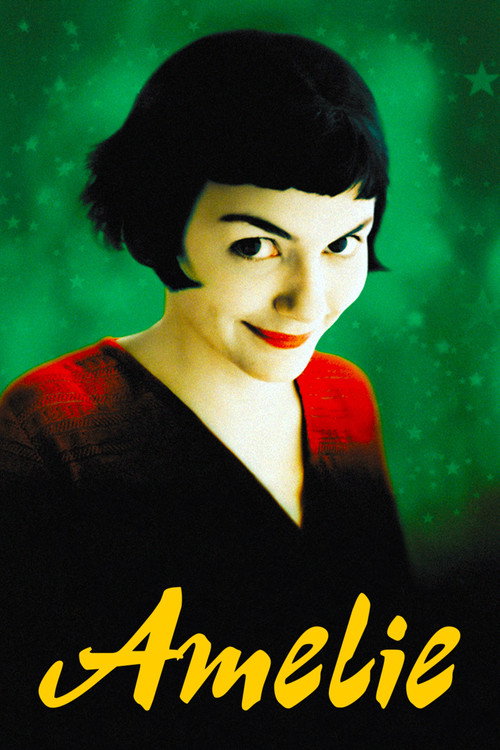
Amélie2001
For the same saturated Parisian colour palette and heightened emotional artifice, minus the tragedy — a warm, whimsical companion piece if you want France without the heartbreak.
But It's whimsical rather than heartbreaking — a much gentler ride with a guaranteed happy ending.
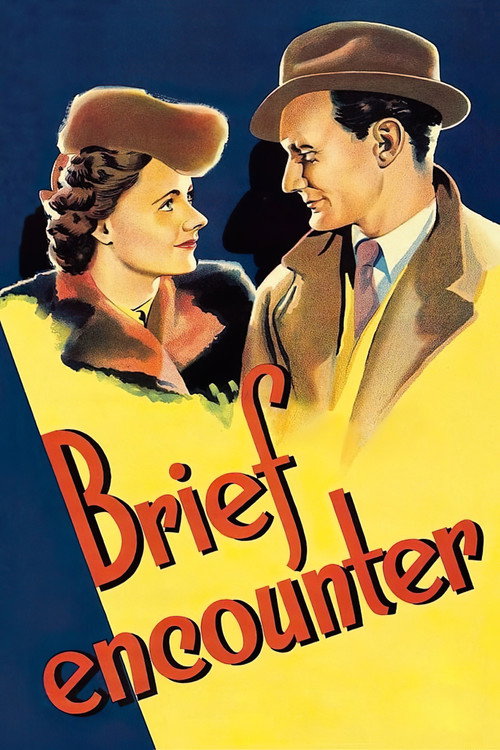
Brief Encounter1945
British restraint instead of French melody, but the same devastating math: love that arrives at the wrong moment, and the quiet grief of choosing duty over it.
But No music, no colour, just clipped English voices and a train station — a much colder, quieter film.
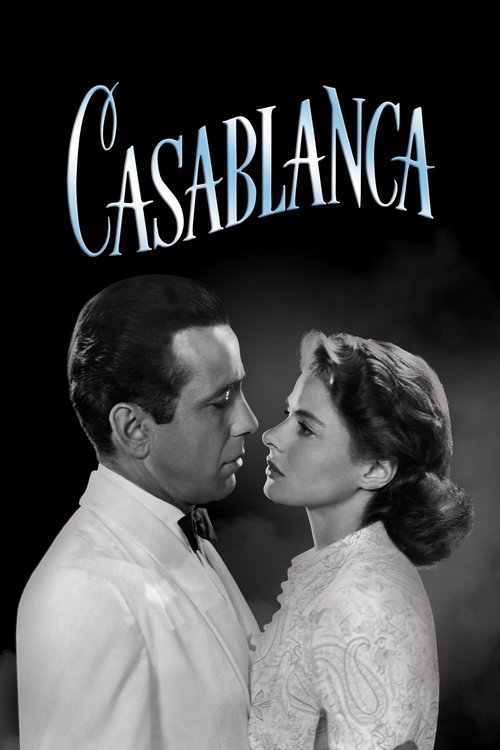
Casablanca1943
The template for star-crossed lovers separated by war and forced into impossible choices — Umbrellas owes it a real debt, even in a completely different key.
But Black-and-white Hollywood classicism, not French pop-opera — the tone is wartime noir, not candy-coated melancholy.
A Man and a Woman1966no page yet
For more French romance shot with the same sensual, painterly eye — this one's about love arriving late, after loss, rather than being cut short by circumstance.
But Slower and more meditative, with almost no plot momentum — patience required, no umbrella-shop stakes.
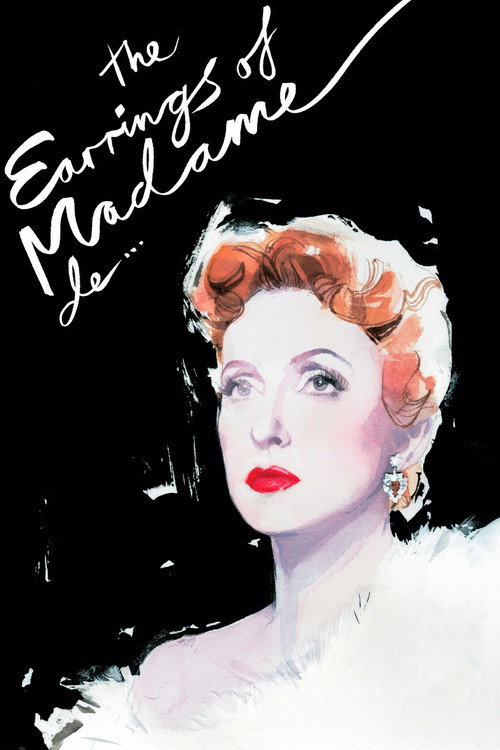
The Earrings of Madame de...1953
Same quiet tragedy of a woman choosing a marriage of convenience over real feeling, told a decade earlier in glittering black-and-white long takes instead of colour and song.
Max Ophüls' elegant, circling camera follows a woman trapped by the same impossible math Geneviève faces — love versus security — a decade before Demy, in aching monochrome instead of colour.
But No music at all, and the pace is stately — this is old-fashioned elegance, not pop melodrama.
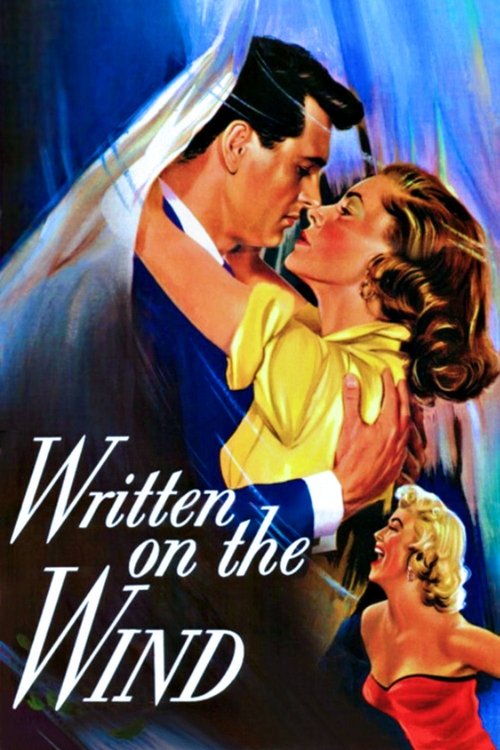
Written on the Wind1956
Sirk's Technicolor melodrama shares the saturated, almost hallucinatory colour palette and heightened emotion, but pushes it into full American soap-opera trash — the same visual language turned up loud.
Douglas Sirk's lush, oversaturated melodrama runs on the same operatic emotion and candy colour as Umbrellas, but trades restraint for full Texan soap-opera excess — oil money, jealousy, ruin.
But It's melodrama with a capital M — overwrought, unsubtle, and gleefully trashy where Demy stays composed.
People
Cast
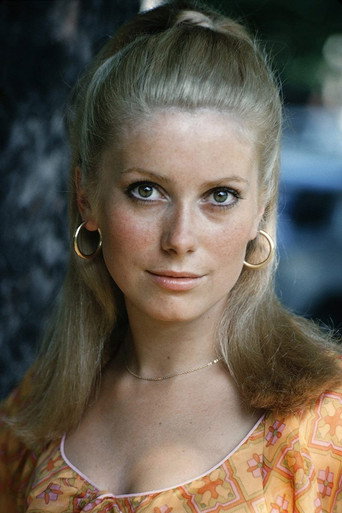 Catherine DeneuveGeneviève Emery
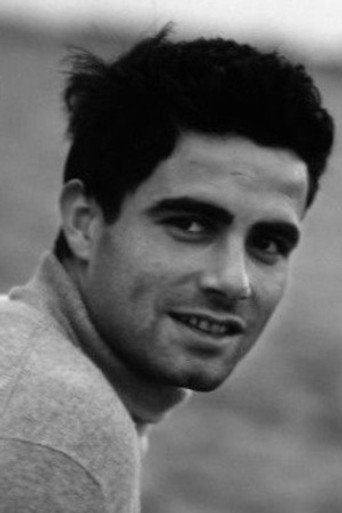 Nino CastelnuovoGuy Foucher
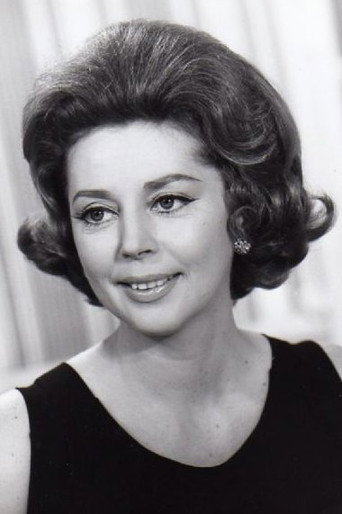 Anne VernonMadame Emery
- Mireille PerreyTante Élise
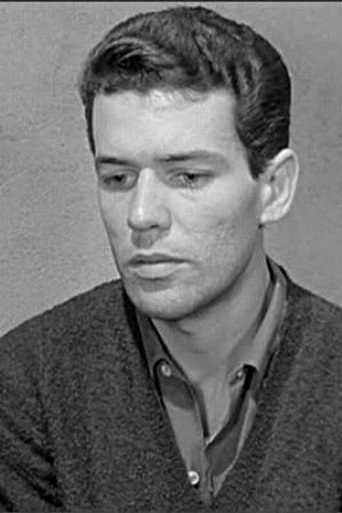 Marc MichelRoland Cassard
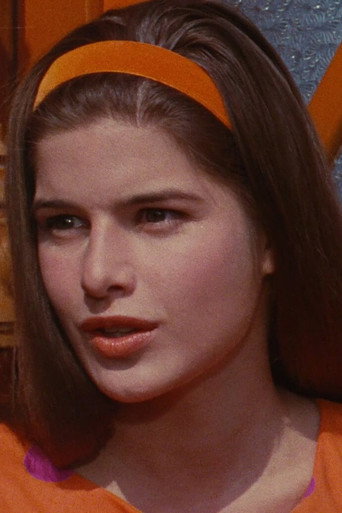 Ellen FarnerMadeleine
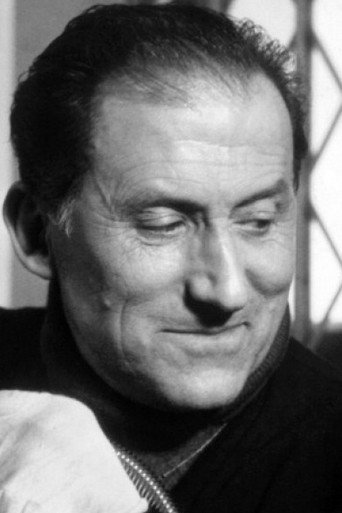 Jean ChampionAubin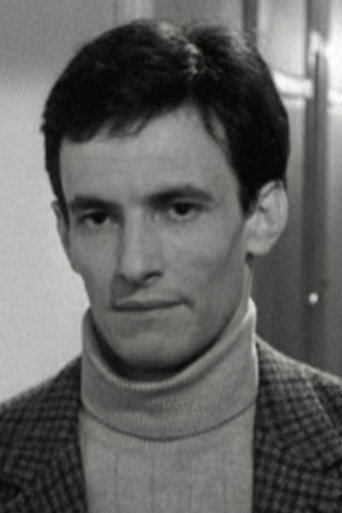
- Harald WolffMonsieur Dubourg
- Pierre CadenBernard
- Bernard FradetGas Station Apprentice
- Michel BenoistUmbrella Buyer
Directing
- Jean-Paul SavignacAssistant Director
- Klaus Müller-LaueAssistant Director
- Jacques DemyDirector
- Annie MaurelScript Supervisor
- André FlédérickSecond Assistant Director
Writing
- Jacques DemyDialogue
- Jacques DemyLyricist
- Jacques DemyScenario Writer
- Jacques DemyScreenplay
- Jacques DemyWriter
Production
- Paul VidelierAccountant
- Charles ChieusseLocation Manager
- Gilbert de GoldschmidtProducer
- Mag BodardProducer
- Pierre LazareffProducer
- Charles ChieusseProduction Manager
- Philippe DussartProduction Manager
- Jeanne Marie OlivierProduction Secretary
- Rhona KanePublicist
- Maurice UrbainUnit Production Manager
Recommended by
Children of Paradise, Top Hat, Gigi, La La Land, Cold War, Cléo from 5 to 7, Stolen Kisses, Pierrot le Fou, The Young Girls of Rochefort, Jules and Jim