
Film
The Story of Vernon and Irene Castle
Fred Astaire and Ginger Rogers glide through this 1939 biopic of the real ballroom dancers who defined early-twentieth-century elegance. It's a love story told through dance, intimate and witty rather than lavish, built around the genuine chemistry between its stars. For anyone who believes dancing can say what words cannot, or who simply wants to watch two people move together in perfect accord.
If you liked this
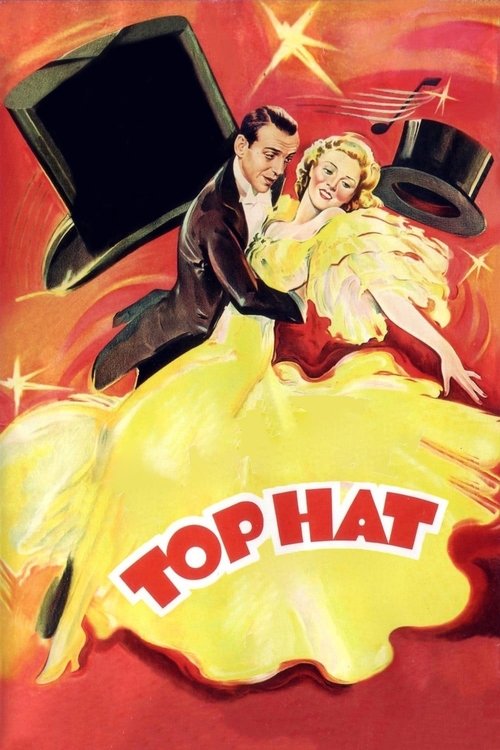
Top Hat1935
Astaire and Rogers at their peak, dancing through elaborate Art Deco sets with impeccable timing and joy. The 'Cheek to Cheek' number alone justifies the evening, but the whole film crackles with invention.
But The plot is tissue-thin and the romantic misunderstandings feel ancient. If you need narrative substance alongside your spectacle, this won't provide it.
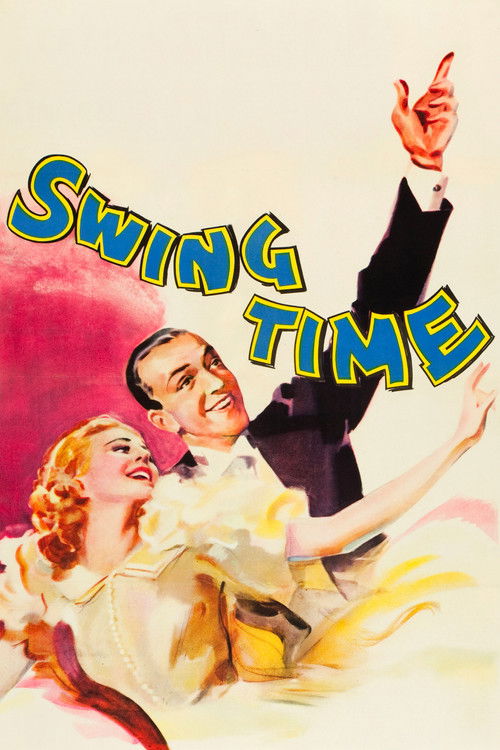
Swing Time1936
Their most dramatically complex pairing: Rogers gets real character work, and Astaire's dancing ranges from playful to genuinely expressive. The 'Never Gonna Dance Again' sequence is devastating.
But It's a long film that meanders. The comedy subplots drag, and some of the gender dynamics feel uncomfortably dated even now.
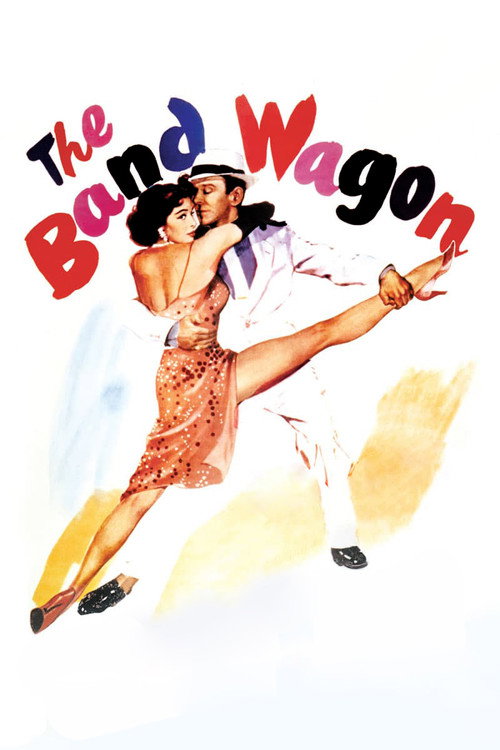
The Band Wagon1953
Astaire with Cyd Charisse, dancing on a painted stage floor and through the actual New York streets. It's about the joy of making art, the backstage world, and choreography that still looks impossible.
But The meta-theatrical framing device is clumsy, and some musical numbers outstay their welcome. It's more interested in dancing than in getting anywhere fast.
Not sure tonight? Get a pick in a minute, starting from The Story of Vernon and Irene Castle
The wildcard
Something you would not have found on your own.
The Red Shoes1948
Both are structured around real dancers living a life defined by their bodies and partnership. But where Castle is sunny and romantic, The Red Shoes is dark: it shows what that life costs.
Powell and Pressburger's obsession with dance taken to surrealist heights: a ballet dancer torn between love and art, told through a 20-minute sequence of pure choreography. It's opera for dancers and dancers for film-makers.
But It's slow-building and its central moral argument—that women must choose between love and ambition—is genuinely uncomfortable. The ending is grim and uncompromising.

More like this (7)
Singin' in the Rain1952
Gene Kelly, Donald O'Connor, and Debbie Reynolds in what many call the greatest musical ever made. The title number is euphoric, but the whole film is constructed with architectural brilliance.
But It's deeply of its era—the tone ranges from syrupy to occasionally uncomfortable about women. If you need a modern sensibility, this isn't it.

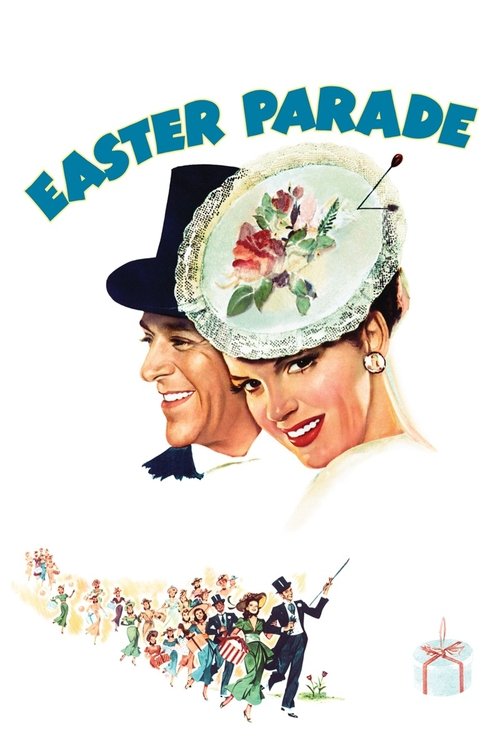
Easter Parade1948
Astaire and Judy Garland, lighter and more romantic than the Rogers films, with Irving Berlin songs that burrow into your head. It's a tonic: pure entertainment with heart underneath.
But The plot is negligible even by musical standards. There's almost nothing here but style and charm, which some will find insubstantial.
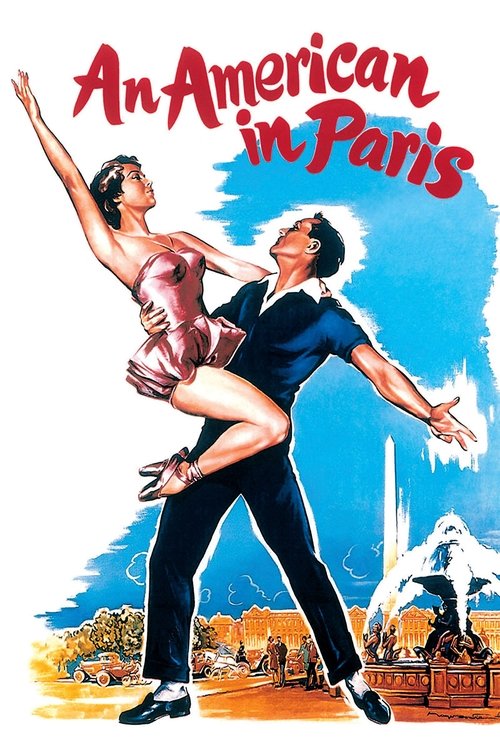
An American in Paris1951
Gene Kelly in post-war Paris, dancing with Leslie Caron through sets that look like Impressionist paintings. The final ballet sequence is audacious and genuinely romantic.
But The romantic lead is passive and reactive. The film's charms are visual and musical; if those don't move you, there's little underneath.
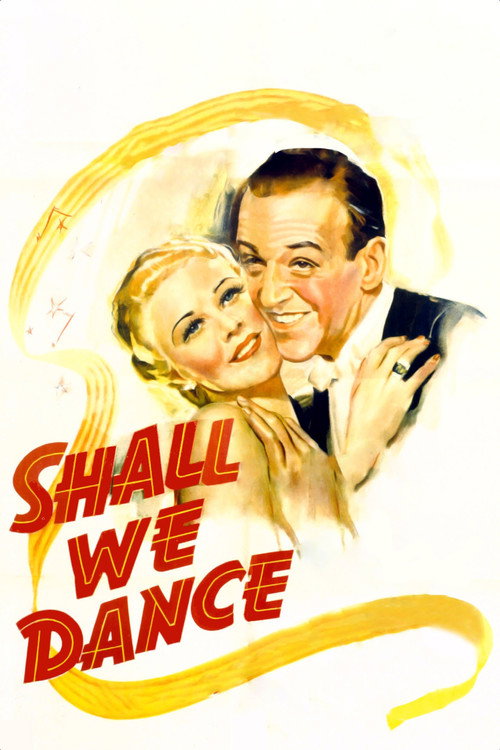
Shall We Dance1937
Astaire and Rogers in a story that actually explores how dancing together creates intimacy. The final sequence on ocean liners is exuberant, and the dancing feels earned.
But The opening act is slow and the early comedy laboured. You have to wait for the dance sequences to arrive, and they're worth it—but the wait tests patience.
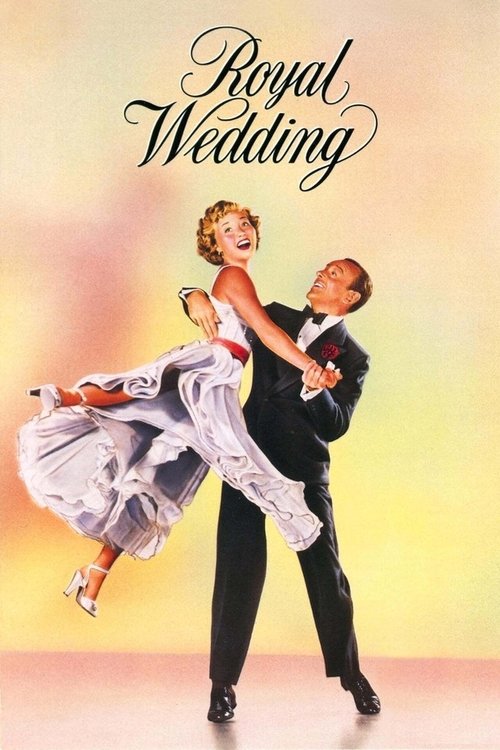
Royal Wedding1951
Astaire and Jane Powell, lighter and more whimsical than his Rogers films. There's a famous sequence where he dances on the walls and ceiling that demonstrates pure technical joy.
But It's substantially less narrative substance than most musicals. Powell is charming but limited, and some of the broad comedy feels strained.
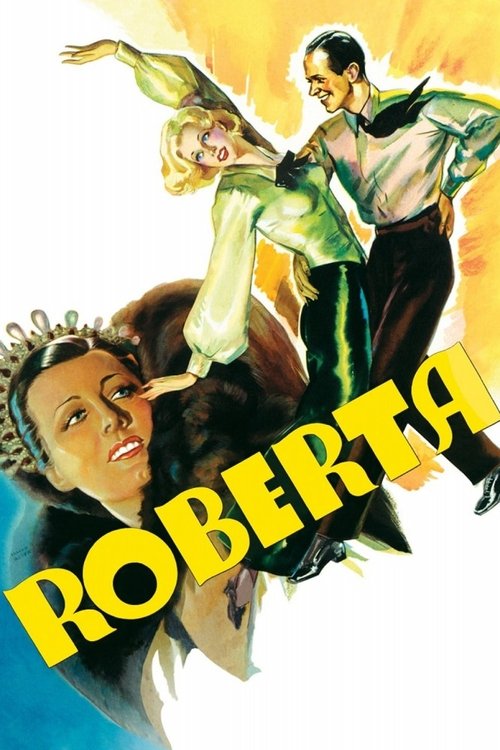
Roberta1935
Astaire and Rogers in the world of fashion design, with a plot that at least pretends to matter. The 'Let's Begin' number and Rogers in a gown are memorable, and Astaire's solo work is sharp.
But The film is scattered and the romantic plot genuinely muddles. It stops dead for a fashion show that has nothing to do with the story.
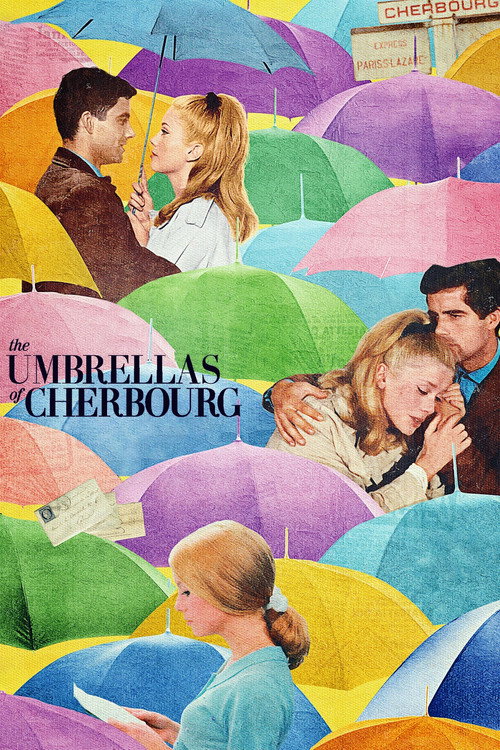
The Umbrellas of Cherbourg1964
Both believe that dance and song can express what dialogue cannot, and both use colour and design to create a world where emotion is the only reality. But Castle is about real people finding happiness; Cherbourg is a fever dream about impossible love.
Demy's musical shot entirely in colour so vivid it seems invented, with Catherine Deneuve and Jacques Demy dancing through a pastel seaside town. Every frame is composed like a painting, and the music by Michel Legrand is unforgettable.
But It's French and self-consciously artificial; if you need realism or grit, this aesthetic will feel suffocating. The plot is slight and the ending is deliberately bittersweet rather than happy.
People
Cast
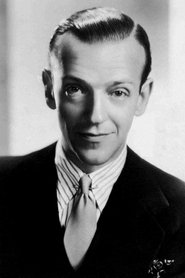 Fred AstaireVernon Castle
 Ginger RogersIrene Castle
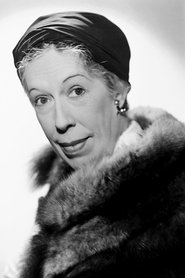 Edna May OliverMaggie Sutton
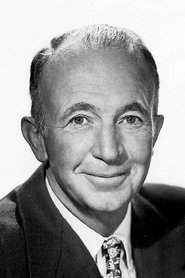 Walter BrennanWalter
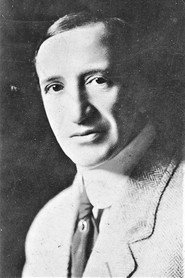 Lew FieldsLew Fields
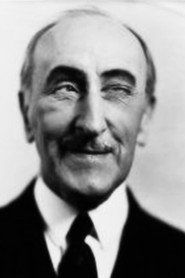 Etienne GirardotPapa Aubel
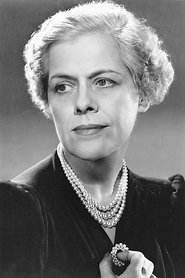 Janet BeecherMrs. Foote
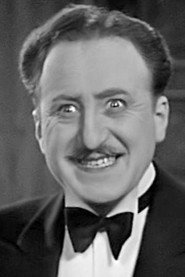 Rolfe SedanEmile Aubel
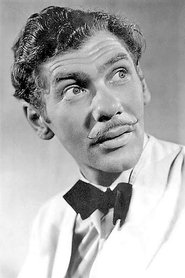 Leonid KinskeyArtist
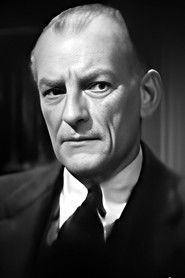 Robert StrangeDr. Foote
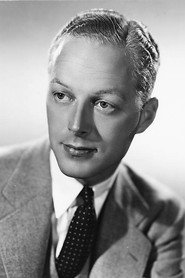 Douglas WaltonStudent Pilot
- Clarence DerwentPapa Louis
Directing
- W. Argyle NelsonAssistant Director
- H. C. PotterDirector
Writing
- Dorothy YostAdaptation
- Oscar Hammerstein IIAdaptation
- Richard ShermanScreenplay
- Irene CastleStory
Production
- Pandro S. BermanExecutive In Charge Of Production
- George HaightProducer