
Film
Shall We Dance
Other titles called Shall We Dance: the 1996 film, the 2004 film.
- Romantic comedy
- Light-hearted
Fred Astaire and Ginger Rogers dance their way through a witty romantic comedy about a rumour of secret marriage that takes on a life of its own. It's effortlessly charming, built on sparkling dialogue and the pair's magnetic chemistry, with dance numbers that feel like dialogue themselves. For anyone who thinks old Hollywood is stuffy or slow—this is the corrective.
Should you watch it?
Watch it if you adore screwball-era romance where the banter is as lithe as the footwork, and a flimsy misunderstanding becomes an excuse for elegant, sparkling numbers.
Skip it if the plot is a thin pretext for the dancing, and if 1930s studio pacing and a gossip-driven misunderstanding feel creaky rather than charming, this will test your patience.
What it asks of you: an unhurried pace at just under two hours, with long, stylised musical sequences that favour movement over plot, so settle in and let the rhythm carry you.
Not sure? Find tonight's pick in a minute.
If you liked this
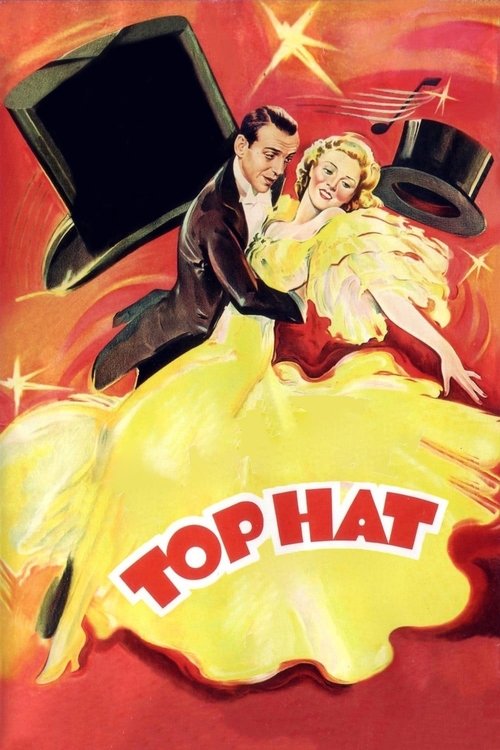
Top Hat1935
The Astaire-Rogers template at its most perfectly balanced: glamorous sets, a misunderstanding that drives the plot, and a 'Cheek to Cheek' tap number that defines the era. This is what everyone means when they praise their partnership.
But If you find 1930s pacing sluggish, the first half moves like a drawing-room play before the dancing starts. Black and white, no colour.
Singin' in the Rain1952
Gene Kelly and Donald O'Connor achieve what Astaire and Rogers perfected: making dancing feel like storytelling. The title number is transcendent, and the film bursts with joy and invention in ways that feel completely modern.
But The plot about silent films transitioning to sound is thin. If you're here for emotional depth, you'll leave hungry.

Breakfast at Tiffany's1961
Audrey Hepburn and the Manhattan glamour that Astaire and Rogers made iconic, but from the opposite angle—scruffier, cooler, and willing to be about actual human mess beneath the sophistication. Henry Mancini's score is a masterpiece.
But It's uneven—magical in patches but padded elsewhere. The racial caricature subplot is painful and indefensible, jarring against the film's brightness.

Not sure tonight? Get a pick in a minute, starting from Shall We Dance
The wildcard
Something you would not have found on your own.
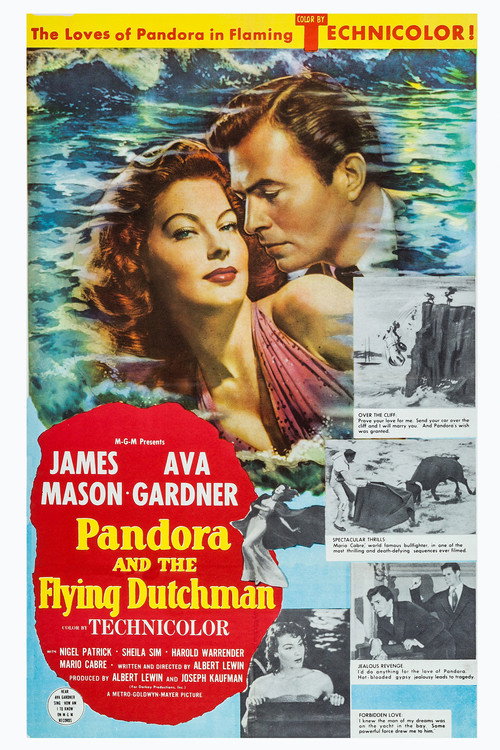
Pandora and the Flying Dutchman1951
Both films use romance and misunderstanding as a structure for exploring what people want from each other, but Pandora is intoxicated by yearning where Shall We Dance is giddy about connection. One is spiritual doubt in evening dress; the other is a dance.
A ravishing colour film about a woman caught between two men on the Mediterranean, built entirely on romantic atmosphere and beautiful surfaces—it looks like a Matisse painting moving. Ava Gardner and James Mason are hypnotic. It asks the same question Astaire and Rogers circled: what is love actually for?
But It's slowly paced and not concerned with plot clarity. Viewers who need narrative momentum or emotional realism will find it frustrating—it's a dream, not a story.
More like this (6)
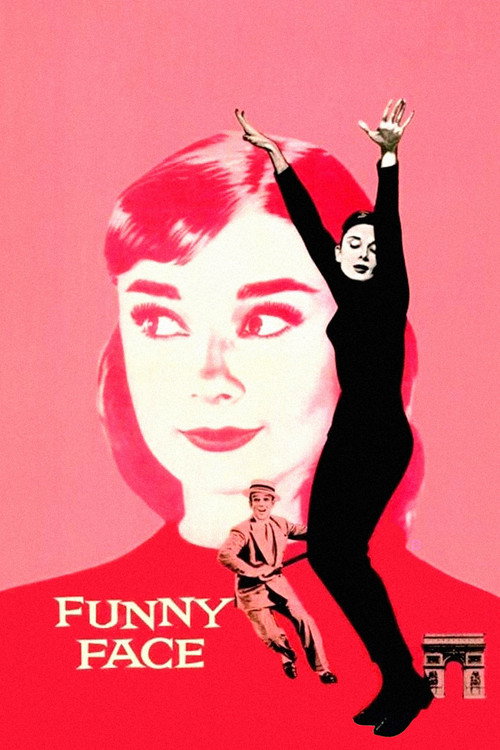
Funny Face1957
Astaire again, partnered with Audrey Hepburn this time, in a film that knows it's playing with glamour and artifice. Paris, haute couture, a philosophical bookworm becoming a model—it's frothy but smart, and the dancing is still immaculate.
But The gender dynamics are dated in ways that feel more uncomfortable than Shall We Dance. Some numbers drag; the film runs out of momentum in its second half.
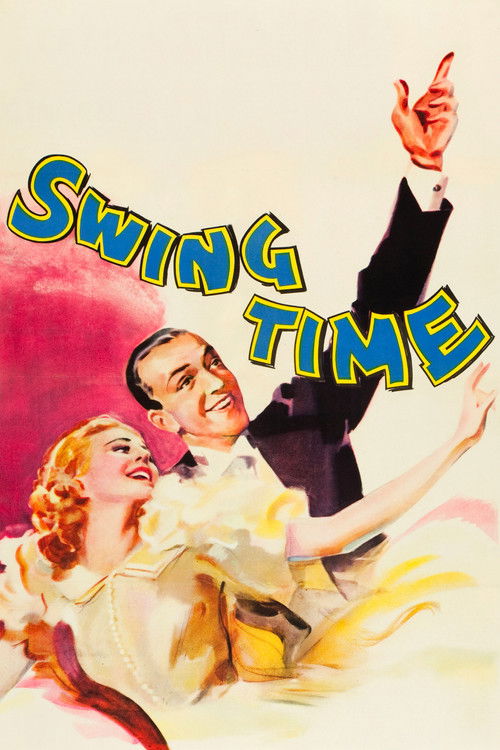
Swing Time1936
Astaire and Rogers at peak chemistry, with more plot than the films around it and some genuinely moving moments. 'Never Gonna Dance Again' is devastating. Jerome Kern's score lifts everything it touches.
But It's long and sometimes repetitive—five plot threads when two would do. The racial jokes that were normal in 1936 are ugly and disruptive now.
The Philadelphia Story1940
Cary Grant, Katharine Hepburn, and James Stewart trade dialogue like they're playing tennis. It's the smart-people's romantic comedy: witty without trying, romantic without sentiment, and endlessly quotable. A complete film.
But The tone is ice-cold—you're not meant to feel much, just admire the sharpness. Some find that emotionally distant. The ending skates over genuine problems.

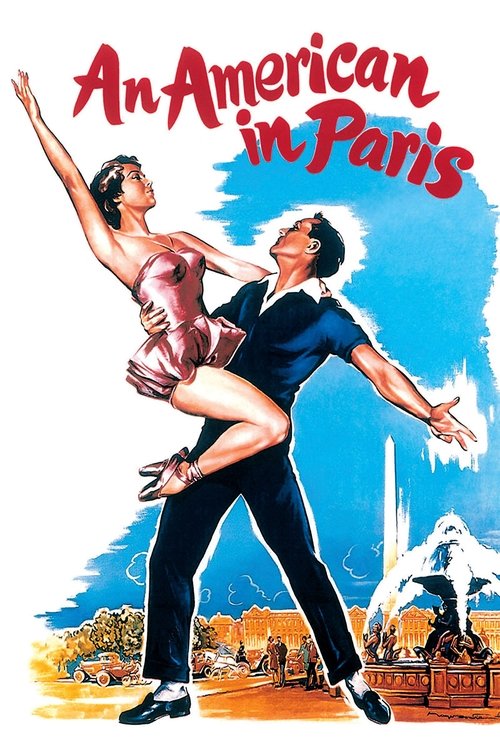
An American in Paris1951
Gene Kelly in Paris after the war, with Gershwin's music and a virtuoso ballet sequence that changed what movies thought dance could be. The production design is ravishing. It's romantic without being sticky.
But The 17-minute ballet is gorgeous but stops the film dead. If you want plot momentum, you won't find it here. The love triangle is perfunctory.
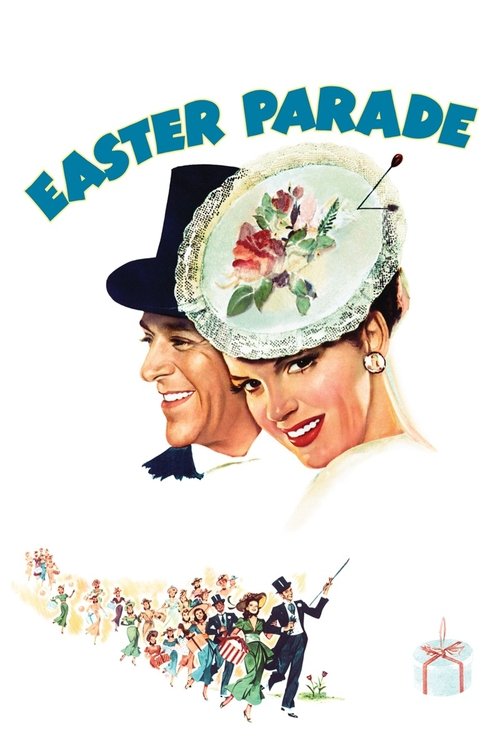
Easter Parade1948
Astaire and Judy Garland instead of Rogers, dancing through New York and a love story that grows out of friendship. It's gentler and more melancholic than Shall We Dance, with real feeling underneath the spectacle.
But The dancing is slightly less dazzling than his best work. The film meanders—it's episodic and sometimes feels like a collection of numbers rather than a story.
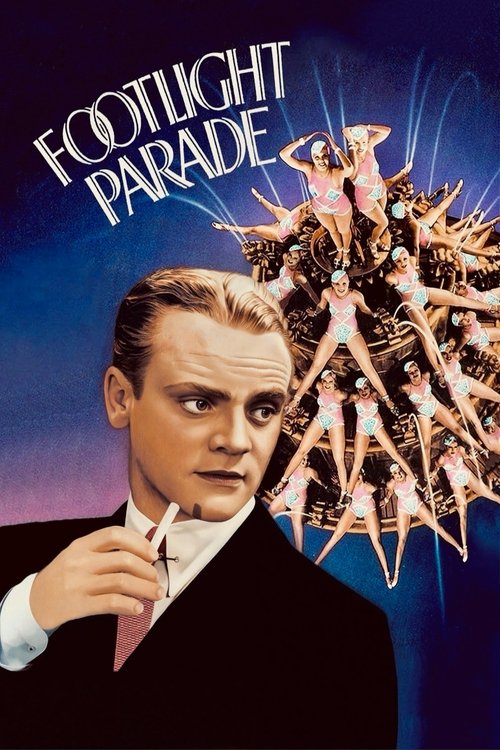
Footlight Parade1933
James Cagney tap-dancing (yes, really) through a backstage musical with Busby Berkeley's jaw-dropping choreography. It's energetic and inventive, with a plot that actually propels you forward and numbers that still astonish.
But Dated in its racial and sexual attitudes—painful to watch in places. At 104 minutes it occasionally feels it, though it moves better than most films of the era.
People
Cast
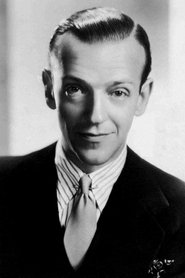 Fred AstairePetrov
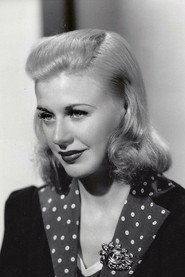 Ginger RogersLinda Keene
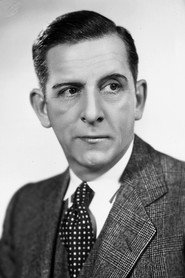 Edward Everett HortonJeffrey Baird
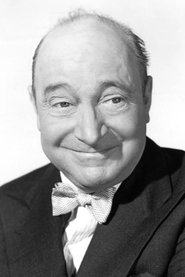 Eric BloreCecil Flintridge
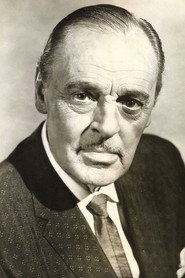 Jerome CowanArthur Miller
 Ketti GallianLady Tarrington
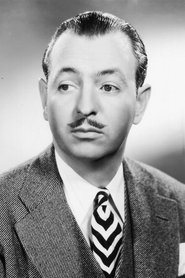 William BrisbaneJim Montgomery
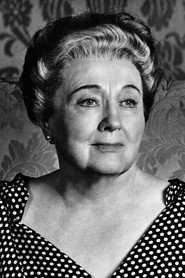 Ann ShoemakerMatron
 Harriet HoctorBallet Dancer
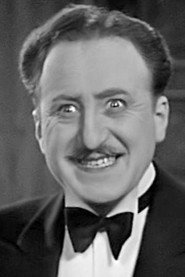 Rolfe SedanBallet Master (uncredited)
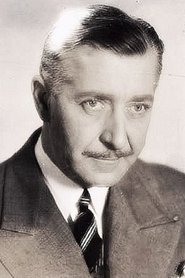 Richard TuckerMr. Russell (uncredited)
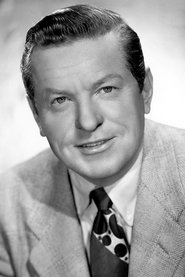 Ben AlexanderEvans (uncredited)
Directing
- Mark SandrichDirector
Writing
- P.J. WolfsonAdaptation
- Ira GershwinLyricist
- Allan ScottScreenplay
- Ernest PaganoScreenplay
- Harold BuchmanStory
- Lee LoebStory
Production
- Pandro S. BermanProducer
Recommended by
Top Hat, The Gay Divorcee, Holiday Inn, Roberta, Flying Down to Rio, The Barkleys of Broadway, Sun Valley Serenade, Sweethearts, Broadway Melody of 1936, The Story of Vernon and Irene Castle