
Film
Shall We Dance?
Other titles called Shall We Dance?: the 1937 film, the 2004 film.
- Dance musical
- Light-hearted
A middle-aged accountant falls into ballroom dancing through infatuation, then discovers an unexpected passion. Masayuki Suo's film is warm and gently funny, a portrait of desire and transformation that never feels small. It's for anyone who's ever wanted something badly enough to hide it, and anyone who trusts that desire can lead somewhere true.
If you liked this
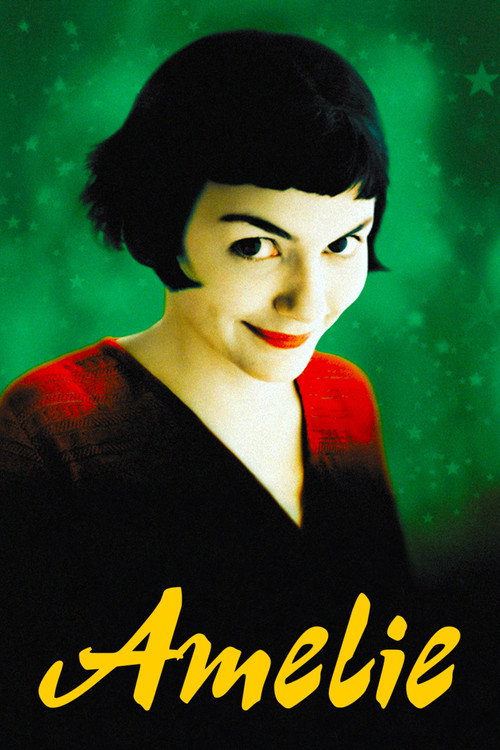
Amélie2001
Another film about small transformations and secret longings, played with whimsy and genuine heart. Montmartre and Tokyo ballrooms share an enchanted quality, and both protagonists are observers who learn to live.
But The whimsy can feel mannered if you're impatient with it. Some find its tone precious rather than charming.
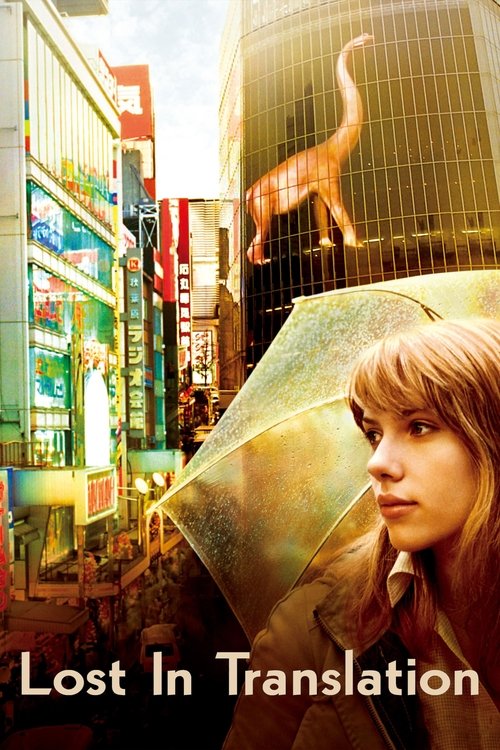
Lost in Translation2003
Bill Murray and Scarlett Johansson drifting through Tokyo, lonely and tentatively finding connection. Like Shall We Dance, it's about desire expressed quietly, through presence and small gestures rather than declaration.
But Almost nothing happens. If you need plot momentum rather than mood and observation, you'll find it glacial.
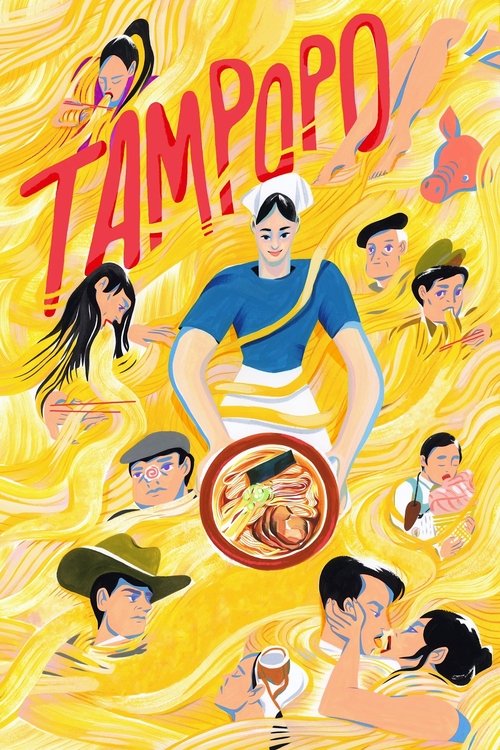
Tampopo1985
Juzo Itami's eccentric, joyful film about obsession and mentorship—a truck driver becomes a ramen master's student. Surreal where Suo is grounded, but equally committed to the idea that passion can rewire a life.
But It's deliberately weird and digressive. If you want narrative clarity, it will frustrate you constantly.
Not sure tonight? Get a pick in a minute, starting from Shall We Dance?
The wildcard
Something you would not have found on your own.
The Red Shoes1948
Both films treat dance as the truest expression of a character's inner life. Shall We Dance is comedic and everyday; The Red Shoes is operatic and doomed. But both understand that movement can say what words cannot.
Powell and Pressburger's masterpiece: a young dancer must choose between love and art, and the choice itself is rendered in ballet. Ravishing, tragic, totally committed to dance as a language for desire and sacrifice.
But It's formal, theatrical, and very British despite its continental setting. The melodrama will feel overwrought if you don't surrender to it.

More like this (6)
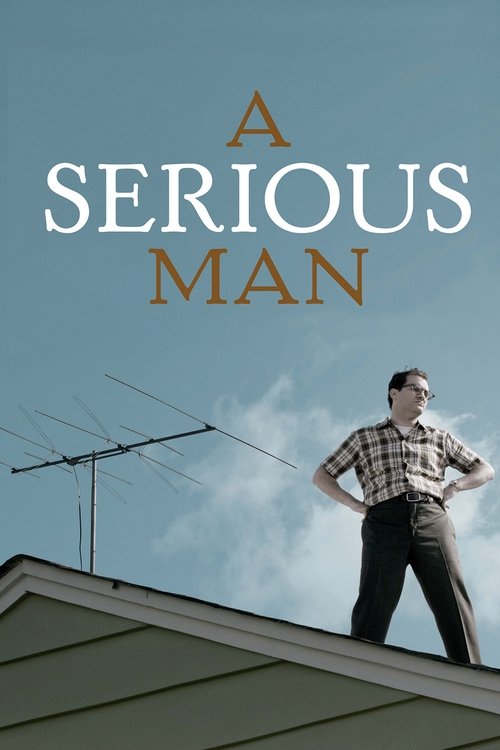
A Serious Man2009
Another film about a man adrift in middle age, searching for meaning. The Coen Brothers' vision is darker than Suo's, but both understand loneliness and the hunger for transformation.
But It's bleak and offers no easy answers. Watching it feels like work sometimes, and the ending will alienate many.
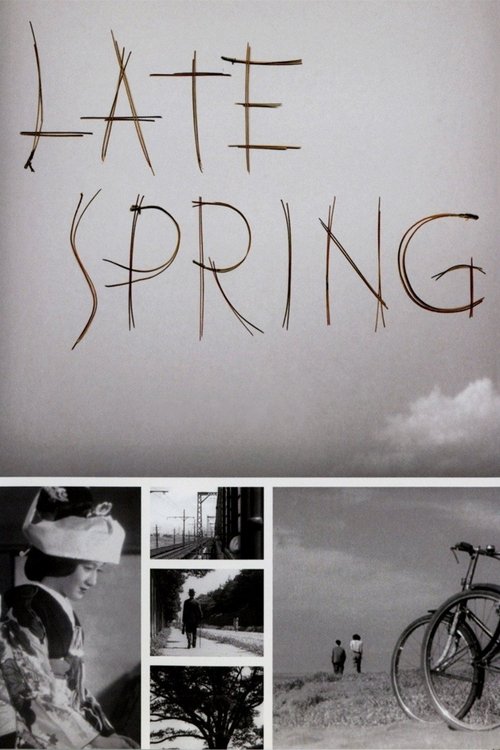
Late Spring1949
Ozu's masterpiece about a widower and his daughter, exploring family, duty, and the quiet ruptures of time. Same moral gentleness as Shall We Dance, different story. Essential viewing.
But Black and white, 1949, Japanese cinema of a formal kind. It moves at its own pace and asks for patience modern viewers don't always have.
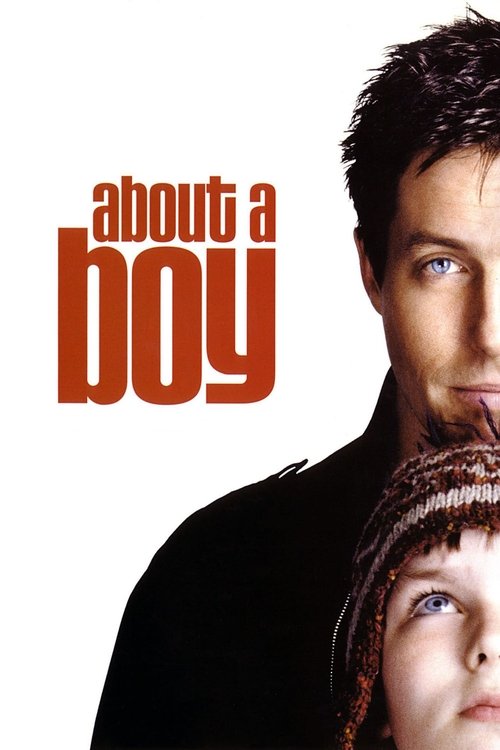
About a Boy2002
A man pretends to be someone he's not to impress a woman, then becomes someone else entirely through connection. Lighter than Suo, but the emotional architecture is similar.
But It's a romcom. If you've tired of the form, this won't change your mind, even if it's a good one.
Sideways2004
A middle-aged man in transition, discovering passion he didn't know he had. Wine and California instead of dance and Tokyo, but the melancholy and the longing are close cousins.
But Some find it a bit smug. The male leads can be difficult to root for if you're not in the right mood.

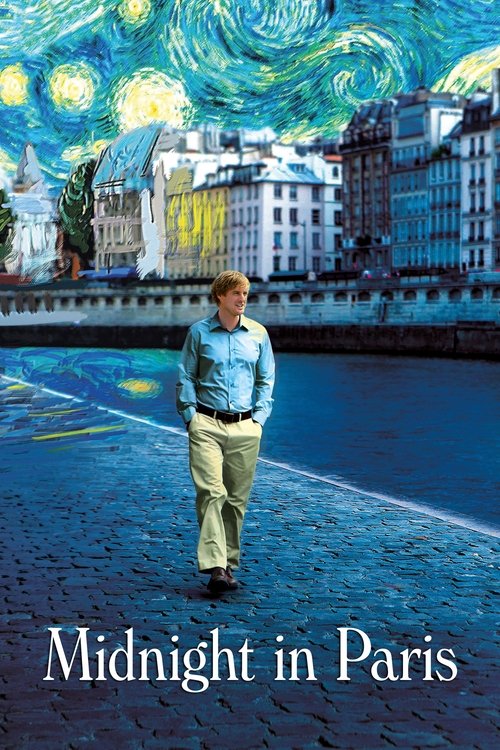
Midnight in Paris2011
Woody Allen on nostalgia and desire. Less subtle than Suo, but similarly invested in the idea that wanting something badly might be the beginning of actually living.
But It's whimsical to the point of saccharine for some viewers. Allen's mode doesn't work for everyone.
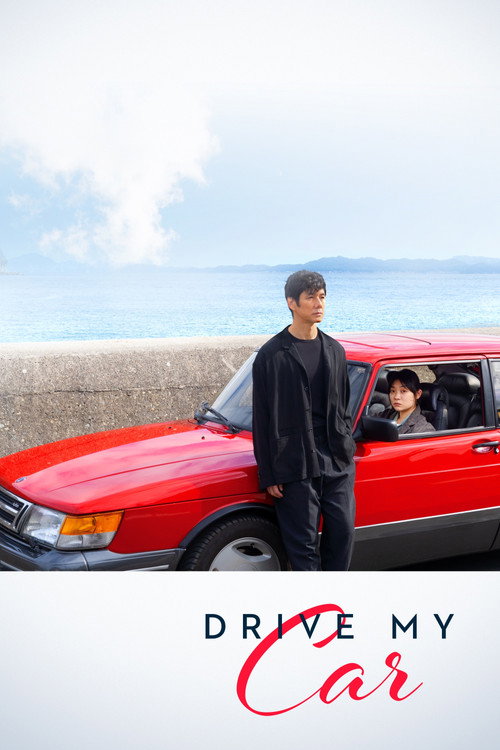
Drive My Car2021
Both are Japanese films about solitary middle-aged men who stumble into transformation through an initially hidden practice—dance or theater—and discover that art is how they learn to live again.
Ryusuke Hamaguchi's three-hour meditation on grief, art, and connection. A widowed actor and a taciturn driver bond through Chekhov rehearsals. Japanese cinema at its most patient and profound.
But Three hours and almost no plot. Dialogue is sparse. If you need external action to feel engaged, this will lose you.
People
Cast
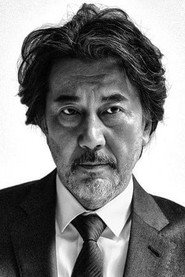 Koji YakushoShohei Sugiyama
 Tamiyo KusakariMai Kishikawa
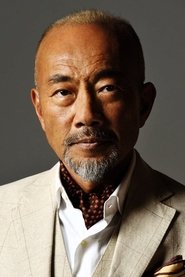 Naoto TakenakaTomio Aoki
 Eri WatanabeToyoko Takahashi
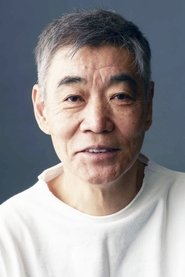 Akira EmotoDetective Miwa
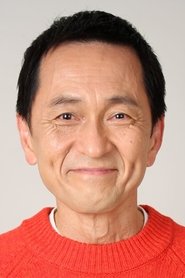 Yuu TokuiTokichi Hattori
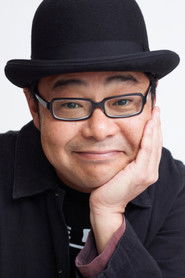 Hiromasa TaguchiMasahiro Tanaka
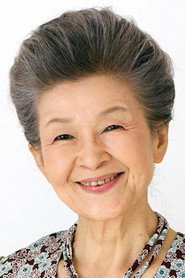 Reiko KusamuraTamako Tamura
 Hideko HaraMasako Sugiyama
- Hiroshi MiyasakaMacho
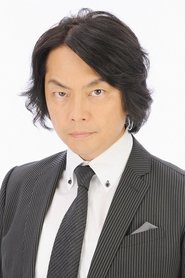 Kunihiko IdaTeiji Kaneko
- Amie ToujouHisako Honda
Directing
- Masayuki SuōDirector
Writing
- Masayuki SuōScreenplay
- Masayuki SuōStory
Production
- Yasuyoshi TokumaExecutive Producer
- Hiroyuki KatoProducer
- Kazuhiro IgarashiProducer
- Shigeru OhnoProducer
- Shoji MasuiProducer
- Yasuharu UrushidoProducer
- Yuji OgataProducer
Recommended by
Gung Ho, Supermarket Woman, The Unknown Soldier, Monsieur Ibrahim, Love and Honor, Always - Sunset on Third Street, The Funeral, Dance with Me, Udon, The Company, Sword of Desperation, Mao’s Last Dancer, Midnight Diner