
Film
The Unknown Soldier
- Investigative journalism
- Slow-burning
An eight-minute portrait of a 92-year-old Soviet WWII veteran, stripping away myth to find the living person beneath the medals. Intimate and unrushed despite its brevity, it asks what it costs to carry history in your body. For anyone moved by ordinary people's extraordinary lives.
Should you watch it?
Watch it if you are drawn to small, quiet portraits where a decorated figure's public legend gives way to the person underneath, and you don't need a story arc to feel moved.
Skip it if you came for wartime history, since its focus is the man today rather than the military record he earned his medals for.
What it asks of you: Eight minutes, unhurried and close: you settle in with one face and its pauses rather than chase events, and the quiet does the work.
Not sure? Find tonight's pick in a minute.
If you liked this
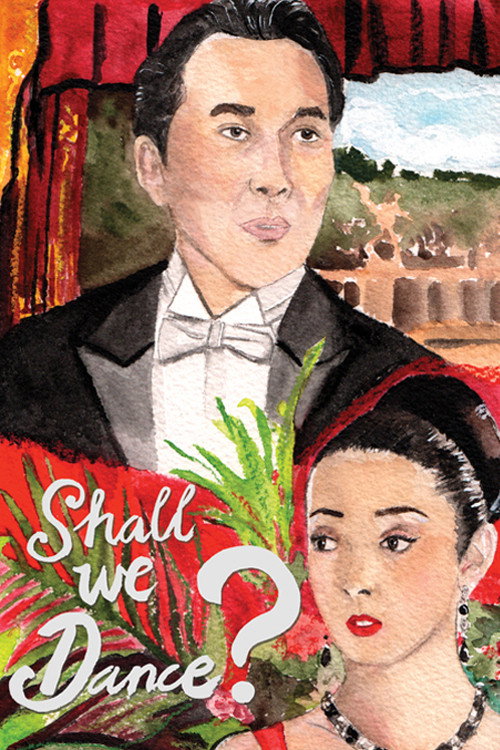
Shall We Dance?1996
A Japanese gem about an older man learning ballroom dancing, finding joy and community late in life. It understands how dignity and play coexist, and how small rebellions reshape us.
But Subtitled, and the pace is deliberately gentle—this is not a drama built on conflict or revelation.
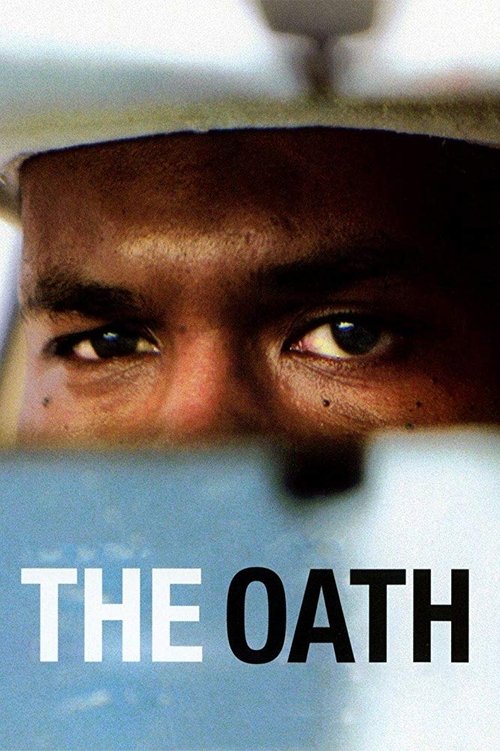
The Oath2010
Laura Poitras follows a former FBI translator and his family navigating post-9/11 surveillance and suspicion. It's about identity, loyalty, and what happens when you're caught between nations.
But Deliberately observational and unstated in its emotional movements; some find this restraint frustrating.
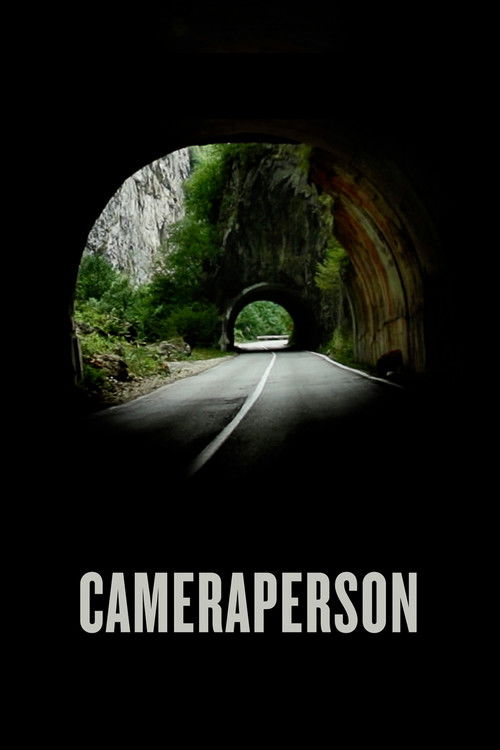
Cameraperson2016
Kirsten Johnson assembles footage from her decades as a documentary cinematographer, creating a collage of human vulnerability and witness. It's meditation on what it means to see, and to be seen.
But Structurally fragmentary, with no narrator or through-line; demands active attention.
Not sure tonight? Get a pick in a minute, starting from The Unknown Soldier
The wildcard
Something you would not have found on your own.
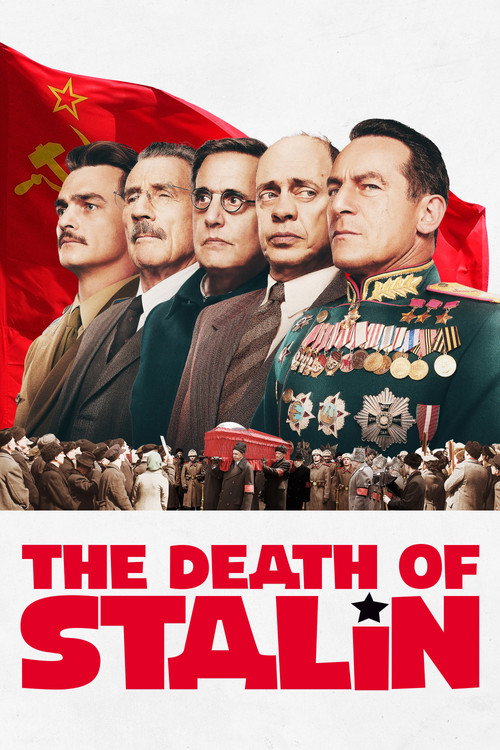
The Death of Stalin2017
Both reckon with Soviet legacies and the gap between official narrative and lived experience. Where *Unknown Soldier* is intimate witness, *Death of Stalin* is satirical critique—opposite approaches to the same inheritance.
An absurdist, blackly comic satire of Soviet power machinery shot in claustrophobic black-and-white. It treats totalitarianism as theater, and the humor is a scalpel.
But Comic tones applied to atrocity and death will feel wrong to some, and rightly—you have to trust the film's intelligence.
More like this (7)
Grey Gardens1976
The Maysles brothers document two eccentric, reclusive women in a decaying mansion. Haunting, darkly funny, and utterly human beneath the strangeness.
But Shot in the pre-digital era and unpolished by modern standards; also uncomfortable in how it observes its subjects.

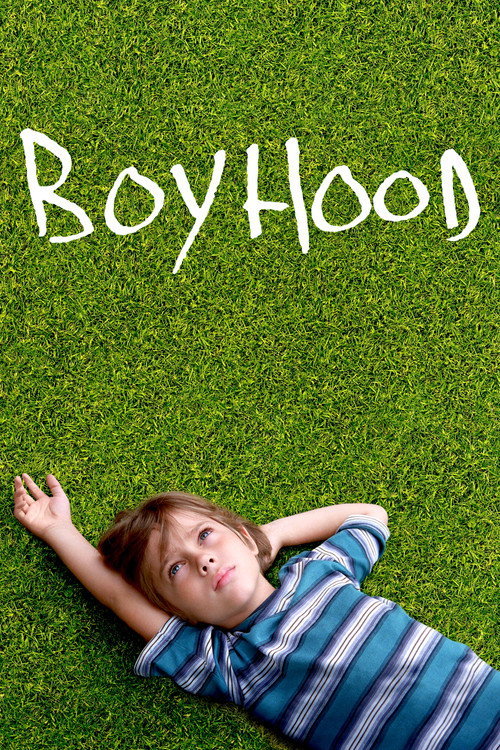
Boyhood2014
Linklater filmed the same boy over twelve years, capturing time's invisible work. It's about accumulation, memory, and how we become ourselves without noticing.
But Nearly three hours, and deliberately uneventful—it's about the gaps between the big moments.
La Haine1995
Twenty-four hours in a Paris housing project, three young men navigating rage and police violence. Formally inventive and morally urgent, never preachy.
But Bleak, tense, and angry—this is not cathartic. The ending is deliberately unresolved.

The Act of Killing2012
Joshua Oppenheimer gets Indonesian death-squad leaders to reenact their killings, turning perpetrators into witnesses of themselves. Unsettling, brilliant, vital.
But Disturbing and long, and the method—asking killers to perform—will trouble anyone thoughtful about documentary ethics.

Man with a Movie Camera1929
Dziga Vertov's kinetic Soviet city symphony—a radical experiment in how cinema itself can witness and reveal. Hypnotic and formally fearless.
But Silent and abstract, with no conventional story; it's a visual essay, not a narrative.

Stalker1979
Both films honor the interior life of aging men shaped by Soviet history, finding philosophical depth in stillness and memory rather than action.
Tarkovsky's metaphysical science fiction: a man guides two others through a mysterious zone toward a room that grants wishes. Hypnotic, philosophical, about desire and the weight of desire.
But One of cinema's slowest films—nearly three hours, mostly long static shots. Patience is not negotiable.

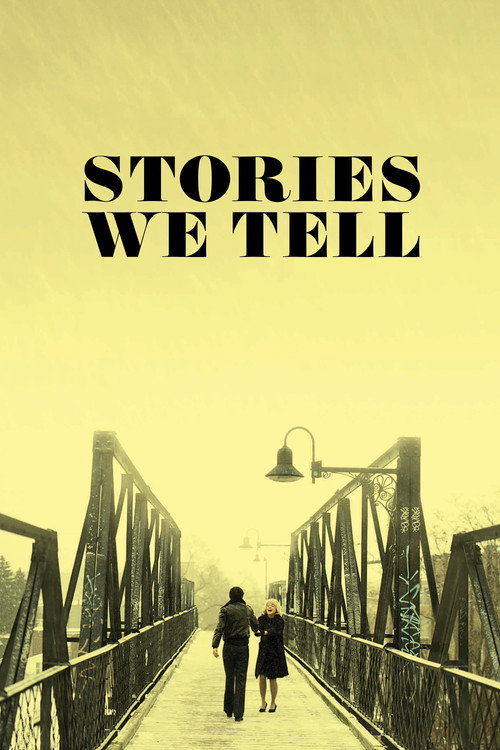
Stories We Tell2012
Both are about stripping away constructed identity to find truth beneath; both understand that the search itself is the real story, not the revelation.
Michael Haneke's daughter makes a documentary about her parents' marriage and a secret family past—slowly revealing that it's also about the lies we inherit and the stories we construct. Ingenious, moving, and narratively audacious.
But The experiment with form becomes the subject, which some find precious. Also emotionally heavy in unexpected ways.
People
Directing
- Efim GraboyDirector
Writing
- Efim GraboyScreenplay