
Film
Cameraperson
Kirsten Johnson spent decades as a documentary cinematographer, filming other people's stories in war zones, courtrooms, and living rooms. Here she reassembles her own outtakes into something new: a memoir built entirely from footage shot for other films. It's fragmentary, unresentful, and quietly devastating — a meditation on what it costs to be the one holding the camera.
If you liked this
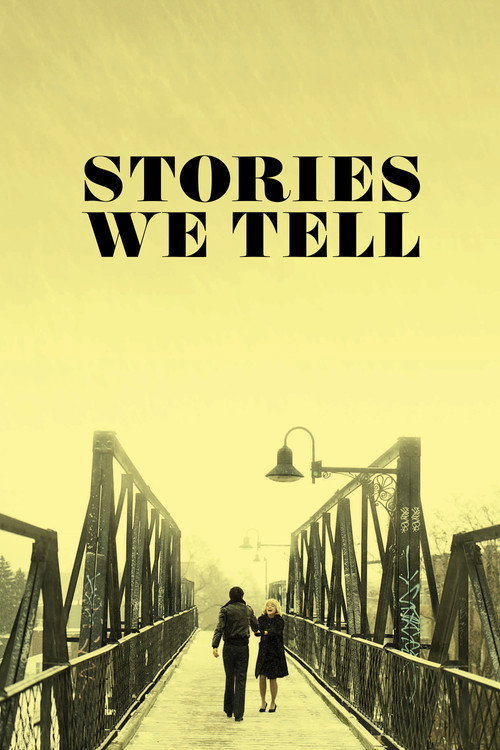
Stories We Tell2012
Sarah Polley turns her own family's home movies and reenactments into a puzzle about who gets to tell a story. Same appetite for interrogating what footage actually proves.
But The reveal-driven structure is more plotted than Cameraperson's looser, wandering method.
Dick Johnson Is Dead2020
Johnson's next film, made with her own father as he rehearses his death on camera. Same hands, same questions, now turned toward the person she loves most.
But Deliberately absurd and playful in ways that might feel jarring next to Cameraperson's restraint.

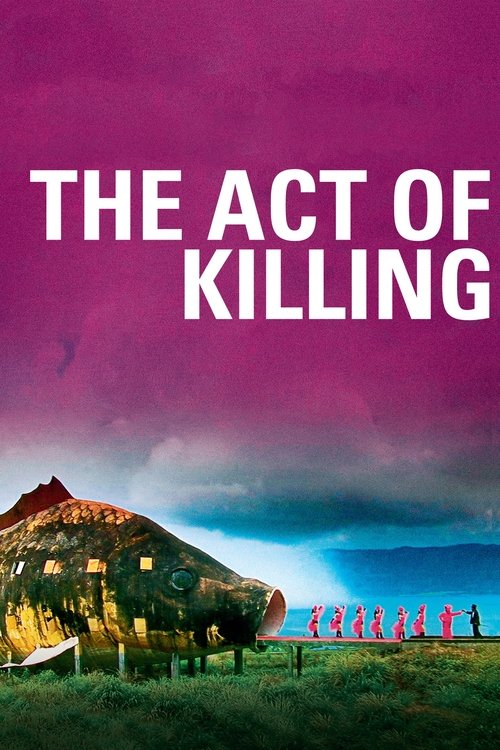
The Act of Killing2012
Perpetrators of the Indonesian genocide reenact their crimes for the camera, and the film becomes a study of complicity — exactly the question Johnson keeps circling: what does filming do to the filmed?
But Far more confrontational and stomach-turning; this is not a gentle watch.
The wildcard
Something you would not have found on your own.
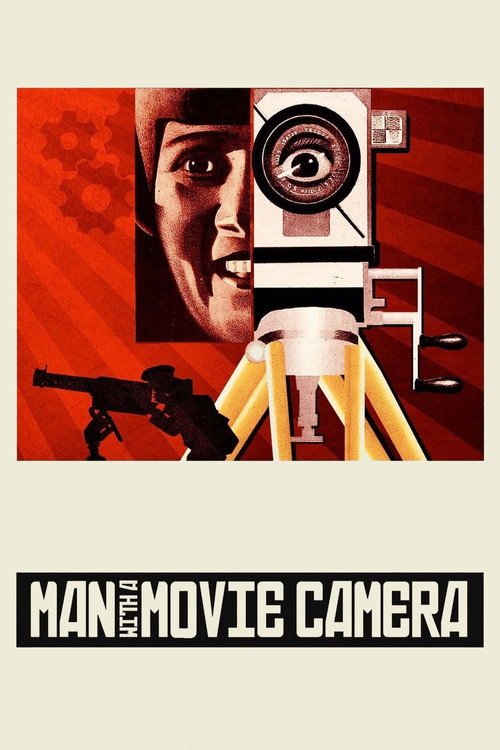
Man with a Movie Camera1929
Both films refuse to hide the act of filming; Vertov shows you the literal apparatus, Johnson shows you the emotional one. Same obsession, ninety years apart.
Dziga Vertov's silent Soviet masterpiece follows a cameraman through a single day, constantly showing you the machinery of filming itself. It's the great-grandparent of Cameraperson's whole idea: the camera operator as subject.
But Silent, avant-garde, and nearly a century old — a real adjustment if you've never watched anything from this era.
More like this (8)
Amy2015
Assembled entirely from archival footage with no talking heads, tracing Amy Winehouse's life through the cameras that were always on her. A masterclass in letting found footage carry emotional weight.
But Grief-heavy and relentless; it doesn't offer Cameraperson's reflective breathing room.

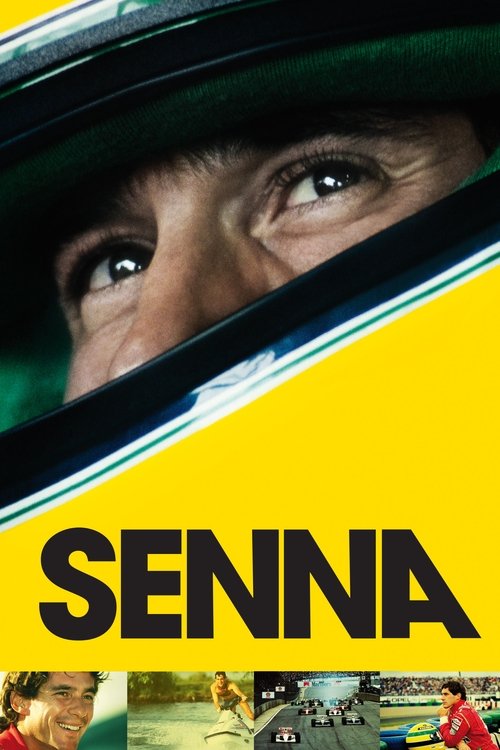
Senna2010
Same archival-only technique, applied to Formula One driver Ayrton Senna. Proof that a life built purely from existing footage can feel more intimate than any interview.
But Needs some interest in racing to land its tension fully.
Nostalgia for the Light2010no page yet
Patricio Guzmán links astronomers scanning the sky with mothers searching the Atacama desert for disappeared relatives. Essayistic, patient, and formally daring in the same register as Johnson's work.
But Slow and contemplative; it asks you to sit with silence rather than narrative momentum.
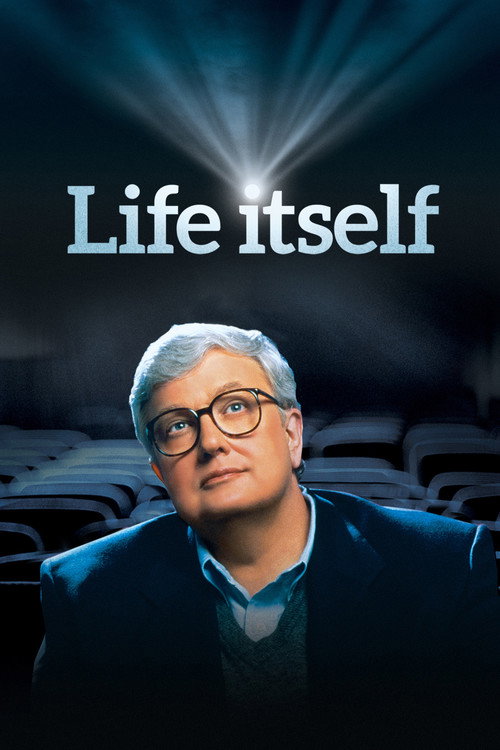
Life Itself2014
A portrait of Roger Ebert built from decades of footage and his own final months on camera. Tender proof that a documentary can be a form of love letter and reckoning at once.
But More conventional biodoc shape than Cameraperson's fragmented structure.
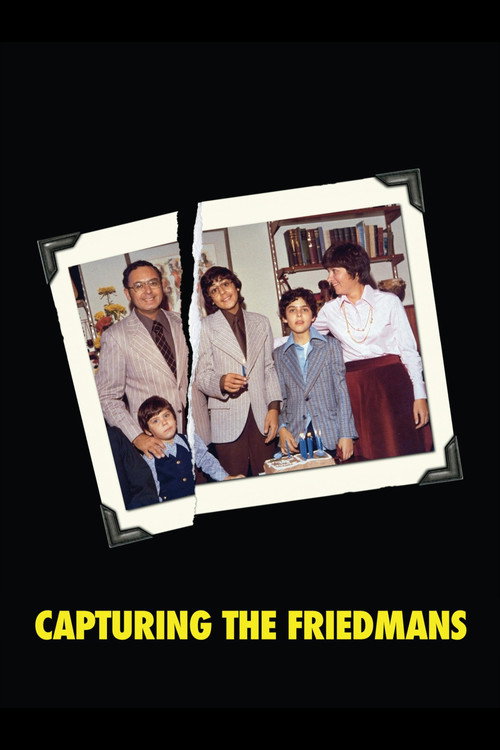
Capturing the Friedmans2003
Built from a family's own home movies, this asks what footage can and can't tell you about the truth of a person — a question Johnson wrestles with constantly.
But Deals with disturbing allegations and leaves you without resolution, which some find unsatisfying.
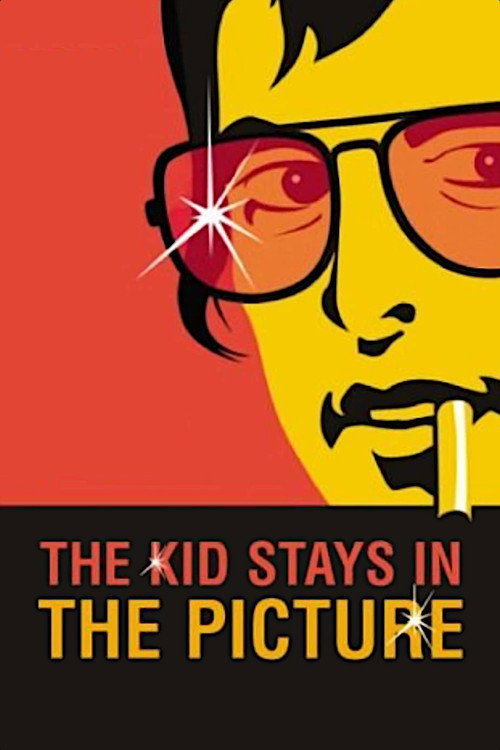
The Kid Stays in the Picture2002
Producer Robert Evans narrates his own myth using nothing but archival photos and footage, animated into motion. A flashier cousin to Johnson's idea that a life can be told entirely through existing images.
But Self-mythologising and slick where Cameraperson is humble; tonally almost the opposite.
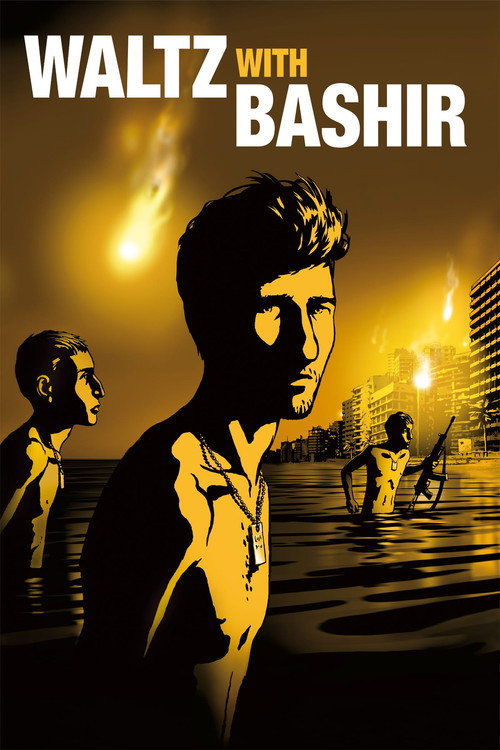
Waltz with Bashir2008
Johnson's footage keeps returning to conflict zones and the limits of what a lens can capture; Bashir asks the same question by abandoning the lens altogether, rebuilding memory by hand instead.
An Israeli veteran tries to recover his memories of the 1982 Lebanon War, and the film renders trauma and half-remembered atrocity entirely in animation. A different medium wrestling with the same question: what can an image actually hold?
But Animation applied to real war trauma can feel dissonant, and the subject matter is heavy throughout.
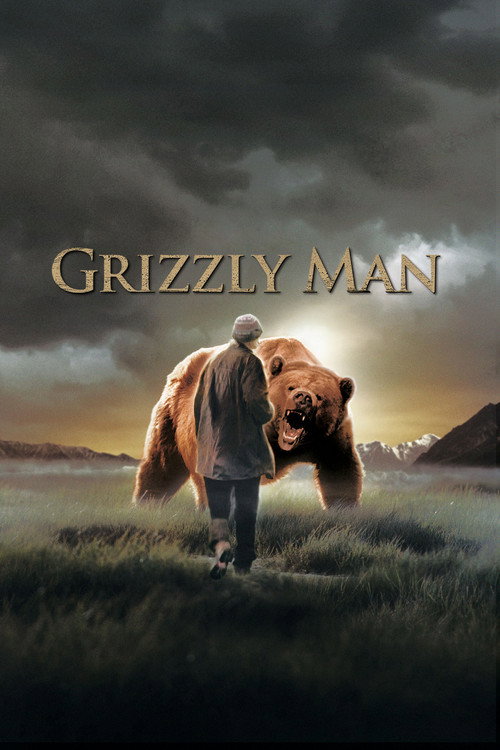
Grizzly Man2005
Both films are built from someone else's raw footage and ask what compels a person to keep filming even as the situation turns dangerous or unbearable — Herzog just answers the question much louder.
Werner Herzog builds a film from a dead amateur filmmaker's own footage of grizzly bears, then narrates over it with mounting horror and awe. A wilder, weirder cousin — funny, tragic, and obsessed with why people point cameras at danger.
But Herzog's editorializing is intrusive and darkly comic in a way Johnson never allows herself to be.
People
Cast
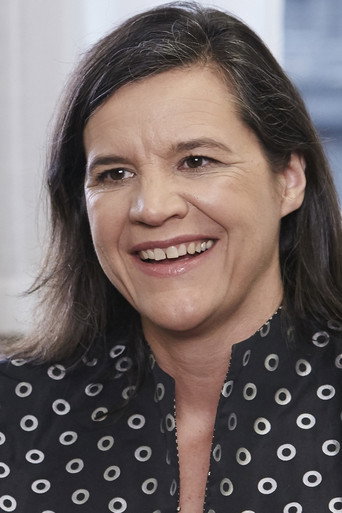 Kirsten JohnsonSelf (archive footage)
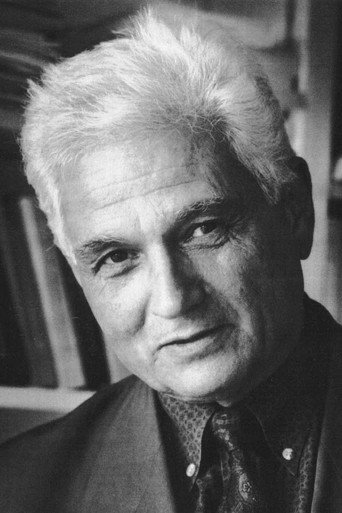 Jacques DerridaSelf (archive footage)
 Michael MooreSelf (archive footage)
- Richard JohnsonSelf (archive footage)
Directing
- Kirsten JohnsonDirector
Writing
- Doris BaizleyWriter
- Lisa FreedmanWriter
Production
- Danielle VargaCo-Producer
- Joslyn BarnesConsulting Producer
- Abigail DisneyExecutive Producer
- Amy ZieringExecutive Producer
- Gini RetickerExecutive Producer
- Kirsten JohnsonProducer
- Marilyn NessProducer