Television series
SanPa: Luci e tenebre di San Patrignano
- Biopic
- Very dark
A five-part Italian documentary that tells the rise and fall of Vincenzo Muccioli, a charismatic priest who founded San Patrignano, a controversial drug rehabilitation community. It's a meticulously assembled true-crime story that explores how idealism curdles into authoritarianism, redemption into control. Riveting and deeply unsettling.
Should you watch it?
Watch it if you want a documentary that treats a charismatic figure's rise as a moral puzzle, built from testimony, and you enjoy slowly weighing who to believe.
Skip it if you want a tidy verdict, since this one stays deliberately unresolved and leaves much of the moral reckoning to you, and its subject is real abuse.
What it asks of you: Five episodes of roughly an hour each, watched in order, with steady attention to names, dates and accusations rather than spectacle.
Not sure? Find tonight's pick in a minute.
If you liked this
The Toys That Made Us2017
Netflix's docuseries template perfected: archival footage, talking heads, and a tightly constructed narrative that reveals how beloved things came to be. Shares SanPa's gift for making you understand the seductive appeal before the darkness emerges.
But Some seasons feel lightweight compared to others, and the cheerful music-and-nostalgia approach can feel thin when you're craving deeper analysis.

Chicago Fire2012
Another Netflix crime doc about charisma, fraud, and the willingness of people to believe a beautiful lie. Fast-paced, darkly funny, and structured like a thriller despite being entirely factual.
But The tone is lighter and more satirical than SanPa; if you want the weight of real suffering examined, this feels almost glib by comparison.
Tiger King: Murder, Mayhem and Madness2020
A figure of tremendous charisma runs an increasingly unhinged operation while true believers defend him. The documentary lets the footage and interviews do the work, letting you arrive at your own horror gradually.
But It became a meme, which retroactively diminishes the documentary itself. The later seasons don't match the first, and the whole thing now feels contaminated by its own virality.
Not sure tonight? Get a pick in a minute, starting from SanPa: Luci e tenebre di San Patrignano
The wildcard
Something you would not have found on your own.
Come and See1985
Both are stories about institutions (or systems) that corrupt and destroy the people inside them, and both refuse to look away from the moment when idealism becomes indistinguishable from trauma.
A Belarusian war film that chronicles the destruction of a young man's humanity through systematic exposure to atrocity. Visually devastating and almost unbearable—not entertainment, but an experience that changes you.
But It's extreme in ways that feel gratuitous to some viewers. The nihilism is absolute, and there's no comfort or redemption offered. An evening with this film means something is taken from you.

More like this (6)
The Killing2011
Danish crime drama that understands how institutional failure and individual morality collide. Methodical, haunting, and structured like an investigation that trusts you to follow the threads.
But It's deliberately paced—nothing is rushed—and the ending provokes serious debate about whether justice and truth are the same thing. Some find that unsatisfying.
Spotlight2015
A narrative film about institutional corruption, investigative journalism, and the slow accumulation of terrible truth. It's methodical, respectful to its subject, and builds its case like SanPa does—conversation by conversation, document by document.
But It's a procedural, not a thriller. If you want momentum and shocks, you'll find the pacing maddening. Some scenes are just people talking in rooms.

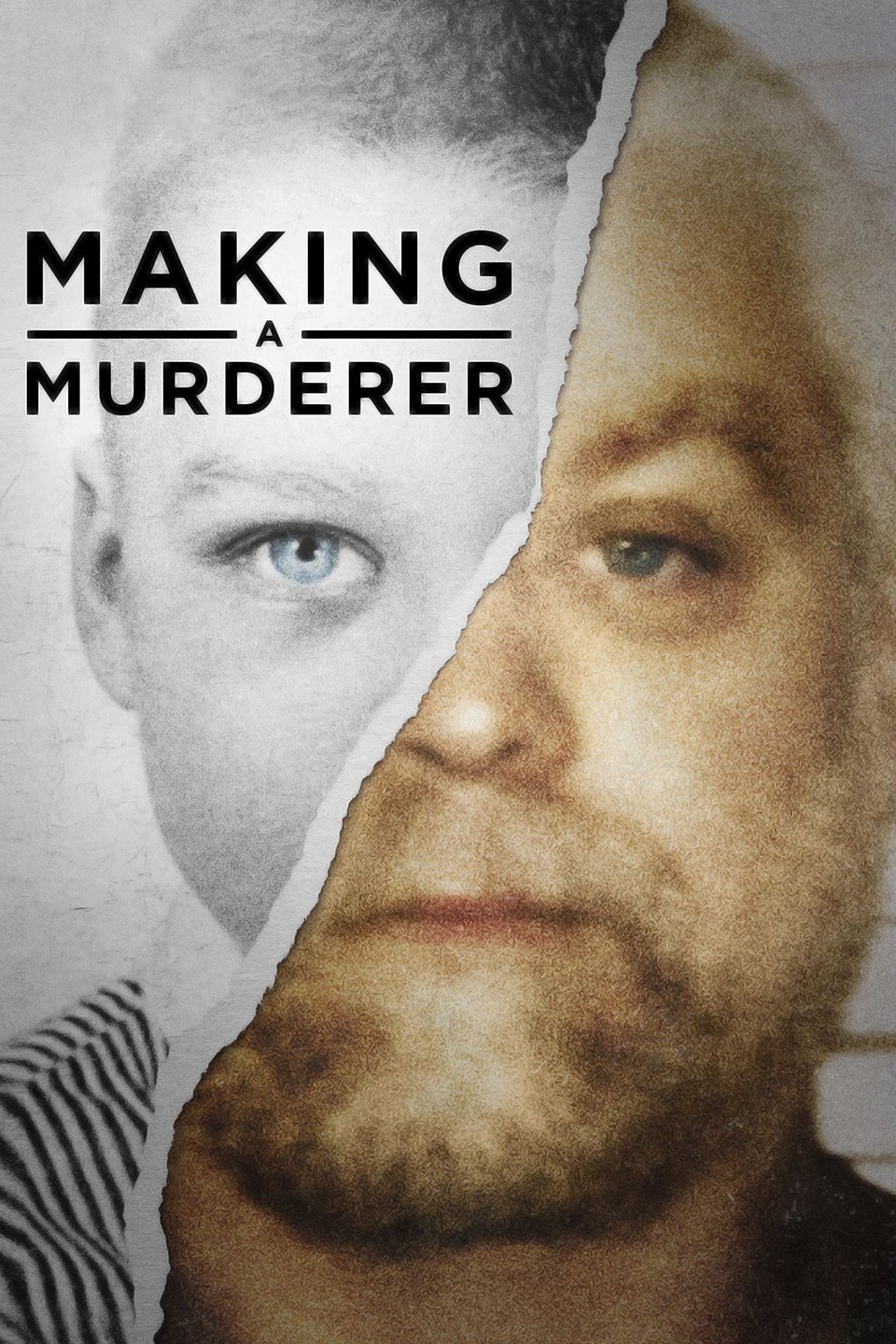
Making a Murderer2015
A documentary that makes you examine your own certainty about guilt and innocence. Whether you buy its thesis or not, it's a masterclass in how documentary can structure doubt and complexity.
But The filmmakers' bias shows—critics rightfully argue they shape the narrative. If you want neutrality, you won't find it. If that bothers you, it bothers you through the whole series.
In Cold Blood1967
Truman Capote's true-crime novel as a limited series that examines the psychology of killers, the seduction of fame, and how crime writers become complicit in the mythology they create.
But At only four episodes, it feels rushed where SanPa luxuriates in detail. Some find it overshadows the actual historical crimes with Capote's own narcissism.
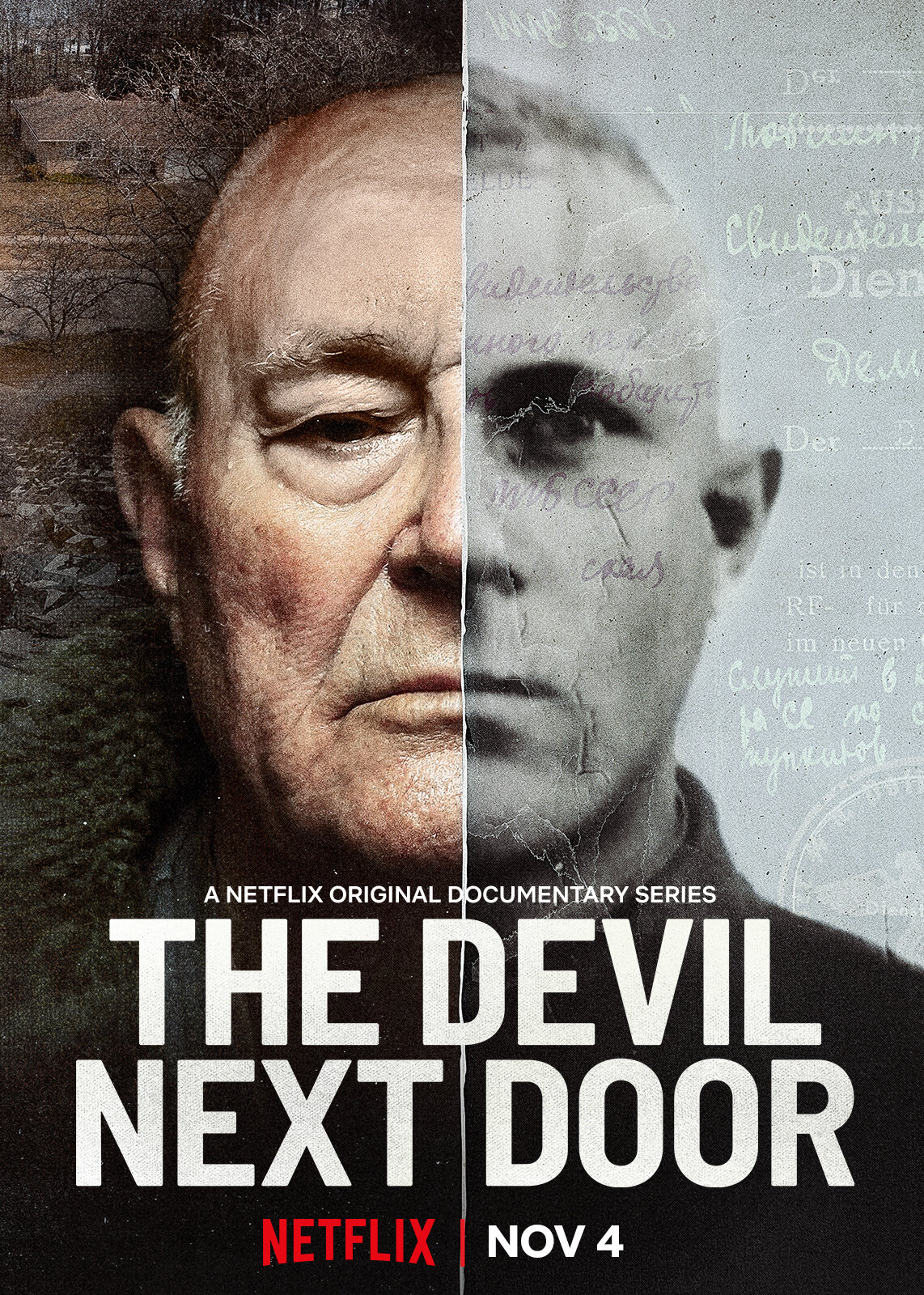
The Devil Next Door2019
A five-part investigation into a man accused of being a Nazi war criminal, examining memory, identity, and how communities protect their own. Quietly devastating, morally complex, and deeply uncomfortable.
But The accused is framed sympathetically enough that some viewers felt the documentary itself was revisionist. Watching it means sitting with genuine ambiguity about terrible things.
Cameraperson2016
Both are about the act of witnessing itself: SanPa shows us how selective testimony and framing can construct a false truth, while Cameraperson asks what obligation the observer has to the people being observed. They're mirror images of documentary ethics.
A documentary made from 25 years of footage a cinematographer shot for other films—wars, prisons, protests, ordinary life. It's a meditation on what it means to witness, and what responsibility that carries. Formally experimental and deeply moving.
But It has no traditional narrative and deliberately resists conclusions. If you want a story told to you, you won't find one. It requires active, uncertain watching.