
Television series
The Devil Next Door
A five-part Netflix documentary rebuilding the trial of John Demjanjuk, the retired Ohio autoworker accused of being 'Ivan the Terrible,' the sadistic Treblinka guard. Built almost entirely from archival courtroom footage, it plays out like a thriller with no narrator telling you what to think. Best for anyone who likes their history unresolved and their moral certainties tested rather than confirmed.
If you liked this
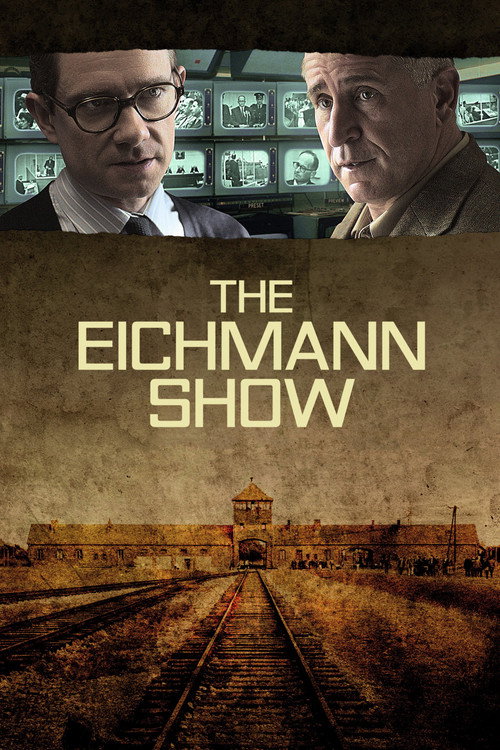
The Eichmann Show2015
A dramatized account of how Eichmann's 1961 trial became one of the first global television events, told from the perspective of the producer who insisted it be broadcast unedited. Same courtroom-as-theatre energy as Demjanjuk's ordeal.
But It's a TV movie with TV-movie pacing, and the framing device (the producer's crusade) can feel like a distraction from the trial itself.
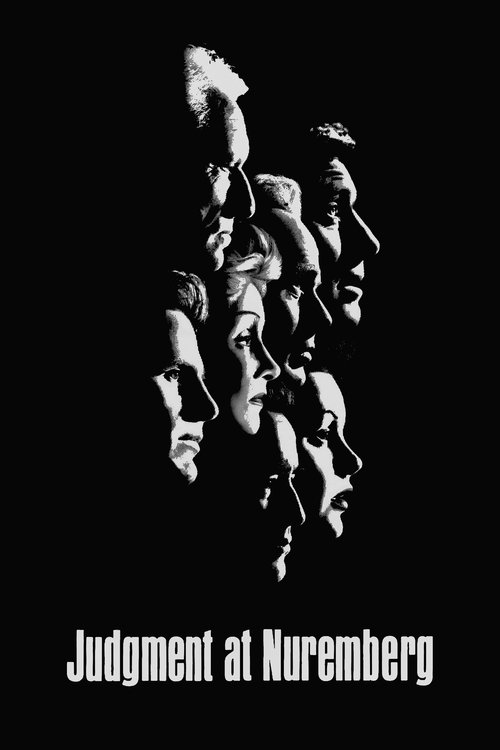
Judgment at Nuremberg1961
The granddaddy of the Nazi-trial courtroom drama, three hours of towering performances wrestling with complicity, obedience, and what a judge owes the truth versus the law.
But It's long, stagey, and its liberal humanism now reads as a period piece — a product of its own moment as much as the one it depicts.
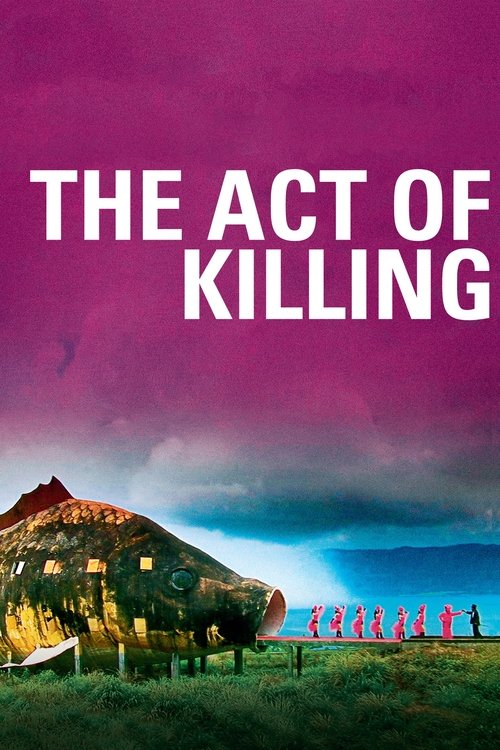
The Act of Killing2012
Indonesian death squad leaders re-enact their own massacres for the camera, gleefully, as if making a genre film. It asks how ordinary men live comfortably with what they did — the exact question hovering over Demjanjuk.
But It's deeply disturbing, morally vertiginous, and offers no closure or justice whatsoever — by design.
The wildcard
Something you would not have found on your own.
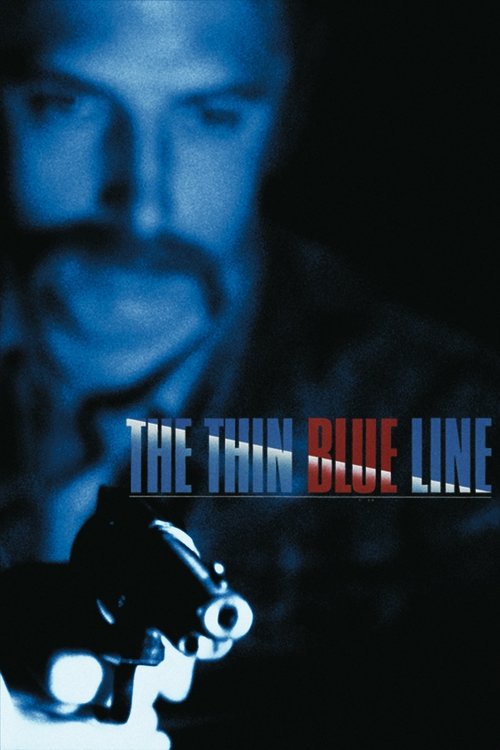
The Thin Blue Line1988
Both hinge on the terrifying possibility that eyewitnesses and photographic 'proof' can be confidently, catastrophically wrong about who a person really is.
Errol Morris's landmark documentary about a wrongful murder conviction, built on the same fault line Demjanjuk's case exposed: what happens when memory, testimony, and identification all turn out to be less solid than a courtroom needs them to be.
But It's a domestic crime story, not a Holocaust story — the scale and stakes are utterly different, even if the epistemology isn't.
More like this (8)
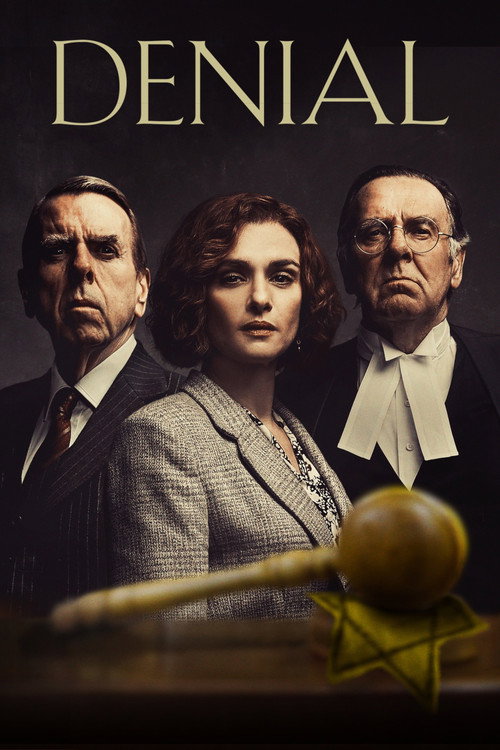
Denial2016
Historian Deborah Lipstadt is sued by Holocaust denier David Irving, and the film becomes a taut procedural about the impossible task of proving atrocity in a courtroom to skeptics who won't be moved by feeling.
But It's talky and restrained where you might expect fireworks; the drama is entirely in legal strategy, not confrontation.
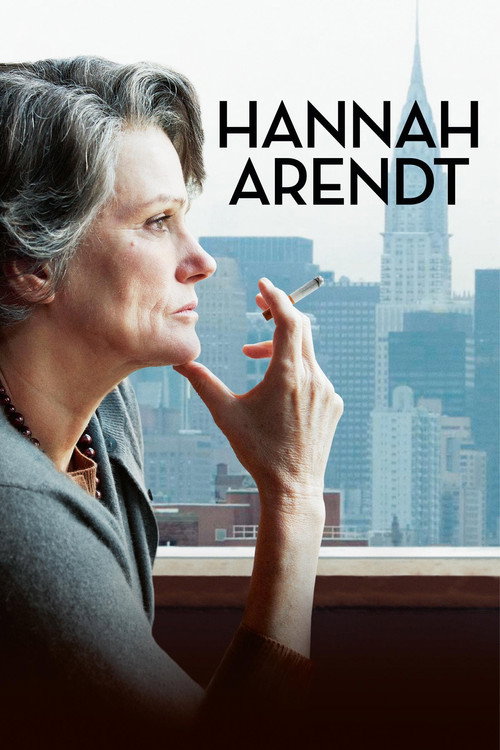
Hannah Arendt2012
A biopic of the philosopher covering the Eichmann trial, wrestling with her incendiary idea of the 'banality of evil' — bureaucrats doing terrible things without being monsters. Essential counterpoint to any Nazi-trial story.
But It's cerebral and dialogue-heavy, more a chamber piece about an argument than a story with momentum.
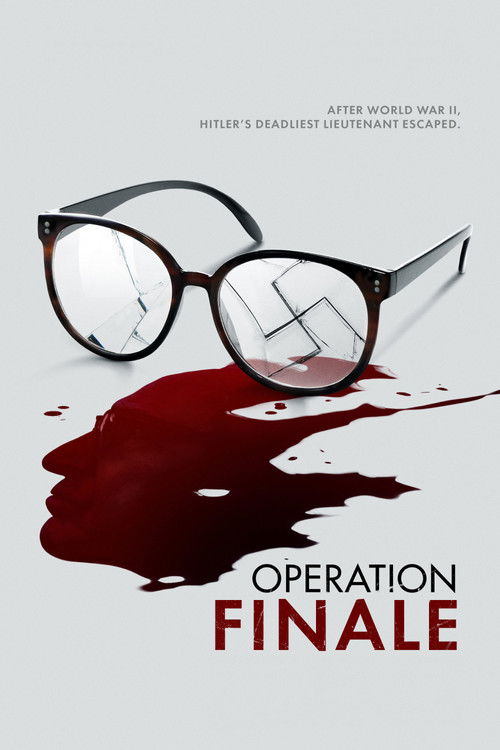
Operation Finale2018
A glossy thriller about the Mossad agents who tracked down and kidnapped Eichmann in Argentina — the origin story for the trial that Hannah Arendt covers and that shaped how the world later tried Demjanjuk.
But It smooths a morally messy true story into a fairly conventional spy-thriller shape, complete with a wobbly late-film moral speech.
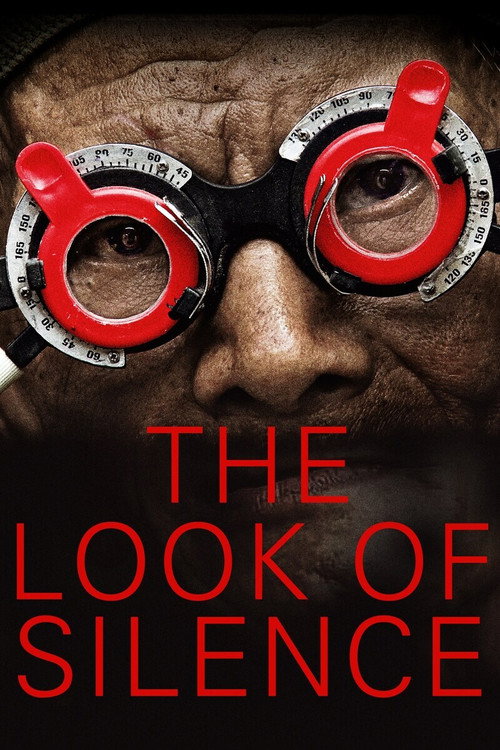
The Look of Silence2014
A companion piece to The Act of Killing, following a man who confronts the men who murdered his brother. Quieter, sadder, and devastating in a completely different register.
But It's slow and almost unbearably tense in its stillness — a film of long silences and held gazes, not incident.
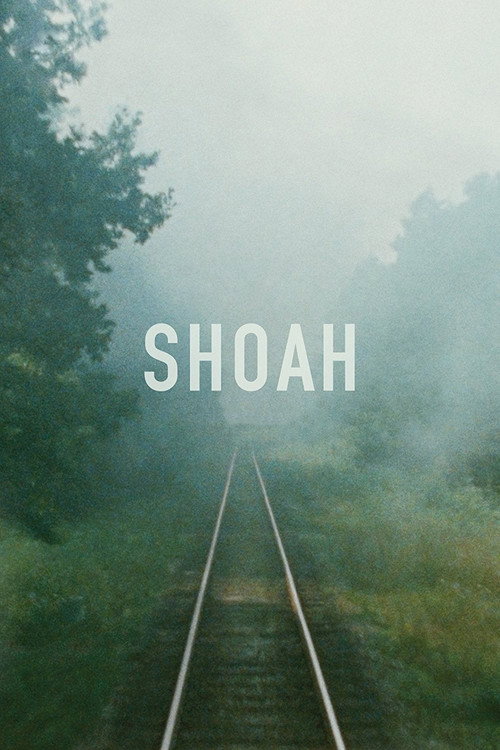
Shoah1985
Claude Lanzmann's nine-hour oral history of the Holocaust, made entirely of testimony with no archival footage — the single most exhaustive attempt to make viewers actually sit with survivors' and perpetrators' words.
But Nine hours, no music, no narration, no relief — this demands a commitment most people will never make, and that's fair.
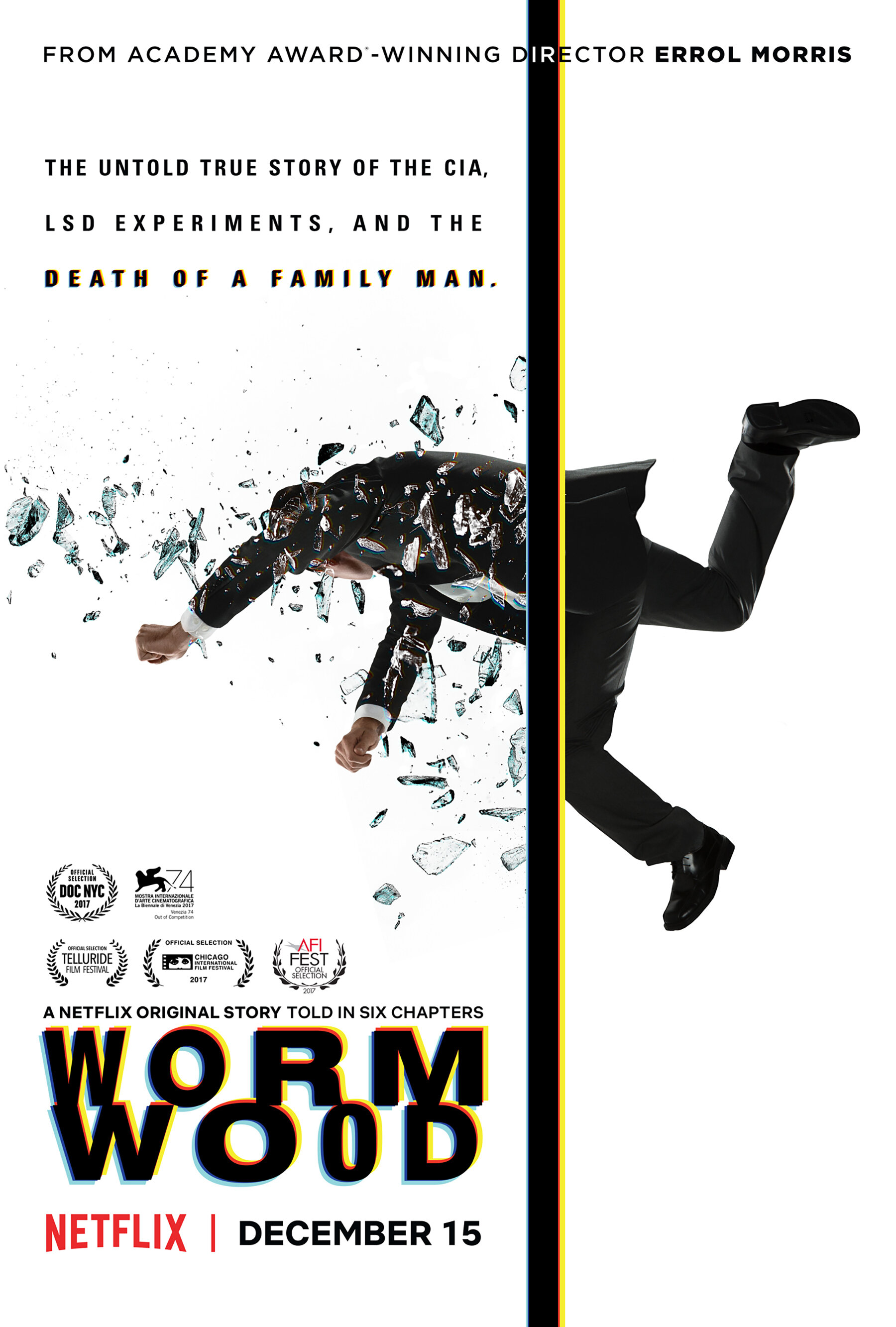
Wormwood2017
Errol Morris blends documentary and dramatic reenactment to investigate a Cold War death that may have been a CIA cover-up — a hybrid form built entirely around the same problem of unreliable, contested truth.
But The reenactment scenes with actors can feel like padding, and the case itself never resolves into a clean answer.
Night and Fog1956
It's the visual and moral bedrock the Demjanjuk trial's own archival footage draws on — the earliest, rawest version of the images that later become courtroom evidence.
A 32-minute French short, shot a decade before Demjanjuk's trial even began, that walks through abandoned camps intercut with archival horror. It's the first serious attempt to put this history on film, and it's still unbearably direct.
But It's short, blunt, and unsentimental in a way that offers no narrative comfort — closer to a wound than a documentary.
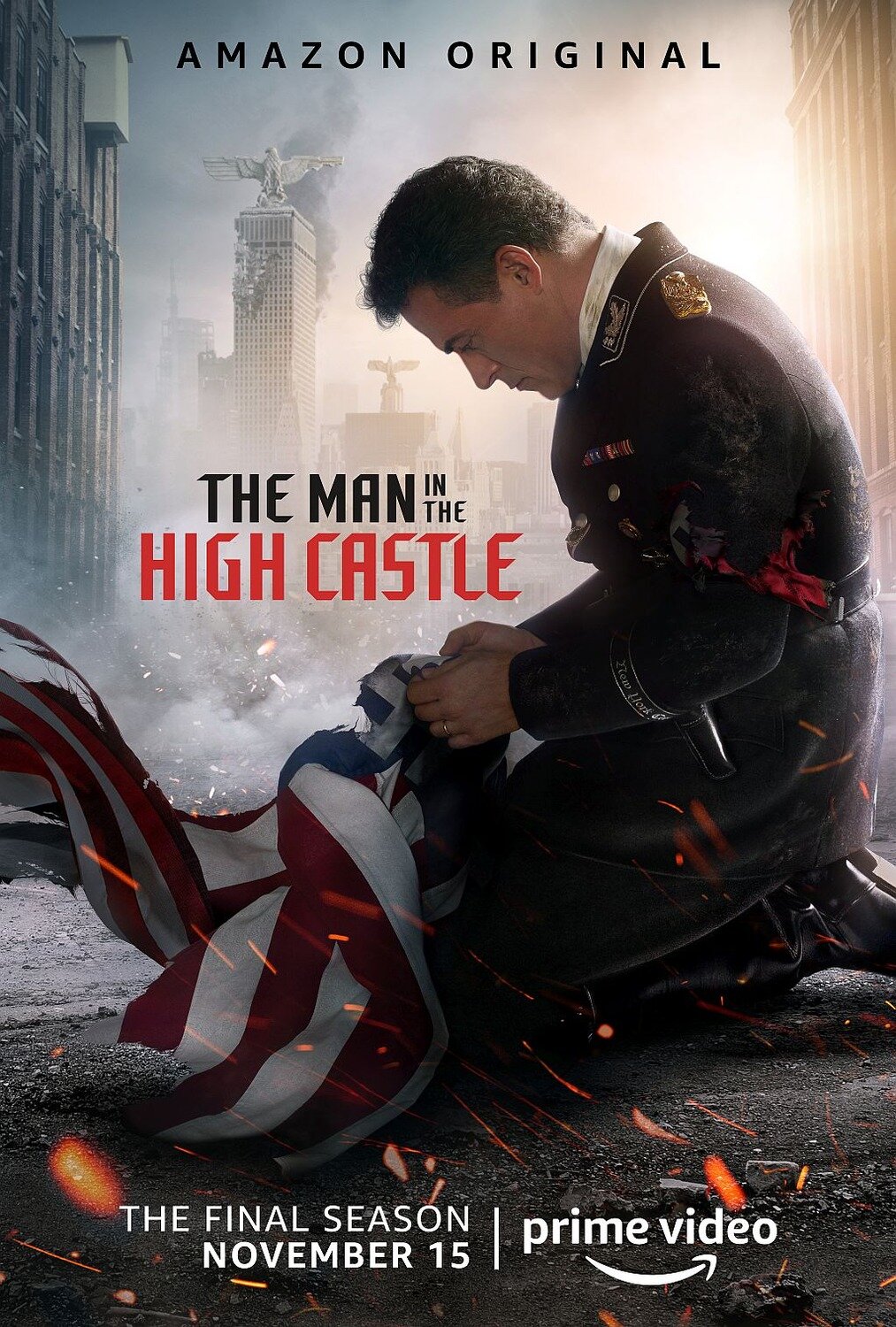
The Man in the High Castle2015
Both interrogate how thin the line is between an ordinary neighbor and a monster, and how much of that depends on circumstance rather than character.
An alternate-history thriller imagining an America where the Axis won, following ordinary people who collaborate, resist, or quietly look away. It dramatizes the exact question the Demjanjuk trial can't answer: what makes a person capable of it.
But It's pulpy genre television with spy-plot mechanics and dwindling quality across its run — a very different appetite than a sober courtroom documentary.
Recommended by
Cropsey, Operation Finale, Marathon Man, The Boys from Brazil