
Film
Hannah Arendt
A talky, exacting film about a mind at work — Barbara Sukowa plays Hannah Arendt as she watches Eichmann testify, then writes something so calmly reasoned it costs her nearly everyone she loves. No action, no easy villains beyond the one on trial — just conversation, argument, and a woman refusing to soften an unbearable idea.
If you liked this
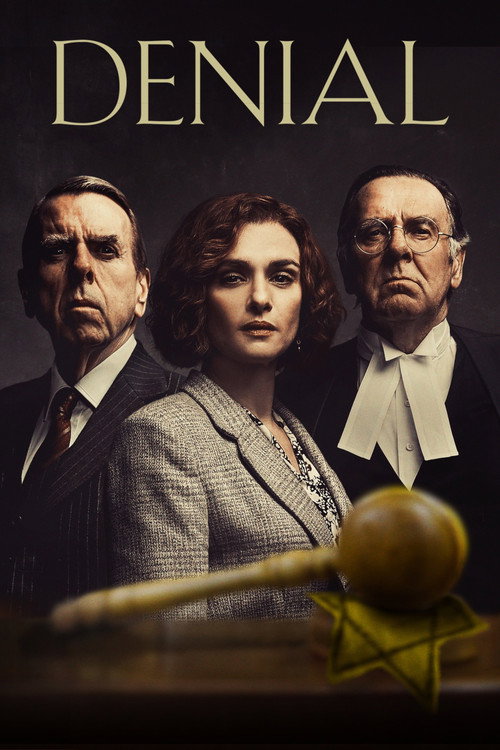
Denial2016
The closest sibling this film has: a historian drags a Holocaust denier's lies into open court and has to prove, with unbearable patience, that some things are simply true. Same courtroom stakes, same cost of speaking plainly.
But It's a legal procedural at heart — the drama is in restraint and research, not confrontation, so it can feel oddly muted for the subject.
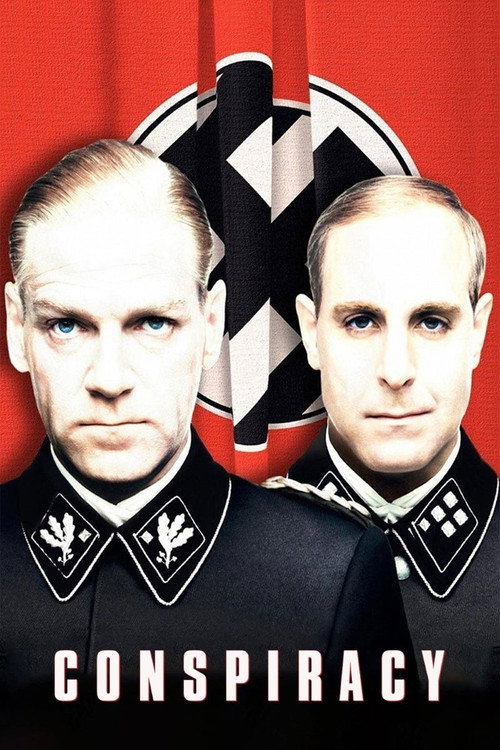
Conspiracy2001
Kenneth Branagh in the room where the Final Solution got its paperwork — the Wannsee Conference restaged almost in real time. Watch the machinery of atrocity discussed over sandwiches and see exactly what Arendt meant by banal.
But Deliberately airless and procedural — a room full of men talking policy. The horror is in the mundanity, which some viewers find distancing rather than devastating.
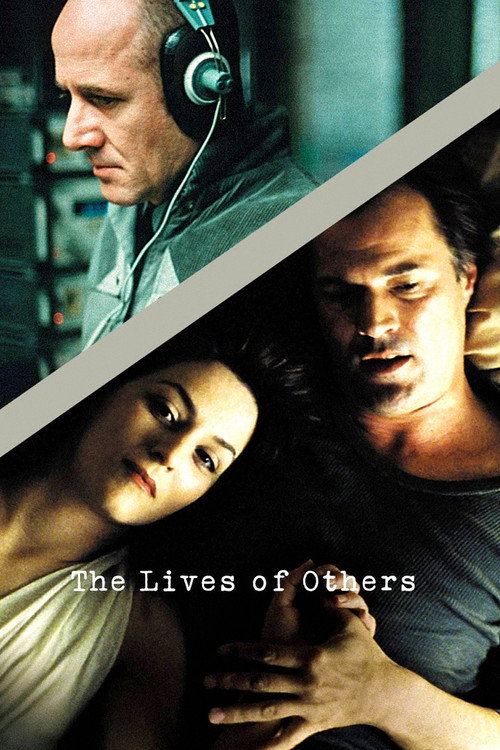
The Lives of Others2006
A Stasi officer surveils a writer and slowly, silently, changes sides. Same German seriousness about complicity, watching, and what a state can make ordinary people do to each other.
But Set decades later, behind a different wall — this is about East Germany, not the Holocaust, so the historical target is different even if the moral one rhymes.
The wildcard
Something you would not have found on your own.
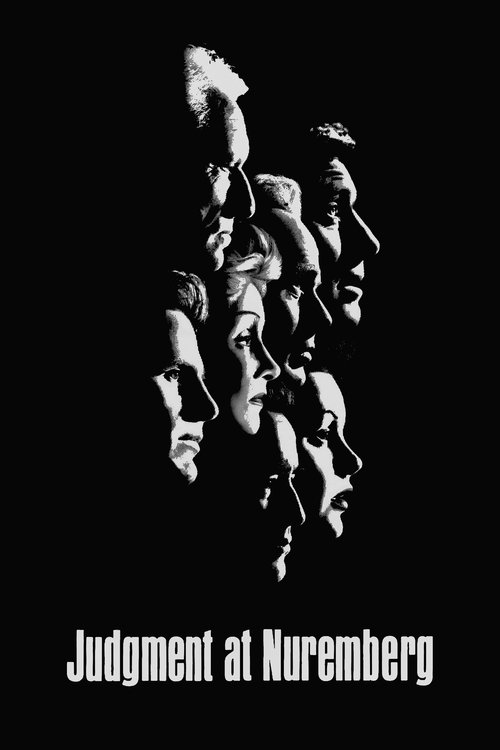
Judgment at Nuremberg1961
It's grappling with the same problem live and unresolved, over a decade before Arendt gave it a name — proof the argument didn't start with her, it just found its sharpest phrase in her.
An American courtroom drama, made just sixteen years after the war, asking the exact question Arendt would later make famous: how much guilt belongs to the man who was only following orders?
But It's three hours of formal, old-Hollywood courtroom oratory — grand speeches rather than Arendt's cool, essayistic argument.
More like this (8)
Trumbo2015no page yet
A screenwriter blacklisted for his politics keeps working under fake names while friends testify against him. Same shape: a person punished by their own community for holding an unpopular position.
But Much warmer and funnier than Arendt's story — Bryan Cranston plays it with wit and swagger, so the moral weight lands softer.
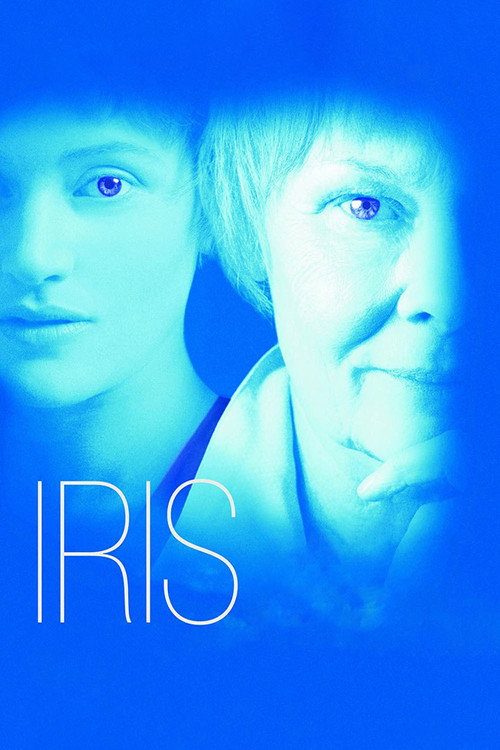
Iris2001
Judi Dench as philosopher Iris Murdoch, brilliant and imperious, watched by the people who love her as her mind slips. Another portrait of a formidable woman thinker seen at her most exposed.
But It's about dementia, not disgrace — a gentler, sadder film with none of the public scandal that drives Arendt's story.
A Dangerous Method2011no page yet
Freud and Jung argue about the unconscious while a patient complicates everything between them — talky, intellectual, unafraid of long scenes where ideas do the fighting instead of plot.
But More about desire and rivalry than atrocity or conscience — the stakes are personal and professional, not historical.
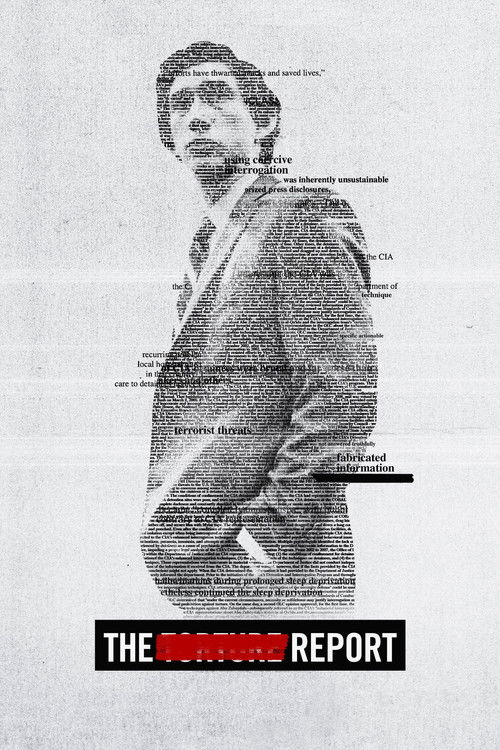
The Report2019
Adam Driver spends years writing a report on CIA torture that almost nobody in power wants published. Same dry, furious portrait of a person insisting on an inconvenient truth against institutional pressure.
But Deliberately unglamorous and procedural — mostly rooms, documents, and stonewalling, with very little of Arendt's interpersonal drama.
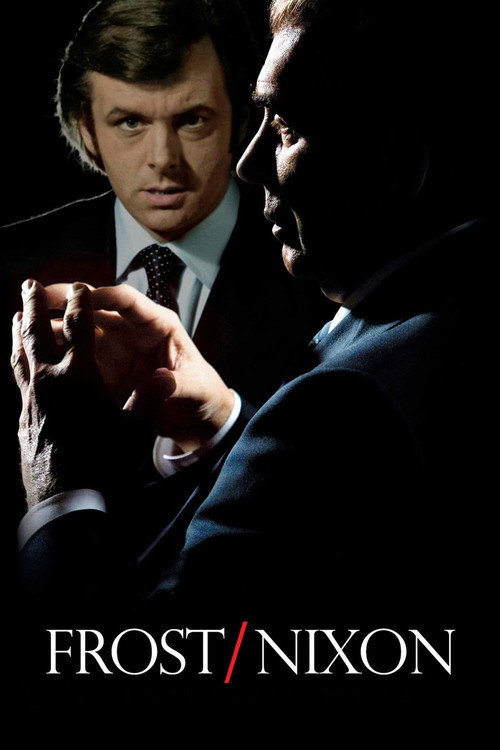
Frost/Nixon2008
A journalist chases an admission of guilt out of a man protected by history and reputation — sharp dialogue, real consequence, and a sense that words themselves are the battlefield.
But Lighter and more theatrical than Arendt's story, built around one big confrontation rather than a slow, grinding public fall from grace.
Colette2018no page yet
A woman writer forced to publish under her husband's name eventually claims her own voice and pays for it socially — a gentler cousin to Arendt's story of a woman insisting on being heard on her own terms.
But Belle Époque Paris and literary scandal are a much lighter register than Eichmann's trial — think champagne, not genocide.
Shoah1985
Arendt's film is about the fight that erupted after the Holocaust over how to talk about it; Shoah is the opposite instinct — refuse commentary altogether and let the witnesses speak until the talking stops.
Nine and a half hours of testimony from survivors, perpetrators, and bystanders, filmed decades later with no archival footage, no music, no argument — just people describing exactly what happened.
But The length and refusal to interpret or dramatize anything make it a genuine commitment, not an evening's entertainment — this demands real endurance.
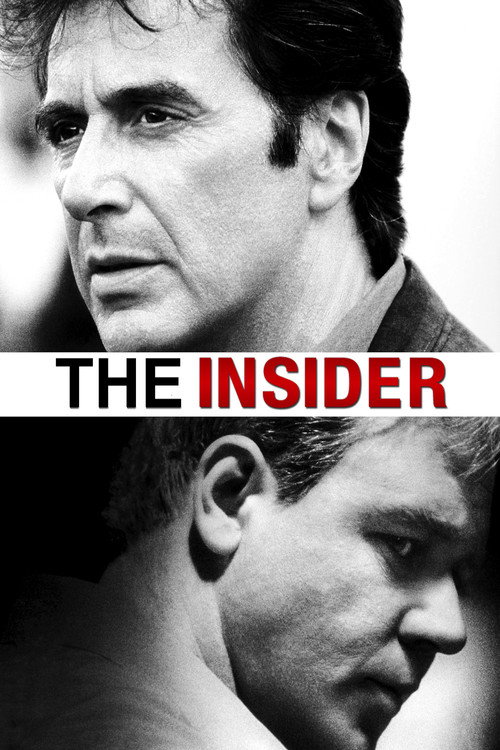
The Insider1999
Same engine under a different hood: a person with real knowledge says something true and inconvenient, and the people who should back them turn instead — courage costing you your allies is the through-line in both.
A tobacco executive turns whistleblower and finds himself abandoned by his own side, hounded by lawyers and the press, isolated for insisting on an unwelcome truth — Pacino and Crowe at their most controlled.
But It's a glossy, tense American thriller about corporate wrongdoing, not genocide — pure Michael Mann shadows and score, nothing like Arendt's austerity.
People
Cast
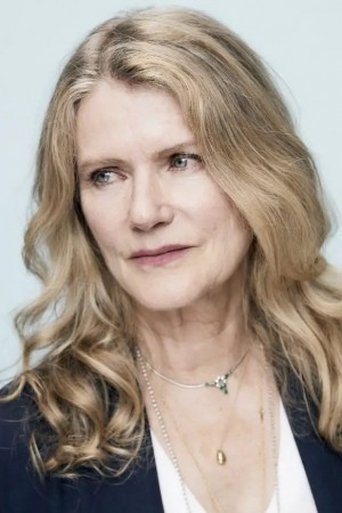 Barbara SukowaHannah Arendt
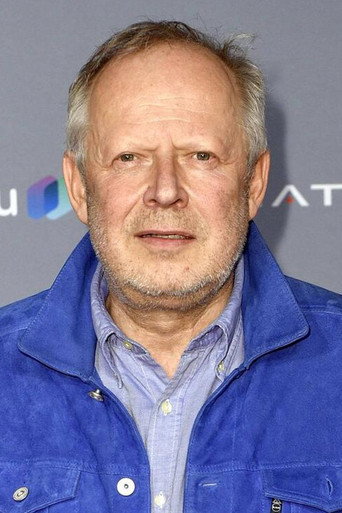 Axel MilbergHeinrich Blücher
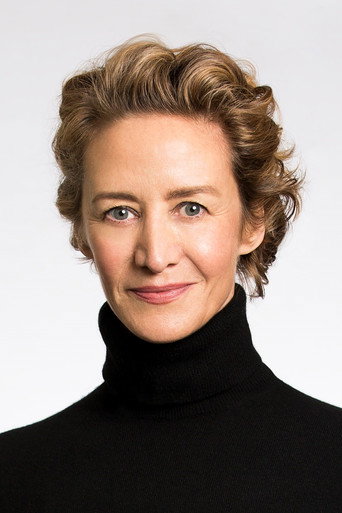 Janet McTeerMary McCarthy
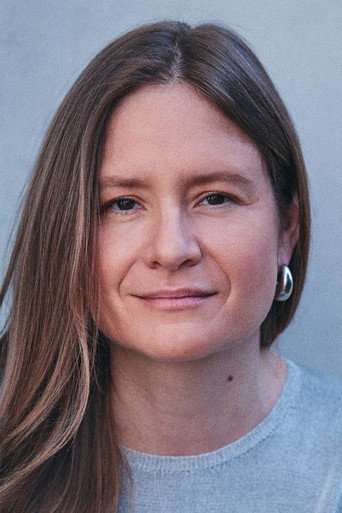 Julia JentschLotte Köhler
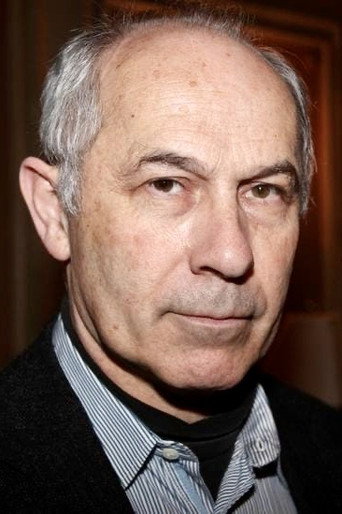 Nicholas WoodesonWilliam Shawn
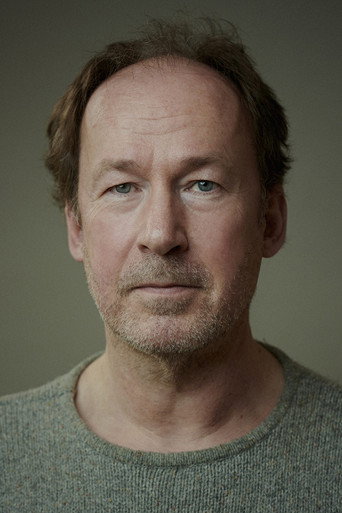 Ulrich NoethenHans Jonas
- Leila SchausLaureen
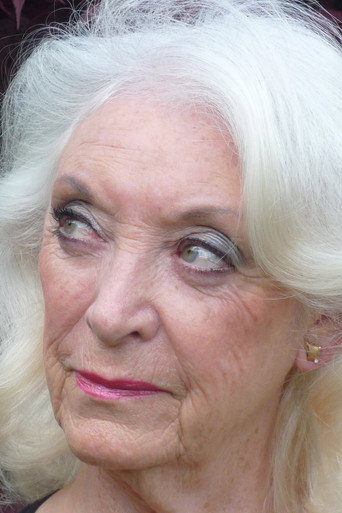 Claire JohnstonMs Serkin
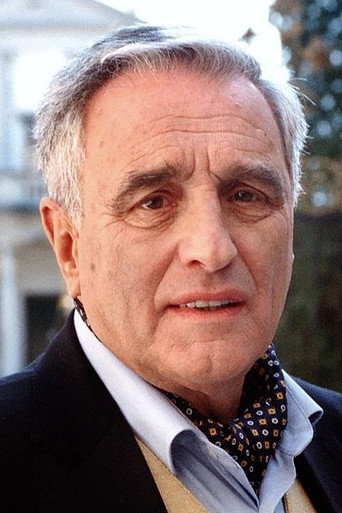 Michael DegenKurt Blumenfeld
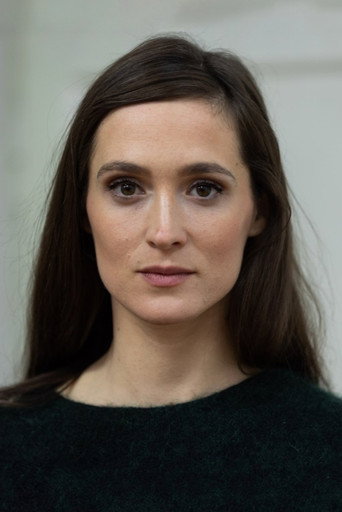 Friederike BechtYoung Hannah Arendt
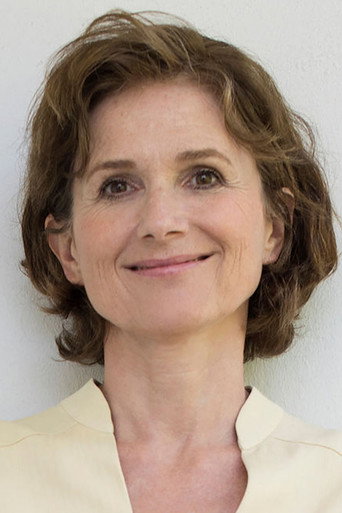 Victoria TrauttmansdorffCharlotte Beradt
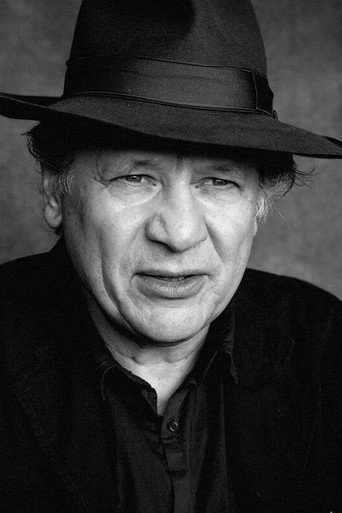 Klaus PohlMartin Heidegger
Directing
- Margarethe von TrottaDirector
Writing
- Margarethe von TrottaScreenplay
- Pamela KatzScreenplay
Production
- Alexander Dumreicher-IvanceanuCo-Producer
- Antoine de Clermont-TonnerreCo-Producer
- Bady MinckCo-Producer
- David SilberCo-Producer
- Michel ZanaCo-Producer
- Sophie DulacCo-Producer
- Micky RabinovitzLine Producer
- Rüdiger JordanLine Producer
- Sabine SchenkLine Producer
- Sascha VerheyLine Producer
- Bettina BrokemperProducer
- Johannes RexinProducer
Recommended by
Conspiracy, The Devil Next Door, Operation Finale, The Eichmann Show, The Zone of Interest, Obedience, Experimenter