
Film
What Our Fathers Did: A Nazi Legacy
A documentary about moral reckoning across generations. Lawyer Philippe Sands interviews the sons of two Nazi war criminals—one who utterly repudiated his father, one who defends him—and asks what we inherit and what we choose. Unsettling, intimate, difficult. For anyone grappling with family legacy, complicity, or how societies reckon with their pasts.
Should you watch it?
Watch it if you want a documentary that treats inherited guilt as a personal, unresolved question, and you are happy to sit with two sons who answer it in opposite ways.
Skip it if you need a sweeping, wide-angle history of the war, since this stays narrow, talking-head and close to a few living voices.
What it asks of you: Ninety minutes of unhurried, conversational sitting, with two opposing accounts held side by side and no tidy resolution offered.
Not sure? Find tonight's pick in a minute.
If you liked this
Shoah1985
Claude Lanzmann's nine-hour oral history of the Holocaust is the definitive documentary on the subject. Survivors, witnesses, perpetrators, and bystanders speak. It's patient, devastating, and essential.
But Nine hours is a genuine commitment. The lack of archival footage means it can feel slow if you're expecting conventional documentary pacing.

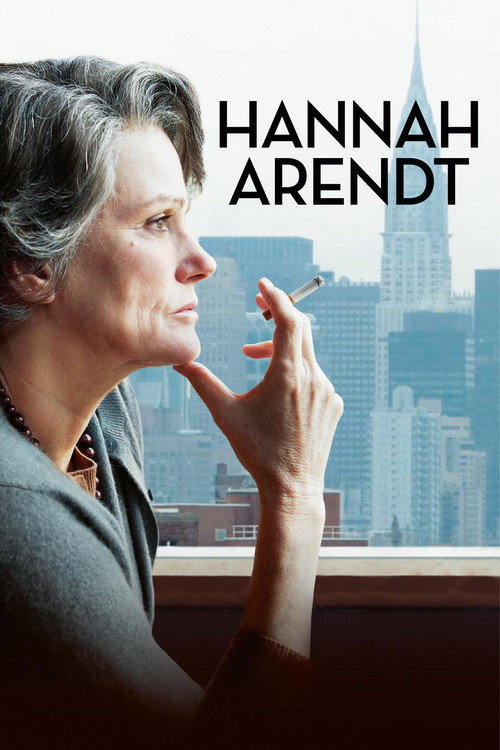
Hannah Arendt2012
Explores the trial of Adolf Eichmann through the eyes of the philosopher who covered it. Intellectually rigorous and dramatically compelling—a film about ideas that never feels like a lecture.
But The moral philosophy can be dense. Some viewers find the pacing deliberate rather than gripping.
The Act of Killing2012
Indonesian death squad leaders are asked to reenact their own murders on film. Surreal, horrifying, and strangely moving—a document of how perpetrators construct narratives around atrocity.
But The reenactments are grotesque and disturbing. Some find the filmmaker's method ethically troubling.

Not sure tonight? Get a pick in a minute, starting from What Our Fathers Did: A Nazi Legacy
The wildcard
Something you would not have found on your own.
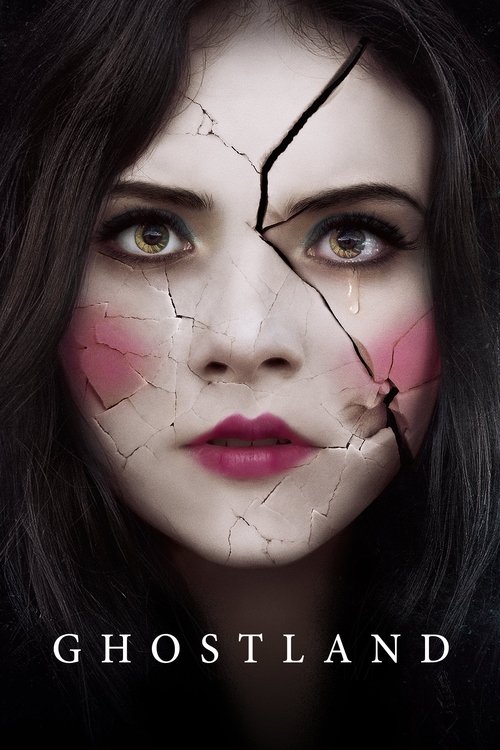
Ghostland2018
Both explore how families carry unspeakable violence in their bodies and homes. Both ask: how do we live with knowledge we cannot undo?
A French horror film about two sisters returning to their childhood home where a massacre occurred. Uses genre grammar—jump scares, gore, supernatural imagery—to explore trauma and fractured memory instead of historical atrocity. That makes it feel almost frivolous at first, then unbearably intimate.
But The tonal shift from horror to introspection confuses some viewers. It's also deeply violent in ways that prioritize feeling over meaning.
More like this (6)
Come and See1985
A Soviet film following a boy conscripted into WWII. Raw, visceral, and psychologically devastating—the closest cinema has come to conveying the truth of war as experienced by civilians and soldiers.
But It's relentlessly bleak and contains graphic violence. Not a film that leaves you feeling uplifted or resolved.

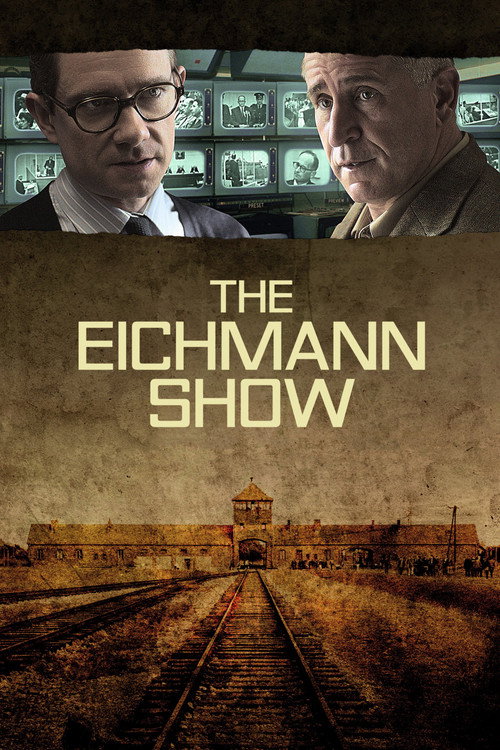
The Eichmann Show2015
The story of how the 1961 Eichmann trial was televised. Explores how society witnesses justice and how image-making shapes historical memory. Thoughtful and surprisingly gripping.
But Released the same year as your title; both examine post-war reckoning through a legal lens, which some may find repetitive.
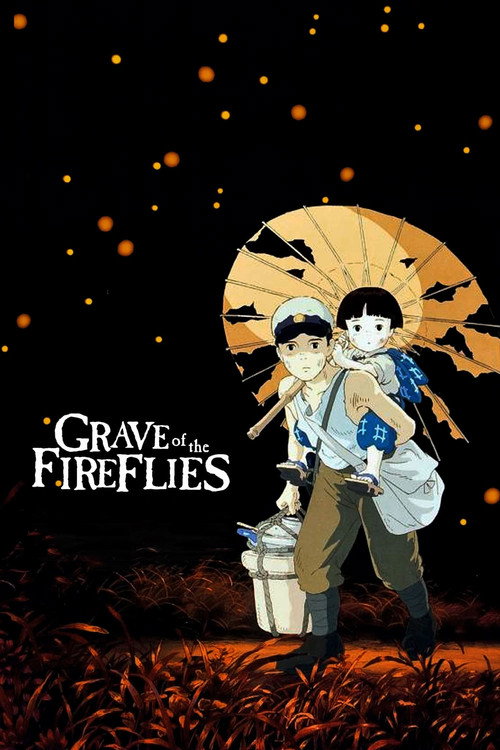
Grave of the Fireflies1988
An animated film following two siblings surviving WWII Japan. Heartbreaking and delicate—it shows civilian suffering without exploiting it. A masterpiece of restraint and emotion.
But Animation can make viewers expect lightness. This is as dark and tragic as war cinema gets. The ending is utterly bleak.
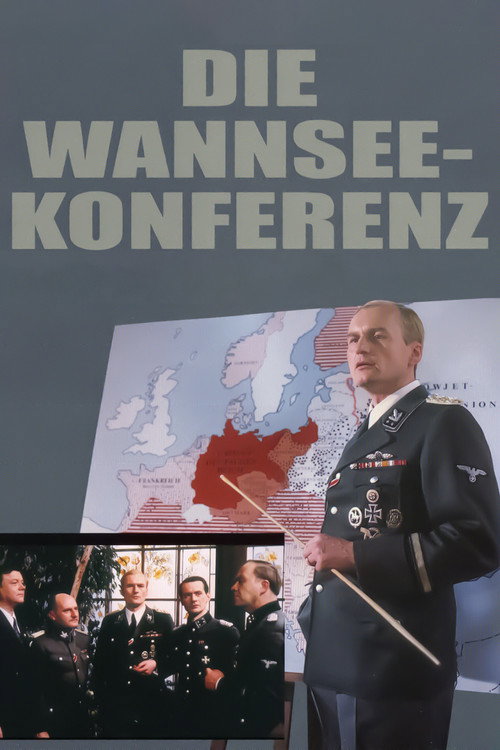
The Wannsee Conference1984
A German television play recreating the 1942 meeting where Nazi officials coordinated the Final Solution. Understated, procedural, and deeply chilling—bureaucracy as horror.
But Largely confined to one room. If you need visual variety or dramatic action, the chamber-play format will feel claustrophobic.
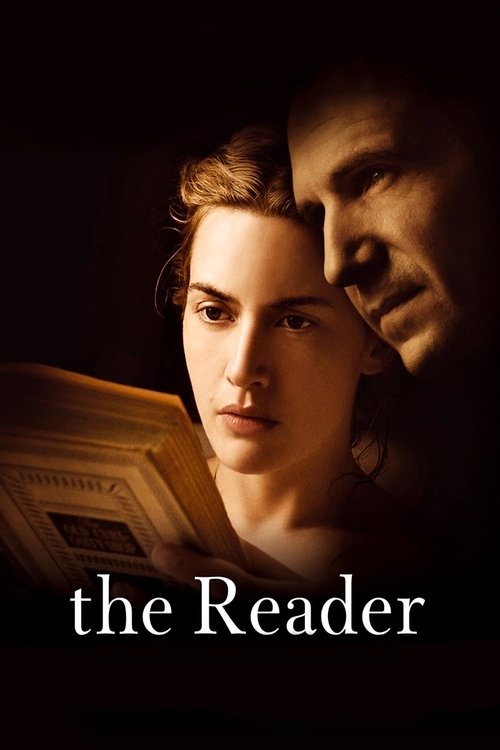
The Reader2008
Like Niklas Frank and Horst von Wächter, the film refuses easy moral positioning. It asks: can you love someone who did terrible things? What does that love cost?
A German woman and a young man fall in love; later he discovers she was a Nazi war criminal. Literary, sensual, morally complex—it does something rarely done in Holocaust cinema: it asks us to sympathize with someone complicit without excusing complicity.
But Some feel it's too sympathetic to the perpetrator. Others find the romance subplot manipulative given its context.
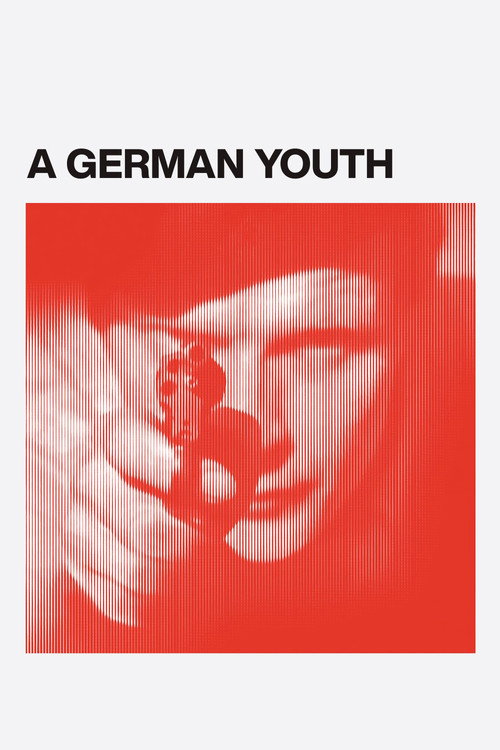
A German Youth2015
Released the same year, it mirrors your film's central question: what responsibility do children bear for their parents' crimes? But as fiction, it explores emotion where your film explores ideology.
A German drama about a boy whose father is revealed to have been a Nazi collaborator. Quiet, introspective, about the shame and confusion of inheriting history you didn't choose. German cinema's answer to generational reckoning.
But Deliberately paced and interior. Very little happens in conventional terms. Patience with silence is required.
People
Cast
- Niklas FrankHimself
- Philippe SandsHimself
- Horst von WächterHimself
Directing
- David EvansDirector
Writing
- Philippe SandsWriter
Production
- Josephine DaviesAssociate Producer
- David EvansExecutive Producer
- Nick FraserExecutive Producer
- Philippe SandsExecutive Producer
- Amanda PoseyProducer
- Finola DwyerProducer