
Film
The Wannsee Conference
- Crime
- Very dark
A real-time dramatization of the 1942 Wannsee Conference, where Nazi officials gathered to plan the Holocaust. Shot as a single room, single day procedural, it watches bureaucrats systematize genocide with chilling ordinariness. Essential historical document dressed as chamber piece. For those willing to witness how atrocity becomes administrative routine.
Should you watch it?
Watch it if you are drawn to cold, dialogue-driven history where the horror lives in bureaucratic euphemism, and you don't need violence on screen to feel the weight of what is being decided.
Skip it if the whole film is men around a table, so if you need momentum or any relief from the subject, its stagy, airless staging will test your patience.
What it asks of you: Just under ninety minutes of unbroken talk, in one room, with almost no cutaways; it rarely lifts its eyes from the table.
Not sure? Find tonight's pick in a minute.
If you liked this
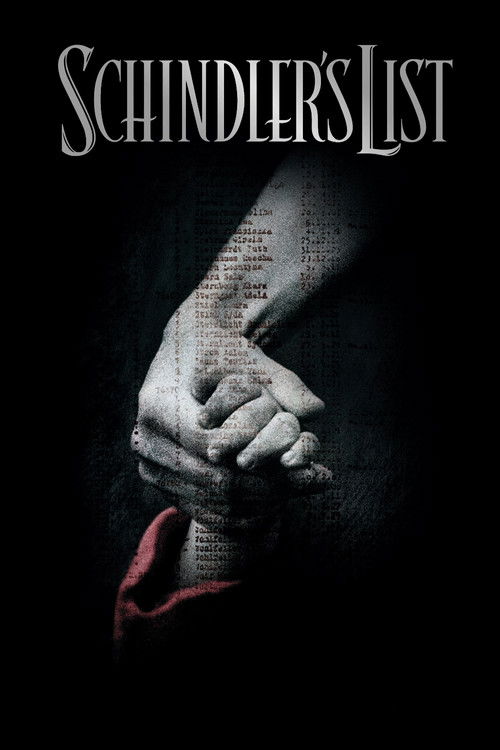
Schindler's List1993
Spielberg's masterwork transforms the Holocaust from historical abstraction into intimate human stakes. You see both the machinery of death and the impossible moral choices individuals make within it. Essential viewing that respects its subject's weight.
But Three and a half hours, and deliberately unflinching in its depiction of violence and suffering. The emotional toll is immense and earned.
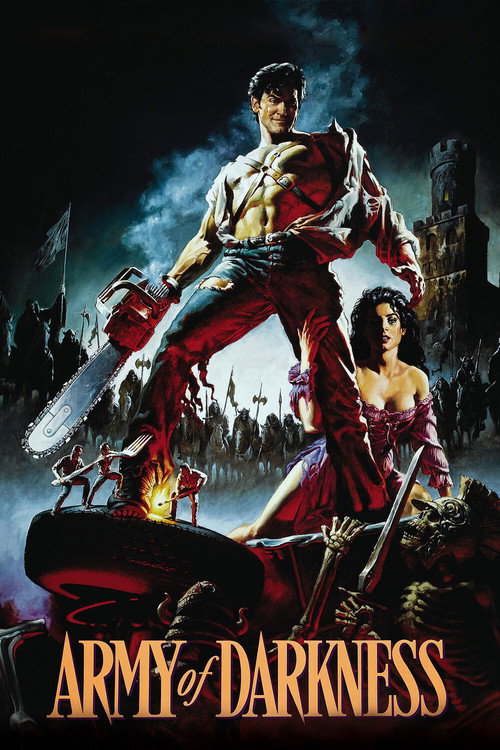
Army of Darkness1992
Haneke examines a 1942 Viennese family, their secrets, and their moral rot. Like Wannsee, it focuses on how ordinary lives entangle with historical atrocity. The discomfort is philosophical, not exploitative.
But Deliberately slow and oblique. Haneke trusts you to draw your own conclusions, which some find frustrating rather than thoughtful.
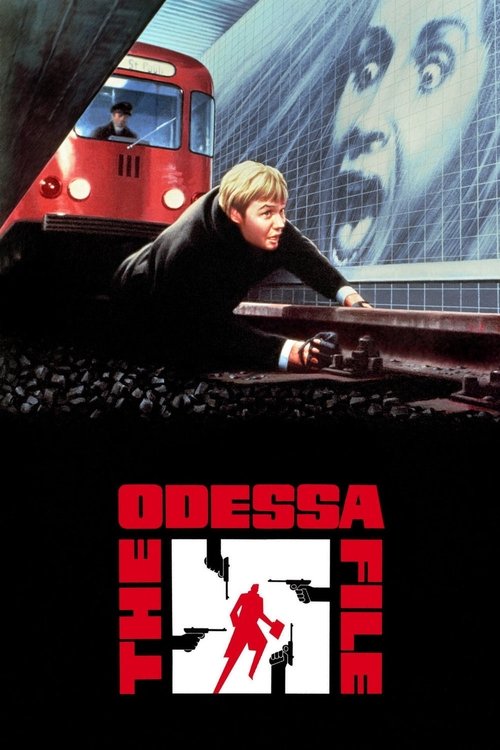
The Odessa File1974
Thriller about hunting Nazi war criminals after the war. It channels the rage Wannsee deliberately withholds, and asks what justice means when the systems that enabled atrocity remain intact. Satisfying in ways a documentary can't be.
But Mainstream 1970s spy thriller, so it sometimes prioritizes momentum over historical nuance. The moral stakes get secondary to the chase.
Not sure tonight? Get a pick in a minute, starting from The Wannsee Conference
The wildcard
Something you would not have found on your own.
Come and See1985
Both document systematic destruction, but Wannsee is the design and Come and See is the detonation. One is the plan; the other is the ruin.
Soviet director Elem Klimov's Belarusian odyssey. A boy watches his village annihilated by Nazi occupation. Where Wannsee is coldly rational about the Final Solution, this film shows its actual consequence: the complete erasure of life. The most devastating anti-war film ever made.
But Relentlessly brutal imagery and despair. Not an intellectual exercise but a sensory assault meant to break you. Demand that you sit with horror, not explain it. Bring emptiness and time to recover after.

More like this (4)
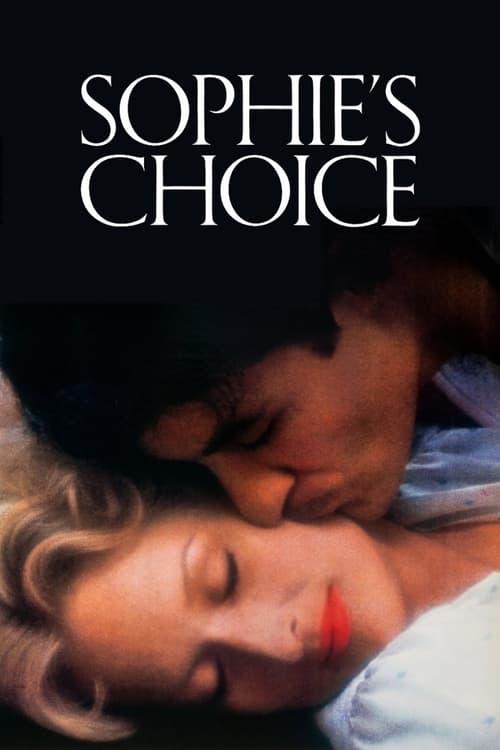
Sophie's Choice1982
Meryl Streep's performance is universally acclaimed, but the film matters because it centers a survivor's impossible memory. Unlike procedural accounts, it asks what living after the Holocaust means. Emotionally devastating but necessary.
But The framing device featuring a contemporary romance subplot can feel like unwelcome distraction from the historical material. Some find it dilutes the weight.
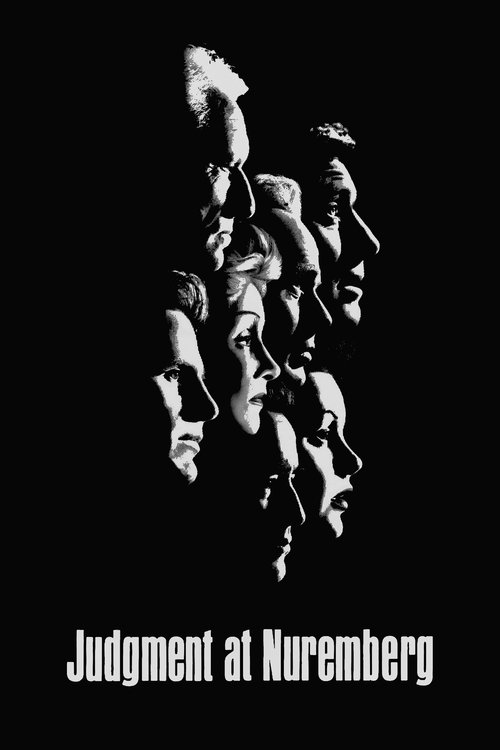
Judgment at Nuremberg1961
Spencer Tracy presiding over a trial of Nazi judges. Directly addresses the question Wannsee raises: how do you hold bureaucrats accountable when they were following orders? Still vital in its moral clarity.
But Made in 1961, so it sometimes feels like a courtroom drama first and Holocaust reckoning second. The filmmaking is assured but not visceral.
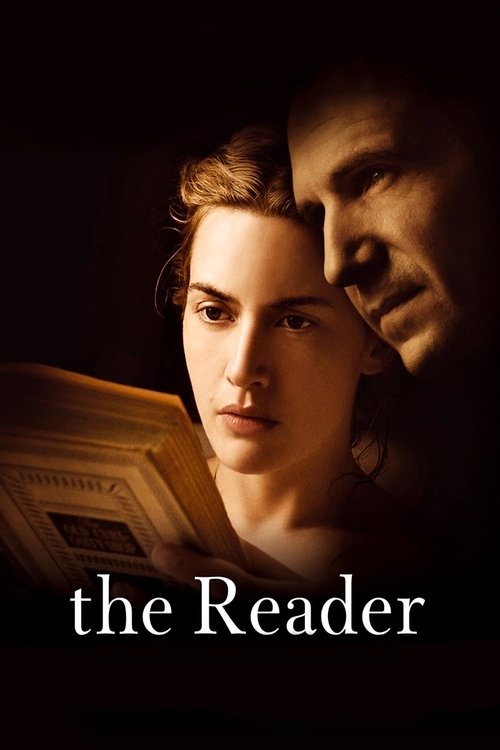
The Reader2008
A woman who participated in atrocity must face the consequences years later. Explores complicity, shame, and the impossible question of forgiveness. Nuanced where easy judgment might apply.
But Some view it as too sympathetic to a war criminal. The moral ambiguity infuriates those wanting clearer condemnation.
The Act of Killing2012
Both examine how ordinary men systematized mass killing without apparent internal conflict. Wannsee is how they planned it; Act of Killing is how they lived with it afterward.
Indonesian documentary asking perpetrators of 1960s genocide to re-enact their own murders. Shocking not for what it shows but for how it exposes the psychology of men who killed thousands and never faced consequence. The mechanism of moral erasure and justification is laid bare.
But Deeply disturbing methodology: giving killers a platform and production resources to celebrate their crimes. Some view the film itself as morally compromised for enabling this. Difficult philosophical ground on whether understanding requires this cost.

People
Cast
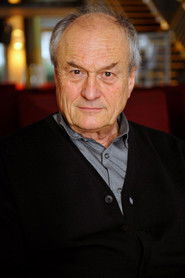 Dietrich MattauschSS-Obergruppenführer Reinhard Heydrich
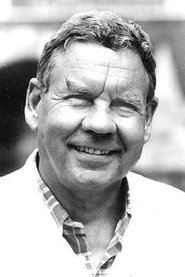 Harald DietlGauleiter Dr. Alfred Meyer
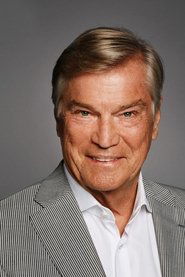 Jochen BusseDr. Georg Leibbrandt
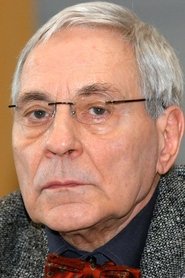 Peter FitzDr. Wilhelm Stuckart
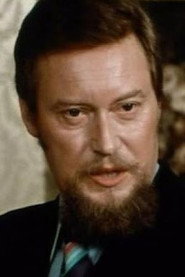 Dieter GroestDr. Erich Neumann
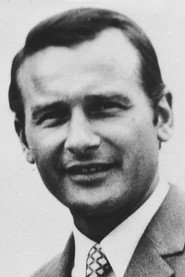 Reinhard GlemnitzDr. Josef Bühler
- Franz RudnickFriedrich Wilhelm Kritzinger
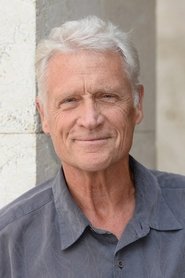 Robert AtzornOtto Hofmann
 Friedrich G. BeckhausHeinrich Müller
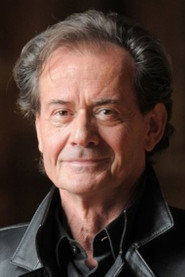 Gerd BöckmannAdolf Eichmann
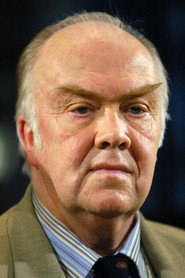 Martin LüttgeDr. Rudolf Lange
- Anita MallyThe Secretary
Directing
- Heinz SchirkDirector
Writing
- Paul MommertzWriter
Production
- Norbert BittmannCoordinating Producer
- Siegfried B. GlökerExecutive Producer
- Jochen RiedelProduction Manager
Recommended by
The Last of the Unjust, The Accountant of Auschwitz, What Our Fathers Did: A Nazi Legacy