
Film
The Accountant of Auschwitz
- Crime
- Very dark
A documentary about Oskar Gröning's 2015 trial for his role as a Nazi accountant at Auschwitz. Rather than a straightforward prosecution, it's an uncomfortable reckoning with how ordinary bureaucracy enabled industrial genocide, and what accountability means when the defendant is elderly and the war is seventy years past.
Should you watch it?
Watch it if you want a patient, forensic look at how ordinary paperwork and personal compromise sat beside mass murder, and you are ready to hear people speak for themselves.
Skip it if you need a story with momentum and invented scenes, since this is mostly interviews and archive, with a slow, dry rhythm that can feel repetitive.
What it asks of you: Seventy-eight minutes of careful, unhurried attention, with long stretches of quiet listening and few easy cues about how to feel; it stays grave throughout.
Not sure? Find tonight's pick in a minute.
If you liked this
Shoah1985
Claude Lanzmann's nine-hour oral history of the Holocaust, built from survivor and witness testimony. The definitive documentary on the subject: patient, devastating, and completely unsentimental.
But It's a genuine commitment—nearly half a day of your life. Some will find the length a barrier; others find it essential.

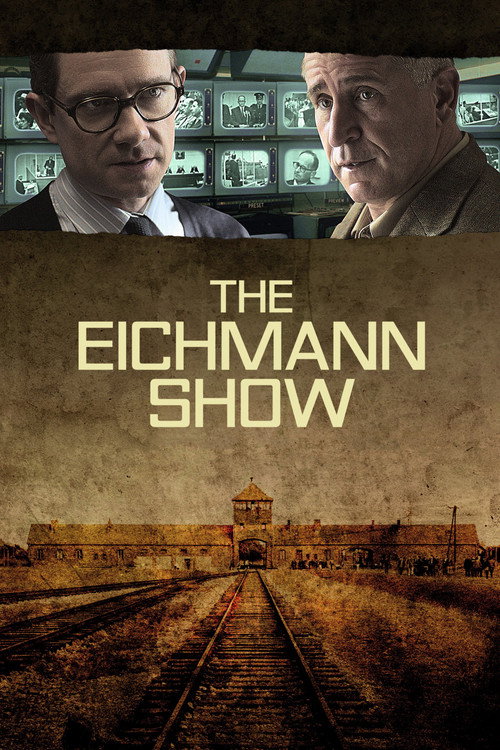
The Eichmann Show2015
Paul Andrew Williams dramatizes the 1961 trial of Adolf Eichmann with a focus on how the media shaped the proceedings. Explores the same courtroom dynamics and historical reckoning as Gröning's trial.
But As a dramatization, it simplifies complex history. Some viewers prefer their documentaries unmediated by scripts and actors.
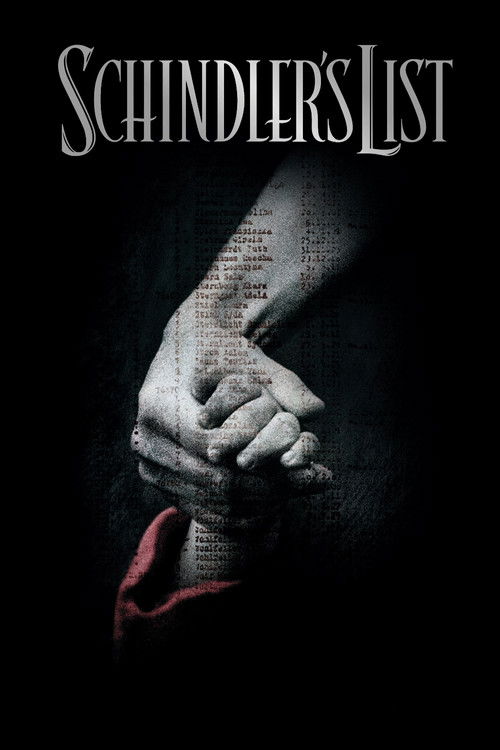
Schindler's List1993
Spielberg's unflinching narrative film about Oskar Schindler's rescue of Polish Jews. A direct counterpoint to Gröning's story—another accountant and bureaucrat, but one who used the system to save lives.
But Its emotional power and historical weight can feel overwhelming; some resist its reputation as the definitive Holocaust film.
Not sure tonight? Get a pick in a minute, starting from The Accountant of Auschwitz
The wildcard
Something you would not have found on your own.
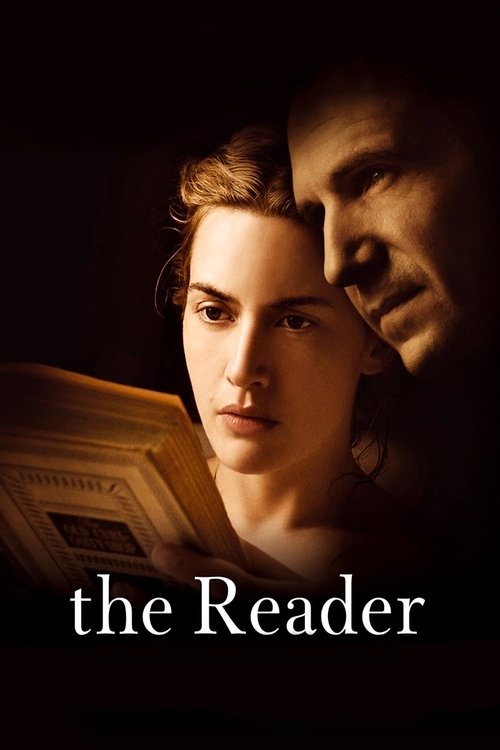
The Reader2008
Both examine how we reckon with ordinary people who participated in atrocity, and both ask whether understanding erases accountability or deepens it.
Stephen Daldry's film about a woman revealed to be an Auschwitz guard years after WWII, and the younger man processing his love for her against her history. It's a wildcard because it makes you complicit in moral ambiguity—you'll find yourself defending the indefensible.
But Many view it as morally muddled or soft on Nazi complicity. The film's sympathy for a perpetrator makes some viewers deeply uncomfortable.
More like this (5)
Come and See1985
Elem Klimov's devastating Soviet film about a boy caught in Nazi occupation of Belarus. Raw, visceral, and deeply humanizing in ways that documentary alone sometimes cannot achieve.
But It's extremely graphic and brutal. This is not edifying viewing—it's confrontation with horror, and it takes a toll.

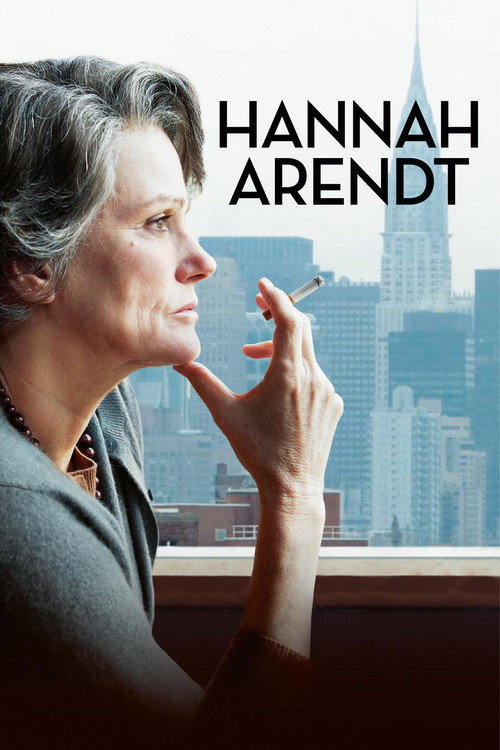
Hannah Arendt2012
Margarethe von Trotta dramatizes Arendt's coverage of Eichmann's trial and her controversial 'banality of evil' concept. Directly relevant to understanding how we judge bureaucratic complicity in atrocity.
But It's a film about intellectual debate and writing, not action. If you need dramatic momentum, the lengthy philosophical scenes may test you.
Night and Fog1956
Alain Resnais's 32-minute essay film on concentration camps uses archive footage, contemporary footage, and sparse narration. A masterwork of restraint and historical witnessing that shaped how documentaries approach the Holocaust.
But Its brevity and symbolic language mean it requires active attention. It's not a summary; it's a poem, and some viewers prefer clarity over implication.

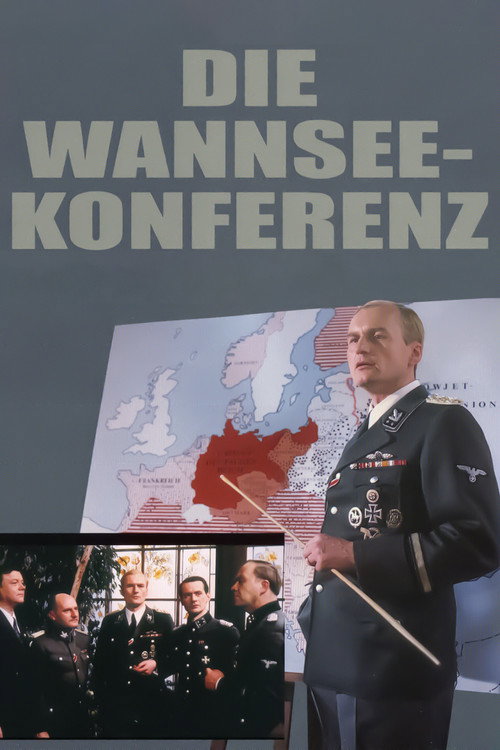
The Wannsee Conference1984
A German TV drama that reconstructs the 1942 meeting where Nazi officials coordinated the Final Solution. Illuminates the bureaucratic machinery that Gröning's role was part of, and the language they used to organize genocide.
But It's slow, dialogue-heavy, and confined to a single room. Its power is intellectual rather than visceral, which won't satisfy everyone.
The Act of Killing2012
Both are about confronting perpetrators with their own history and asking what confession or reckoning actually means when the person never admits guilt or regret.
Joshua Oppenheimer's documentary asks Indonesian death-squad leaders to recreate their own killings on film. Instead of judgment, he offers them a mirror. Unsettling, brilliant, and radically different in method from Gröning's trial footage.
But It's extremely disturbing and uses surreal dramatization alongside documentary. Its ethics are debated—some feel it gives perpetrators a platform without sufficient accountability.

People
Cast
- Oskar GröningSelf (archive footage)
- Bill GliedSelf
- Hedy BohmSelf
- Thomas WaltherSelf
- Kai FeldhausSelf
- Astrid SteinertSelf
- Max EisenSelf
- Eva Mozes KorSelf
 Rainer HößSelf
 Alan DershowitzSelf
 Benjamin FerenczSelf
Directing
- Matthew ShoychetDirector
Writing
- Ricki GurwitzWriter