
Film
The Reader
A fractured love story spanning decades, beginning with a secret affair between a teenage boy and an enigmatic older woman in 1950s Germany—only to discover, years later, that she was a Nazi concentration camp guard. It's intimate and devastating, asking merciless questions about complicity, shame, and whether understanding can ever absolve guilt. For anyone haunted by moral ambiguity.
Should you watch it?
Watch it if you want a slow, restrained drama where the moral weight lands quietly, and you are happy to sit with an uncomfortable love story that refuses to tidy up its own guilt.
Skip it if you need a story to earn its emotions quickly, or you find the idea of a romance tangled up with wartime atrocity too unsettling to sit through over two hours.
What it asks of you: Around two hours, unhurried, with long stretches of quiet scenes and a tone that stays grave, so it rewards patience more than momentum.
Not sure? Find tonight's pick in a minute.
If you liked this
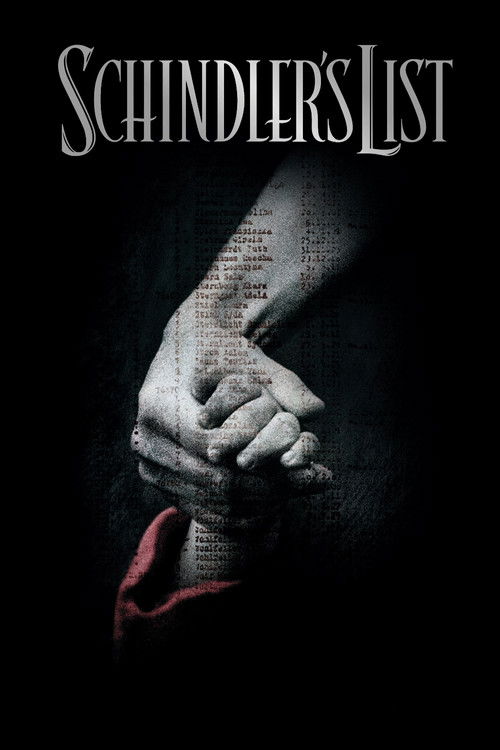
Schindler's List1993
The definitive examination of Holocaust guilt and moral choice. Spielberg's unflinching approach to historical atrocity and the weight of responsibility creates a framework that illuminates *The Reader*'s central tensions.
But Three and a half hours of unrelenting heaviness. Some find its emotional directness manipulative rather than earned.
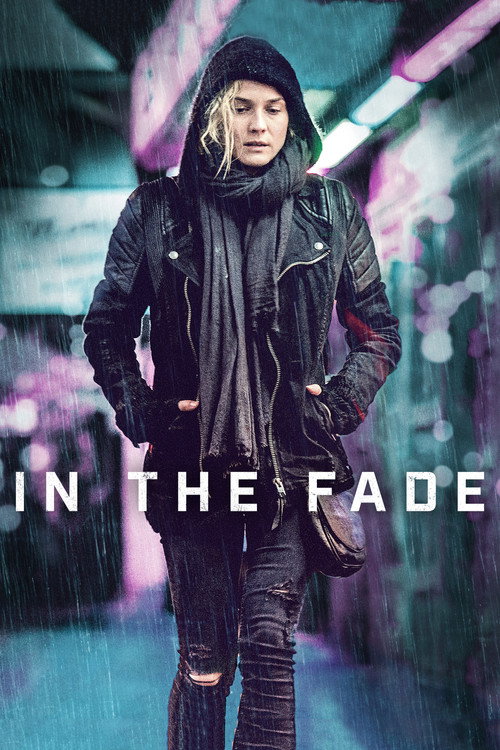
In the Fade2017
Diane Kruger's shattering performance as a woman destroyed by loss and rage. Like *The Reader*, it examines how trauma rewrites identity and whether justice can ever address the scale of suffering.
But Glacially paced. The second half pivots away from plot in ways that frustrate viewers looking for catharsis.
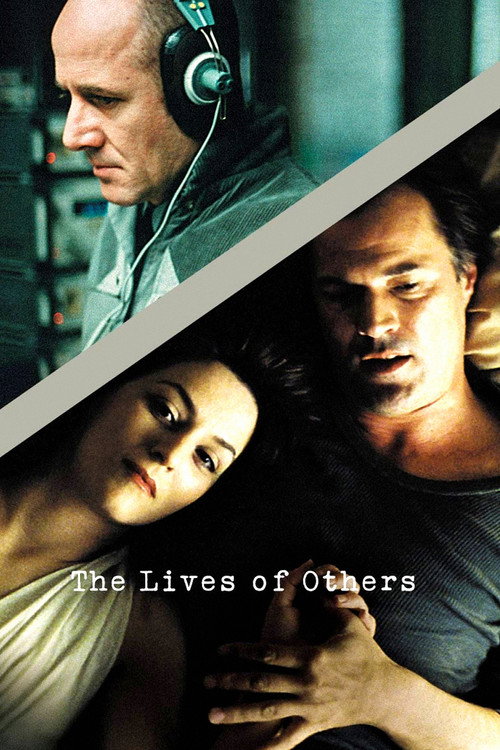
The Lives of Others2006
A devastating meditation on complicity and moral awakening set in East Berlin. It captures that same cold shame of realizing you've been on the wrong side of history, and what that knowledge costs.
But Deliberately subdued. The power is in what's unsaid, which can feel remote if you're looking for emotional warmth.
Not sure tonight? Get a pick in a minute, starting from The Reader
The wildcard
Something you would not have found on your own.
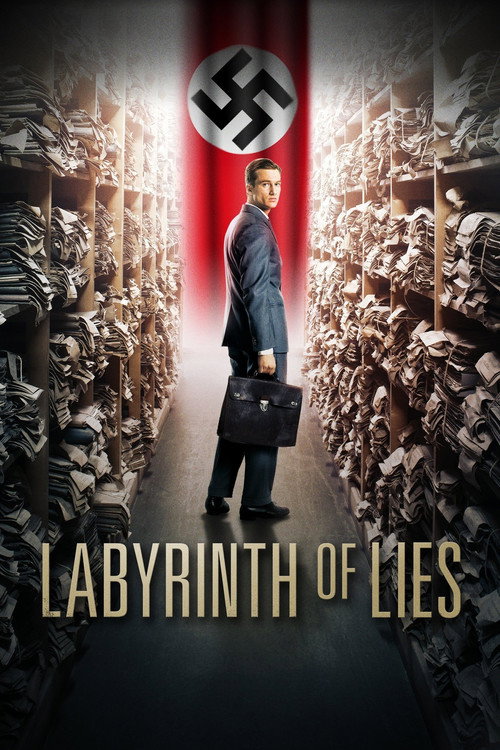
Labyrinth of Lies2014
Both follow Germans in the postwar years confronting the systematic evil they unknowingly inhabited. *The Reader* looks inward; this looks outward at how institutions protected perpetrators.
A German prosecutor investigates former concentration camp guards in the 1960s. It's *The Reader*'s sister film—same historical moment, same questions about justice and denial, but from the perspective of pursuit rather than confession.
But Procedurally dry and little-seen outside festivals. The investigation matters more than character revelation, which some find distant.
More like this (7)
Spotlight2015
Methodical, intelligent reporting on institutional evil and the people who concealed it. Shares *The Reader*'s interest in how ordinary systems protect extraordinary wrongdoing.
But Procedurally focused rather than emotionally intense. Some find the restraint cold.

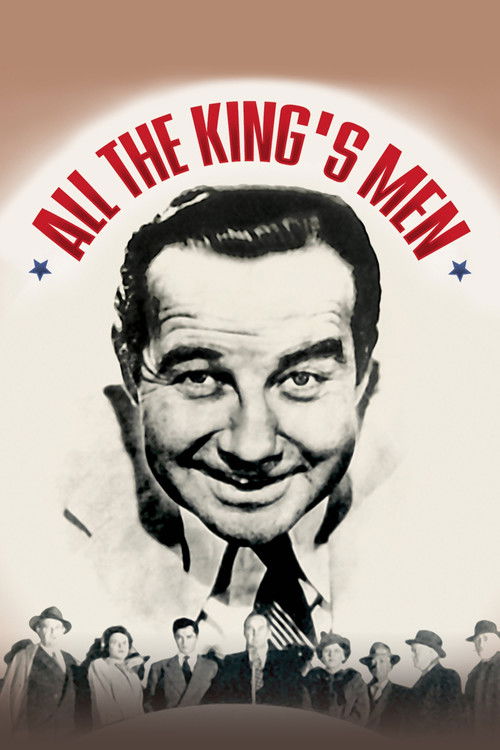
All the King's Men1949
Sean Penn and Kate Winslet exploring corruption, ambition, and the seductive logic of power. It asks similar questions about how good people rationalize complicity.
But The plot is tangled and the film tries to cram too many thematic threads. It buckles under its own weight.
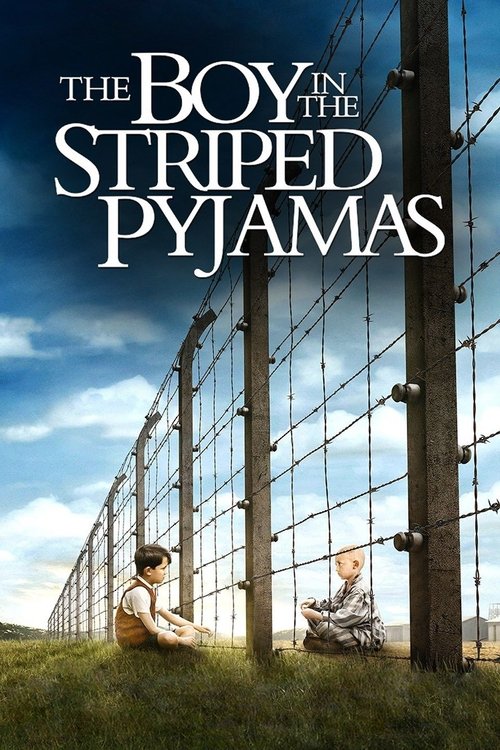
The Boy in the Striped Pyjamas2008
A Nazi-era narrative told through a child's widening understanding of horror. Complements *The Reader*'s interest in how innocence and knowledge collide.
But Its central conceit—the boy's naïveté—strains credibility for many viewers. Some find it dishonest in its use of perspective.
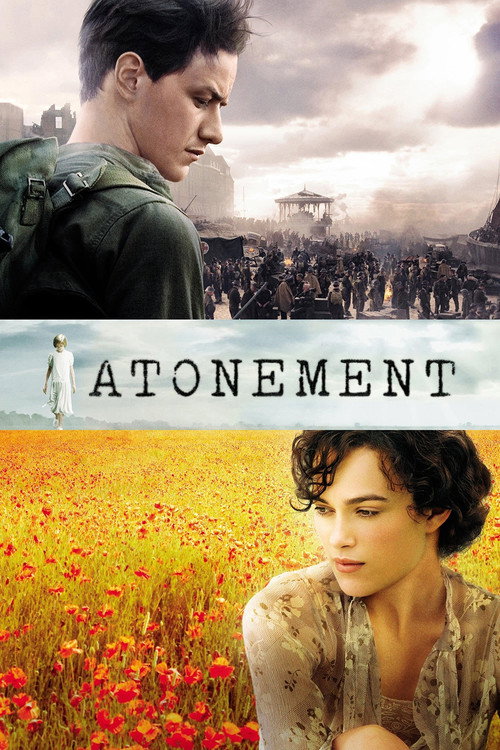
Atonement2007
A lie that destroys lives, a woman haunted by a false accusation, a lifetime of trying to atone. Same moral architecture as *The Reader*: past sins that can't be undone by understanding.
But Formally showy in ways that can feel like style over substance. The third act divides opinion sharply.
The Remains of the Day1993
Anthony Hopkins as a man who served a Nazi sympathizer and spent decades rationalizing his silence. A quiet masterpiece about duty, shame, and the cost of looking away.
But Understated to the point of invisibility. If you need overt emotion or incident, this will feel like nothing happened.

Tokyo Story1953
Both are studies in the helplessness of love. *The Reader* is about erotic connection across an impossible gulf; this is about familial love meeting time and acceptance. Same engine: desire to reach someone you can't.
Ozu's masterpiece about aging, loss, and the unbridgeable distance between people who love each other. It shares *The Reader*'s quiet devastation and understanding that knowing someone doesn't mean you can save them.
But Glacially slow, plotless, and in Japanese. If you need narrative momentum or emotional catharsis, this will feel like watching paint dry.

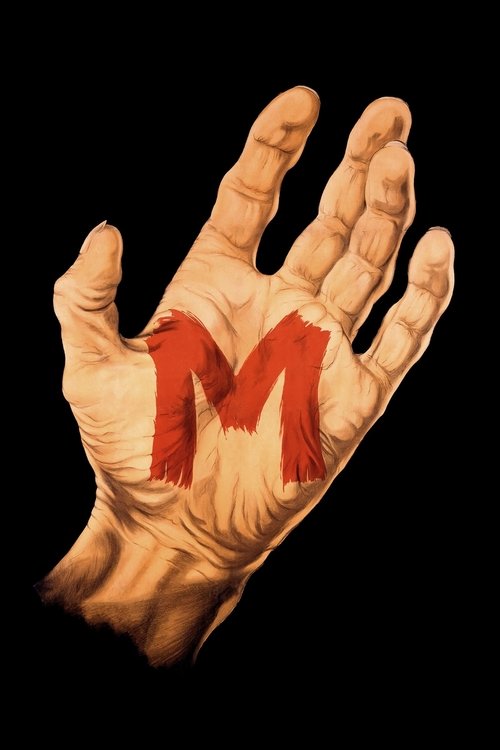
M1931
Both explore how societies shelter predators through denial and compartmentalization. *The Reader* makes it personal; this makes it systemic. Together they explain how Germany became itself.
Fritz Lang's German masterpiece about a child killer hunted by both police and the underworld. It's a visceral examination of how ordinary people become monsters, and how society creates the conditions for evil.
But 1931 German cinema: silent title cards, expressionist technique, and a deeply disturbing subject matter. The moral complexity won't feel like moral clarity.
People
Cast
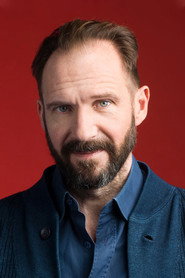 Ralph FiennesMichael Berg
 Kate WinsletHanna Schmitz
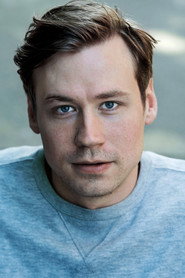 David KrossYoung Michael Berg
 Lena OlinRose Mather
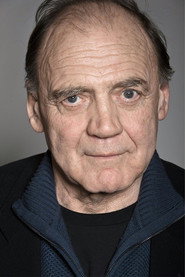 Bruno GanzProfessor Rohl
 Jeanette HainBrigitte
 Hannah HerzsprungJulia
 Karoline HerfurthMarthe
 Volker BruchDieter Spenz
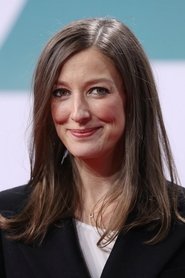 Alexandra Maria LaraYoung Ilana Mather
 Fabian BuschHanna's Defense Council
 Vijessna FerkicSophie
Directing
- Stephen DaldryDirector
- Katri BillardScript Supervisor
- Susanna LentonScript Supervisor
Writing
- Bernhard SchlinkBook
- David HareScreenplay
Production
- Jina JayCasting
- Simone BärCasting
- Jason BlumCo-Executive Producer
- Carl WoebckenCo-Producer
- Christoph FisserCo-Producer
- Henning MolfenterCo-Producer
- Bob WeinsteinExecutive Producer
- Harvey WeinsteinExecutive Producer
- Anthony MinghellaProducer
- Donna GigliottiProducer
- Redmond MorrisProducer
- Sydney PollackProducer
Recommended by
Schindler's List, Judgment at Nuremberg, Black Book, The Boy in the Striped Pyjamas, The Eichmann Show, Unsere Mütter, unsere Väter, The Debt, Sophie's Choice, Sophie Scholl: The Final Days, Julia, Sunshine, Defiance, Notes on a Scandal, The Book Thief, Nuremberg, The Human Stain, Munich - The Edge of War, Jakob the Liar, The Railway Man, Suite Française, Fatherland, Sarah's Key, Taking Chance, Apt Pupil, Labyrinth of Lies, The White Rose, Swing Kids, The Guernsey Literary & Potato Peel Pie Society, Into the Arms of Strangers: Stories of the Kindertransport, The Wannsee Conference, The Accountant of Auschwitz, Milada, The Memory Thief, Night Train to Lisbon, The Exception, The Decent One, Burning at Both Ends, The Hiding Place, Holocaust, Dig, My Neighbor Adolf, Before the Fall, Eichmann, The Invisibles, The Mortal Storm, What Our Fathers Did: A Nazi Legacy, 50 Children: The Rescue Mission of Mr. and Mrs. Kraus, Fugitive Pieces, National Theatre Live: Leopoldstadt, The Secrets We Keep, Hitler's SS: Portrait in Evil, The Scarlet and the Black, Hitler: The Last Ten Days