
Film
The Debt
- Crime
- Drama
- Cold-case mystery
- Very dark
A Mossad agent confronts the consequences of a 1965 mission to capture a Nazi war criminal when evidence emerges he may be alive. Director John Madden intercuts between Helen Mirren's composed present and Jessica Chastain's younger self, building mounting dread as certainty corrodes. It's a slow-burn thriller about how secrets calcify into lies, and the price of myth-making. For anyone who loves moral complexity served cold.
Should you watch it?
Watch it if you like thrillers where the suspense is built from memory and guilt rather than gunfire, and where a past decision keeps tightening its grip on people in their sixties.
Skip it if you expect a brisk genre romp, because it moves in careful, backward-glancing steps and lingers inside its characters' unease.
What it asks of you: Set across two timelines, it takes its time, stays grave for most of its two hours, and rewards close attention to faces and silences more than to plot mechanics.
Not sure? Find tonight's pick in a minute.
If you liked this
Tinker Tailor Soldier Spy2011
Gary Oldman's glacial spy-master hunts a Soviet mole through the fog of the Cold War. Like The Debt, it trusts you to feel the weight of deception and professional compartmentalisation, building dread through silence and glances rather than action.
But Deliberately paced and oblique. If you need exposition spelled out or regular plot momentum, the first hour may feel airless and frustratingly vague.

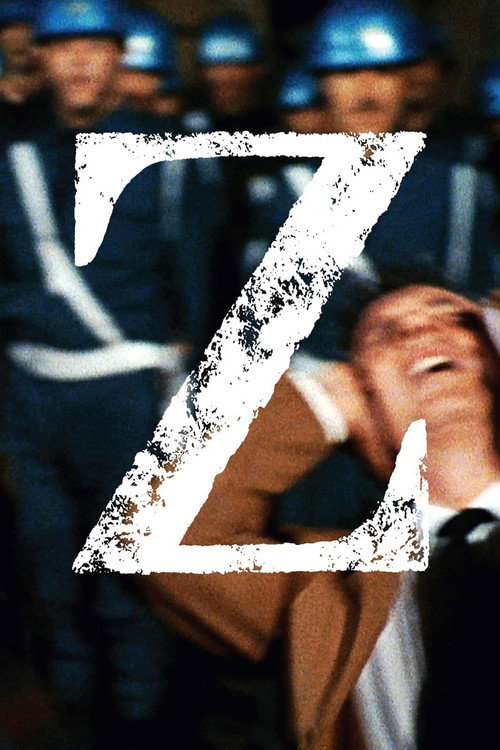
Z1969
Costa-Gavras's masterpiece about investigating a political assassination in a dictatorship. Shares The Debt's architecture of uncovering suppressed truth, but with the electric energy of 1960s cinema and a moral urgency that never dates.
But The political context is Greek and dated enough that you may need to pay close attention; it doesn't explain itself as you go. Some violence is sudden and unsettling.
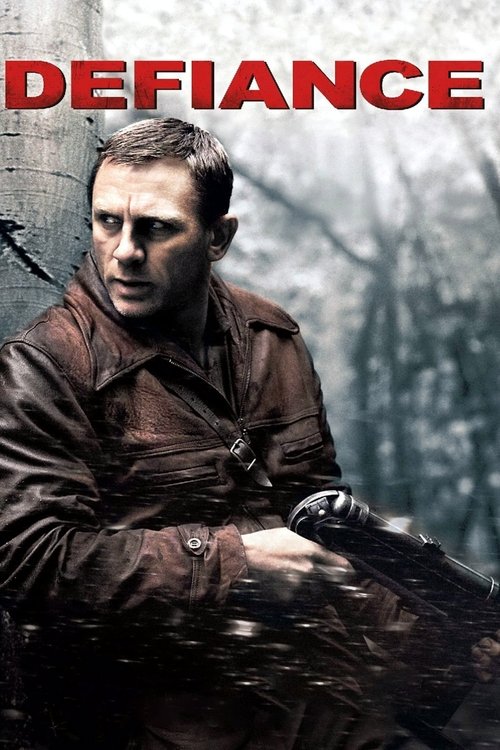
Defiance2008
Daniel Craig and Liev Schreiber as Jewish brothers leading a resistance movement in WWII. It shares The Debt's grey moral territory—survival and vengeance aren't always noble—and the same fascination with how people endure under historical pressure.
But More conventional in structure and tone. If you're after something as psychologically intricate as The Debt, this will feel more straightforward, even if the material is just as dark.
Not sure tonight? Get a pick in a minute, starting from The Debt
The wildcard
Something you would not have found on your own.
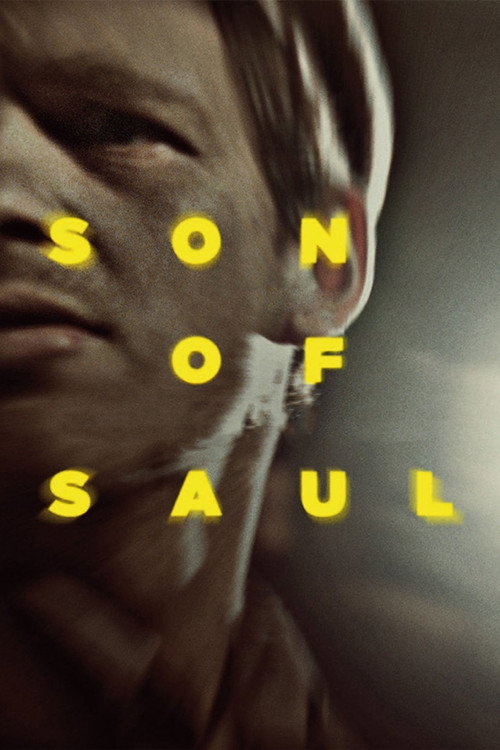
Son of Saul2015
Both are about Jewish survivors of Nazi persecution, but where The Debt is about the aftermath and the lies we tell, Son of Saul is about resistance and dignity in the moment of annihilation. Watching them together shows two completely different responses to the same historical wound.
A Sonderkommando in Auschwitz works to give a murdered boy a proper burial. Like The Debt, it's about one person holding onto humanity inside a system designed to destroy it—but it's filmed in claustrophobic real-time, forcing you to inhabit the horror rather than analyse it from distance. Obliterates you.
But Intensely difficult. The film doesn't step back for breath or perspective; watching it is an act of witness that some may find unbearable or exploitative, depending on what you believe art owes to atrocity.
More like this (8)
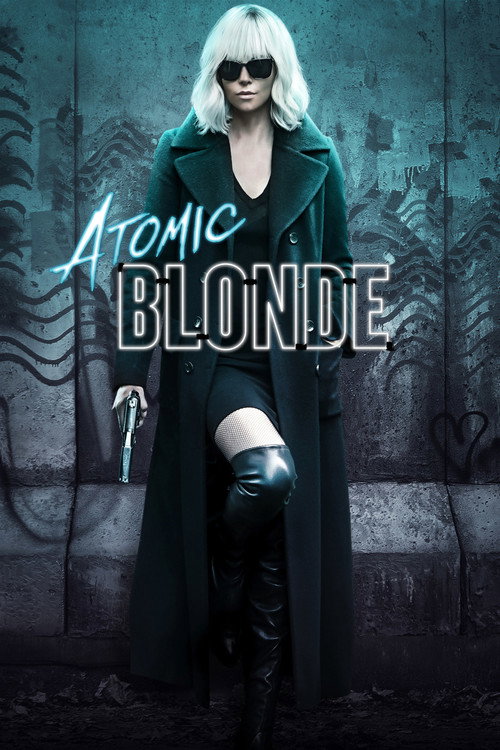
Atomic Blonde2017
Charlize Theron as an MI6 agent interrogated about a covert mission in Cold War Berlin. It shares The Debt's temporal structure—past mission revealed through present questioning—and the same interest in how violence and ideology mark the body.
But The action is more stylised and frequent. If you want atmosphere to dominate physicality, you'll find the fight choreography occasionally breaks the mood.
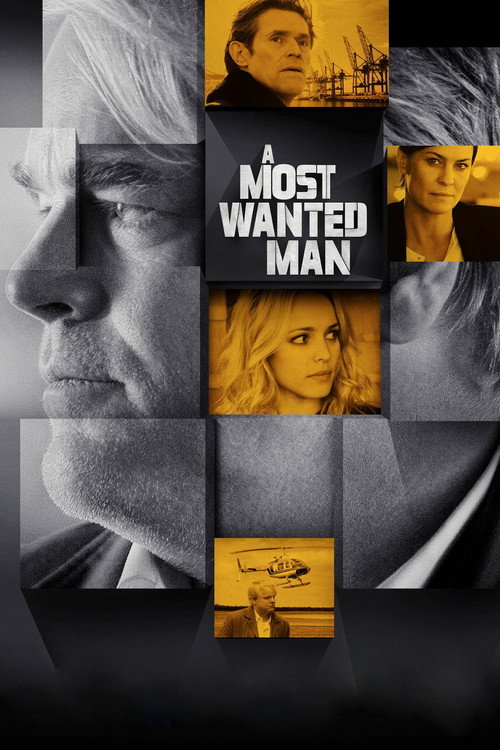
A Most Wanted Man2014
Gary Oldman again, this time as a Hamburg intelligence chief navigating post-9/11 moral quicksand. Like The Debt, it's about people trapped by institutional loyalty and the lies they tell themselves about necessity.
But Very talky and measured. There's almost no action; if you watch spy films for suspense sequences, you'll be disappointed by the focus on conversation and bureaucratic manoeuvre.
The Constant Gardener2005
Ralph Fiennes uncovers institutional corruption while grieving his murdered wife. It shares The Debt's structure of investigating backwards into betrayal, and the same unflinching look at how organisations protect themselves over justice.
But Grim, with a body horror element. The film doesn't sentimentalise its subject matter, which means some scenes linger in ways that can feel punishing rather than moving.

Spotlight2015
Boston Globe journalists methodically expose decades of abuse in the Catholic Church. Like The Debt, it's about the slow accumulation of evidence and the emotional toll of seeing an institution's lies made flesh.
But Ensemble cast means no single emotional anchor. If you need to follow one protagonist's inner life closely, the distributed narrative may feel diffuse and procedurally heavy.

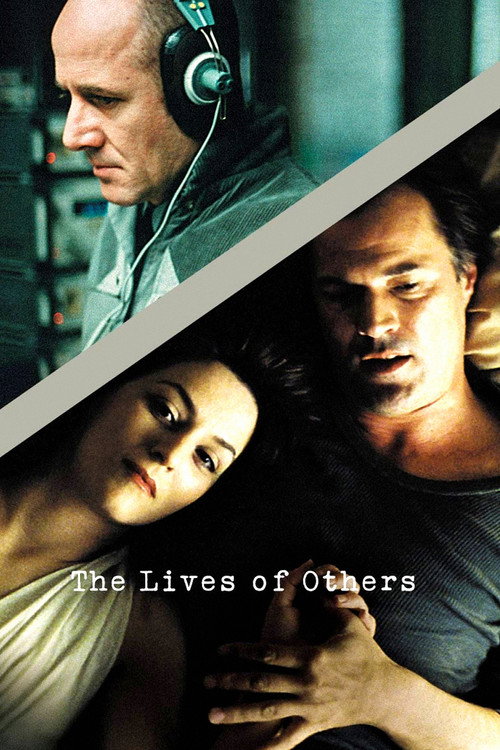
The Lives of Others2006
A Stasi agent's surveillance of a playwright slowly corrodes his ideology. Mirrors The Debt's interest in how proximity to suffering humanises enemies, and the moral cost of state service under authoritarianism.
But Deliberately slow. The first act asks a lot of patience before the emotional stakes become clear; some viewers find the pacing suffocating rather than meditative.
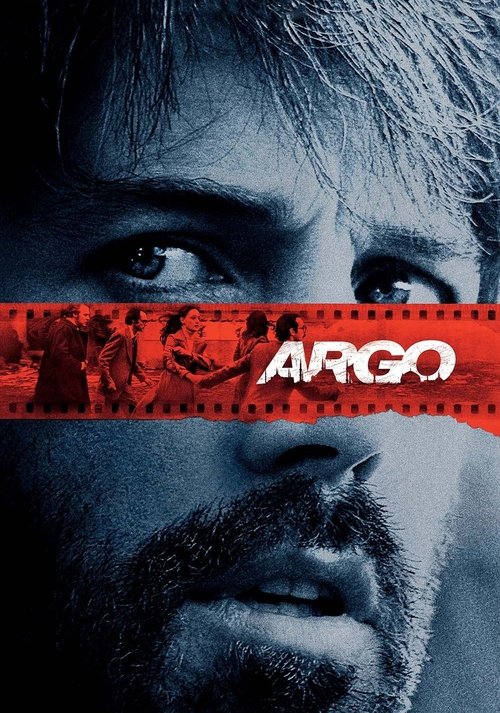
Argo2012
Ben Affleck directs and stars in this account of a CIA operation during the Iranian hostage crisis. Combines The Debt's historical espionage frame with tighter momentum; it's a more visceral film about improvisation under pressure.
But More conventional thriller than psychological study. If you loved The Debt's moral ambiguity, Argo's cleaner narrative and heroic framing may feel reductive by comparison.
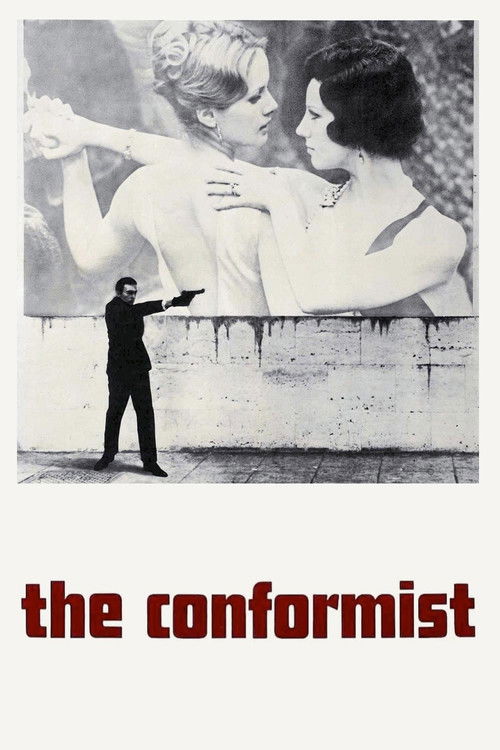
The Conformist1971
Both centre on people who commit atrocities and then have to live with the weight of their choices, but The Conformist embeds that question in fascism's seduction, while The Debt treats it as a closed case cracking open. One is about how you become a monster; the other is about what happens after you think you've already stopped being one.
Bernardo Bertolucci's masterpiece about a fascist intellectual rationalising complicity and murder. Visually ravishing, philosophically devastating. Like The Debt, it's about ideology as a disguise for private weakness—but it's surreal, sensual and formally audacious where The Debt is austere.
But Deliberately abstract about motive and morality. The film trusts you to hold contradictions; if you need clear moral judgment from your fiction, the moral relativism may feel deliberately obscene.
The Reader2008
Both films ask whether catching or judging a perpetrator matters if the real crime is the institutional machinery that enabled them. The Debt treats this as a thriller; The Reader treats it as philosophy and romance, which some find unbearably soft.
Kate Winslet as a former concentration camp guard whose secret affair with a law student resurfaces years later. Like The Debt, it's about how personal feeling and historical atrocity collide, and whether understanding someone who did monstrous things makes you complicit in forgiving them.
But Controversial precisely because it humanises a Nazi. Many viewers find the film's sympathy for the guard morally repugnant; the ending divides people harshly on what it means to extend compassion to the guilty.

People
Cast
 Helen MirrenRachel Singer
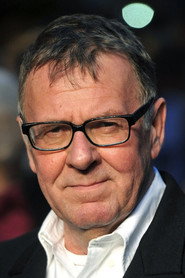 Tom WilkinsonStefan Gold
 Sam WorthingtonYoung David Peretz
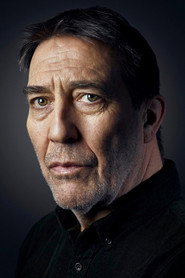 Ciarán HindsDavid Peretz
 Jessica ChastainYoung Rachel Singer
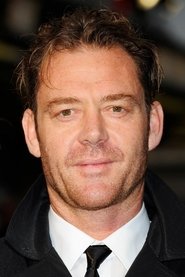 Marton CsokasYoung Stefan Gold
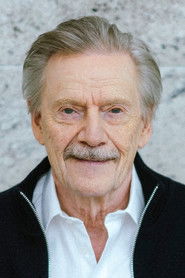 Jesper ChristensenDieter Vogel
- Romi AboulafiaSarah Gold
- Adar BeckPoliticians Wife
 Morris PerryIvan Schevchuk
Directing
- John MaddenDirector
- Deborah SabanFirst Assistant Director
- Zsuzsa GurbanFirst Assistant Director
- Kim ArmitageScript Supervisor
- Olivia LloydSecond Assistant Director
- Robyn GlaserSecond Assistant Director
- Tamás VassSecond Assistant Director
- Joey CoughlinThird Assistant Director
- Shir ShoshaniThird Assistant Director
Writing
- Jane GoldmanScreenplay
- Matthew VaughnScreenplay
- Peter StraughanScreenplay
- Assaf BernsteinWriter
- Ido RosenblumWriter
Production
- Adrienn LakatosAdditional Casting
- Abigail BarbierADR Voice Casting
- Louis ElmanADR Voice Casting
- Lajos NagyAssistant Accountant
- Hollie FosterAssistant Production Coordinator
- Zsofi OblathAssistant Production Coordinator
- Michelle GuishCasting
- Terri TaylorCasting Associate
- Dan HassidExecutive In Charge Of Production
- Balázs KovácsExtras Casting
- Sándor DénesExtras Casting
- Tamás KertészExtras Casting
- Danny Ben MenahemLocation Manager
- Tarn HarperPost Production Accountant
- Eduardo RossoffProducer
- Eitan EvanProducer
- Kris ThykierProducer
- Matthew VaughnProducer
- Will TylerProduction Accountant
- Ezster RépássyProduction Coordinator
- Michal VintrovProduction Coordinator
- Polly JefferiesProduction Coordinator
- Ildikó KeményProduction Executive
- Gadi LevyProduction Manager
- Mária UngorProduction Manager
- Chen KestenProduction Runner
- Peter BoothbyProduction Runner
- Meirav AdlerProduction Secretary
- Michael MannProduction Secretary
- Sasha HarrisUnit Production Manager
Recommended by
The Bourne Ultimatum, Operation Finale, Red Sparrow, RED 2, Repo Games, The Mule, Unlocked