
Film
The White Rose
- Period drama
- Very dark
A 1982 German film about Sophie Scholl and the White Rose, the Munich students who risked everything to resist Hitler through underground leaflets and moral argument. It's a quietly intense portrait of ordinary people discovering they cannot stay silent, even when the cost is unbearable. For anyone moved by acts of conscience against impossible odds.
Should you watch it?
Watch it if you are drawn to restrained historical dramas where moral courage plays out through conversation, interrogation rooms and small private risks rather than set pieces.
Skip it if you need propulsion or spectacle; it moves slowly through long talky scenes, and its austere look may feel static.
What it asks of you: Two hours of patient, dialogue-led scenes with long silences and repeated questioning; it stays close to the room and rarely cuts away to relieve the tension.
Not sure? Find tonight's pick in a minute.
If you liked this
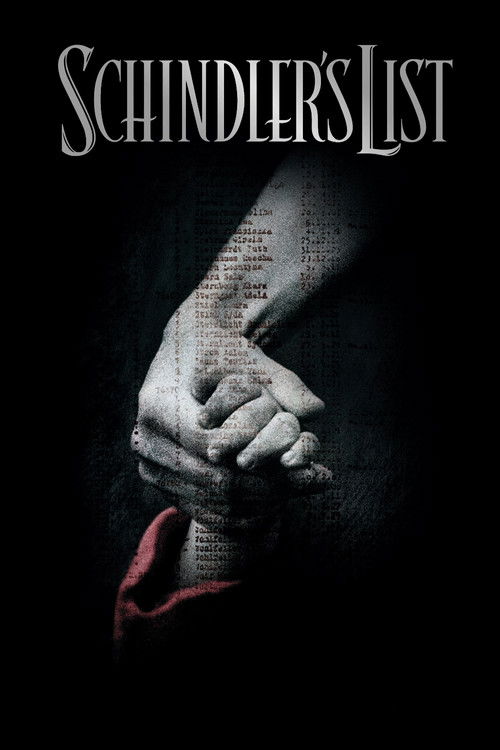
Schindler's List1993
Spielberg's unflinching account of one man's decision to save lives during the Holocaust. Like The White Rose, it finds humanity and moral clarity in the darkest of circumstances, but with the scope of an epic.
But It's three hours long and deliberately unbearable to watch at times. Some find it didactic rather than dramatically alive.
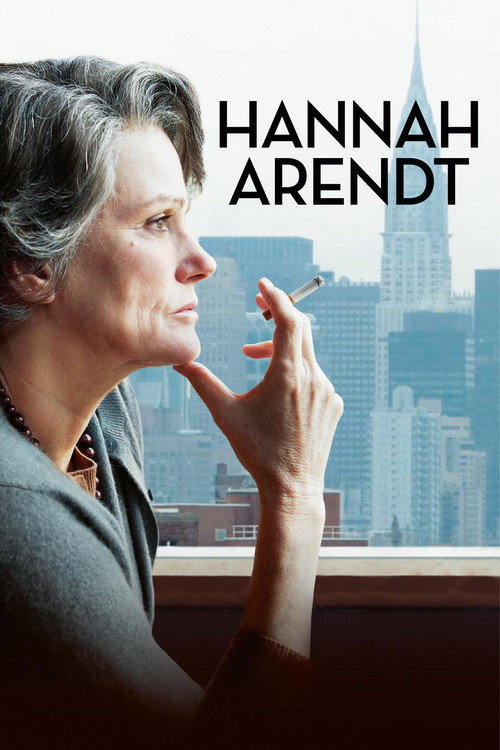
Hannah Arendt2012
A film about the philosopher grappling with the banality of evil as she covers Eichmann's trial. It shares The White Rose's interest in how ordinary people rationalize participation in atrocity—but from the perspective of someone bearing witness after the fact.
But Very talky and cerebral. If you want spectacle or traditional drama, this is a seminar in a film.
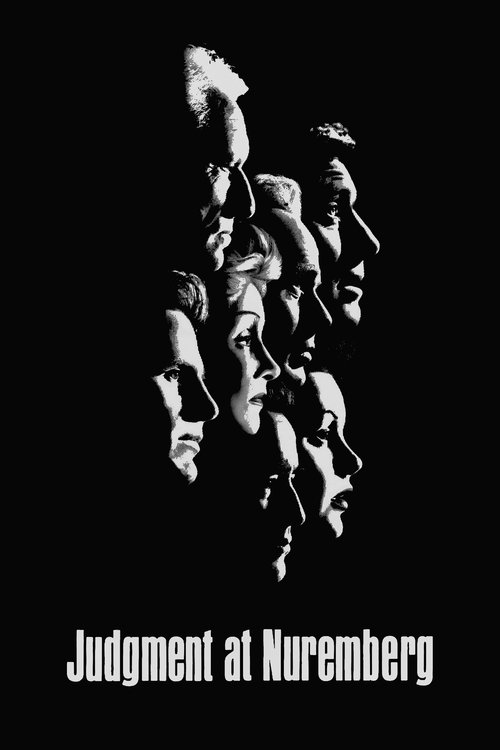
Judgment at Nuremberg1961
A courtroom reckoning with Nazi crimes and the question of individual responsibility. It asks the same hard question as The White Rose: what did you know, and what did you do about it?
But Courtroom dramas date badly. At nearly three and a half hours, it can feel like work.
Not sure tonight? Get a pick in a minute, starting from The White Rose
The wildcard
Something you would not have found on your own.
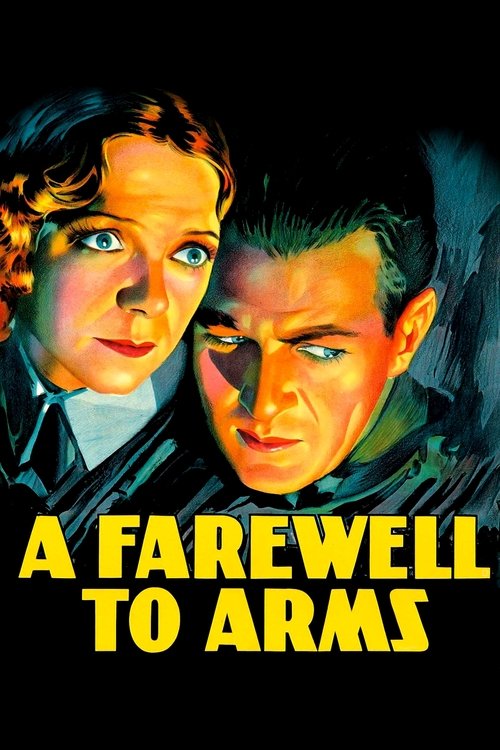
A Farewell to Arms1932
Both are about youth choosing love and conscience over the machinery of power; both believe in beauty and tenderness as acts of resistance in a world designed to crush them.
Borzage's anti-war film about two young people trying to desert and escape. Made before Hitler, it captures the same sense of impossible love and doomed idealism in wartime that haunts The White Rose.
But It's nearly a century old and the romance plot will feel archaic to modern viewers. The pacing is glacial by any standard.
More like this (8)
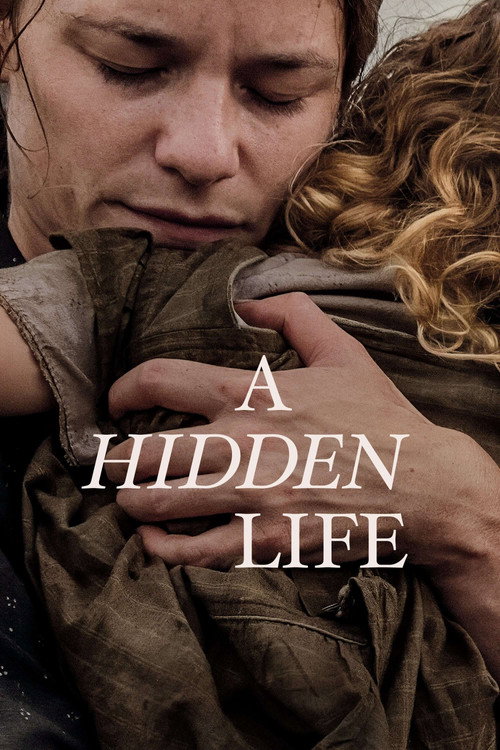
A Hidden Life2019
Terrence Malick's film about Franz Jägerstätter, an Austrian farmer who refuses to swear allegiance to the Nazis. Like The White Rose, it's about quiet, stubborn moral refusal in the face of total power.
But Malick's visual poetry and spiritual wandering frustrate viewers looking for conventional narrative momentum.
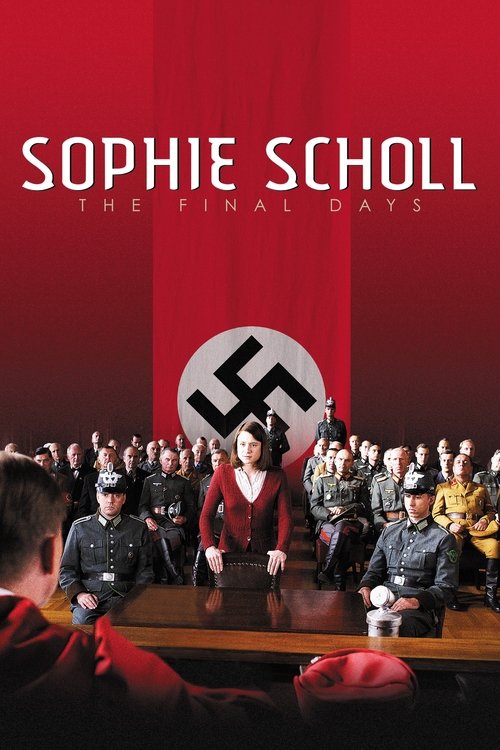
Sophie Scholl: The Final Days2005
A different film about the same person, focusing on her interrogation and last days. It's austere and haunting, more interested in Sophie's inner clarity than in the movement itself.
But It's relentlessly bleak and offers no comfort. Some find the repetitive interrogation scenes emotionally exhausting rather than affecting.
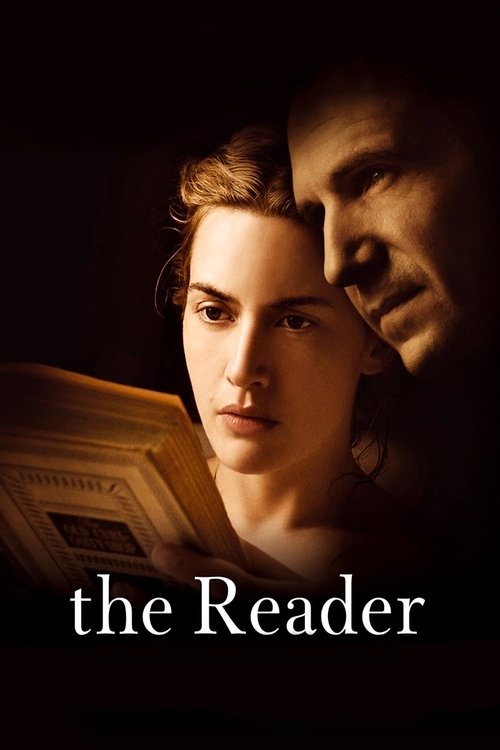
The Reader2008
A more ambiguous take on complicity and forgetting in post-war Germany. It complicates the moral clarity that films like The White Rose offer, asking harder questions about memory and judgment.
But The romance element feels manipulative to some, and the film wants sympathy for a character many viewers won't grant it to.
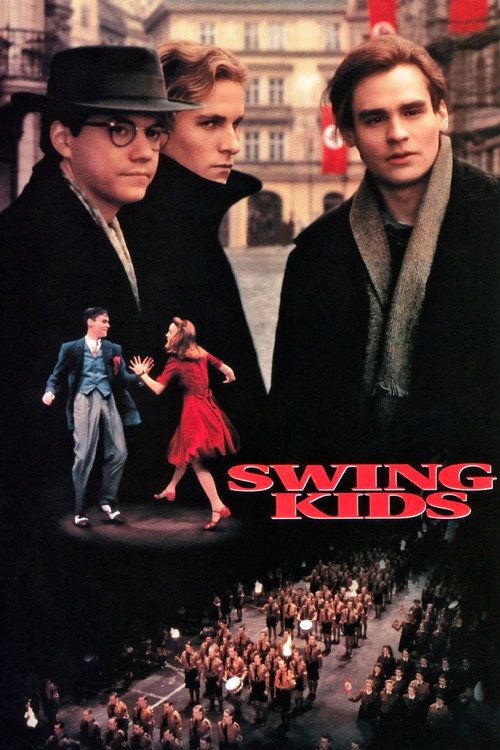
Swing Kids1993
Young Germans using swing music as a quiet act of rebellion against the regime. It's lighter in tone than The White Rose but explores the same world of youth resistance and the cost of nonconformity.
But The tonal mix of coming-of-age film and Nazi drama doesn't always work. Some scenes feel like a Hollywood softening of the subject.
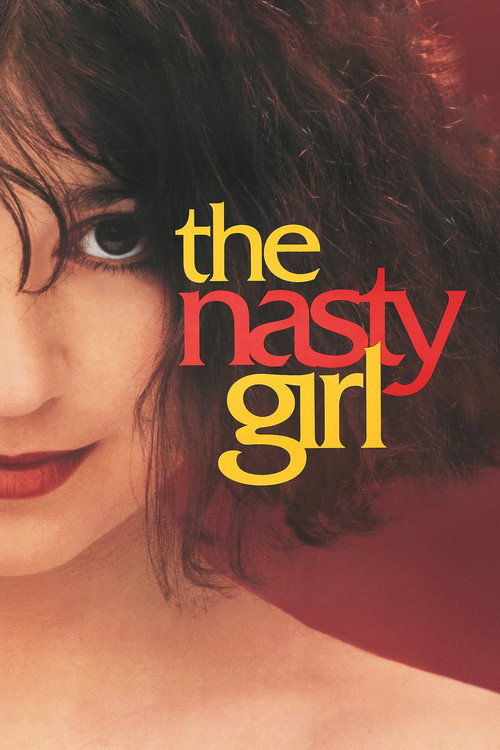
The Nasty Girl1990
A darkly comic German film about a girl researching her town's Nazi past and discovering complicity everyone wants hidden. It's about courage and truth-telling, but with a wicked sense of humor The White Rose doesn't have.
But The tone is deliberately off-kilter and theatrical. If you want solemnity, this will feel jarringly irreverent.
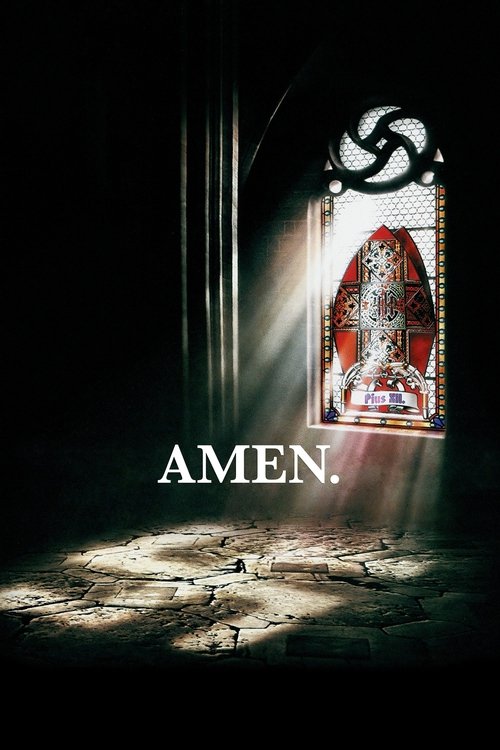
Amen.2002
Costa-Gavras's film about a Vatican official trying to expose the Holocaust to the Pope. It's a procedural thriller about resistance through institutional channels, offering a different shape to the same moral reckoning.
But It's a conventional thriller rather than intimate character study. Some find it manipulative, and the historical liberties are substantial.
The Act of Killing2012
Both films understand that the real horror isn't just what happened, but how people convince themselves it was right. The White Rose shows resistance to that rationalization; this shows the machinery of rationalization itself.
A documentary where an Indonesian death-squad leader is asked to stage and watch reenactments of his own murders. It's an unbearable interrogation of how ordinary men justify extraordinary evil, shot through with an almost Brechtian strangeness.
But It's ethnographically and emotionally difficult. The formal conceit—having the killer direct the scenes—will disturb or alienate many viewers.

Requiem for a Dream2000
Both are about the moment someone sees clearly and tries to act, but are trapped by systems (political, neurochemical) larger than their will. Both ask: at what point does clarity become too late?
Aronofsky's formally daring film about addiction and self-deception, structured around four simultaneous descents. It shares The White Rose's interest in how people rationalize their complicity in their own destruction, but through the intimate lens of personal addiction rather than political evil.
But It's deliberately assaultive—fast cuts, blaring sound design, relentless despair. The stylization overwhelms the character work for some viewers.

People
Cast
 Lena StolzeSophie Scholl
- Wulf KesslerHans Scholl
- Oliver SiebertAlex Schmorell
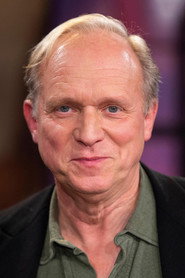 Ulrich TukurWilli Graf
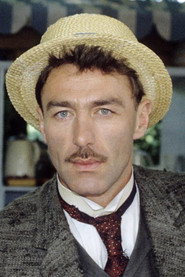 Werner StockerChristoph Probst
 Anja KruseTraute Lafrenz
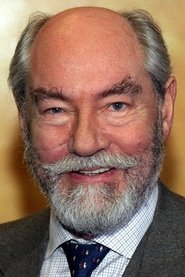 Martin BenrathProf. Kurt Huber
 Hans-Jürgen SchatzStudentenführer
- Jörg HubeOberregierungsrat
- Gerhard FriedrichHerr Scholl
- Sabine KretzschmarFrau Scholl
 Jean-Paul RathsHeinz Bollinger
Directing
- Nikos LigourisContinuity
- Michael VerhoevenDirector
Writing
- Mario KrebsScreenplay
- Michael VerhoevenScreenplay
Production
- Joschi ArpaExecutive Producer
- Artur BraunerProducer
- Dietmar SchingsProducer
- Hans PrescherProducer
- Michael VerhoevenProducer
Recommended by
Hitler: A Career, The Damned, Swing Kids, Conspiracy of Hearts, Address Unknown